Compare commits
117 Commits
a52953169e
...
v2.19.4
| Author | SHA1 | Date | |
|---|---|---|---|

|
b3fe98907e | ||
|
|
b19493e925 | ||
|
|
19b4cf06b2 | ||
|
|
f9a5618b84 | ||
|
|
822a9799db | ||
|
|
eb4fd3108e | ||
|
|
4c86c261ba | ||
|
|
dc5c9db68a | ||
|
|
befcad586e | ||
|
|
9f950cba9f | ||
|
|
51a1d1e8ef | ||
| 631c9da0a4 | |||
|
|
5fa214b9ba | ||
|
|
eb406c3132 | ||
|
|
3a90e94958 | ||
|
|
248842871b | ||
|
|
1cab023abc | ||
| 9ca29bb797 | |||
|
|
13640751d2 | ||
|
|
0c7d1a97e2 | ||
|
|
d0202783d4 | ||
|
|
f72f810e4f | ||
|
|
13f4c86113 | ||
|
|
65d9f95717 | ||
|
|
19fa8203f1 | ||
|
|
0f1df4800d | ||
|
|
7351b2d35c | ||
|
|
1a66a31563 | ||
|
|
fe3c659804 | ||
|
|
a2172dce12 | ||
|
|
4099f66e91 | ||
| 49112b11b3 | |||
| 1218bb523c | |||
| 17600a3905 | |||
|
|
db5104a7d0 | ||
|
|
6306064fc3 | ||
|
|
d5a4761f2c | ||
|
|
66d6681798 | ||
|
|
fb61169656 | ||
|
|
62079fba0b | ||
|
|
cc0fc8edc3 | ||
|
|
62174fcd53 | ||
|
|
55c1b2ac25 | ||
|
|
0ccc610144 | ||
|
|
5d009b7dc0 | ||
|
|
28924daf02 | ||
|
|
e71fb2a625 | ||
|
|
aa5f76fc1b | ||
|
|
5b099714f6 | ||
| 163d821d1f | |||
|
|
fe98b1ed66 | ||
|
|
c0270ab3a0 | ||
|
|
6019d6c0b8 | ||
|
|
19bc5967a4 | ||
|
|
ddab3454bb | ||
|
|
247c9ee6cd | ||
|
|
6be170cae2 | ||
|
|
8133584f1e | ||
|
|
4cdb42afba | ||
|
|
19a4c05e93 | ||
|
|
aba06affbf | ||
|
|
2b132a5b7a | ||
|
|
52ecce03b8 | ||
|
|
0eb76db12d | ||
|
|
d03985eada | ||
|
|
34108b9c50 | ||
| 49a0c114c2 | |||
|
|
b1ce6f85cc | ||
|
|
ca5f87af11 | ||
|
|
7445092767 | ||
|
|
5ef66120bf | ||
|
|
bda86cd73d | ||
|
|
56953b0c50 | ||
|
|
7c8cd1e145 | ||
|
|
bce36956d1 | ||
|
|
e0fdadc7ca | ||
|
|
136167b54c | ||
| 02fd599e6b | |||
| b0412a96f3 | |||
|
|
06dbb89868 | ||
|
|
b002f45f29 | ||
|
|
c1eb702384 | ||
|
|
307517e85a | ||
|
|
a8ba227e8b | ||
|
|
cbfdfb9710 | ||
| d85003416e | |||
|
|
61c516149e | ||
|
|
560225cb8c | ||
|
|
2e8367afd4 | ||
| 8c40109341 | |||
|
|
4259c996b6 | ||
| d4218227bd | |||
|
|
6a4c5084a5 | ||
|
|
e38b9cde1f | ||
|
|
dbae8b5bcf | ||
|
|
2d06b7ad32 | ||
|
|
10a674deba | ||
|
|
93b9aa8f34 | ||
| ca826737ed | |||
| 5365cc67eb | |||
|
|
25e3640ba0 | ||
| 3f85bac74e | |||
| 5b83b9da73 | |||
| 3c8c555b94 | |||
| a6a6c0c714 | |||
|
|
66dbdc8913 | ||
|
|
6a125b7c73 | ||
|
|
44233cff35 | ||
|
|
5764bd889b | ||
|
|
a8a83a39d0 | ||
|
|
9557ca73ed | ||
|
|
9767fbbbaf | ||
|
|
9054742503 | ||
|
|
3d62036d79 | ||
|
|
34a8e91ea5 | ||
|
|
0097a9c534 | ||
|
|
4e51e33356 |


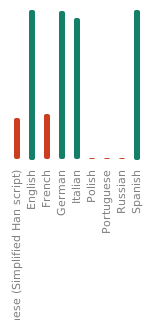
1
.gitattributes
vendored
1
.gitattributes
vendored
@@ -5,3 +5,4 @@
|
||||
*.jpg binary
|
||||
*.gif binary
|
||||
*.webp binary
|
||||
app/src/test/resources/ics/*.ics -text
|
||||
|
||||
@@ -264,9 +264,10 @@ jobs:
|
||||
cp app/build/outputs/apk/release/app-release.apk "fdroid/repo/calendula_v${VERSION}.apk"
|
||||
|
||||
# Per-version "What's New": ensure this version's changelog exists in the
|
||||
# fastlane tree (committed at release-cut time for the official repo; this
|
||||
# regenerates it from CHANGELOG.md so the self-hosted repo never depends on
|
||||
# the commit having happened). The transform below then carries it across.
|
||||
# fastlane tree. The committed hand-written summary (kept under Play's
|
||||
# 500-char cap) is used as-is; only if it is missing does the script fall
|
||||
# back to CHANGELOG.md, so the self-hosted repo never depends on the
|
||||
# commit having happened. The transform below then carries it across.
|
||||
- name: Ensure this version's changelog is in the fastlane tree
|
||||
if: env.IS_RELEASE == 'true'
|
||||
run: bash scripts/sync_changelog_to_fastlane.sh
|
||||
@@ -550,12 +551,11 @@ jobs:
|
||||
env:
|
||||
VERSION: ${{ needs.detect.outputs.version }}
|
||||
VERSION_CODE: ${{ needs.detect.outputs.version_code }}
|
||||
# Where the bundle lands. `internal` by default so a release reaches
|
||||
# testers rather than the public, and promotion to production stays a
|
||||
# deliberate human action in the Play Console — the same posture as
|
||||
# holding UI releases for on-device review. Override with the PLAY_TRACK
|
||||
# repo variable once the flow is trusted.
|
||||
PLAY_TRACK: ${{ vars.PLAY_TRACK || 'internal' }}
|
||||
# Where the bundle lands. `production` — the release itself is already the
|
||||
# gate (a bumped versionName only reaches main after on-device review), so
|
||||
# a second manual promotion in the Play Console bought nothing but delay.
|
||||
# Override with the PLAY_TRACK repo variable to stage a release instead.
|
||||
PLAY_TRACK: ${{ vars.PLAY_TRACK || 'production' }}
|
||||
PLAY_RELEASE_STATUS: ${{ vars.PLAY_RELEASE_STATUS || 'completed' }}
|
||||
# Set PLAY_DRY_RUN=true to validate the edit against the API and discard
|
||||
# it instead of committing — used to rehearse the first upload.
|
||||
@@ -635,9 +635,13 @@ jobs:
|
||||
FASTLANE_HIDE_CHANGELOG: '1'
|
||||
run: |
|
||||
set -euo pipefail
|
||||
test -f "dist/app-release.aab"
|
||||
AAB="$GITHUB_WORKSPACE/dist/app-release.aab"
|
||||
# Absolute, because a lane body runs from fastlane/, not the
|
||||
# workspace root — a relative path resolves against the wrong
|
||||
# directory there and 2.17.1 died on exactly that.
|
||||
test -f "$AAB" || { echo "No AAB at $AAB — the artifact handoff failed." >&2; ls -la dist || true; exit 1; }
|
||||
bundle exec fastlane deploy \
|
||||
aab:"dist/app-release.aab" \
|
||||
aab:"$AAB" \
|
||||
track:"$PLAY_TRACK" \
|
||||
release_status:"$PLAY_RELEASE_STATUS" \
|
||||
dry_run:"$PLAY_DRY_RUN"
|
||||
|
||||
318
CHANGELOG.md
318
CHANGELOG.md
@@ -7,6 +7,302 @@ and this project adheres to [Semantic Versioning](https://semver.org/spec/v2.0.0
|
||||
|
||||
## [Unreleased]
|
||||
|
||||
## [2.19.4] — 2026-09-01
|
||||
|
||||
### Fixed
|
||||
- **A deleted occurrence no longer comes back when the series is re-timed.**
|
||||
Delete a single occurrence of a repeating event, then change the time of the
|
||||
whole series, and the occurrence you had removed reappeared. Doing it the
|
||||
other way round — "This and all following events" — lost every removal in the
|
||||
part of the series being changed. Removals now travel with the event: they
|
||||
keep their place in the series across a time change, a move to a different
|
||||
day, a timezone change and a switch to or from an all-day event, and they
|
||||
carry over when a series is split. Repeating events on your device's own
|
||||
calendars are affected, including the birthday and anniversary calendars
|
||||
Calendula creates from your contacts ([#248]).
|
||||
- **Home-screen widgets now turn the page at midnight.** Both the month and the
|
||||
agenda widget kept highlighting yesterday as "today" — and the agenda kept
|
||||
greying out the wrong events as already past — until you paged the month back
|
||||
and forth or removed and re-added the widget. Calendula now wakes itself at the
|
||||
day boundary and redraws, and re-arms after a reboot, a clock change or a
|
||||
flight into another timezone. Paging the month widget forward and back also
|
||||
stops quietly pinning it to that month, so it follows the date again instead of
|
||||
being stranded on the month you happened to be looking at ([#228]).
|
||||
- **"Only this event" now actually saves your edit.** On some calendars —
|
||||
including Google ones that still show as on-device, and any local calendar —
|
||||
editing a single occurrence of a repeating event did nothing at all: the scope
|
||||
dialog closed, the edit screen stayed put, and saving again just repeated it.
|
||||
Android can only attach a single-occurrence change to its series once the
|
||||
calendar has been synced at least once, so on those calendars the change had
|
||||
nowhere to go. Calendula now removes that one occurrence from the series and
|
||||
saves the edit as its own event instead, which is what you see either way. A
|
||||
save that does fail also says so for longer, rather than flashing past
|
||||
([#234]).
|
||||
- **A failed import no longer costs you the whole file.** One event the calendar
|
||||
refuses used to abort the entire import with nothing on screen but "couldn't
|
||||
read this file". Events are now added one at a time: anything rejected is
|
||||
counted and shown, and the rest still arrive. A faulty repeat rule in the file
|
||||
is repaired instead of being handed on ([#225]).
|
||||
- **All-day reminders survive a backup and an import.** They fire at the hour you
|
||||
chose, not at midnight UTC — the same rule the app already applied to all-day
|
||||
events you create yourself — and an export no longer leaves them out of the
|
||||
file entirely. An imported yearly birthday fires at the right hour too, even
|
||||
though the file dates it back to the year of birth ([#225]).
|
||||
- **Birthdays and anniversaries imported from Fossify Calendar now show up.**
|
||||
Fossify writes the ones it mirrors from your contacts as events that start and
|
||||
end on the same day, which the calendar read as lasting no time at all: they
|
||||
imported without complaint and then appeared nowhere. Any all-day event that
|
||||
ends where it starts, or carries no end at all, is now a one-day event
|
||||
([#225]).
|
||||
- **A backup no longer brings back occurrences you had deleted.** Remove a single
|
||||
occurrence of a repeating event, back up, restore — and it was there again,
|
||||
because the removals never made it into the file. They travel with the series
|
||||
now, so a restored calendar looks the way you left it ([#225]).
|
||||
- **A reminder left on your account's default no longer went off as the event
|
||||
started.** An event whose reminder says "Default" is the account's to time, not
|
||||
Calendula's — it was reading that setting as a lead time of its own and firing a
|
||||
minute after the event began. It now leaves such a reminder alone, and says so
|
||||
on the event.
|
||||
- **"Only this event" on an event that doesn't repeat now edits or deletes it.**
|
||||
Deleting used to write an exclusion onto a one-off event instead — which left
|
||||
the event there and lost its end time — and editing filed the change away as an
|
||||
exception to nothing, so it vanished.
|
||||
- **An import that the calendar cuts short now tells you how far it got.** Losing
|
||||
the calendar or the permission part way through a big file reported the whole
|
||||
import as failed, so importing again added everything twice.
|
||||
- **An event that runs past midnight can be dragged by either half.** Its second
|
||||
half couldn't be picked up at all, and the first could only be moved later. Both
|
||||
halves now move, and both are previewed while you hold either one, so the event
|
||||
reads as moving rather than growing. The blocks are cut square at midnight
|
||||
instead of rounded off, a month row draws an event crossing into the next week
|
||||
as one bar, and a move across a daylight-saving change no longer lands an hour
|
||||
out ([#253]).
|
||||
|
||||
### Added
|
||||
- **More of an imported `.ics` survives the trip**: tasks come across as events
|
||||
rather than being dropped in silence, deleted occurrences of a repeating event
|
||||
stay deleted, a calendar named like the one the file came from is preselected,
|
||||
and event colours are carried over — matched to the closest colour your
|
||||
calendar's account offers, so a migrated calendar still reads at a glance
|
||||
([#225]).
|
||||
- **Belarusian, Hungarian and Slovak**, all three contributed as community
|
||||
translations through
|
||||
[Calendula's Weblate](https://weblate.dev.jeanlucmakiola.de/projects/calendula/).
|
||||
Belarusian covers about nine tenths of the app, Slovak about a third and
|
||||
Hungarian is just under way, so untranslated parts still show in English until
|
||||
they fill out. Pick any of them under Settings → Language or in Android's
|
||||
per-app language settings. Thanks to Dmitri Gabinski (Belarusian), Ábel Nagy
|
||||
(Hungarian) and Julie (Slovak); help finishing them is very welcome.
|
||||
|
||||
### Changed
|
||||
- **Arabic, Polish and Simplified Chinese are now complete**, all three carried
|
||||
the rest of the way this cycle — Simplified Chinese from a fifth of the app to
|
||||
all of it. Czech and Russian grew too — Russian to about half — and still have
|
||||
room. Thanks to Sup99999 (Arabic), Bazyli Cyran (Polish), JeanWenzel
|
||||
(Simplified Chinese), James Trivette (Czech), and SpiritOTHawk and Artur
|
||||
(Russian).
|
||||
|
||||
## [2.19.3] — 2026-08-22
|
||||
|
||||
### Added
|
||||
- **Czech, Japanese and Russian**, all three contributed as community
|
||||
translations through
|
||||
[Calendula's Weblate](https://weblate.dev.jeanlucmakiola.de/projects/calendula/).
|
||||
They are early — Czech covers about a third of the app, Russian a fifth,
|
||||
Japanese has just started — so untranslated parts still show in English until
|
||||
they fill out. Pick any of them under Settings → Language or in Android's
|
||||
per-app language settings. Thanks to James Trivette (Czech), ame0011
|
||||
(Japanese), and chip and Pablo (Russian); help finishing them is very welcome.
|
||||
|
||||
### Changed
|
||||
- **Brazilian Portuguese is now complete**, covering the whole app. Thanks to
|
||||
bkrz for carrying it the rest of the way.
|
||||
|
||||
## [2.19.2] — 2026-08-17
|
||||
|
||||
### Changed
|
||||
- **A meeting you declined is now struck through** wherever it appears — month,
|
||||
week, day, agenda, search and both widgets — and no longer schedules a
|
||||
reminder. Declining an invitation in Google Calendar left the event looking
|
||||
like any other in Calendula, and it still notified you about a meeting you had
|
||||
said no to. It stays visible rather than disappearing: the organiser still
|
||||
expects an answer from you, and the slot is still spoken for ([#180]).
|
||||
|
||||
### Fixed
|
||||
- **Tapping an event in month view opens the event**, not the day it sits on.
|
||||
Every month style is affected — page, rolling, seamless weeks — and until now
|
||||
the only way to reach an event from the month was to open its day first and
|
||||
find it again there. Tapping anywhere else in the cell still opens the day
|
||||
([#187]).
|
||||
- **An edit made to an event now shows the moment you re-open it.** Adding a
|
||||
description to an event and opening it again showed the sheet as it was before
|
||||
the save, because the detail was only re-read when a different occurrence was
|
||||
opened ([#196]).
|
||||
- **The month widget's arrows stopped working after a couple of taps.** The grid
|
||||
was serialised as roughly 740 views, and one update ran to half a megabyte —
|
||||
more than the launcher's buffer takes. The third update overran it, and Android
|
||||
responded by dropping the whole widget host, which killed updates for *every*
|
||||
widget on the home screen, ours and other apps', until the launcher rebound.
|
||||
The grid now draws 192 views, and a resized widget reflows to its new size
|
||||
instead of clipping ([#214]).
|
||||
- Tapping a widget's refresh or month arrows redraws that widget by its own id
|
||||
instead of asking Android to update all of them, which does nothing in a
|
||||
process the tap has just woken from cold ([#18]).
|
||||
- **Jump-to-today in seamless weeks lands on the current week** instead of
|
||||
leaving a sliver of the previous row on screen ([#191]).
|
||||
- Day and week view no longer run their events flush against the right edge
|
||||
([#192]).
|
||||
|
||||
## [2.19.1] — 2026-08-11
|
||||
|
||||
### Added
|
||||
- **Drag to reschedule can be turned off.** Settings → Views → *Drag to
|
||||
reschedule*, on by default. Off, no event can be picked up in the month, week
|
||||
or day view — for anyone who kept moving appointments by accident while
|
||||
scrolling ([#173]).
|
||||
- An early Brazilian Portuguese translation. Calendula has started speaking
|
||||
Brazilian Portuguese, contributed as a community translation through
|
||||
[Calendula's Weblate](https://weblate.dev.jeanlucmakiola.de/projects/calendula/).
|
||||
About a third of the app is covered, so the rest still shows in English — you
|
||||
can pick it under Settings → Language or in Android's per-app language
|
||||
settings. Thanks to
|
||||
[bkrz](https://weblate.dev.jeanlucmakiola.de/user/bkrz/) for getting it
|
||||
started; help finishing it is very welcome.
|
||||
|
||||
### Fixed
|
||||
- **The language picker forgot which language was picked.** Android hands the
|
||||
applied language back with its script filled in — Simplified Chinese goes in
|
||||
as `zh-CN` and comes out as `zh-Hans-CN` — so after a restart no entry in
|
||||
Settings → Language showed as selected, and the row above it named the
|
||||
language the long way round. Only languages that imply a script were
|
||||
affected.
|
||||
|
||||
## [2.19.0] — 2026-08-10
|
||||
|
||||
### Added
|
||||
- **Drag an event to reschedule it.** Press and hold an event in the month,
|
||||
week or day view and drop it on another time or day — the only way to move an
|
||||
appointment used to be opening it and editing its start and end by hand. The
|
||||
block follows your finger, the timeline scrolls when you carry it to an edge,
|
||||
and the event's length is preserved: a 90-minute meeting dropped on 09:00 ends
|
||||
at 10:30. In week and day view the drop snaps to 15-minute steps; in month
|
||||
view it moves the event to the day you dropped it on and leaves the time
|
||||
alone. A confirmation names the new slot and offers **Undo** wherever the move
|
||||
can be taken back in one step. Events you can't edit — read-only calendars, and
|
||||
birthdays and anniversaries mirrored from your contacts — can't be picked up.
|
||||
Rescheduling isn't pointer-only: a screen reader gets a **Move…** action on
|
||||
every event that can be moved ([#68]).
|
||||
- Dragging a **recurring** event asks what it should apply to, the same *this
|
||||
event / this and following / all events* choice a save does. Where moving the
|
||||
whole series would change which weekday it falls on, the rule is rewritten to
|
||||
match — a weekly Monday event dropped on a Wednesday becomes a weekly
|
||||
Wednesday event. Where it can't be rewritten safely, the prompt says so and
|
||||
offers to move just the one occurrence, rather than quietly leaving the
|
||||
series behind ([#68]).
|
||||
- **Delete several search results at once.** Long-press a hit in search to enter
|
||||
selection mode, tap the rest (or **Select all**), and delete the lot in one
|
||||
action — finding and removing, say, every leftover event with the same title
|
||||
no longer means opening them one at a time. Recurring hits in the batch ask
|
||||
once for the whole selection instead of once each, results on read-only
|
||||
calendars can't be selected, and the deletion is confirmed before it runs
|
||||
([#80]).
|
||||
|
||||
### Changed
|
||||
- **First launch is now a short wizard** instead of a single permission screen.
|
||||
It counts its steps, each one can be stepped back out of, and beyond granting
|
||||
calendar access it offers two things worth deciding once: turning on automatic
|
||||
backup — chosen inline, folder picker and all, since events that live only on
|
||||
the phone are lost with it — and choosing which view Calendula opens on, with
|
||||
a live preview of the month, week, day and agenda layouts rather than four
|
||||
names in a list. Both are skippable, everything chosen is changeable in
|
||||
Settings afterwards, and the backup step is offered only where nothing
|
||||
writable is being synced anywhere. Existing installs are not re-onboarded —
|
||||
revoking and re-granting the calendar permission later does not restart the
|
||||
wizard ([#163]).
|
||||
- The one-time notice about calendars switched off for this device is now a step
|
||||
in the flow rather than a dialog thrown over the app on first open.
|
||||
|
||||
### Fixed
|
||||
- Removed the deprecated `statusBarColor` / `navigationBarColor` theme
|
||||
attributes the Play Console flags on Android 15 and up, where they no longer
|
||||
do anything. The launch backdrop now picks its status-bar icons from the
|
||||
light/dark resource instead, so they stay legible over it either way
|
||||
([#123]).
|
||||
|
||||
## [2.18.1] — 2026-08-06
|
||||
|
||||
### Fixed
|
||||
- Tapping an empty slot in week or day view creates the event at the hour you
|
||||
tapped, after the timeline has been zoomed. Pinching the day taller or shorter
|
||||
— or changing **Hour height** in Settings — left the tap still being measured
|
||||
against the old spacing, so the new event landed at some other hour entirely
|
||||
([#148]).
|
||||
|
||||
## [2.18.0] — 2026-07-31
|
||||
|
||||
### Added
|
||||
- A new event no longer always lasts an hour. **Settings → New event form →
|
||||
Default duration** sets how long one opens, and each calendar may keep its own
|
||||
length underneath — 8 hours for the calendar you keep work shifts in, 30
|
||||
minutes for the one you book calls in. A calendar without its own length
|
||||
follows the default, switching calendars mid-form re-stretches the event, and
|
||||
setting an end time by hand keeps it. An event another app hands over with only
|
||||
a start gets the default too; one that names its own end — an `.ics` file, a
|
||||
duplicate — keeps that length. All-day events are unaffected ([#54]).
|
||||
- Week and day view can be set to show more or less of the day at once, under
|
||||
Settings → Views → Week & day → **Hour height**. **Fit whole day** sizes an
|
||||
hour to your screen so all 24 hours are visible without scrolling — on a tall
|
||||
phone the old fixed spacing showed only about half a day, so appointments
|
||||
could sit below the fold all week. Compact and Comfortable are fixed steps
|
||||
either side of the previous spacing, which stays the default. Both views share
|
||||
the setting ([#56]).
|
||||
- Week and day view can be **pinched** with two fingers to set the hour height
|
||||
directly, anywhere between and beyond the named steps. The time under your
|
||||
fingers stays put as it zooms, so you keep your place in the day. A pinched
|
||||
height is remembered and appears as **Custom** in the Hour height setting, so
|
||||
tapping a named step there takes you back to it ([#56]).
|
||||
|
||||
### Changed
|
||||
- The date in the top bar is now the way to jump: tapping the month, week or day
|
||||
title opens the same date picker the sidebar's **Jump to date** offers, seeded
|
||||
on whatever the bar is naming. A drop-down caret marks it as tappable. The
|
||||
sidebar entry stays where it is ([#57]).
|
||||
- A reminder in the status bar is now Calendula's own mark — the calendar with
|
||||
the bloom — instead of the generic calendar glyph it shared with the system's
|
||||
date surfaces and every other calendar app. The status bar draws that icon as
|
||||
a plain silhouette, so its shape is the only thing that could tell them apart
|
||||
([#83]).
|
||||
- Event blocks now only draw text they can draw whole. One too short for a full
|
||||
line shows no title rather than a sliced one, a block that cannot fit both its
|
||||
title and its time keeps the title, and a block too narrow to hold more than a
|
||||
syllable stays on one ellipsised line instead of stacking letters down the
|
||||
block. Tapping and the spoken description are unchanged ([#56]).
|
||||
- Calendar colours are reworked so text on an event is always readable. They
|
||||
were shaped by a brightness setting that does not match what the eye sees, so
|
||||
whether a block got dark or light text depended on which hue you happened to
|
||||
pick — an orange calendar took dark text while a red one beside it took light
|
||||
— and colours landing in between were hard to read either way. Each colour now
|
||||
keeps its hue and is moved clear of that middle: most become deep blocks with
|
||||
light text, while naturally pale colours such as yellow stay pale and take
|
||||
dark text, rather than being forced into a muddy brown. Dots, stripes and
|
||||
icons are tuned separately from blocks, so they stay visible against the
|
||||
background instead of sharing a colour meant to sit behind text. The setting
|
||||
is now called **Harmonise calendar colours**; turning it off still shows the
|
||||
raw colours from your calendar source ([#21], [#36]).
|
||||
|
||||
### Fixed
|
||||
- The back gesture closes the sidebar instead of the app. With the drawer open,
|
||||
swiping back left Calendula altogether rather than putting the sidebar away
|
||||
([#114]).
|
||||
- The sidebar lines up. "Calendula", "View" and "Calendars" now share the left
|
||||
edge of the rows under them, and the view, jump-to-date, Settings and calendar
|
||||
rows sit on one vertical axis instead of each icon finding its own — the same
|
||||
alignment the Settings screens use ([#114]).
|
||||
- The status- and navigation-bar icons follow Calendula's own light/dark choice.
|
||||
Setting the app dark while the system stayed light — or the other way round —
|
||||
left the clock and battery drawn for the system's theme, so they could sit
|
||||
near-invisible against the app's own bar ([#70]).
|
||||
|
||||
## [2.17.1] — 2026-07-30
|
||||
|
||||
### Added
|
||||
@@ -1249,7 +1545,29 @@ automatically, with zero telemetry and no internet permission.
|
||||
[#79]: https://codeberg.org/jlmakiola/calendula/issues/79
|
||||
[#81]: https://codeberg.org/jlmakiola/calendula/issues/81
|
||||
[#82]: https://codeberg.org/jlmakiola/calendula/issues/82
|
||||
[#83]: https://codeberg.org/jlmakiola/calendula/issues/83
|
||||
[#87]: https://codeberg.org/jlmakiola/calendula/issues/87
|
||||
[#89]: https://codeberg.org/jlmakiola/calendula/issues/89
|
||||
[#103]: https://codeberg.org/jlmakiola/calendula/issues/103
|
||||
[#69]: https://codeberg.org/jlmakiola/calendula/issues/69
|
||||
[#54]: https://codeberg.org/jlmakiola/calendula/issues/54
|
||||
[#57]: https://codeberg.org/jlmakiola/calendula/issues/57
|
||||
[#56]: https://codeberg.org/jlmakiola/calendula/issues/56
|
||||
[#114]: https://codeberg.org/jlmakiola/calendula/issues/114
|
||||
[#148]: https://codeberg.org/jlmakiola/calendula/issues/148
|
||||
[#68]: https://codeberg.org/jlmakiola/calendula/issues/68
|
||||
[#80]: https://codeberg.org/jlmakiola/calendula/issues/80
|
||||
[#123]: https://codeberg.org/jlmakiola/calendula/issues/123
|
||||
[#163]: https://codeberg.org/jlmakiola/calendula/issues/163
|
||||
[#173]: https://codeberg.org/jlmakiola/calendula/issues/173
|
||||
[#180]: https://codeberg.org/jlmakiola/calendula/issues/180
|
||||
[#187]: https://codeberg.org/jlmakiola/calendula/issues/187
|
||||
[#191]: https://codeberg.org/jlmakiola/calendula/issues/191
|
||||
[#192]: https://codeberg.org/jlmakiola/calendula/issues/192
|
||||
[#196]: https://codeberg.org/jlmakiola/calendula/issues/196
|
||||
[#214]: https://codeberg.org/jlmakiola/calendula/issues/214
|
||||
[#225]: https://codeberg.org/jlmakiola/calendula/issues/225
|
||||
[#228]: https://codeberg.org/jlmakiola/calendula/issues/228
|
||||
[#234]: https://codeberg.org/jlmakiola/calendula/issues/234
|
||||
[#248]: https://codeberg.org/jlmakiola/calendula/issues/248
|
||||
[#253]: https://codeberg.org/jlmakiola/calendula/issues/253
|
||||
|
||||
22
README.md
22
README.md
@@ -18,6 +18,8 @@ Reads, writes, and reminds — on top of the system calendar, with zero network
|
||||
<p>
|
||||
<a href="https://f-droid.org/packages/de.jeanlucmakiola.calendula/"><img src="https://fdroid.gitlab.io/artwork/badge/get-it-on.png" alt="Get it on F-Droid" height="56"></a>
|
||||
|
||||
<a href="https://play.google.com/store/apps/details?id=de.jeanlucmakiola.calendula"><img src="https://play.google.com/intl/en_us/badges/static/images/badges/en_badge_web_generic.png" alt="Get it on Google Play" height="56"></a>
|
||||
|
||||
<a href="https://apps.obtainium.imranr.dev/redirect?r=obtainium://add/https://codeberg.org/jlmakiola/calendula"><img src="https://github.com/ImranR98/Obtainium/blob/main/assets/graphics/badge_obtainium.png?raw=true" alt="Get it on Obtainium" height="56"></a>
|
||||
|
||||
<a href="https://ko-fi.com/jeanlucmakiola"><img src="https://storage.ko-fi.com/cdn/brandasset/v2/support_me_on_kofi_badge_beige.png" alt="Support me on Ko-fi" height="56"></a>
|
||||
@@ -86,7 +88,7 @@ Pick whichever channel you already use — they all install the same app:
|
||||
| [Official F-Droid](#f-droid-recommended) | On F-Droid's build schedule | Recommended; no extra setup |
|
||||
| [Self-hosted F-Droid repo](#self-hosted-f-droid-repo-fastest-updates) | Minutes after a release | Fastest; needs the repo added once |
|
||||
| [Codeberg release / Obtainium](#codeberg-release--obtainium) | Per release | Plain APK download, or automated by Obtainium |
|
||||
| [Google Play](#google-play-coming-soon) | — | Coming soon |
|
||||
| [Google Play](#google-play) | Per release | Signed with Google's key — see below |
|
||||
| [Build from source](#build-from-source) | Whenever you build | Full control |
|
||||
|
||||
### F-Droid (recommended)
|
||||
@@ -131,18 +133,14 @@ or do it by hand: *Add App* → paste `https://codeberg.org/jlmakiola/calendula`
|
||||
→ *Add*. Either way, Obtainium tracks the releases and prompts you when a new
|
||||
one appears.
|
||||
|
||||
### Google Play (coming soon)
|
||||
### Google Play
|
||||
|
||||
Calendula is on its way to Google Play as an additional channel. It isn't live
|
||||
yet — this section gets a link once it is. Play builds will be signed with
|
||||
Google's key rather than mine, so switching between Play and any other channel
|
||||
will require an uninstall.
|
||||
Calendula is live on Google Play:
|
||||
**[play.google.com/store/apps/details?id=de.jeanlucmakiola.calendula](https://play.google.com/store/apps/details?id=de.jeanlucmakiola.calendula)**.
|
||||
|
||||
> **Testers wanted.** Play requires a round of closed testing before the app can
|
||||
> go public, and I'm still looking for testers. If you'd like to help, email
|
||||
> **[business@jeanlucmakiola.de](mailto:business@jeanlucmakiola.de)** with the
|
||||
> Google account address you want to use — that address is what I need to add you
|
||||
> to the closed test.
|
||||
Play builds are signed with Google's key rather than mine, so switching between
|
||||
Play and any other channel requires an uninstall (and with it, a fresh start for
|
||||
app settings — your events live in the system calendar and are unaffected).
|
||||
|
||||
### Build from source
|
||||
|
||||
@@ -151,7 +149,7 @@ The build is a plain Gradle build with no proprietary dependencies — see
|
||||
|
||||
<sub>Official F-Droid, the self-hosted repo, and the Codeberg releases all share
|
||||
the same signing key, so you can switch freely between them without
|
||||
reinstalling.</sub>
|
||||
reinstalling. Google Play is the exception — see above.</sub>
|
||||
|
||||
## 📚 Documentation
|
||||
|
||||
|
||||
@@ -28,8 +28,8 @@ android {
|
||||
// which builds this version and then creates the matching vX.Y.Z tag +
|
||||
// release itself (versionCode is pinned to MAJOR*10000 + MINOR*100 +
|
||||
// PATCH from versionName, e.g. 2.7.2 -> 20702). See docs/RELEASING.md.
|
||||
versionCode = 21701
|
||||
versionName = "2.17.1"
|
||||
versionCode = 21904
|
||||
versionName = "2.19.4"
|
||||
|
||||
testInstrumentationRunner = "androidx.test.runner.AndroidJUnitRunner"
|
||||
}
|
||||
|
||||
6
app/proguard-rules.pro
vendored
6
app/proguard-rules.pro
vendored
@@ -50,3 +50,9 @@
|
||||
# the real names also survives app updates, which would otherwise renumber the
|
||||
# obfuscated name and orphan the stored mapping.
|
||||
-keep class * extends androidx.glance.appwidget.GlanceAppWidget
|
||||
|
||||
# Belt and braces one level up: the two receivers are nearly as alike, and the
|
||||
# provider map is keyed off the receiver component too. Redundant today (AGP's
|
||||
# manifest-derived rules cover them), but #89 cost a release to diagnose and the
|
||||
# guarantee should not rest on a component staying in the manifest.
|
||||
-keep class * extends androidx.glance.appwidget.GlanceAppWidgetReceiver
|
||||
|
||||
@@ -1,4 +1,4 @@
|
||||
package de.jeanlucmakiola.calendula.ui.permission
|
||||
package de.jeanlucmakiola.calendula.ui.onboarding
|
||||
|
||||
import androidx.compose.ui.test.assertIsDisplayed
|
||||
import androidx.compose.ui.test.junit4.createComposeRule
|
||||
@@ -330,9 +330,13 @@
|
||||
</receiver>
|
||||
|
||||
<!-- Keeps both widgets fresh: the calendar provider broadcasts
|
||||
PROVIDER_CHANGED on any data change (our writes and external sync),
|
||||
and the system broadcasts the date/time ones at midnight / clock
|
||||
changes so "today" highlighting rolls over. -->
|
||||
PROVIDER_CHANGED on any data change (our writes and external sync).
|
||||
The day boundary arrives as the app's own ROLLOVER alarm (#228), by
|
||||
explicit PendingIntent, so it needs no filter here; DATE_CHANGED is
|
||||
a free extra only, since Android 8+ withholds it from manifest
|
||||
receivers. The four below re-arm that alarm: TIME_SET /
|
||||
TIMEZONE_CHANGED move the boundary, boot / package-replace wipe it.
|
||||
Exported: the system broadcasts arrive from outside the app. -->
|
||||
<receiver
|
||||
android:name=".widget.WidgetUpdateReceiver"
|
||||
android:exported="true">
|
||||
@@ -346,6 +350,8 @@
|
||||
<action android:name="android.intent.action.DATE_CHANGED" />
|
||||
<action android:name="android.intent.action.TIME_SET" />
|
||||
<action android:name="android.intent.action.TIMEZONE_CHANGED" />
|
||||
<action android:name="android.intent.action.BOOT_COMPLETED" />
|
||||
<action android:name="android.intent.action.MY_PACKAGE_REPLACED" />
|
||||
</intent-filter>
|
||||
</receiver>
|
||||
|
||||
|
||||
@@ -10,6 +10,7 @@ import de.jeanlucmakiola.calendula.data.contacts.SpecialDatesScheduler
|
||||
import de.jeanlucmakiola.calendula.data.contacts.SpecialDatesSyncWorker
|
||||
import de.jeanlucmakiola.calendula.data.reminders.ReminderMaintenanceScheduler
|
||||
import de.jeanlucmakiola.calendula.data.reminders.ReminderMaintenanceWorker
|
||||
import de.jeanlucmakiola.calendula.widget.WidgetRolloverScheduler
|
||||
import de.jeanlucmakiola.floret.crash.CrashConfig
|
||||
import de.jeanlucmakiola.floret.crash.CrashReporter
|
||||
import kotlinx.coroutines.CoroutineScope
|
||||
@@ -44,6 +45,19 @@ class CalendulaApp : Application() {
|
||||
reconcileSpecialDates()
|
||||
reconcileCalendarVisibility()
|
||||
startReminderDelivery()
|
||||
reconcileWidgetRollover()
|
||||
}
|
||||
|
||||
/**
|
||||
* Re-arm the widgets' midnight rollover from whatever is actually placed
|
||||
* (#228). Idempotent, and it covers what no broadcast reaches — an alarm
|
||||
* dropped by a force-stop is armed again the next time the app is opened.
|
||||
* Off the main thread: a handful of binder calls on every process start.
|
||||
*/
|
||||
private fun reconcileWidgetRollover() {
|
||||
CoroutineScope(SupervisorJob() + Dispatchers.Default).launch {
|
||||
WidgetRolloverScheduler.sync(this@CalendulaApp)
|
||||
}
|
||||
}
|
||||
|
||||
/**
|
||||
|
||||
@@ -2,9 +2,11 @@ package de.jeanlucmakiola.calendula
|
||||
|
||||
import android.content.Context
|
||||
import android.content.Intent
|
||||
import android.content.res.Configuration
|
||||
import android.net.Uri
|
||||
import android.os.Bundle
|
||||
import android.provider.CalendarContract
|
||||
import androidx.activity.SystemBarStyle
|
||||
import androidx.activity.compose.setContent
|
||||
import androidx.activity.enableEdgeToEdge
|
||||
import androidx.appcompat.app.AppCompatActivity
|
||||
@@ -12,6 +14,7 @@ import androidx.compose.foundation.isSystemInDarkTheme
|
||||
import androidx.compose.foundation.layout.Box
|
||||
import androidx.compose.foundation.layout.fillMaxSize
|
||||
import androidx.compose.runtime.CompositionLocalProvider
|
||||
import androidx.compose.runtime.DisposableEffect
|
||||
import androidx.compose.runtime.getValue
|
||||
import androidx.compose.runtime.mutableStateOf
|
||||
import androidx.compose.runtime.remember
|
||||
@@ -29,11 +32,14 @@ import de.jeanlucmakiola.calendula.domain.EventForm
|
||||
import de.jeanlucmakiola.calendula.domain.buildInsertEventForm
|
||||
import de.jeanlucmakiola.calendula.ui.RootScreen
|
||||
import de.jeanlucmakiola.calendula.ui.common.LocalShowHourLines
|
||||
import de.jeanlucmakiola.calendula.ui.common.LocalTimelineZoom
|
||||
import de.jeanlucmakiola.calendula.ui.common.rememberTimelineZoom
|
||||
import de.jeanlucmakiola.calendula.ui.common.LocalSoftenColors
|
||||
import de.jeanlucmakiola.calendula.ui.common.LocalUse24HourFormat
|
||||
import de.jeanlucmakiola.calendula.ui.WidgetNavRequest
|
||||
import de.jeanlucmakiola.calendula.ui.common.CalendarView
|
||||
import de.jeanlucmakiola.calendula.ui.detail.EventDetailViewModel.Companion.NO_OCCURRENCE_TIME
|
||||
import de.jeanlucmakiola.calendula.ui.edit.ImportSource
|
||||
import de.jeanlucmakiola.floret.components.DebugRibbon
|
||||
import de.jeanlucmakiola.calendula.ui.crash.CrashReportActivity
|
||||
import de.jeanlucmakiola.calendula.domain.FontRole
|
||||
@@ -50,9 +56,17 @@ import kotlinx.datetime.toLocalDateTime
|
||||
import kotlin.time.Clock
|
||||
import kotlin.time.Instant
|
||||
|
||||
/** A prefilled create form from an external launch, with the source it came from. */
|
||||
private data class InsertRequest(val form: EventForm, val source: ImportSource)
|
||||
|
||||
@AndroidEntryPoint
|
||||
class MainActivity : AppCompatActivity() {
|
||||
|
||||
// Which of light/dark the system bars are drawn for. The styles installed
|
||||
// in onCreate read this field live, so androidx's config-change replay
|
||||
// picks up the in-app override instead of the night resource qualifier.
|
||||
private var systemBarsDark = false
|
||||
|
||||
// The occurrence a reminder notification was tapped for (eventId, begin,
|
||||
// end — the detail screen's key shape). singleTop + onNewIntent route a
|
||||
// tap into the running activity; CalendarHost consumes and clears it.
|
||||
@@ -69,7 +83,7 @@ class MainActivity : AppCompatActivity() {
|
||||
// A prefilled new-event form from an external ACTION_INSERT launch (another
|
||||
// app/widget asking us to create an event, issue #30). Consumed once by
|
||||
// CalendarHost, which opens it in the create form for review.
|
||||
private var requestedInsertForm by mutableStateOf<EventForm?>(null)
|
||||
private var requestedInsert by mutableStateOf<InsertRequest?>(null)
|
||||
|
||||
// An external "edit this event" (ACTION_EDIT on content://.../events/<id>):
|
||||
// opens the occurrence in the edit form. Same occurrence-key shape as the
|
||||
@@ -96,11 +110,13 @@ class MainActivity : AppCompatActivity() {
|
||||
return
|
||||
}
|
||||
|
||||
enableEdgeToEdge()
|
||||
systemBarsDark = resources.configuration.uiMode and Configuration.UI_MODE_NIGHT_MASK ==
|
||||
Configuration.UI_MODE_NIGHT_YES
|
||||
applyEdgeToEdge()
|
||||
requestedDetailKey = intent.detailKeyOrNull() ?: intent.viewEventKeyOrNull()
|
||||
requestedNav = intent.navRequestOrNull()
|
||||
requestedImportUri = intent.importUriOrNull()
|
||||
requestedInsertForm = intent.insertFormOrNull()
|
||||
requestedInsert = intent.insertRequestOrNull()
|
||||
requestedEditKey = intent.editEventKeyOrNull()
|
||||
if (CrashReporter.shouldPrompt(this)) pendingCrashReport = CrashReporter.pendingReport(this)
|
||||
setContent {
|
||||
@@ -113,6 +129,14 @@ class MainActivity : AppCompatActivity() {
|
||||
ThemeMode.LIGHT -> false
|
||||
ThemeMode.DARK -> true
|
||||
}
|
||||
// onCreate can only see the night resource qualifier, not the in-app
|
||||
// override — re-apply from the resolved theme so the bar icons follow
|
||||
// the app's light/dark choice.
|
||||
DisposableEffect(darkTheme) {
|
||||
systemBarsDark = darkTheme
|
||||
applyEdgeToEdge()
|
||||
onDispose {}
|
||||
}
|
||||
// The app-wide clock convention: the time-format preference resolved
|
||||
// against the device's 24-hour system setting, provided once here so
|
||||
// every time label reads it via LocalUse24HourFormat.
|
||||
@@ -125,6 +149,13 @@ class MainActivity : AppCompatActivity() {
|
||||
// re-import stamp AppFontSettings carries, so replacing the file
|
||||
// behind an active "custom" token still refreshes — changes;
|
||||
// "system for both" returns the default scale untouched.
|
||||
// The timeline scale plus the pinch in flight over it (#56). Held
|
||||
// here, above the calendar views, so a zoom survives paging between
|
||||
// weeks and switching between the week and day view.
|
||||
val timelineZoom = rememberTimelineZoom(
|
||||
stored = settings.timelineScale,
|
||||
onPersist = settingsViewModel::setTimelineScale,
|
||||
)
|
||||
val fonts by settingsViewModel.fontState.collectAsStateWithLifecycle()
|
||||
val typography = remember(fonts, context) {
|
||||
calendulaTypography(
|
||||
@@ -141,6 +172,7 @@ class MainActivity : AppCompatActivity() {
|
||||
CompositionLocalProvider(
|
||||
LocalUse24HourFormat provides use24Hour,
|
||||
LocalShowHourLines provides settings.showHourLines,
|
||||
LocalTimelineZoom provides timelineZoom,
|
||||
LocalSoftenColors provides settings.softenColors,
|
||||
) {
|
||||
RootScreen(
|
||||
@@ -151,8 +183,9 @@ class MainActivity : AppCompatActivity() {
|
||||
onWidgetNavConsumed = { requestedNav = null },
|
||||
requestedImportUri = requestedImportUri,
|
||||
onImportConsumed = { requestedImportUri = null },
|
||||
requestedInsertForm = requestedInsertForm,
|
||||
onInsertConsumed = { requestedInsertForm = null },
|
||||
requestedInsertForm = requestedInsert?.form,
|
||||
requestedInsertSource = requestedInsert?.source ?: ImportSource.Insert,
|
||||
onInsertConsumed = { requestedInsert = null },
|
||||
requestedEditKey = requestedEditKey,
|
||||
onEditKeyConsumed = { requestedEditKey = null },
|
||||
)
|
||||
@@ -181,6 +214,19 @@ class MainActivity : AppCompatActivity() {
|
||||
}
|
||||
}
|
||||
|
||||
/**
|
||||
* Applies the transparent edge-to-edge bars for the current [systemBarsDark].
|
||||
* Both scrims are transparent because API 29+ enforces its own contrast and
|
||||
* ignores them anyway.
|
||||
*/
|
||||
private fun applyEdgeToEdge() {
|
||||
val transparent = android.graphics.Color.TRANSPARENT
|
||||
enableEdgeToEdge(
|
||||
statusBarStyle = SystemBarStyle.auto(transparent, transparent) { systemBarsDark },
|
||||
navigationBarStyle = SystemBarStyle.auto(transparent, transparent) { systemBarsDark },
|
||||
)
|
||||
}
|
||||
|
||||
override fun onResume() {
|
||||
super.onResume()
|
||||
// Reaching a running UI means startup succeeded; reset the loop trail.
|
||||
@@ -192,7 +238,7 @@ class MainActivity : AppCompatActivity() {
|
||||
(intent.detailKeyOrNull() ?: intent.viewEventKeyOrNull())?.let { requestedDetailKey = it }
|
||||
intent.navRequestOrNull()?.let { requestedNav = it }
|
||||
intent.importUriOrNull()?.let { requestedImportUri = it }
|
||||
intent.insertFormOrNull()?.let { requestedInsertForm = it }
|
||||
intent.insertRequestOrNull()?.let { requestedInsert = it }
|
||||
intent.editEventKeyOrNull()?.let { requestedEditKey = it }
|
||||
}
|
||||
|
||||
@@ -219,9 +265,10 @@ class MainActivity : AppCompatActivity() {
|
||||
* (issue #30), or `ACTION_EDIT` with no concrete event id (AOSP's "edit a new
|
||||
* event", i.e. create). The new event's fields ride as CalendarContract
|
||||
* extras; anything omitted falls back to the in-app "new event" defaults in
|
||||
* [buildInsertEventForm].
|
||||
* [buildInsertEventForm]. An intent that names no end time leaves the length
|
||||
* to the default-duration setting ([ImportSource.InsertOpenEnded], #54).
|
||||
*/
|
||||
private fun Intent.insertFormOrNull(): EventForm? {
|
||||
private fun Intent.insertRequestOrNull(): InsertRequest? {
|
||||
// ACTION_EDIT / ACTION_INSERT_OR_EDIT on an existing event route to the
|
||||
// edit form instead ([editEventKeyOrNull]); an id-less one is a create,
|
||||
// as is any plain ACTION_INSERT.
|
||||
@@ -229,9 +276,11 @@ class MainActivity : AppCompatActivity() {
|
||||
((action == Intent.ACTION_EDIT || action == Intent.ACTION_INSERT_OR_EDIT) &&
|
||||
editEventKeyOrNull() == null)
|
||||
if (!isCreate) return null
|
||||
return buildInsertEventForm(
|
||||
beginMillis = longExtraOrNull(CalendarContract.EXTRA_EVENT_BEGIN_TIME),
|
||||
endMillis = longExtraOrNull(CalendarContract.EXTRA_EVENT_END_TIME),
|
||||
val beginMillis = longExtraOrNull(CalendarContract.EXTRA_EVENT_BEGIN_TIME)
|
||||
val endMillis = longExtraOrNull(CalendarContract.EXTRA_EVENT_END_TIME)
|
||||
val form = buildInsertEventForm(
|
||||
beginMillis = beginMillis,
|
||||
endMillis = endMillis,
|
||||
isAllDay = getBooleanExtra(CalendarContract.EXTRA_EVENT_ALL_DAY, false),
|
||||
title = getStringExtra(CalendarContract.Events.TITLE),
|
||||
description = getStringExtra(CalendarContract.Events.DESCRIPTION),
|
||||
@@ -240,6 +289,10 @@ class MainActivity : AppCompatActivity() {
|
||||
zone = TimeZone.currentSystemDefault(),
|
||||
now = Clock.System.now(),
|
||||
)
|
||||
// An end the intent didn't name — or one [buildInsertEventForm] drops for
|
||||
// landing before the start — leaves the length to the setting.
|
||||
val namesEnd = beginMillis != null && endMillis != null && endMillis >= beginMillis
|
||||
return InsertRequest(form, if (namesEnd) ImportSource.Insert else ImportSource.InsertOpenEnded)
|
||||
}
|
||||
|
||||
/** A Long extra's value, or null when the extra is absent. */
|
||||
|
||||
@@ -31,9 +31,13 @@ private const val MILLIS_PER_MINUTE = 60_000L
|
||||
* event (a whole-day multiple; sub-day remainders are dropped), so it fires at
|
||||
* [timeOfDayMinutes] (minutes from local midnight) in [zone]. The result may be
|
||||
* **negative** — e.g. "at time of event" at 09:00 CEST encodes to −420, meaning
|
||||
* the provider fires *after* DTSTART; this is valid and must not be clamped.
|
||||
* A negative [semanticMinutes] is the "provider default" sentinel and passes
|
||||
* through unchanged.
|
||||
* the provider fires *after* DTSTART; this is valid and must not be clamped. The
|
||||
* one negative it never is is [MINUTES_DEFAULT]: the sentinel and the encoding
|
||||
* share a value space, so an encoding that lands on it is nudged one minute past
|
||||
* it rather than being read back as "use the account default". That sentinel is
|
||||
* also the one [semanticMinutes] that passes through unencoded — a lead time may
|
||||
* itself be negative (a foreign row firing the day *after* the event), and
|
||||
* waving those through would change when they fire.
|
||||
*/
|
||||
internal fun toProviderAllDayMinutes(
|
||||
semanticMinutes: Int,
|
||||
@@ -41,12 +45,13 @@ internal fun toProviderAllDayMinutes(
|
||||
zone: ZoneId,
|
||||
timeOfDayMinutes: Int,
|
||||
): Int {
|
||||
if (semanticMinutes < 0) return semanticMinutes
|
||||
if (semanticMinutes == MINUTES_DEFAULT) return semanticMinutes
|
||||
val utcMidnight = startDate.atStartOfDay(ZoneOffset.UTC).toInstant().toEpochMilli()
|
||||
val fire = startDate.minusDays((semanticMinutes / MINUTES_PER_DAY).toLong())
|
||||
.atTime(LocalTime.of(timeOfDayMinutes / 60, timeOfDayMinutes % 60))
|
||||
.atZone(zone).toInstant().toEpochMilli()
|
||||
return ((utcMidnight - fire) / MILLIS_PER_MINUTE).toInt()
|
||||
val raw = ((utcMidnight - fire) / MILLIS_PER_MINUTE).toInt()
|
||||
return if (raw == MINUTES_DEFAULT) MINUTES_DEFAULT - 1 else raw
|
||||
}
|
||||
|
||||
/**
|
||||
@@ -70,15 +75,52 @@ internal fun nextYearlyOccurrence(month: Int, day: Int, today: LocalDate): Local
|
||||
return LocalDate.of(today.year, month, day)
|
||||
}
|
||||
|
||||
/**
|
||||
* The date an **imported** all-day event's reminder offset is sampled at.
|
||||
*
|
||||
* A one-off fires once, on its own date. A series' `DTSTART` is only an anchor
|
||||
* and may be ancient — Fossify writes a year-less contact birthday at 1970, a
|
||||
* year whose rules predate DST across most of Europe, and a real birth year is
|
||||
* usually older still — so sampling there skews every modern occurrence by the
|
||||
* offset delta (the same trap [nextYearlyOccurrence] exists for). A yearly
|
||||
* series is therefore sampled at its next occurrence of the anchor's month/day,
|
||||
* which shares the season; any other series at [today], which its upcoming
|
||||
* occurrences are near.
|
||||
*
|
||||
* The decode side ([fromProviderAllDayMinutes]) only asks which local *day* the
|
||||
* encoded instant falls on, so it still reads the lead time back correctly from
|
||||
* the anchor's own date.
|
||||
*/
|
||||
internal fun importedAllDayReminderDate(
|
||||
startDate: LocalDate,
|
||||
recurrenceRule: String?,
|
||||
today: LocalDate,
|
||||
): LocalDate = when {
|
||||
recurrenceRule.isNullOrBlank() -> startDate
|
||||
recurrenceRule.contains("FREQ=YEARLY", ignoreCase = true) ->
|
||||
nextYearlyOccurrence(startDate.monthValue, startDate.dayOfMonth, today)
|
||||
startDate.isBefore(today) -> today
|
||||
else -> startDate
|
||||
}
|
||||
|
||||
/**
|
||||
* Recover the semantic whole-day lead time from a raw all-day reminder
|
||||
* [rawMinutes] — the inverse of [toProviderAllDayMinutes], for the form and the
|
||||
* detail screen. Delegates to [allDayLeadDays], so the day displayed is the day
|
||||
* the reminder actually fires on.
|
||||
*
|
||||
* [MINUTES_DEFAULT] passes through unchanged, the mirror of the encode side. A
|
||||
* real encoding is often negative, so only that exact value may be treated as the
|
||||
* sentinel — decoding it would land it on the start date and turn "use the
|
||||
* account default" into a concrete at-start alarm.
|
||||
*/
|
||||
internal fun fromProviderAllDayMinutes(
|
||||
rawMinutes: Int,
|
||||
startDate: LocalDate,
|
||||
zone: ZoneId,
|
||||
timeOfDayMinutes: Int,
|
||||
): Int = allDayLeadDays(rawMinutes, startDate, zone, timeOfDayMinutes).toInt() * MINUTES_PER_DAY
|
||||
): Int = if (rawMinutes == MINUTES_DEFAULT) {
|
||||
rawMinutes
|
||||
} else {
|
||||
allDayLeadDays(rawMinutes, startDate, zone, timeOfDayMinutes).toInt() * MINUTES_PER_DAY
|
||||
}
|
||||
|
||||
@@ -27,12 +27,15 @@ import de.jeanlucmakiola.calendula.domain.EventDetail
|
||||
import de.jeanlucmakiola.calendula.domain.curatedForPicker
|
||||
import de.jeanlucmakiola.calendula.domain.EventForm
|
||||
import de.jeanlucmakiola.calendula.domain.EventInstance
|
||||
import de.jeanlucmakiola.calendula.domain.EventSearch
|
||||
import de.jeanlucmakiola.calendula.domain.EventStatus
|
||||
import de.jeanlucmakiola.calendula.domain.Reminder
|
||||
import de.jeanlucmakiola.calendula.domain.SearchCandidate
|
||||
import de.jeanlucmakiola.calendula.domain.contacts.MANAGED_UID_PREFIX
|
||||
import de.jeanlucmakiola.calendula.domain.contacts.SpecialDateType
|
||||
import de.jeanlucmakiola.calendula.domain.ics.IcsEvent
|
||||
import de.jeanlucmakiola.calendula.domain.ics.ParsedIcsEvent
|
||||
import de.jeanlucmakiola.calendula.domain.ics.semanticReminderMinutes
|
||||
import de.jeanlucmakiola.calendula.domain.rruleTruncatedAt
|
||||
import kotlinx.datetime.toJavaLocalDate
|
||||
import java.time.Instant
|
||||
@@ -62,12 +65,14 @@ interface CalendarDataSource {
|
||||
fun eventDetail(eventId: Long, allDayReminderTimeMinutes: Int): EventDetail?
|
||||
|
||||
/**
|
||||
* Master/one-off events whose title, description or location contains
|
||||
* [query] (case-insensitive), across all calendars, newest first. Reads the
|
||||
* Events table directly so the search is unbounded in time; exception rows
|
||||
* are excluded (see [SearchProjection]). [query] is assumed non-blank.
|
||||
* Master/one-off events that may match [query], across all calendars: every
|
||||
* whitespace-separated token has to appear in the title, description or
|
||||
* location. Reads the Events table directly so the search is unbounded in
|
||||
* time; exception rows are excluded (see [SearchProjection]). A deliberate
|
||||
* superset — [EventSearch] makes the final call and orders the hits.
|
||||
* [query] is assumed non-blank.
|
||||
*/
|
||||
fun searchEvents(query: String): List<EventInstance>
|
||||
fun searchEvents(query: String): List<SearchCandidate>
|
||||
|
||||
/**
|
||||
* The event-colour palette the calendar's account publishes
|
||||
@@ -80,14 +85,25 @@ interface CalendarDataSource {
|
||||
*/
|
||||
fun eventColorPalette(calendarId: Long): List<EventColorOption>
|
||||
|
||||
/**
|
||||
* The same palette **uncurated** — every key the account publishes, in
|
||||
* provider order. Curation is a display concession (it folds look-alikes and
|
||||
* drops the neutrals outright from an oversized palette), so matching a
|
||||
* colour that came from outside the account has to run against the full set:
|
||||
* those keys are all the calendar accepts. See [eventColorPalette].
|
||||
*/
|
||||
fun publishedEventColors(calendarId: Long): List<EventColorOption>
|
||||
|
||||
/**
|
||||
* Every master/one-off event of the writable local calendars, mapped for a
|
||||
* whole-calendar `.ics` backup. Modified-occurrence and cancelled-exception
|
||||
* rows are excluded (see [EventExportProjection]). When [calendarIds] is
|
||||
* given, only those calendars are exported (still intersected with the
|
||||
* eligible set); `null` exports every eligible calendar.
|
||||
* [allDayReminderTimeMinutes]: needed to write all-day reminders as whole-day
|
||||
* lead times rather than raw provider offsets (see [toIcsEvent]).
|
||||
*/
|
||||
fun exportableEvents(calendarIds: Set<Long>? = null): List<IcsEvent>
|
||||
fun exportableEvents(calendarIds: Set<Long>?, allDayReminderTimeMinutes: Int): List<IcsEvent>
|
||||
|
||||
/**
|
||||
* The non-empty `Events.UID_2445` values present in [calendarId] — used to
|
||||
@@ -97,10 +113,19 @@ interface CalendarDataSource {
|
||||
|
||||
/**
|
||||
* Insert a parsed `.ics` event into [calendarId], preserving its UID (or
|
||||
* minting one when absent); returns the new `Events._ID`. Reminders are
|
||||
* written as the file's raw lead minutes (METHOD_ALERT).
|
||||
* minting one when absent); returns the new `Events._ID`.
|
||||
*
|
||||
* [colorPalette] is the target account's published event colours
|
||||
* ([publishedEventColors]), looked up once per import;
|
||||
* [allDayReminderTimeMinutes] is the user's preferred all-day firing time,
|
||||
* applied exactly as a hand-created event's is.
|
||||
*/
|
||||
fun insertImportedEvent(event: ParsedIcsEvent, calendarId: Long): Long
|
||||
fun insertImportedEvent(
|
||||
event: ParsedIcsEvent,
|
||||
calendarId: Long,
|
||||
allDayReminderTimeMinutes: Int,
|
||||
colorPalette: List<EventColorOption>,
|
||||
): Long
|
||||
|
||||
/**
|
||||
* Create a new device-only (`ACCOUNT_TYPE_LOCAL`) calendar the app owns;
|
||||
@@ -228,14 +253,21 @@ interface CalendarDataSource {
|
||||
): Long
|
||||
|
||||
/**
|
||||
* Change a single occurrence of a recurring event by inserting a
|
||||
* modified-occurrence exception at [beginMillis] (the occurrence's
|
||||
* `Instances.BEGIN`) carrying [form]'s values; returns the exception
|
||||
* row's `Events._ID`. [allDayReminderTimeMinutes]: see [insertEvent].
|
||||
* Change a single occurrence of a recurring event at [beginMillis] (the
|
||||
* occurrence's `Instances.BEGIN`) to [form]'s values; returns the
|
||||
* `Events._ID` of the row now holding them.
|
||||
*
|
||||
* A series with a `_sync_id` gets a modified-occurrence exception. One
|
||||
* without gets the occurrence excluded from the parent via EXDATE plus a
|
||||
* standalone event carrying the edits — an exception cannot link to its
|
||||
* parent there (Codeberg #234, the same constraint as [deleteOccurrence]).
|
||||
* A row that turns out not to recur at all is edited whole, which is what
|
||||
* [original] is for. [allDayReminderTimeMinutes]: see [insertEvent].
|
||||
*/
|
||||
fun updateOccurrence(
|
||||
eventId: Long,
|
||||
beginMillis: Long,
|
||||
original: EventForm,
|
||||
form: EventForm,
|
||||
allDayReminderTimeMinutes: Int,
|
||||
): Long
|
||||
@@ -585,20 +617,23 @@ class AndroidCalendarDataSource @Inject constructor(
|
||||
)?.use { c -> c.mapAllNotNull { CursorColumnReader(c).toEventInstance() } } ?: emptyList()
|
||||
}
|
||||
|
||||
override fun searchEvents(query: String): List<EventInstance> {
|
||||
override fun searchEvents(query: String): List<SearchCandidate> {
|
||||
ensureObserversRegistered()
|
||||
val trimmed = query.trim()
|
||||
if (trimmed.isEmpty()) return emptyList()
|
||||
// Escape the SQL LIKE wildcards so a literal % or _ in the query matches
|
||||
// itself instead of acting as a wildcard.
|
||||
val escaped = trimmed
|
||||
.replace("\\", "\\\\")
|
||||
.replace("%", "\\%")
|
||||
.replace("_", "\\_")
|
||||
val like = "%$escaped%"
|
||||
val match = "${CalendarContract.Events.TITLE} LIKE ? ESCAPE '\\' OR " +
|
||||
"${CalendarContract.Events.DESCRIPTION} LIKE ? ESCAPE '\\' OR " +
|
||||
"${CalendarContract.Events.EVENT_LOCATION} LIKE ? ESCAPE '\\'"
|
||||
val tokens = EventSearch.tokenize(query).take(MAX_SEARCH_TOKENS)
|
||||
if (tokens.isEmpty()) return emptyList()
|
||||
// Only a pre-filter: EventSearch re-checks every token, including the
|
||||
// ones the cap above dropped.
|
||||
val patterns = tokens.map { likePatterns(it) }
|
||||
val match = patterns.joinToString(" AND ") { variants ->
|
||||
variants.joinToString(" OR ", prefix = "(", postfix = ")") {
|
||||
"${CalendarContract.Events.TITLE} LIKE ? ESCAPE '\\' OR " +
|
||||
"${CalendarContract.Events.DESCRIPTION} LIKE ? ESCAPE '\\' OR " +
|
||||
"${CalendarContract.Events.EVENT_LOCATION} LIKE ? ESCAPE '\\'"
|
||||
}
|
||||
}
|
||||
val args = patterns
|
||||
.flatMap { variants -> variants.flatMap { pattern -> List(3) { pattern } } }
|
||||
.toTypedArray()
|
||||
val selection = "($match) AND " +
|
||||
"${CalendarContract.Events.DELETED} = 0 AND " +
|
||||
"${CalendarContract.Events.ORIGINAL_ID} IS NULL"
|
||||
@@ -606,19 +641,17 @@ class AndroidCalendarDataSource @Inject constructor(
|
||||
CalendarContract.Events.CONTENT_URI,
|
||||
SearchProjection.COLUMNS,
|
||||
selection,
|
||||
arrayOf(like, like, like),
|
||||
args,
|
||||
CalendarContract.Events.DTSTART + " DESC",
|
||||
)?.use { c ->
|
||||
val reader = CursorColumnReader(c)
|
||||
val out = ArrayList<EventInstance>(c.count)
|
||||
val out = ArrayList<SearchCandidate>(c.count)
|
||||
while (c.moveToNext()) {
|
||||
val description = reader.getString(SearchProjection.IDX_DESCRIPTION)
|
||||
val base = reader.toSearchResult() ?: continue
|
||||
// A recurring master's DTSTART is the series start; show its
|
||||
// nearest occurrence instead so the date is the one the user
|
||||
// actually cares about (and sorting reflects it).
|
||||
val recurring = !reader.getString(SearchProjection.IDX_RRULE).isNullOrEmpty() ||
|
||||
!reader.getString(SearchProjection.IDX_RDATE).isNullOrEmpty()
|
||||
out += if (recurring) {
|
||||
// A recurring master's DTSTART is the series start; date the row
|
||||
// by its nearest occurrence instead.
|
||||
val event = if (base.isRecurring) {
|
||||
nearestOccurrenceMillis(base.eventId)?.let { (begin, end) ->
|
||||
base.copy(
|
||||
start = begin.toKotlinInstantFromEpochMillis(),
|
||||
@@ -628,11 +661,44 @@ class AndroidCalendarDataSource @Inject constructor(
|
||||
} else {
|
||||
base
|
||||
}
|
||||
// The raw title, so matching can't catch on the placeholder an
|
||||
// untitled event is drawn with.
|
||||
out += SearchCandidate(
|
||||
event = event,
|
||||
description = description,
|
||||
title = reader.getString(SearchProjection.IDX_TITLE),
|
||||
)
|
||||
}
|
||||
out
|
||||
} ?: emptyList()
|
||||
}
|
||||
|
||||
/**
|
||||
* One token as the `LIKE` patterns to OR together. SQLite folds case for
|
||||
* ASCII only, so a token with cased non-ASCII letters is also queried lower-,
|
||||
* upper- and title-cased, which is how "ärzte" reaches "Ärzte". Wildcarding
|
||||
* those letters away instead would make "москва" `%______%` — a full scan.
|
||||
*/
|
||||
private fun likePatterns(token: String): List<String> {
|
||||
if (token.none { it.code > 127 && (it.isUpperCase() || it.isLowerCase()) }) {
|
||||
return listOf(likePattern(token))
|
||||
}
|
||||
val lower = token.lowercase()
|
||||
return listOf(token, lower, token.uppercase(), lower.replaceFirstChar(Char::uppercaseChar))
|
||||
.distinct()
|
||||
.map(::likePattern)
|
||||
}
|
||||
|
||||
private fun likePattern(token: String): String {
|
||||
val sb = StringBuilder("%")
|
||||
for (c in token) {
|
||||
// A literal wildcard from the query matches itself.
|
||||
if (c == '%' || c == '_' || c == '\\') sb.append('\\')
|
||||
sb.append(c)
|
||||
}
|
||||
return sb.append('%').toString()
|
||||
}
|
||||
|
||||
/**
|
||||
* The occurrence of [eventId] nearest to now: the soonest upcoming one
|
||||
* within [OCCURRENCE_WINDOW_MILLIS] ahead, else the most recent past one
|
||||
@@ -683,7 +749,10 @@ class AndroidCalendarDataSource @Inject constructor(
|
||||
}
|
||||
}
|
||||
|
||||
override fun eventColorPalette(calendarId: Long): List<EventColorOption> {
|
||||
override fun eventColorPalette(calendarId: Long): List<EventColorOption> =
|
||||
publishedEventColors(calendarId).curatedForPicker()
|
||||
|
||||
override fun publishedEventColors(calendarId: Long): List<EventColorOption> {
|
||||
val account = calendarAccount(calendarId) ?: return emptyList()
|
||||
return resolver.query(
|
||||
CalendarContract.Colors.CONTENT_URI,
|
||||
@@ -701,11 +770,13 @@ class AndroidCalendarDataSource @Inject constructor(
|
||||
c.mapAll { EventColorOption(key = it.getString(0).orEmpty(), argb = it.getInt(1)) }
|
||||
}
|
||||
?.filter { it.key.isNotEmpty() }
|
||||
?.curatedForPicker()
|
||||
?: emptyList()
|
||||
}
|
||||
|
||||
override fun exportableEvents(calendarIds: Set<Long>?): List<IcsEvent> {
|
||||
override fun exportableEvents(
|
||||
calendarIds: Set<Long>?,
|
||||
allDayReminderTimeMinutes: Int,
|
||||
): List<IcsEvent> {
|
||||
// Only the local calendars the app owns and can write — synced calendars
|
||||
// already have a backup (their server). Exclude the managed special-dates
|
||||
// mirror calendars: their events are derived from contacts, not authored
|
||||
@@ -740,6 +811,7 @@ class AndroidCalendarDataSource @Inject constructor(
|
||||
reader.toIcsEvent(
|
||||
reminderMinutes = queryReminders(eventId).map { it.minutes },
|
||||
calendarName = names[calendarId],
|
||||
allDayReminderTimeMinutes = allDayReminderTimeMinutes,
|
||||
)
|
||||
}
|
||||
} ?: emptyList()
|
||||
@@ -748,76 +820,83 @@ class AndroidCalendarDataSource @Inject constructor(
|
||||
override fun existingUids(calendarId: Long): Set<String> = resolver.query(
|
||||
CalendarContract.Events.CONTENT_URI,
|
||||
arrayOf(CalendarContract.Events.UID_2445),
|
||||
// DELETED rows linger until a sync adapter purges them; counting those
|
||||
// as present would make a re-import skip everything the user has since
|
||||
// deleted, reporting "all duplicates" and importing nothing.
|
||||
"${CalendarContract.Events.CALENDAR_ID} = ? AND " +
|
||||
"${CalendarContract.Events.UID_2445} IS NOT NULL",
|
||||
"${CalendarContract.Events.UID_2445} IS NOT NULL AND " +
|
||||
"${CalendarContract.Events.DELETED} = 0",
|
||||
arrayOf(calendarId.toString()),
|
||||
null,
|
||||
)?.use { c ->
|
||||
buildSet { while (c.moveToNext()) c.getString(0)?.takeIf { it.isNotEmpty() }?.let(::add) }
|
||||
} ?: emptySet()
|
||||
|
||||
override fun insertImportedEvent(event: ParsedIcsEvent, calendarId: Long): Long {
|
||||
val startMillis = event.start.toEpochMillis()
|
||||
val endMillis = event.end.toEpochMillis()
|
||||
val values = ContentValues().apply {
|
||||
put(CalendarContract.Events.CALENDAR_ID, calendarId)
|
||||
override fun insertImportedEvent(
|
||||
event: ParsedIcsEvent,
|
||||
calendarId: Long,
|
||||
allDayReminderTimeMinutes: Int,
|
||||
colorPalette: List<EventColorOption>,
|
||||
): Long {
|
||||
val values = buildImportedEventValues(
|
||||
event = event,
|
||||
calendarId = calendarId,
|
||||
// Preserve the file's UID so a re-import dedups against it; mint one
|
||||
// only when the source event carried none.
|
||||
put(
|
||||
CalendarContract.Events.UID_2445,
|
||||
event.uid?.takeIf { it.isNotBlank() } ?: "${UUID.randomUUID()}@calendula",
|
||||
)
|
||||
put(CalendarContract.Events.TITLE, event.summary.trim())
|
||||
put(CalendarContract.Events.ALL_DAY, if (event.isAllDay) 1 else 0)
|
||||
put(CalendarContract.Events.DTSTART, startMillis)
|
||||
if (event.recurrenceRule == null) {
|
||||
put(CalendarContract.Events.DTEND, endMillis)
|
||||
} else {
|
||||
put(CalendarContract.Events.RRULE, event.recurrenceRule)
|
||||
put(
|
||||
CalendarContract.Events.DURATION,
|
||||
importDuration(startMillis, endMillis, event.isAllDay),
|
||||
)
|
||||
}
|
||||
// All-day rows live at UTC midnights (the file already encodes them so);
|
||||
// timed rows keep the event's own zone.
|
||||
put(CalendarContract.Events.EVENT_TIMEZONE, if (event.isAllDay) "UTC" else event.zoneId)
|
||||
put(CalendarContract.Events.AVAILABILITY, event.availability.toProviderValue())
|
||||
put(CalendarContract.Events.STATUS, event.status.toProviderStatus())
|
||||
event.location?.trim()?.takeIf { it.isNotEmpty() }
|
||||
?.let { put(CalendarContract.Events.EVENT_LOCATION, it) }
|
||||
event.description?.trim()?.takeIf { it.isNotEmpty() }
|
||||
?.let { put(CalendarContract.Events.DESCRIPTION, it) }
|
||||
}
|
||||
val uri = resolver.insert(CalendarContract.Events.CONTENT_URI, values)
|
||||
uid = event.uid?.takeIf { it.isNotBlank() } ?: "${UUID.randomUUID()}@calendula",
|
||||
palette = colorPalette,
|
||||
)
|
||||
val uri = resolver.insert(CalendarContract.Events.CONTENT_URI, values.toContentValues())
|
||||
?: throw WriteFailedException("import event into calendar id=$calendarId")
|
||||
val eventId = ContentUris.parseId(uri)
|
||||
// Raw lead minutes straight from the file's VALARMs (best-effort, like insertEvent).
|
||||
event.reminderMinutes.distinct().filter { it >= 0 }.forEach { minutes ->
|
||||
val zone = ZoneId.systemDefault()
|
||||
// An all-day reminder is stored the same way a hand-created one is, so it
|
||||
// fires at the time the user picked rather than at UTC midnight — sampled
|
||||
// where it will actually fire, not at an ancient recurrence anchor
|
||||
// (see [importedAllDayReminderDate]).
|
||||
val reminderDate = if (event.isAllDay) {
|
||||
importedAllDayReminderDate(
|
||||
startDate = Instant.ofEpochMilli(event.start.toEpochMilliseconds())
|
||||
.atZone(ZoneOffset.UTC).toLocalDate(),
|
||||
recurrenceRule = event.recurrenceRule,
|
||||
today = LocalDate.now(zone),
|
||||
)
|
||||
} else {
|
||||
null
|
||||
}
|
||||
event.semanticReminderMinutes().forEach { minutes ->
|
||||
val providerMinutes = if (reminderDate != null) {
|
||||
toProviderAllDayMinutes(
|
||||
semanticMinutes = minutes,
|
||||
startDate = reminderDate,
|
||||
zone = zone,
|
||||
timeOfDayMinutes = allDayReminderTimeMinutes,
|
||||
)
|
||||
} else {
|
||||
minutes
|
||||
}
|
||||
val reminder = ContentValues().apply {
|
||||
put(CalendarContract.Reminders.EVENT_ID, eventId)
|
||||
put(CalendarContract.Reminders.MINUTES, minutes)
|
||||
put(CalendarContract.Reminders.MINUTES, providerMinutes)
|
||||
put(CalendarContract.Reminders.METHOD, CalendarContract.Reminders.METHOD_ALERT)
|
||||
}
|
||||
if (resolver.insert(CalendarContract.Reminders.CONTENT_URI, reminder) == null) {
|
||||
// The event row is already in. A reminder that won't attach costs
|
||||
// that one alarm, not the event: throwing here would have the import
|
||||
// count an event it did create as failed, and the retry would then
|
||||
// skip it as a duplicate.
|
||||
val attached = try {
|
||||
resolver.insert(CalendarContract.Reminders.CONTENT_URI, reminder)
|
||||
} catch (e: Exception) {
|
||||
Log.w(TAG, "Reminder insert threw for imported event $eventId", e)
|
||||
null
|
||||
}
|
||||
if (attached == null) {
|
||||
Log.w(TAG, "Failed to attach reminder ($minutes min) to imported event $eventId")
|
||||
}
|
||||
}
|
||||
return eventId
|
||||
}
|
||||
|
||||
/** Provider DURATION for an imported recurring row: whole days / seconds. */
|
||||
private fun importDuration(startMillis: Long, endMillis: Long, isAllDay: Boolean): String {
|
||||
val span = (endMillis - startMillis).coerceAtLeast(0)
|
||||
return if (isAllDay) "P${span / 86_400_000L}D" else "P${span / 1_000L}S"
|
||||
}
|
||||
|
||||
private fun EventStatus.toProviderStatus(): Int = when (this) {
|
||||
EventStatus.Confirmed -> CalendarContract.Events.STATUS_CONFIRMED
|
||||
EventStatus.Tentative -> CalendarContract.Events.STATUS_TENTATIVE
|
||||
EventStatus.Cancelled -> CalendarContract.Events.STATUS_CANCELED
|
||||
}
|
||||
|
||||
/** The account a calendar belongs to, for scoping a `Colors` lookup. */
|
||||
private fun calendarAccount(calendarId: Long): CalendarAccount? = resolver.query(
|
||||
ContentUris.withAppendedId(CalendarContract.Calendars.CONTENT_URI, calendarId),
|
||||
@@ -938,10 +1017,12 @@ class AndroidCalendarDataSource @Inject constructor(
|
||||
updated: EventForm,
|
||||
allDayReminderTimeMinutes: Int,
|
||||
) {
|
||||
val row = querySeriesRow(eventId)
|
||||
val values = buildEventUpdateValues(
|
||||
original = original,
|
||||
updated = updated,
|
||||
seriesDtStartMillis = querySeriesRow(eventId).dtStartMillis,
|
||||
seriesDtStartMillis = row.dtStartMillis,
|
||||
seriesExdate = row.exdate,
|
||||
zone = ZoneId.systemDefault(),
|
||||
)
|
||||
if (values.isNotEmpty()) {
|
||||
@@ -1153,9 +1234,22 @@ class AndroidCalendarDataSource @Inject constructor(
|
||||
override fun updateOccurrence(
|
||||
eventId: Long,
|
||||
beginMillis: Long,
|
||||
original: EventForm,
|
||||
form: EventForm,
|
||||
allDayReminderTimeMinutes: Int,
|
||||
): Long {
|
||||
val row = querySeriesRow(eventId)
|
||||
// Not a series, so there is no occurrence to single out: the row *is* the
|
||||
// event, and an exception with nothing to be an exception to would leave
|
||||
// an orphan holding the edit (the same test deleteOccurrence makes).
|
||||
if (!row.recurs) {
|
||||
updateEvent(eventId, original, form, allDayReminderTimeMinutes)
|
||||
return eventId
|
||||
}
|
||||
// EXDATE needs no _sync_id; a modified exception does.
|
||||
if (row.syncId == null) {
|
||||
return detachOccurrence(eventId, beginMillis, row, form, allDayReminderTimeMinutes)
|
||||
}
|
||||
// The provider clones the series row and applies these values on top.
|
||||
val values = buildOccurrenceExceptionValues(
|
||||
form = form,
|
||||
@@ -1174,6 +1268,90 @@ class AndroidCalendarDataSource @Inject constructor(
|
||||
return exceptionId
|
||||
}
|
||||
|
||||
/**
|
||||
* "Edit only this event" on a series with **no `_sync_id`**: drop the
|
||||
* occurrence from the parent with EXDATE and insert the edited values as a
|
||||
* standalone event on the same calendar.
|
||||
*
|
||||
* A modified exception attaches to its parent only through `ORIGINAL_SYNC_ID`,
|
||||
* exactly like the cancelled one [deleteOccurrence] documents; with no
|
||||
* `_sync_id` the link never forms and the edit is lost (Codeberg #234).
|
||||
* EXDATE plus a standalone row needs no link — what a detached instance
|
||||
* degrades to without a `RECURRENCE-ID` to carry it.
|
||||
*
|
||||
* The detached row keeps no stored link back to its series, so: it no longer
|
||||
* travels with it ([moveEvent] copies the master and its `ORIGINAL_ID`
|
||||
* children, and this is neither); its EXDATE hole is an absolute instant, so
|
||||
* re-timing the whole series brings the occurrence back beside the copy (a
|
||||
* #47 delete resurrects the same way); and it is built from the form, not
|
||||
* cloned, so `ORGANIZER`, `STATUS` and the attendee rows [reconcileAttendees]
|
||||
* preserves are dropped — the same limitation as [moveEvent].
|
||||
*
|
||||
* Insert first, so a failure leaves the series untouched
|
||||
* ([updateEventFromOccurrence]'s discipline); roll the new row back if the
|
||||
* EXDATE update then fails, since it would be a visible duplicate. The
|
||||
* reverse order risks the worse outcome — an excluded occurrence with no
|
||||
* replacement, i.e. an edit that quietly deletes.
|
||||
*/
|
||||
private fun detachOccurrence(
|
||||
eventId: Long,
|
||||
beginMillis: Long,
|
||||
row: SeriesRow,
|
||||
form: EventForm,
|
||||
allDayReminderTimeMinutes: Int,
|
||||
): Long {
|
||||
// Already detached (or deleted) from a stale screen still pointing at the
|
||||
// parent: the EXDATE merge would fold the repeat away and still report a
|
||||
// changed row, quietly leaving a *second* standalone copy.
|
||||
if (exdateContains(row.exdate, beginMillis, row.allDay != 0, row.timezone)) {
|
||||
throw NoSuchEventException(eventId)
|
||||
}
|
||||
// Reminders, guests and colour come along like any new event, and so does
|
||||
// a fresh UID — the detached row is a separate event now, and sharing the
|
||||
// parent's would collide with it in .ics restore dedup.
|
||||
val detachedId = insertEvent(form.toDetachedOccurrence(), allDayReminderTimeMinutes)
|
||||
val values = buildOccurrenceExdateValues(
|
||||
existingExdate = row.exdate,
|
||||
occurrenceMillis = beginMillis,
|
||||
dtStartMillis = row.dtStartMillis,
|
||||
rrule = row.rrule,
|
||||
rdate = row.rdate,
|
||||
duration = row.duration,
|
||||
timezone = row.timezone,
|
||||
allDay = row.allDay,
|
||||
)
|
||||
// Rows touched, not occurrences excluded — 1 whenever the series row still
|
||||
// exists. It catches the row disappearing under us, not an EXDATE the
|
||||
// provider's expansion fails to match.
|
||||
val updatedRows = try {
|
||||
resolver.update(
|
||||
ContentUris.withAppendedId(CalendarContract.Events.CONTENT_URI, eventId),
|
||||
values.toContentValues(), null, null,
|
||||
)
|
||||
} catch (t: Throwable) {
|
||||
rollBackDetached(detachedId)
|
||||
throw t
|
||||
}
|
||||
if (updatedRows == 0) {
|
||||
rollBackDetached(detachedId)
|
||||
throw WriteFailedException(
|
||||
"exdate occurrence for edit, event id=$eventId begin=$beginMillis",
|
||||
)
|
||||
}
|
||||
return detachedId
|
||||
}
|
||||
|
||||
/**
|
||||
* Undo the standalone row [detachOccurrence] inserted before its EXDATE
|
||||
* update failed. Best effort: the caller is already throwing, and the worst
|
||||
* case is the duplicate we were avoiding — never a lost occurrence.
|
||||
*/
|
||||
private fun rollBackDetached(detachedId: Long) {
|
||||
runCatching { deleteEvent(detachedId) }.onFailure {
|
||||
Log.w(TAG, "Failed to roll back detached occurrence $detachedId", it)
|
||||
}
|
||||
}
|
||||
|
||||
override fun updateEventFromOccurrence(
|
||||
eventId: Long,
|
||||
beginMillis: Long,
|
||||
@@ -1190,10 +1368,71 @@ class AndroidCalendarDataSource @Inject constructor(
|
||||
}
|
||||
// Insert the new series first: if it fails, the original is untouched.
|
||||
val newEventId = insertEvent(updated, allDayReminderTimeMinutes)
|
||||
carrySplitExdate(newEventId, row, beginMillis, original, updated)
|
||||
truncateSeries(eventId, row, beginMillis)
|
||||
return newEventId
|
||||
}
|
||||
|
||||
/**
|
||||
* Carry the [parent]'s exclusions for occurrences past [beginMillis] onto the
|
||||
* series [newEventId] that now owns them, re-timed by the shift the split
|
||||
* applied ([shiftedExdate]/[exdateAfter]). [insertEvent] builds the new row
|
||||
* from the form, which knows nothing about them, so without this every
|
||||
* occurrence the user had deleted from the tail of the series comes back.
|
||||
*
|
||||
* The whole time/recurrence set rides along with EXDATE for the reason
|
||||
* [buildOccurrenceExdateValues] documents: on its own the provider does not
|
||||
* read an EXDATE write as a recurrence change, and leaves the instances it
|
||||
* expanded on insert standing.
|
||||
*
|
||||
* A failure rolls the new series back and throws, so the split fails whole
|
||||
* rather than landing with the exclusions quietly dropped — the parent is
|
||||
* still untruncated at this point, so the event is left exactly as it was.
|
||||
*/
|
||||
private fun carrySplitExdate(
|
||||
newEventId: Long,
|
||||
parent: SeriesRow,
|
||||
beginMillis: Long,
|
||||
original: EventForm,
|
||||
updated: EventForm,
|
||||
) {
|
||||
// Dropping the recurrence in the same save leaves a one-off tail, and an
|
||||
// exclusion means nothing on a row that doesn't recur.
|
||||
if (updated.rrule.isNullOrBlank()) return
|
||||
val carried = shiftedExdate(
|
||||
existingExdate = exdateAfter(
|
||||
parent.exdate,
|
||||
beginMillis,
|
||||
original.isAllDay,
|
||||
parent.timezone,
|
||||
),
|
||||
original = original,
|
||||
updated = updated,
|
||||
zone = ZoneId.systemDefault(),
|
||||
) ?: return
|
||||
val row = querySeriesRow(newEventId)
|
||||
val values = ContentValues().apply {
|
||||
put(CalendarContract.Events.EXDATE, carried)
|
||||
put(CalendarContract.Events.DTSTART, row.dtStartMillis)
|
||||
put(CalendarContract.Events.RRULE, row.rrule)
|
||||
put(CalendarContract.Events.DURATION, row.duration)
|
||||
put(CalendarContract.Events.EVENT_TIMEZONE, row.timezone)
|
||||
put(CalendarContract.Events.ALL_DAY, row.allDay)
|
||||
}
|
||||
try {
|
||||
val rows = resolver.update(
|
||||
ContentUris.withAppendedId(CalendarContract.Events.CONTENT_URI, newEventId),
|
||||
values, null, null,
|
||||
)
|
||||
if (rows == 0) {
|
||||
throw WriteFailedException("carry exdate onto split series id=$newEventId")
|
||||
}
|
||||
} catch (t: Throwable) {
|
||||
runCatching { deleteEvent(newEventId) }
|
||||
throw t
|
||||
}
|
||||
}
|
||||
|
||||
override fun deleteEventFromOccurrence(eventId: Long, beginMillis: Long) {
|
||||
val row = querySeriesRow(eventId)
|
||||
// From the first occurrence on = the whole series; also the fallback
|
||||
@@ -1246,6 +1485,7 @@ class AndroidCalendarDataSource @Inject constructor(
|
||||
CalendarContract.Events.ALL_DAY,
|
||||
CalendarContract.Events._SYNC_ID,
|
||||
CalendarContract.Events.EXDATE,
|
||||
CalendarContract.Events.RDATE,
|
||||
),
|
||||
null, null, null,
|
||||
)?.use { c ->
|
||||
@@ -1258,6 +1498,7 @@ class AndroidCalendarDataSource @Inject constructor(
|
||||
allDay = c.getInt(4),
|
||||
syncId = c.getString(5),
|
||||
exdate = c.getString(6),
|
||||
rdate = c.getString(7),
|
||||
)
|
||||
} else {
|
||||
null
|
||||
@@ -1273,7 +1514,16 @@ class AndroidCalendarDataSource @Inject constructor(
|
||||
/** Null on a local calendar (and before a synced event's first push). */
|
||||
val syncId: String? = null,
|
||||
val exdate: String? = null,
|
||||
val rdate: String? = null,
|
||||
) {
|
||||
/**
|
||||
* Whether this row expands into more than itself. RDATE counts as much as
|
||||
* RRULE: a sync adapter may list the occurrences instead of naming a rule,
|
||||
* and the provider expands either — as does the read side, which marks
|
||||
* such a row recurring too.
|
||||
*/
|
||||
val recurs: Boolean get() = !rrule.isNullOrBlank() || !rdate.isNullOrBlank()
|
||||
|
||||
/** UNTIL cutoff for ending the series before the occurrence at [beginMillis]. */
|
||||
fun truncationCutoff(beginMillis: Long): Long = previousLocalDayEndUtcMillis(
|
||||
beginMillis = beginMillis,
|
||||
@@ -1464,6 +1714,12 @@ class AndroidCalendarDataSource @Inject constructor(
|
||||
|
||||
override fun deleteOccurrence(eventId: Long, beginMillis: Long) {
|
||||
val row = querySeriesRow(eventId)
|
||||
// Not a series, so the row *is* the event: an exclusion would put a
|
||||
// recurrence set on a one-off, an exception would leave an orphan.
|
||||
if (!row.recurs) {
|
||||
deleteEvent(eventId)
|
||||
return
|
||||
}
|
||||
if (row.syncId == null) {
|
||||
// No _sync_id — a local calendar, or a synced event not pushed yet.
|
||||
// A cancelled exception can only attach to its parent through
|
||||
@@ -1477,6 +1733,7 @@ class AndroidCalendarDataSource @Inject constructor(
|
||||
occurrenceMillis = beginMillis,
|
||||
dtStartMillis = row.dtStartMillis,
|
||||
rrule = row.rrule,
|
||||
rdate = row.rdate,
|
||||
duration = row.duration,
|
||||
timezone = row.timezone,
|
||||
allDay = row.allDay,
|
||||
@@ -1593,5 +1850,12 @@ class AndroidCalendarDataSource @Inject constructor(
|
||||
* next fires beyond it falls back to its series-start date.
|
||||
*/
|
||||
const val OCCURRENCE_WINDOW_MILLIS = 2L * 365 * 24 * 60 * 60 * 1000
|
||||
|
||||
/**
|
||||
* Tokens the SQL pre-filter is built from. Bounds the statement for a
|
||||
* pasted paragraph; the ranker still requires every token, so a capped
|
||||
* search returns fewer rows to check, never more hits.
|
||||
*/
|
||||
const val MAX_SEARCH_TOKENS = 8
|
||||
}
|
||||
}
|
||||
|
||||
@@ -5,6 +5,7 @@ import de.jeanlucmakiola.calendula.domain.EventColorOption
|
||||
import de.jeanlucmakiola.calendula.domain.EventDetail
|
||||
import de.jeanlucmakiola.calendula.domain.EventForm
|
||||
import de.jeanlucmakiola.calendula.domain.EventInstance
|
||||
import de.jeanlucmakiola.calendula.domain.SearchCandidate
|
||||
import de.jeanlucmakiola.calendula.domain.ics.IcsEvent
|
||||
import de.jeanlucmakiola.calendula.domain.ics.IcsImportSummary
|
||||
import de.jeanlucmakiola.calendula.domain.ics.ParsedIcsEvent
|
||||
@@ -17,11 +18,11 @@ interface CalendarRepository {
|
||||
suspend fun eventDetail(eventId: Long): EventDetail
|
||||
|
||||
/**
|
||||
* Events whose title, description or location contains [query], with hidden
|
||||
* calendars removed and newest first. Empty when [query] is blank. Searches
|
||||
* the whole history/future (see [CalendarDataSource.searchEvents]).
|
||||
* Candidate matches for [query] with hidden calendars removed; empty when
|
||||
* [query] is blank. Searches the whole history/future and leaves matching
|
||||
* and ranking to [de.jeanlucmakiola.calendula.domain.EventSearch].
|
||||
*/
|
||||
suspend fun searchEvents(query: String): List<EventInstance>
|
||||
suspend fun searchEvents(query: String): List<SearchCandidate>
|
||||
|
||||
/**
|
||||
* The event-colour palette a calendar's account publishes; empty when it
|
||||
@@ -87,9 +88,15 @@ interface CalendarRepository {
|
||||
|
||||
/**
|
||||
* Change a single occurrence of a recurring event (exception row with the
|
||||
* form's values); returns the exception's `Events._ID`.
|
||||
* form's values); returns the exception's `Events._ID`. [original] is what
|
||||
* the row holds now, for the case where it turns out not to recur.
|
||||
*/
|
||||
suspend fun updateOccurrence(eventId: Long, beginMillis: Long, form: EventForm): Long
|
||||
suspend fun updateOccurrence(
|
||||
eventId: Long,
|
||||
beginMillis: Long,
|
||||
original: EventForm,
|
||||
form: EventForm,
|
||||
): Long
|
||||
|
||||
/**
|
||||
* Change a recurring event from [beginMillis] onwards (series split);
|
||||
|
||||
@@ -1,5 +1,6 @@
|
||||
package de.jeanlucmakiola.calendula.data.calendar
|
||||
|
||||
import android.util.Log
|
||||
import de.jeanlucmakiola.floret.time.toEpochMillis
|
||||
import de.jeanlucmakiola.calendula.data.di.IoDispatcher
|
||||
import de.jeanlucmakiola.calendula.data.prefs.CalendarPrefs
|
||||
@@ -9,6 +10,7 @@ import de.jeanlucmakiola.calendula.domain.EventColorOption
|
||||
import de.jeanlucmakiola.calendula.domain.EventDetail
|
||||
import de.jeanlucmakiola.calendula.domain.EventForm
|
||||
import de.jeanlucmakiola.calendula.domain.EventInstance
|
||||
import de.jeanlucmakiola.calendula.domain.SearchCandidate
|
||||
import de.jeanlucmakiola.calendula.domain.ics.IcsImportSummary
|
||||
import de.jeanlucmakiola.calendula.domain.ics.ParsedIcsEvent
|
||||
import kotlinx.coroutines.CoroutineDispatcher
|
||||
@@ -25,6 +27,7 @@ import kotlinx.coroutines.flow.merge
|
||||
import kotlinx.coroutines.flow.onStart
|
||||
import kotlinx.coroutines.sync.Mutex
|
||||
import kotlinx.coroutines.sync.withLock
|
||||
import kotlinx.coroutines.CancellationException
|
||||
import kotlinx.coroutines.withContext
|
||||
import java.util.concurrent.atomic.AtomicLong
|
||||
import kotlin.time.Instant
|
||||
@@ -162,13 +165,13 @@ class CalendarRepositoryImpl @Inject constructor(
|
||||
?: throw NoSuchEventException(eventId)
|
||||
}
|
||||
|
||||
override suspend fun searchEvents(query: String): List<EventInstance> = withContext(io) {
|
||||
override suspend fun searchEvents(query: String): List<SearchCandidate> = withContext(io) {
|
||||
if (query.isBlank()) return@withContext emptyList()
|
||||
val excluded = prefs.hiddenCalendarIds.first() +
|
||||
prefs.pendingDisabledCalendarIds.first() +
|
||||
invisibleCalendarIds()
|
||||
dataSource.searchEvents(query)
|
||||
.let { if (excluded.isEmpty()) it else it.filterNot { e -> e.calendarId in excluded } }
|
||||
.let { if (excluded.isEmpty()) it else it.filterNot { c -> c.event.calendarId in excluded } }
|
||||
}
|
||||
|
||||
override suspend fun eventColorPalette(calendarId: Long): List<EventColorOption> =
|
||||
@@ -209,26 +212,60 @@ class CalendarRepositoryImpl @Inject constructor(
|
||||
}
|
||||
|
||||
override suspend fun exportEvents(calendarIds: Set<Long>?) =
|
||||
withContext(io) { dataSource.exportableEvents(calendarIds) }
|
||||
withContext(io) { dataSource.exportableEvents(calendarIds, allDayReminderTimeMinutes()) }
|
||||
|
||||
override suspend fun importEvents(
|
||||
targetCalendarId: Long,
|
||||
events: List<ParsedIcsEvent>,
|
||||
): IcsImportSummary = withContext(io) {
|
||||
val existing = dataSource.existingUids(targetCalendarId)
|
||||
// Both are per-calendar, not per-event: looking them up once keeps a
|
||||
// thousand-event restore to two extra queries. The palette is the
|
||||
// uncurated one — an imported colour is matched against every key the
|
||||
// account accepts, not the subset the picker shows.
|
||||
val palette = dataSource.publishedEventColors(targetCalendarId)
|
||||
val allDayMinutes = allDayReminderTimeMinutes()
|
||||
var imported = 0
|
||||
var skipped = 0
|
||||
for (event in events) {
|
||||
var failed = 0
|
||||
var notAttempted = 0
|
||||
for ((index, event) in events.withIndex()) {
|
||||
// A known UID means the event is already in this calendar — skip,
|
||||
// keeping a restore idempotent (no overwrite this pass).
|
||||
if (event.uid != null && event.uid in existing) {
|
||||
skipped++
|
||||
} else {
|
||||
dataSource.insertImportedEvent(event, targetCalendarId)
|
||||
continue
|
||||
}
|
||||
try {
|
||||
dataSource.insertImportedEvent(event, targetCalendarId, allDayMinutes, palette)
|
||||
imported++
|
||||
} catch (e: CancellationException) {
|
||||
throw e
|
||||
} catch (e: SecurityException) {
|
||||
// Not this event's fault: the permission or the target calendar is
|
||||
// gone, so every remaining insert would fail the same way.
|
||||
Log.w(TAG, "Import stopped: the calendar is no longer writable", e)
|
||||
// A known UID would have been skipped whatever happened, so it is
|
||||
// no part of what a retry still has to import.
|
||||
val remaining = events.drop(index)
|
||||
val duplicates = remaining.count { it.uid?.let { uid -> uid in existing } == true }
|
||||
skipped += duplicates
|
||||
notAttempted = remaining.size - duplicates
|
||||
break
|
||||
} catch (e: Exception) {
|
||||
// One event the provider won't take must not cost the user the
|
||||
// rest of the file — foreign exports do carry rows it rejects
|
||||
// outright (a malformed RRULE throws straight out of insert).
|
||||
failed++
|
||||
Log.w(TAG, "Skipped an unimportable event", e)
|
||||
}
|
||||
}
|
||||
IcsImportSummary(imported = imported, skippedDuplicate = skipped)
|
||||
IcsImportSummary(
|
||||
imported = imported,
|
||||
skippedDuplicate = skipped,
|
||||
failed = failed,
|
||||
notAttempted = notAttempted,
|
||||
)
|
||||
}
|
||||
|
||||
override suspend fun createEvent(form: EventForm): Long = withContext(io) {
|
||||
@@ -261,9 +298,12 @@ class CalendarRepositoryImpl @Inject constructor(
|
||||
override suspend fun updateOccurrence(
|
||||
eventId: Long,
|
||||
beginMillis: Long,
|
||||
original: EventForm,
|
||||
form: EventForm,
|
||||
): Long = withContext(io) {
|
||||
dataSource.updateOccurrence(eventId, beginMillis, form, allDayReminderTimeMinutes())
|
||||
dataSource.updateOccurrence(
|
||||
eventId, beginMillis, original, form, allDayReminderTimeMinutes(),
|
||||
)
|
||||
}
|
||||
|
||||
override suspend fun updateEventFromOccurrence(
|
||||
@@ -287,6 +327,10 @@ class CalendarRepositoryImpl @Inject constructor(
|
||||
) = withContext(io) {
|
||||
dataSource.deleteEventFromOccurrence(eventId, beginMillis)
|
||||
}
|
||||
|
||||
private companion object {
|
||||
const val TAG = "CalendarRepository"
|
||||
}
|
||||
}
|
||||
|
||||
private fun <T> Flow<Unit>.reQuery(block: suspend () -> T): Flow<T> = flow {
|
||||
|
||||
@@ -125,6 +125,7 @@ internal fun ColumnReader.toEventDetailCore(
|
||||
selfStatus = mapAttendeeStatus(getInt(EventDetailProjection.IDX_SELF_ATTENDEE_STATUS)),
|
||||
eventColor = eventColor,
|
||||
eventColorKey = eventColorKey,
|
||||
isException = !isNull(EventDetailProjection.IDX_ORIGINAL_ID),
|
||||
)
|
||||
}
|
||||
|
||||
|
||||
@@ -3,14 +3,23 @@ package de.jeanlucmakiola.calendula.data.calendar
|
||||
import android.provider.CalendarContract
|
||||
import de.jeanlucmakiola.calendula.domain.AccessLevel
|
||||
import de.jeanlucmakiola.calendula.domain.Availability
|
||||
import de.jeanlucmakiola.calendula.domain.EventColorOption
|
||||
import de.jeanlucmakiola.calendula.domain.EventForm
|
||||
import de.jeanlucmakiola.calendula.domain.EventStatus
|
||||
import de.jeanlucmakiola.calendula.domain.ics.ParsedIcsEvent
|
||||
import de.jeanlucmakiola.calendula.domain.nearestTo
|
||||
import kotlinx.datetime.toJavaLocalDate
|
||||
import kotlinx.datetime.toJavaLocalDateTime
|
||||
import java.time.Duration
|
||||
import java.time.Instant
|
||||
import java.time.ZoneId
|
||||
import java.time.ZoneOffset
|
||||
import java.time.ZonedDateTime
|
||||
import java.time.format.DateTimeFormatter
|
||||
import java.time.format.ResolverStyle
|
||||
import java.time.LocalDate as JavaLocalDate
|
||||
import java.time.LocalDateTime as JavaLocalDateTime
|
||||
import java.time.LocalTime as JavaLocalTime
|
||||
|
||||
/** Provider-ready DTSTART / DTEND / EVENT_TIMEZONE for an event write. */
|
||||
internal data class EventWriteTimes(
|
||||
@@ -134,18 +143,21 @@ internal fun buildEventInsertValues(
|
||||
*
|
||||
* Time fields travel together (the provider validates them as a unit):
|
||||
* - unchanged times, all-day flag and rrule → no time columns at all;
|
||||
* - non-recurring result → DTSTART/DTEND, DURATION and RRULE cleared;
|
||||
* - non-recurring result → DTSTART/DTEND, DURATION, RRULE and EXDATE cleared;
|
||||
* - recurring result → the *series* DTSTART moves by the same **wall-clock**
|
||||
* shift the user applied to the displayed occurrence and is re-resolved in the
|
||||
* event's zone ([seriesDtStartMillis] is the row's current DTSTART), DURATION
|
||||
* replaces DTEND, RRULE is written. This keeps past occurrences intact when
|
||||
* someone edits a later occurrence's time, and keeps the anchor's time-of-day
|
||||
* stable across a DST boundary or a zone change between the two.
|
||||
* replaces DTEND, RRULE is written, and the row's exclusions
|
||||
* ([seriesExdate], the current EXDATE) travel with the anchor. This keeps past
|
||||
* occurrences intact when someone edits a later occurrence's time, and keeps
|
||||
* the anchor's time-of-day stable across a DST boundary or a zone change
|
||||
* between the two.
|
||||
*/
|
||||
internal fun buildEventUpdateValues(
|
||||
original: EventForm,
|
||||
updated: EventForm,
|
||||
seriesDtStartMillis: Long,
|
||||
seriesExdate: String?,
|
||||
zone: ZoneId,
|
||||
): Map<String, Any?> = buildMap {
|
||||
if (updated.title.trim() != original.title.trim()) {
|
||||
@@ -185,6 +197,10 @@ internal fun buildEventUpdateValues(
|
||||
put(CalendarContract.Events.DTEND, newTimes.dtEndMillis)
|
||||
put(CalendarContract.Events.RRULE, null)
|
||||
put(CalendarContract.Events.DURATION, null)
|
||||
// The exclusions named occurrences of a series that no longer exists.
|
||||
// Left behind they are dormant rather than harmless: adding a recurrence
|
||||
// back later would punch the old holes into the new one.
|
||||
put(CalendarContract.Events.EXDATE, null)
|
||||
} else {
|
||||
// Move the series anchor by the *wall-clock* shift the user applied to the
|
||||
// displayed occurrence, then re-resolve it in the event's (possibly new)
|
||||
@@ -206,6 +222,14 @@ internal fun buildEventUpdateValues(
|
||||
put(CalendarContract.Events.DTEND, null)
|
||||
put(CalendarContract.Events.RRULE, updated.rrule)
|
||||
put(CalendarContract.Events.DURATION, newTimes.toRfc2445Duration(updated.isAllDay))
|
||||
// An EXDATE stamp is an absolute instant, so it excludes an occurrence
|
||||
// only while the series keeps generating one at exactly that instant. The
|
||||
// anchor has just moved, so every occurrence regenerates elsewhere and a
|
||||
// stamp left behind matches none of them — the occurrence the user deleted
|
||||
// comes back. Move the stamps the same way the anchor moved.
|
||||
shiftedExdate(seriesExdate, original, updated, zone)
|
||||
?.takeIf { it != seriesExdate }
|
||||
?.let { put(CalendarContract.Events.EXDATE, it) }
|
||||
}
|
||||
}
|
||||
|
||||
@@ -243,6 +267,21 @@ internal fun buildOccurrenceExceptionValues(
|
||||
putAll(eventColorColumns(form.colorKey, form.color))
|
||||
}
|
||||
|
||||
/**
|
||||
* The form as a **detached occurrence**: the same edited values, with the
|
||||
* series rule dropped so [buildEventInsertValues] writes a standalone one-off
|
||||
* row (DTSTART + DTEND, no RRULE/DURATION) at the occurrence's own times.
|
||||
*
|
||||
* The "edit only this event" shape for a series with **no `_sync_id`**, where an
|
||||
* exception row can't attach to its parent at all (Codeberg #234).
|
||||
*
|
||||
* The exception path gets the rule dropped for free — the provider clears the
|
||||
* RRULE it cloned when an exception carries DTSTART + DURATION
|
||||
* ([buildOccurrenceExceptionValues]). Here nothing is cloned, so it is stripped
|
||||
* by hand; leaving it on would insert a second *series* overlapping the first.
|
||||
*/
|
||||
internal fun EventForm.toDetachedOccurrence(): EventForm = copy(rrule = null)
|
||||
|
||||
/**
|
||||
* Raw provider snapshot of a master/one-off Events row, enough to re-insert it
|
||||
* verbatim on another calendar (a calendar move is copy+delete — `CALENDAR_ID`
|
||||
@@ -406,52 +445,336 @@ internal fun buildOccurrenceCancelValues(
|
||||
* first occurrence. Passing DTSTART + DURATION + RRULE + zone together is what
|
||||
* re-expands it correctly. All observed on a Pixel; see the #47 notes.
|
||||
*
|
||||
* [rdate] travels with [rrule]: a sync adapter may list a series' occurrences
|
||||
* instead of naming a rule, and rewriting the recurrence set without it would
|
||||
* leave the provider nothing but DTSTART to re-expand from — the collapse this
|
||||
* values map exists to avoid.
|
||||
*
|
||||
* EXDATE is a comma-separated list, so an existing one is appended to (a repeat
|
||||
* of the same occurrence is folded away). All-day series take the `VALUE=DATE`
|
||||
* form (`yyyyMMdd`), timed ones the UTC date-time form (`yyyyMMddTHHmmssZ`).
|
||||
* of the same occurrence is folded away — [mergedExdate]).
|
||||
*/
|
||||
internal fun buildOccurrenceExdateValues(
|
||||
existingExdate: String?,
|
||||
occurrenceMillis: Long,
|
||||
dtStartMillis: Long,
|
||||
rrule: String?,
|
||||
rdate: String?,
|
||||
duration: String?,
|
||||
timezone: String?,
|
||||
allDay: Int,
|
||||
): Map<String, Any?> {
|
||||
val stamp = formatExdateStamp(occurrenceMillis, isAllDay = allDay != 0)
|
||||
val existing = existingExdate?.split(',')
|
||||
?.map { it.trim() }
|
||||
?.filter { it.isNotEmpty() }
|
||||
.orEmpty()
|
||||
val merged = (existing + stamp).distinct().joinToString(",")
|
||||
return mapOf(
|
||||
CalendarContract.Events.EXDATE to merged,
|
||||
CalendarContract.Events.DTSTART to dtStartMillis,
|
||||
CalendarContract.Events.RRULE to rrule,
|
||||
CalendarContract.Events.DURATION to duration,
|
||||
CalendarContract.Events.EVENT_TIMEZONE to timezone,
|
||||
CalendarContract.Events.ALL_DAY to allDay,
|
||||
)
|
||||
): Map<String, Any?> = mapOf(
|
||||
CalendarContract.Events.EXDATE to
|
||||
mergedExdate(existingExdate, occurrenceMillis, allDay != 0, timezone),
|
||||
CalendarContract.Events.DTSTART to dtStartMillis,
|
||||
CalendarContract.Events.RRULE to rrule,
|
||||
CalendarContract.Events.RDATE to rdate,
|
||||
CalendarContract.Events.DURATION to duration,
|
||||
CalendarContract.Events.EVENT_TIMEZONE to timezone,
|
||||
CalendarContract.Events.ALL_DAY to allDay,
|
||||
)
|
||||
|
||||
/**
|
||||
* [existingExdate] with the occurrence at [occurrenceMillis] excluded as well.
|
||||
*
|
||||
* Existing stamps are canonicalised first — all-day series take the `VALUE=DATE`
|
||||
* form (`yyyyMMdd`), timed ones the UTC date-time form (`yyyyMMddTHHmmssZ`) — so
|
||||
* appending to a list a sync adapter wrote in the other accepted form folds the
|
||||
* repeat away instead of leaving the same day excluded twice in two spellings.
|
||||
*
|
||||
* A stamp in no form Calendula reads makes the whole list untouchable: it is kept
|
||||
* exactly as it is, behind the parameter prefix that tells a reader how to
|
||||
* resolve it, and the new exclusion joins it in the list's own form.
|
||||
* Canonicalising the readable stamps around it would leave absolute stamps under
|
||||
* a prefix claiming a zone for all of them — which is how the unreadable one
|
||||
* quietly changes instant.
|
||||
*/
|
||||
private fun mergedExdate(
|
||||
existingExdate: String?,
|
||||
occurrenceMillis: Long,
|
||||
isAllDay: Boolean,
|
||||
timezone: String?,
|
||||
): String {
|
||||
val listZone = exdateListZone(existingExdate, timezone)
|
||||
val stamps = exdateStamps(existingExdate)
|
||||
val canonical = stamps.map { canonicalExdateStamp(it, isAllDay, listZone) }
|
||||
if (canonical.all { it != null }) {
|
||||
val stamp = formatExdateStamp(occurrenceMillis, isAllDay)
|
||||
return (canonical.filterNotNull() + stamp).distinct().joinToString(",")
|
||||
}
|
||||
val prefix = existingExdate?.exdateParameterPrefix().orEmpty()
|
||||
val stamp = if (isAllDay || prefix.isEmpty()) {
|
||||
formatExdateStamp(occurrenceMillis, isAllDay)
|
||||
} else {
|
||||
Instant.ofEpochMilli(occurrenceMillis).atZone(listZone).format(FLOATING_EXDATE)
|
||||
}
|
||||
return prefix + (stamps + stamp).distinct().joinToString(",")
|
||||
}
|
||||
|
||||
/**
|
||||
* Whether [existingExdate] already excludes the occurrence at [occurrenceMillis]
|
||||
* — i.e. it has already been dropped from the series, deleted or detached.
|
||||
*
|
||||
* Guards the detach path against running twice from a stale screen: the EXDATE
|
||||
* merge folds the repeat away silently and the update still reports one row
|
||||
* changed, so a second save would leave a second standalone copy.
|
||||
*/
|
||||
internal fun exdateContains(
|
||||
existingExdate: String?,
|
||||
occurrenceMillis: Long,
|
||||
isAllDay: Boolean,
|
||||
timezone: String?,
|
||||
): Boolean {
|
||||
val stamp = formatExdateStamp(occurrenceMillis, isAllDay)
|
||||
val listZone = exdateListZone(existingExdate, timezone)
|
||||
// Canonicalised rather than compared verbatim: a sync adapter may spell the
|
||||
// same exclusion differently to Calendula, and a guard that misses it lets
|
||||
// the detach run a second time and leave a second standalone copy.
|
||||
return exdateStamps(existingExdate)
|
||||
.any { canonicalExdateStamp(it, isAllDay, listZone) == stamp }
|
||||
}
|
||||
|
||||
/**
|
||||
* [existingExdate] with every stamp re-timed by the same **wall-clock** shift the
|
||||
* series anchor takes from [original] to [updated] — the exclusions' half of the
|
||||
* anchor move [buildEventUpdateValues] performs, and what carries them onto the
|
||||
* new series when "this and following" splits one.
|
||||
*
|
||||
* A stamp is an absolute instant, so it keeps naming its occurrence only if it
|
||||
* moves exactly as the occurrence does: shifted in wall clock and re-resolved in
|
||||
* the event's (possibly new) zone. A millisecond delta would instead bake in the
|
||||
* offset that happened to apply at the edited occurrence — an hour off for any
|
||||
* exclusion on the far side of a DST boundary. All-day-ness is read from
|
||||
* [original] and written from [updated], so the `VALUE=DATE` and date-time forms
|
||||
* convert into each other when the event switches.
|
||||
*
|
||||
* A zoned list is read in the zone its prefix names ([exdateListZone]). Null
|
||||
* when there is nothing to carry: no stamps, or a stamp in a form Calendula
|
||||
* cannot read at all. Those are left exactly as they are rather than guessed at —
|
||||
* a stale stamp excludes nothing, but a mangled one could exclude the wrong
|
||||
* occurrence.
|
||||
*/
|
||||
internal fun shiftedExdate(
|
||||
existingExdate: String?,
|
||||
original: EventForm,
|
||||
updated: EventForm,
|
||||
zone: ZoneId,
|
||||
): String? {
|
||||
val stamps = exdateStamps(existingExdate)
|
||||
if (stamps.isEmpty()) return null
|
||||
val fromZone = original.writeZone(zone)
|
||||
val toZone = updated.writeZone(zone)
|
||||
val listZone = exdateListZone(existingExdate, fromZone.id)
|
||||
val wallClockShift = Duration.between(original.anchorLocal(), updated.anchorLocal())
|
||||
return stamps
|
||||
.map { stamp ->
|
||||
val local = parseExdateStamp(stamp, original.isAllDay, fromZone, listZone)
|
||||
?: return null
|
||||
formatExdateStamp(local.plus(wallClockShift), updated.isAllDay, toZone)
|
||||
}
|
||||
.distinct()
|
||||
.joinToString(",")
|
||||
}
|
||||
|
||||
/**
|
||||
* The stamps of [existingExdate] naming occurrences after [beginMillis] — the ones
|
||||
* that belong to the *new* series once "this and following" splits a recurring
|
||||
* event there. The parent keeps the full list; its stamps past the split point are
|
||||
* simply inert once it stops generating those occurrences.
|
||||
*
|
||||
* The occurrence at [beginMillis] itself is never carried. It is the one the user
|
||||
* is editing, so it exists by definition, and honouring a stale exclusion for it
|
||||
* would swallow the edit whole.
|
||||
*
|
||||
* The stamps that qualify come back canonicalised, since the zone prefix that
|
||||
* told the reader how to resolve them does not survive the filter.
|
||||
*
|
||||
* Null when nothing qualifies, or when a stamp can't be read (see [shiftedExdate]).
|
||||
*/
|
||||
internal fun exdateAfter(
|
||||
existingExdate: String?,
|
||||
beginMillis: Long,
|
||||
isAllDay: Boolean,
|
||||
timezone: String?,
|
||||
): String? {
|
||||
val stamps = exdateStamps(existingExdate)
|
||||
if (stamps.isEmpty()) return null
|
||||
val listZone = exdateListZone(existingExdate, timezone)
|
||||
return stamps
|
||||
.mapNotNull { stamp ->
|
||||
val utc = parseExdateStamp(stamp, isAllDay, ZoneOffset.UTC, listZone) ?: return null
|
||||
utc.takeIf { it.toInstant(ZoneOffset.UTC).toEpochMilli() > beginMillis }
|
||||
}
|
||||
.map { formatExdateStamp(it, isAllDay, ZoneOffset.UTC) }
|
||||
.takeIf { it.isNotEmpty() }
|
||||
?.joinToString(",")
|
||||
}
|
||||
|
||||
/**
|
||||
* The individual stamps of an EXDATE column value; it is a comma-separated list,
|
||||
* optionally behind the parameter prefix AOSP's `RecurrenceSet` puts in front of
|
||||
* a zoned one ([exdateListZone] reads that half).
|
||||
*/
|
||||
private fun exdateStamps(exdate: String?): List<String> = exdate
|
||||
?.withoutExdateParameters()
|
||||
?.split(',')
|
||||
?.map { it.trim() }
|
||||
?.filter { it.isNotEmpty() }
|
||||
.orEmpty()
|
||||
|
||||
/**
|
||||
* An EXDATE column value with the parameter section its stamps sit behind taken
|
||||
* off.
|
||||
*/
|
||||
internal fun String.withoutExdateParameters(): String = substring(exdateParameterPrefix().length)
|
||||
|
||||
/**
|
||||
* The parameter section an EXDATE list's stamps sit behind, its `;` included, or
|
||||
* empty when it has none. Only a `;` before the first stamp separator is one —
|
||||
* anything later belongs to a stamp, and cutting there would drop every stamp in
|
||||
* front of it.
|
||||
*/
|
||||
private fun String.exdateParameterPrefix(): String {
|
||||
val semicolon = indexOf(';')
|
||||
val comma = indexOf(',')
|
||||
return if (semicolon >= 0 && (comma < 0 || semicolon < comma)) {
|
||||
substring(0, semicolon + 1)
|
||||
} else {
|
||||
""
|
||||
}
|
||||
}
|
||||
|
||||
/**
|
||||
* The zone the floating stamps of [exdate] are wall clock in: the one its
|
||||
* parameter prefix names, or [fallback] — the event's own `EVENT_TIMEZONE` —
|
||||
* when there is no prefix, or the device's tz database doesn't know the name it
|
||||
* uses (Exchange spells zones its own way). The series' own zone is the right
|
||||
* guess, since a zoned exclusion list is written in it. UTC last, for a row that
|
||||
* carries no zone either. Stamps already written as UTC instants ignore all this.
|
||||
*
|
||||
* Both spellings of the prefix are read. AOSP's `RecurrenceSet` stores the TZID
|
||||
* parameter's *value* alone (`Europe/Berlin;<stamps>`), and so does DAVx5; the
|
||||
* iCalendar `TZID=<zone>;` some writers keep is the other one. Only matching the
|
||||
* second would miss every list the provider itself wrote.
|
||||
*/
|
||||
internal fun exdateListZone(exdate: String?, fallback: String?): ZoneId =
|
||||
exdate?.exdateZoneName()?.toZoneIdOrNull()
|
||||
?: fallback?.toZoneIdOrNull()
|
||||
?: ZoneOffset.UTC
|
||||
|
||||
/** The zone id an EXDATE list's parameter prefix names, with or without `TZID=`. */
|
||||
private fun String.exdateZoneName(): String {
|
||||
val prefix = exdateParameterPrefix().dropLast(1)
|
||||
return if (prefix.startsWith(TZID_PREFIX, ignoreCase = true)) {
|
||||
prefix.drop(TZID_PREFIX.length)
|
||||
} else {
|
||||
prefix
|
||||
}
|
||||
}
|
||||
|
||||
private fun String.toZoneIdOrNull(): ZoneId? = runCatching { ZoneId.of(this) }.getOrNull()
|
||||
|
||||
/** The optional `TZID=` a zoned EXDATE list's zone id may sit behind. */
|
||||
private const val TZID_PREFIX = "TZID="
|
||||
|
||||
/**
|
||||
* One EXDATE entry for the occurrence starting at [occurrenceMillis]. Both forms
|
||||
* are UTC: the provider stores an all-day DTSTART at UTC midnight, so its date
|
||||
* reads off the UTC calendar day.
|
||||
*/
|
||||
private fun formatExdateStamp(occurrenceMillis: Long, isAllDay: Boolean): String {
|
||||
val utc = Instant.ofEpochMilli(occurrenceMillis).atZone(ZoneOffset.UTC)
|
||||
return if (isAllDay) {
|
||||
"%04d%02d%02d".format(utc.year, utc.monthValue, utc.dayOfMonth)
|
||||
private fun formatExdateStamp(occurrenceMillis: Long, isAllDay: Boolean): String =
|
||||
formatExdateStamp(
|
||||
local = Instant.ofEpochMilli(occurrenceMillis).atZone(ZoneOffset.UTC).toLocalDateTime(),
|
||||
isAllDay = isAllDay,
|
||||
zone = ZoneOffset.UTC,
|
||||
)
|
||||
|
||||
/**
|
||||
* One EXDATE entry for the occurrence whose wall clock in [zone] is [local]. An
|
||||
* all-day entry keeps only the date (its time-of-day is the anchor's, not the
|
||||
* occurrence's); a timed one is resolved in [zone] and written as a UTC instant.
|
||||
*/
|
||||
private fun formatExdateStamp(local: JavaLocalDateTime, isAllDay: Boolean, zone: ZoneId): String =
|
||||
if (isAllDay) {
|
||||
local.toLocalDate().format(ALL_DAY_EXDATE)
|
||||
} else {
|
||||
"%04d%02d%02dT%02d%02d%02dZ".format(
|
||||
utc.year, utc.monthValue, utc.dayOfMonth,
|
||||
utc.hour, utc.minute, utc.second,
|
||||
)
|
||||
local.atZone(zone).withZoneSameInstant(ZoneOffset.UTC).format(TIMED_EXDATE)
|
||||
}
|
||||
|
||||
/**
|
||||
* [stamp] as the wall clock it names in [zone] — the inverse of
|
||||
* [formatExdateStamp]. Null for anything Calendula cannot read, so a caller can
|
||||
* tell "not ours, leave it alone" from a value it may safely re-time.
|
||||
*
|
||||
* A timed exclusion is read both as the UTC instant Calendula writes and as a
|
||||
* floating stamp, which [listZone] then resolves. An all-day one is read both
|
||||
* bare (`yyyyMMdd`, what Calendula writes) and padded to a midnight stamp, in
|
||||
* either spelling: sync adapters are inconsistent about which they store — the
|
||||
* same forms [exportExDates] reshapes on the way out — and refusing one would
|
||||
* drop every exclusion of a foreign all-day series the moment it is re-timed.
|
||||
*/
|
||||
private fun parseExdateStamp(
|
||||
stamp: String,
|
||||
isAllDay: Boolean,
|
||||
zone: ZoneId,
|
||||
listZone: ZoneId,
|
||||
): JavaLocalDateTime? =
|
||||
if (isAllDay) {
|
||||
parseAllDayExdate(stamp)?.atStartOfDay()
|
||||
} else {
|
||||
parseTimedExdate(stamp, listZone)?.withZoneSameInstant(zone)?.toLocalDateTime()
|
||||
}
|
||||
|
||||
/**
|
||||
* A timed EXDATE stamp as the instant it names: the trailing `Z` form resolved in
|
||||
* UTC, or the floating one resolved in [listZone].
|
||||
*/
|
||||
private fun parseTimedExdate(stamp: String, listZone: ZoneId): ZonedDateTime? =
|
||||
runCatching { JavaLocalDateTime.parse(stamp, TIMED_EXDATE).atZone(ZoneOffset.UTC) }.getOrNull()
|
||||
?: runCatching {
|
||||
JavaLocalDateTime.parse(stamp, FLOATING_EXDATE).atZone(listZone)
|
||||
}.getOrNull()
|
||||
|
||||
/**
|
||||
* The calendar day an all-day EXDATE stamp names, bare or padded to a midnight
|
||||
* stamp. A padded stamp naming any other time of day is refused rather than
|
||||
* rounded: it is not a form an all-day series is written in, so it could be
|
||||
* naming something else entirely. Midnight is midnight in any zone, so the
|
||||
* padding's own spelling — trailing `Z` or floating — makes no difference.
|
||||
*/
|
||||
private fun parseAllDayExdate(stamp: String): JavaLocalDate? {
|
||||
runCatching { JavaLocalDate.parse(stamp, ALL_DAY_EXDATE) }.getOrNull()?.let { return it }
|
||||
val padded = parsePaddedExdate(stamp) ?: return null
|
||||
return padded.toLocalDate().takeIf { padded.toLocalTime() == JavaLocalTime.MIDNIGHT }
|
||||
}
|
||||
|
||||
/** An `uuuuMMddTHHmmss` stamp, with or without the trailing `Z`, as its own wall clock. */
|
||||
private fun parsePaddedExdate(stamp: String): JavaLocalDateTime? =
|
||||
runCatching { JavaLocalDateTime.parse(stamp, TIMED_EXDATE) }.getOrNull()
|
||||
?: runCatching { JavaLocalDateTime.parse(stamp, FLOATING_EXDATE) }.getOrNull()
|
||||
|
||||
/**
|
||||
* [stamp] in the form Calendula writes, so two spellings of the same exclusion
|
||||
* compare equal. Null for a stamp in no form it reads.
|
||||
*/
|
||||
internal fun canonicalExdateStamp(
|
||||
stamp: String,
|
||||
isAllDay: Boolean,
|
||||
listZone: ZoneId,
|
||||
): String? = parseExdateStamp(stamp, isAllDay, ZoneOffset.UTC, listZone)
|
||||
?.let { formatExdateStamp(it, isAllDay, ZoneOffset.UTC) }
|
||||
|
||||
/** `VALUE=DATE` EXDATE form, for an all-day series. */
|
||||
private val ALL_DAY_EXDATE: DateTimeFormatter =
|
||||
DateTimeFormatter.ofPattern("uuuuMMdd").withResolverStyle(ResolverStyle.STRICT)
|
||||
|
||||
/** UTC date-time EXDATE form, for a timed series. */
|
||||
private val TIMED_EXDATE: DateTimeFormatter =
|
||||
DateTimeFormatter.ofPattern("uuuuMMdd'T'HHmmss'Z'").withResolverStyle(ResolverStyle.STRICT)
|
||||
|
||||
/** The same form without the `Z`, wall clock in the list's zone rather than UTC. */
|
||||
private val FLOATING_EXDATE: DateTimeFormatter =
|
||||
DateTimeFormatter.ofPattern("uuuuMMdd'T'HHmmss").withResolverStyle(ResolverStyle.STRICT)
|
||||
|
||||
/**
|
||||
* The `EVENT_COLOR` / `EVENT_COLOR_KEY` columns for a colour selection. A
|
||||
* [colorKey] writes the key alone (the provider derives `EVENT_COLOR` from the
|
||||
@@ -499,3 +822,73 @@ internal fun AccessLevel.toProviderValue(): Int = when (this) {
|
||||
AccessLevel.Private -> CalendarContract.Events.ACCESS_PRIVATE
|
||||
AccessLevel.Public -> CalendarContract.Events.ACCESS_PUBLIC
|
||||
}
|
||||
|
||||
/**
|
||||
* The `Events` row for a `.ics` event being imported into [calendarId].
|
||||
*
|
||||
* A recurring row carries RRULE + DURATION (and any EXDATE) with no DTEND; a
|
||||
* one-off carries DTEND. All-day rows live at UTC midnights, exactly as the
|
||||
* parser hands them over.
|
||||
*
|
||||
* [palette] is the target account's published event colours. A calendar that
|
||||
* publishes one rejects a raw `EVENT_COLOR`, so an imported colour — which is
|
||||
* an arbitrary ARGB from a foreign app — is snapped to the nearest key it does
|
||||
* accept; accounts with no palette take the raw value (see [eventColorColumns]).
|
||||
*/
|
||||
internal fun buildImportedEventValues(
|
||||
event: ParsedIcsEvent,
|
||||
calendarId: Long,
|
||||
uid: String,
|
||||
palette: List<EventColorOption>,
|
||||
): Map<String, Any?> = buildMap {
|
||||
val startMillis = event.start.toEpochMilliseconds()
|
||||
val endMillis = event.end.toEpochMilliseconds()
|
||||
put(CalendarContract.Events.CALENDAR_ID, calendarId)
|
||||
put(CalendarContract.Events.UID_2445, uid)
|
||||
put(CalendarContract.Events.TITLE, event.summary.trim())
|
||||
put(CalendarContract.Events.ALL_DAY, if (event.isAllDay) 1 else 0)
|
||||
put(CalendarContract.Events.DTSTART, startMillis)
|
||||
if (event.recurrenceRule == null) {
|
||||
put(CalendarContract.Events.DTEND, endMillis)
|
||||
} else {
|
||||
put(CalendarContract.Events.RRULE, event.recurrenceRule)
|
||||
put(
|
||||
CalendarContract.Events.DURATION,
|
||||
importDuration(startMillis, endMillis, event.isAllDay),
|
||||
)
|
||||
event.exDates.takeIf { it.isNotEmpty() }
|
||||
?.let { put(CalendarContract.Events.EXDATE, it.joinToString(",")) }
|
||||
}
|
||||
// All-day rows live at UTC midnights (the file already encodes them so);
|
||||
// timed rows keep the event's own zone.
|
||||
put(CalendarContract.Events.EVENT_TIMEZONE, if (event.isAllDay) "UTC" else event.zoneId)
|
||||
put(CalendarContract.Events.AVAILABILITY, event.availability.toProviderValue())
|
||||
put(CalendarContract.Events.STATUS, event.status.toProviderStatus())
|
||||
event.location?.trim()?.takeIf { it.isNotEmpty() }
|
||||
?.let { put(CalendarContract.Events.EVENT_LOCATION, it) }
|
||||
event.description?.trim()?.takeIf { it.isNotEmpty() }
|
||||
?.let { put(CalendarContract.Events.DESCRIPTION, it) }
|
||||
event.color?.let { color ->
|
||||
val key = palette.nearestTo(color)?.key
|
||||
putAll(eventColorColumns(colorKey = key, color = if (key == null) color else null))
|
||||
}
|
||||
}
|
||||
|
||||
/**
|
||||
* Provider `DURATION` for an imported recurring row: whole days for an all-day
|
||||
* series, seconds otherwise. An all-day series is never shorter than a day —
|
||||
* the provider expands a zero-length one into no instances at all, so the
|
||||
* series would vanish (which is what a literal read of the Fossify family's
|
||||
* inclusive DTEND used to produce; see "Importing foreign .ics" in
|
||||
* docs/ARCHITECTURE.md).
|
||||
*/
|
||||
private fun importDuration(startMillis: Long, endMillis: Long, isAllDay: Boolean): String {
|
||||
val span = (endMillis - startMillis).coerceAtLeast(0)
|
||||
return if (isAllDay) "P${(span / 86_400_000L).coerceAtLeast(1)}D" else "P${span / 1_000L}S"
|
||||
}
|
||||
|
||||
private fun EventStatus.toProviderStatus(): Int = when (this) {
|
||||
EventStatus.Confirmed -> CalendarContract.Events.STATUS_CONFIRMED
|
||||
EventStatus.Tentative -> CalendarContract.Events.STATUS_TENTATIVE
|
||||
EventStatus.Cancelled -> CalendarContract.Events.STATUS_CANCELED
|
||||
}
|
||||
|
||||
@@ -5,6 +5,9 @@ import de.jeanlucmakiola.calendula.domain.EventStatus
|
||||
import de.jeanlucmakiola.calendula.domain.ics.IcsEvent
|
||||
import de.jeanlucmakiola.calendula.domain.ics.deriveIcsUid
|
||||
import de.jeanlucmakiola.calendula.domain.ics.parseRfc2445DurationMillis
|
||||
import java.time.Instant
|
||||
import java.time.ZoneId
|
||||
import java.time.ZoneOffset
|
||||
|
||||
/**
|
||||
* Map one Events row (read through [EventExportProjection]) into an [IcsEvent]
|
||||
@@ -12,14 +15,23 @@ import de.jeanlucmakiola.calendula.domain.ics.parseRfc2445DurationMillis
|
||||
* [calendarName] the display name of its calendar (emitted as
|
||||
* `X-CALENDULA-CALENDAR`). Pure given a [ColumnReader] — JVM-tested with
|
||||
* MapColumnReader.
|
||||
*
|
||||
* An all-day row's raw offset has the firing time of day encoded into it and is
|
||||
* normally *negative* (see [AllDayReminderEncoding]); written out literally it
|
||||
* would be dropped as a trigger that fires after the event, losing the reminder.
|
||||
* [allDayReminderTimeMinutes] and [zone] decode it back to the whole-day lead
|
||||
* time the file should carry, which an import re-encodes for its own device.
|
||||
*/
|
||||
internal fun ColumnReader.toIcsEvent(
|
||||
reminderMinutes: List<Int>,
|
||||
calendarName: String?,
|
||||
allDayReminderTimeMinutes: Int,
|
||||
zone: ZoneId = ZoneId.systemDefault(),
|
||||
): IcsEvent {
|
||||
val eventId = getLong(EventExportProjection.IDX_ID)
|
||||
val dtStart = getLong(EventExportProjection.IDX_DTSTART)
|
||||
val rrule = getString(EventExportProjection.IDX_RRULE)?.takeIf { it.isNotBlank() }
|
||||
val isAllDay = getInt(EventExportProjection.IDX_ALL_DAY) != 0
|
||||
|
||||
// Recurring rows store DURATION instead of DTEND; reconstruct the end from it
|
||||
// so the writer can render DTEND. A missing/blank both means a zero-length event.
|
||||
@@ -40,16 +52,77 @@ internal fun ColumnReader.toIcsEvent(
|
||||
summary = getString(EventExportProjection.IDX_TITLE).orEmpty(),
|
||||
start = dtStart.toKotlinInstantFromEpochMillis(),
|
||||
end = end.toKotlinInstantFromEpochMillis(),
|
||||
isAllDay = getInt(EventExportProjection.IDX_ALL_DAY) != 0,
|
||||
isAllDay = isAllDay,
|
||||
zoneId = getString(EventExportProjection.IDX_EVENT_TIMEZONE)?.takeIf { it.isNotBlank() }
|
||||
?: "UTC",
|
||||
recurrenceRule = rrule,
|
||||
exDates = if (rrule == null) {
|
||||
emptyList()
|
||||
} else {
|
||||
exportExDates(
|
||||
getString(EventExportProjection.IDX_EXDATE),
|
||||
isAllDay,
|
||||
getString(EventExportProjection.IDX_EVENT_TIMEZONE),
|
||||
)
|
||||
},
|
||||
location = getString(EventExportProjection.IDX_LOCATION),
|
||||
description = getString(EventExportProjection.IDX_DESCRIPTION),
|
||||
reminderMinutes = reminderMinutes,
|
||||
reminderMinutes = if (isAllDay) {
|
||||
val startDate = Instant.ofEpochMilli(dtStart).atZone(ZoneOffset.UTC).toLocalDate()
|
||||
reminderMinutes.map {
|
||||
fromProviderAllDayMinutes(it, startDate, zone, allDayReminderTimeMinutes)
|
||||
}
|
||||
} else {
|
||||
reminderMinutes
|
||||
},
|
||||
status = status,
|
||||
availability = mapAvailability(getInt(EventExportProjection.IDX_AVAILABILITY)),
|
||||
calendarName = calendarName,
|
||||
)
|
||||
}
|
||||
|
||||
/**
|
||||
* The row's `EXDATE` as the writer wants it: one stamp per entry, empties
|
||||
* dropped.
|
||||
*
|
||||
* An all-day exclusion names a calendar day, and sync adapters are inconsistent
|
||||
* about whether they write it as a bare `yyyyMMdd` or pad it to a midnight
|
||||
* stamp; the time part is dropped so the exported value is the day either way.
|
||||
* Calendula's own writes ([buildOccurrenceExdateValues]) are already bare.
|
||||
*
|
||||
* A zoned exclusion arrives in AOSP's `RecurrenceSet` form, `<zone>;<stamps>`,
|
||||
* where the prefix names the zone the whole list is wall clock in. [IcsWriter]
|
||||
* emits one bare `EXDATE:` line, and a parameter belongs before that colon, not
|
||||
* inside the value — passed on as-is it would make the line unparseable. The
|
||||
* prefix is therefore taken off and its stamps resolved to UTC instants
|
||||
* ([canonicalExdateStamp], the same reading the write path does), the form every
|
||||
* reader accepts.
|
||||
*
|
||||
* Which zone that resolution uses is [exdateListZone]'s call, the same one the
|
||||
* write path makes: the `TZID=` when this device's tz database knows the name,
|
||||
* else the row's own [eventTimezone]. A stamp is never emitted floating just
|
||||
* because the prefix named a zone we couldn't place — against a `DTSTART;TZID=…`
|
||||
* line every reader would resolve it in its own zone and the exclusion would stop
|
||||
* matching its occurrence.
|
||||
*/
|
||||
internal fun exportExDates(
|
||||
exdate: String?,
|
||||
isAllDay: Boolean,
|
||||
eventTimezone: String? = null,
|
||||
): List<String> {
|
||||
if (exdate.isNullOrBlank()) return emptyList()
|
||||
val zone = exdateListZone(exdate, eventTimezone)
|
||||
return exdate
|
||||
.withoutExdateParameters()
|
||||
.split(',')
|
||||
.map { it.trim() }
|
||||
.filter { it.isNotEmpty() }
|
||||
.map { stamp ->
|
||||
if (isAllDay) {
|
||||
stamp.substringBefore('T')
|
||||
} else {
|
||||
canonicalExdateStamp(stamp, isAllDay = false, listZone = zone) ?: stamp
|
||||
}
|
||||
}
|
||||
.distinct()
|
||||
}
|
||||
|
||||
@@ -1,6 +1,7 @@
|
||||
package de.jeanlucmakiola.calendula.data.calendar
|
||||
|
||||
import de.jeanlucmakiola.floret.time.toKotlinInstantFromEpochMillis
|
||||
import android.provider.CalendarContract
|
||||
import android.util.Log
|
||||
import de.jeanlucmakiola.calendula.domain.EventInstance
|
||||
|
||||
@@ -38,5 +39,7 @@ internal fun ColumnReader.toEventInstance(): EventInstance? {
|
||||
isAllDay = getInt(InstanceProjection.IDX_ALL_DAY) != 0,
|
||||
color = color,
|
||||
location = getString(InstanceProjection.IDX_LOCATION),
|
||||
isDeclined = getInt(InstanceProjection.IDX_SELF_ATTENDEE_STATUS) ==
|
||||
CalendarContract.Attendees.ATTENDEE_STATUS_DECLINED,
|
||||
)
|
||||
}
|
||||
|
||||
@@ -52,6 +52,7 @@ internal object InstanceProjection {
|
||||
CalendarContract.Instances.EVENT_COLOR,
|
||||
CalendarContract.Instances.CALENDAR_COLOR,
|
||||
CalendarContract.Instances.EVENT_LOCATION,
|
||||
CalendarContract.Instances.SELF_ATTENDEE_STATUS,
|
||||
)
|
||||
|
||||
const val IDX_INSTANCE_ID = 0
|
||||
@@ -64,6 +65,7 @@ internal object InstanceProjection {
|
||||
const val IDX_EVENT_COLOR = 7
|
||||
const val IDX_CALENDAR_COLOR = 8
|
||||
const val IDX_LOCATION = 9
|
||||
const val IDX_SELF_ATTENDEE_STATUS = 10
|
||||
}
|
||||
|
||||
internal object EventDetailProjection {
|
||||
@@ -89,6 +91,9 @@ internal object EventDetailProjection {
|
||||
// Recurring rows carry DURATION instead of DTEND; the detail screen
|
||||
// needs it to render a series opened without a named occurrence.
|
||||
CalendarContract.Events.DURATION,
|
||||
// Non-null on a modified-occurrence exception row; "no RRULE" alone
|
||||
// can't tell an exception from a master (#68).
|
||||
CalendarContract.Events.ORIGINAL_ID,
|
||||
)
|
||||
|
||||
const val IDX_EVENT_ID = 0
|
||||
@@ -110,15 +115,18 @@ internal object EventDetailProjection {
|
||||
const val IDX_SELF_ATTENDEE_STATUS = 16
|
||||
const val IDX_EVENT_COLOR_KEY = 17
|
||||
const val IDX_DURATION = 18
|
||||
const val IDX_ORIGINAL_ID = 19
|
||||
}
|
||||
|
||||
/**
|
||||
* Master/one-off Events rows for a whole-calendar backup. Unlike
|
||||
* [EventDetailProjection] this reads `UID_2445` (to keep a row's identity across
|
||||
* backups) and `DURATION` (recurring rows carry it instead of DTEND). Modified-
|
||||
* backups) and `DURATION` (recurring rows carry it instead of DTEND), plus
|
||||
* `EXDATE` so a series exports the occurrences deleted from it. Modified-
|
||||
* occurrence and cancelled-exception rows are filtered out by the query
|
||||
* (`ORIGINAL_ID IS NULL`), so RECURRENCE-ID overrides and EXDATEs aren't
|
||||
* exported yet — a documented v1 limit (import skips them too).
|
||||
* (`ORIGINAL_ID IS NULL`), so RECURRENCE-ID overrides aren't exported — a
|
||||
* documented v1 limit (import skips them too). EXDATE is unaffected by that
|
||||
* filter: it lives on the master row, not on an exception of its own.
|
||||
*/
|
||||
internal object EventExportProjection {
|
||||
val COLUMNS: Array<String> = arrayOf(
|
||||
@@ -131,6 +139,7 @@ internal object EventExportProjection {
|
||||
CalendarContract.Events.ALL_DAY,
|
||||
CalendarContract.Events.EVENT_TIMEZONE,
|
||||
CalendarContract.Events.RRULE,
|
||||
CalendarContract.Events.EXDATE,
|
||||
CalendarContract.Events.EVENT_LOCATION,
|
||||
CalendarContract.Events.DESCRIPTION,
|
||||
CalendarContract.Events.STATUS,
|
||||
@@ -147,11 +156,12 @@ internal object EventExportProjection {
|
||||
const val IDX_ALL_DAY = 6
|
||||
const val IDX_EVENT_TIMEZONE = 7
|
||||
const val IDX_RRULE = 8
|
||||
const val IDX_LOCATION = 9
|
||||
const val IDX_DESCRIPTION = 10
|
||||
const val IDX_STATUS = 11
|
||||
const val IDX_AVAILABILITY = 12
|
||||
const val IDX_CALENDAR_ID = 13
|
||||
const val IDX_EXDATE = 9
|
||||
const val IDX_LOCATION = 10
|
||||
const val IDX_DESCRIPTION = 11
|
||||
const val IDX_STATUS = 12
|
||||
const val IDX_AVAILABILITY = 13
|
||||
const val IDX_CALENDAR_ID = 14
|
||||
}
|
||||
|
||||
/**
|
||||
@@ -176,6 +186,9 @@ internal object SearchProjection {
|
||||
// display its nearest occurrence, not the series-start DTSTART.
|
||||
CalendarContract.Events.RRULE,
|
||||
CalendarContract.Events.RDATE,
|
||||
// Excerpted, not just filtered on: a hit has to show what it matched.
|
||||
CalendarContract.Events.DESCRIPTION,
|
||||
CalendarContract.Events.SELF_ATTENDEE_STATUS,
|
||||
)
|
||||
|
||||
const val IDX_ID = 0
|
||||
@@ -190,6 +203,8 @@ internal object SearchProjection {
|
||||
const val IDX_LOCATION = 9
|
||||
const val IDX_RRULE = 10
|
||||
const val IDX_RDATE = 11
|
||||
const val IDX_DESCRIPTION = 12
|
||||
const val IDX_SELF_ATTENDEE_STATUS = 13
|
||||
}
|
||||
|
||||
/**
|
||||
|
||||
@@ -0,0 +1,24 @@
|
||||
package de.jeanlucmakiola.calendula.data.calendar
|
||||
|
||||
import android.provider.CalendarContract
|
||||
|
||||
/**
|
||||
* "Fire at whatever lead time this account defaults to" — a sentinel in the
|
||||
* `Reminders.MINUTES` column, not an offset, so nothing may do arithmetic on it.
|
||||
* `CalendarContract` never exposes what an account resolves it to, so Calendula
|
||||
* neither fires such a row ([withoutProviderDefaults]) nor decodes it
|
||||
* ([fromProviderAllDayMinutes]); the detail screen names it instead.
|
||||
*
|
||||
* It is the **only** negative that means this. A real all-day offset is often
|
||||
* negative too — the firing time of day is encoded into it — so a `< 0` test
|
||||
* would silence reminders that do fire.
|
||||
*/
|
||||
internal const val MINUTES_DEFAULT = CalendarContract.Reminders.MINUTES_DEFAULT
|
||||
|
||||
/**
|
||||
* Raw provider offsets with the account-default rows dropped, so the pure
|
||||
* planner ([de.jeanlucmakiola.calendula.domain.reminders.planReminders]) only
|
||||
* ever sees offsets it can resolve.
|
||||
*/
|
||||
internal fun Map<Long, List<Int>>.withoutProviderDefaults(): Map<Long, List<Int>> =
|
||||
mapValues { (_, minutes) -> minutes.filter { it != MINUTES_DEFAULT } }
|
||||
@@ -1,5 +1,6 @@
|
||||
package de.jeanlucmakiola.calendula.data.calendar
|
||||
|
||||
import android.provider.CalendarContract
|
||||
import de.jeanlucmakiola.floret.time.toKotlinInstantFromEpochMillis
|
||||
import de.jeanlucmakiola.calendula.domain.EventInstance
|
||||
import de.jeanlucmakiola.calendula.domain.ics.parseRfc2445DurationMillis
|
||||
@@ -40,5 +41,9 @@ internal fun ColumnReader.toSearchResult(): EventInstance? {
|
||||
isAllDay = getInt(SearchProjection.IDX_ALL_DAY) != 0,
|
||||
color = color,
|
||||
location = getString(SearchProjection.IDX_LOCATION),
|
||||
isRecurring = !getString(SearchProjection.IDX_RRULE).isNullOrEmpty() ||
|
||||
!getString(SearchProjection.IDX_RDATE).isNullOrEmpty(),
|
||||
isDeclined = getInt(SearchProjection.IDX_SELF_ATTENDEE_STATUS) ==
|
||||
CalendarContract.Attendees.ATTENDEE_STATUS_DECLINED,
|
||||
)
|
||||
}
|
||||
|
||||
@@ -21,6 +21,9 @@ import de.jeanlucmakiola.calendula.ui.agenda.storageValue
|
||||
import de.jeanlucmakiola.calendula.ui.common.CalendarView
|
||||
import de.jeanlucmakiola.calendula.ui.common.IMPLEMENTED_VIEWS
|
||||
import de.jeanlucmakiola.calendula.ui.common.QuickSwitchConfig
|
||||
import de.jeanlucmakiola.calendula.ui.common.TimelineScale
|
||||
import de.jeanlucmakiola.calendula.ui.common.parseTimelineScale
|
||||
import de.jeanlucmakiola.calendula.ui.common.storageValue
|
||||
import de.jeanlucmakiola.calendula.ui.month.MonthViewStyle
|
||||
import de.jeanlucmakiola.calendula.ui.theme.FONT_SYSTEM_TOKEN
|
||||
import de.jeanlucmakiola.calendula.widget.WidgetSize
|
||||
@@ -270,6 +273,19 @@ class SettingsPrefs @Inject constructor(
|
||||
store.edit { it[MONTH_VIEW_STYLE_KEY] = style.name }
|
||||
}
|
||||
|
||||
/**
|
||||
* How tall an hour is drawn in the week and day timelines (#56). Defaults to
|
||||
* [TimelineScale.Regular] — the historical 56dp scale. Holds either a preset
|
||||
* or the height a pinch on the timeline settled at.
|
||||
*/
|
||||
val timelineScale: Flow<TimelineScale> = store.data.map { prefs ->
|
||||
parseTimelineScale(prefs[TIMELINE_SCALE_KEY])
|
||||
}
|
||||
|
||||
suspend fun setTimelineScale(scale: TimelineScale) {
|
||||
store.edit { it[TIMELINE_SCALE_KEY] = scale.storageValue() }
|
||||
}
|
||||
|
||||
/**
|
||||
* Where the jump-to-today control lives (issue #60). Default OFF — the
|
||||
* historical layout, where it's an extended FAB that fades in above the "+"
|
||||
@@ -285,6 +301,19 @@ class SettingsPrefs @Inject constructor(
|
||||
store.edit { it[TODAY_BUTTON_IN_TOOLBAR_KEY] = enabled }
|
||||
}
|
||||
|
||||
/**
|
||||
* Whether events can be dragged to another slot in the calendar views (#68,
|
||||
* #173). Defaults to ON. Off means no block registers a drag gesture at all;
|
||||
* rescheduling then goes through the edit form.
|
||||
*/
|
||||
val dragToReschedule: Flow<Boolean> = store.data.map { prefs ->
|
||||
prefs[DRAG_TO_RESCHEDULE_KEY] ?: true
|
||||
}
|
||||
|
||||
suspend fun setDragToReschedule(enabled: Boolean) {
|
||||
store.edit { it[DRAG_TO_RESCHEDULE_KEY] = enabled }
|
||||
}
|
||||
|
||||
/**
|
||||
* How far ahead the in-app Agenda screen shows events (v2.11). Defaults to
|
||||
* [AgendaRange.Month] — a month of upcoming events. Independent of the
|
||||
@@ -457,6 +486,46 @@ class SettingsPrefs @Inject constructor(
|
||||
store.edit { it[AUTOFOCUS_EVENT_TITLE_KEY] = enabled }
|
||||
}
|
||||
|
||||
/**
|
||||
* How long a new **timed** event lasts, in minutes (#54). Defaults to
|
||||
* [DEFAULT_EVENT_DURATION] — the historical fixed hour. Per-calendar
|
||||
* overrides in [perCalendarEventDuration] take precedence; all-day events are
|
||||
* date-anchored and ignore it. Resolve with [resolveDefaultEventDuration].
|
||||
*/
|
||||
val defaultEventDurationMinutes: Flow<Int> = store.data.map { prefs ->
|
||||
(prefs[DEFAULT_EVENT_DURATION_KEY] ?: DEFAULT_EVENT_DURATION)
|
||||
.coerceIn(MIN_EVENT_DURATION, MAX_EVENT_DURATION)
|
||||
}
|
||||
|
||||
suspend fun setDefaultEventDurationMinutes(minutes: Int) {
|
||||
store.edit {
|
||||
it[DEFAULT_EVENT_DURATION_KEY] = minutes.coerceIn(MIN_EVENT_DURATION, MAX_EVENT_DURATION)
|
||||
}
|
||||
}
|
||||
|
||||
/**
|
||||
* Per-calendar overrides of [defaultEventDurationMinutes], keyed by calendar
|
||||
* id: a calendar **present** in the map gives its new events that length, one
|
||||
* **absent** inherits the global default (there is no "no duration", so this
|
||||
* needs no `none` sentinel). Serialised as `id=minutes;id=minutes`.
|
||||
*/
|
||||
val perCalendarEventDuration: Flow<Map<Long, Int>> = store.data.map { prefs ->
|
||||
parseDurationOverrides(prefs[CALENDAR_EVENT_DURATION_KEY])
|
||||
}
|
||||
|
||||
/** [minutes] null drops the override, so the calendar inherits the global default. */
|
||||
suspend fun setCalendarEventDuration(calendarId: Long, minutes: Int?) {
|
||||
store.edit { prefs ->
|
||||
val current = parseDurationOverrides(prefs[CALENDAR_EVENT_DURATION_KEY]).toMutableMap()
|
||||
if (minutes == null) {
|
||||
current.remove(calendarId)
|
||||
} else {
|
||||
current[calendarId] = minutes.coerceIn(MIN_EVENT_DURATION, MAX_EVENT_DURATION)
|
||||
}
|
||||
prefs[CALENDAR_EVENT_DURATION_KEY] = current.toStoredDurations()
|
||||
}
|
||||
}
|
||||
|
||||
/**
|
||||
* Whether Calendula posts reminder notifications (v1.4). Defaults to ON —
|
||||
* for users whose only calendar app this is, reminders are essential; the
|
||||
@@ -494,8 +563,87 @@ class SettingsPrefs @Inject constructor(
|
||||
prefs[REMINDER_ONBOARDING_KEY] ?: false
|
||||
}
|
||||
|
||||
suspend fun setReminderOnboardingDone() {
|
||||
store.edit { it[REMINDER_ONBOARDING_KEY] = true }
|
||||
/** Cleared, not just set: the wizard's back button re-asks a step (#163). */
|
||||
suspend fun setReminderOnboardingDone(done: Boolean = true) {
|
||||
store.edit { it[REMINDER_ONBOARDING_KEY] = done }
|
||||
}
|
||||
|
||||
/**
|
||||
* Whether this install is a fresh one still owing the wizard's optional
|
||||
* steps (#163). Armed on any launch that holds the calendar permission and
|
||||
* has not finished the reminder step, and cleared again by
|
||||
* [finishOnboardingWizard], so an existing user who revokes and re-grants
|
||||
* the permission isn't re-onboarded.
|
||||
*/
|
||||
val onboardingWizardArmed: Flow<Boolean> = store.data.map { prefs ->
|
||||
prefs[ONBOARDING_WIZARD_ARMED_KEY] ?: false
|
||||
}
|
||||
|
||||
suspend fun armOnboardingWizard() {
|
||||
store.edit { prefs ->
|
||||
if (prefs[REMINDER_ONBOARDING_KEY] != true) prefs[ONBOARDING_WIZARD_ARMED_KEY] = true
|
||||
}
|
||||
}
|
||||
|
||||
/** Whether the wizard's backup step has been answered (or skipped). */
|
||||
val onboardingBackupDone: Flow<Boolean> = store.data.map { prefs ->
|
||||
prefs[ONBOARDING_BACKUP_KEY] ?: false
|
||||
}
|
||||
|
||||
suspend fun setOnboardingBackupDone(done: Boolean = true) {
|
||||
store.edit { it[ONBOARDING_BACKUP_KEY] = done }
|
||||
}
|
||||
|
||||
/** Whether the wizard's default-view step has been answered (or skipped). */
|
||||
val onboardingViewDone: Flow<Boolean> = store.data.map { prefs ->
|
||||
prefs[ONBOARDING_VIEW_KEY] ?: false
|
||||
}
|
||||
|
||||
suspend fun setOnboardingViewDone(done: Boolean = true) {
|
||||
store.edit { it[ONBOARDING_VIEW_KEY] = done }
|
||||
}
|
||||
|
||||
/** Whether the wizard's month-style step has been answered (or skipped). */
|
||||
val onboardingMonthStyleDone: Flow<Boolean> = store.data.map { prefs ->
|
||||
prefs[ONBOARDING_MONTH_STYLE_KEY] ?: false
|
||||
}
|
||||
|
||||
suspend fun setOnboardingMonthStyleDone(done: Boolean = true) {
|
||||
store.edit { it[ONBOARDING_MONTH_STYLE_KEY] = done }
|
||||
}
|
||||
|
||||
/**
|
||||
* Whether the wizard's calendar-visibility notice has been read. Separate
|
||||
* from [CalendarPrefs.visibilityNoticePending], which says whether this
|
||||
* install has anything to announce at all.
|
||||
*/
|
||||
val onboardingVisibilityDone: Flow<Boolean> = store.data.map { prefs ->
|
||||
prefs[ONBOARDING_VISIBILITY_KEY] ?: false
|
||||
}
|
||||
|
||||
suspend fun setOnboardingVisibilityDone(done: Boolean = true) {
|
||||
store.edit { it[ONBOARDING_VISIBILITY_KEY] = done }
|
||||
}
|
||||
|
||||
/** Whether the wizard's closing screen has been seen. */
|
||||
val onboardingDoneShown: Flow<Boolean> = store.data.map { prefs ->
|
||||
prefs[ONBOARDING_DONE_KEY] ?: false
|
||||
}
|
||||
|
||||
suspend fun setOnboardingDoneShown(shown: Boolean = true) {
|
||||
store.edit { it[ONBOARDING_DONE_KEY] = shown }
|
||||
}
|
||||
|
||||
/**
|
||||
* Close the wizard for good: the closing screen has been seen and the
|
||||
* install stops counting as fresh, so a later revoke-and-re-grant is only
|
||||
* the permission screen. One edit, so the plan can't see it half-closed.
|
||||
*/
|
||||
suspend fun finishOnboardingWizard() {
|
||||
store.edit { prefs ->
|
||||
prefs[ONBOARDING_DONE_KEY] = true
|
||||
prefs[ONBOARDING_WIZARD_ARMED_KEY] = false
|
||||
}
|
||||
}
|
||||
|
||||
/**
|
||||
@@ -808,14 +956,33 @@ class SettingsPrefs @Inject constructor(
|
||||
internal val DIM_COMPLETED_EVENTS_KEY = booleanPreferencesKey("dim_completed_events")
|
||||
internal val SHOW_WEEK_NUMBERS_KEY = booleanPreferencesKey("show_week_numbers")
|
||||
internal val MONTH_VIEW_STYLE_KEY = stringPreferencesKey("month_view_style")
|
||||
internal val TIMELINE_SCALE_KEY = stringPreferencesKey("timeline_scale")
|
||||
internal val TODAY_BUTTON_IN_TOOLBAR_KEY = booleanPreferencesKey("today_button_in_toolbar")
|
||||
internal val DRAG_TO_RESCHEDULE_KEY = booleanPreferencesKey("drag_to_reschedule")
|
||||
internal val DEFAULT_VIEW_KEY = stringPreferencesKey("default_view")
|
||||
internal val QUICK_SWITCH_VIEWS_KEY = stringPreferencesKey("quick_switch_views")
|
||||
internal val DRAWER_VIEW_ORDER_KEY = stringPreferencesKey("drawer_view_order")
|
||||
internal val FORM_FIELDS_KEY = stringPreferencesKey("event_form_default_fields")
|
||||
internal val AUTOFOCUS_EVENT_TITLE_KEY = booleanPreferencesKey("autofocus_event_title")
|
||||
internal val DEFAULT_EVENT_DURATION_KEY = intPreferencesKey("default_event_duration_minutes")
|
||||
internal val CALENDAR_EVENT_DURATION_KEY =
|
||||
stringPreferencesKey("per_calendar_event_duration")
|
||||
|
||||
/** A new timed event's length until the user changes it: one hour. */
|
||||
const val DEFAULT_EVENT_DURATION = 60
|
||||
internal const val MIN_EVENT_DURATION = 1
|
||||
/** A day — past that the form is describing a multi-day event, not a default. */
|
||||
internal const val MAX_EVENT_DURATION = 1_440
|
||||
internal val REMINDERS_ENABLED_KEY = booleanPreferencesKey("reminders_enabled")
|
||||
internal val REMINDER_ONBOARDING_KEY = booleanPreferencesKey("reminder_onboarding_done")
|
||||
internal val ONBOARDING_WIZARD_ARMED_KEY = booleanPreferencesKey("onboarding_wizard_armed")
|
||||
internal val ONBOARDING_BACKUP_KEY = booleanPreferencesKey("onboarding_backup_done")
|
||||
internal val ONBOARDING_VIEW_KEY = booleanPreferencesKey("onboarding_view_done")
|
||||
internal val ONBOARDING_MONTH_STYLE_KEY =
|
||||
booleanPreferencesKey("onboarding_month_style_done")
|
||||
internal val ONBOARDING_VISIBILITY_KEY =
|
||||
booleanPreferencesKey("onboarding_visibility_done")
|
||||
internal val ONBOARDING_DONE_KEY = booleanPreferencesKey("onboarding_done_shown")
|
||||
internal val ALLOW_COLOR_UNSUPPORTED_KEY =
|
||||
booleanPreferencesKey("allow_color_unsupported_calendars")
|
||||
internal val DEFAULT_REMINDER_KEY = stringPreferencesKey("default_reminder_minutes")
|
||||
@@ -905,6 +1072,17 @@ fun resolveDefaultReminder(
|
||||
}
|
||||
}
|
||||
|
||||
/**
|
||||
* The length a new timed event on [calendarId] opens with: that calendar's
|
||||
* override if it has one, otherwise the [global] default. Pure so it can be
|
||||
* unit-tested.
|
||||
*/
|
||||
fun resolveDefaultEventDuration(
|
||||
global: Int,
|
||||
overrides: Map<Long, Int>,
|
||||
calendarId: Long?,
|
||||
): Int = calendarId?.let { overrides[it] } ?: global
|
||||
|
||||
/** Sentinel stored for [WeekStartPref.Auto]; days store their [DayOfWeek.name]. */
|
||||
private const val WEEK_START_AUTO = "AUTO"
|
||||
|
||||
@@ -952,6 +1130,27 @@ private fun String?.toReminderList(): List<Int> = when {
|
||||
private fun List<Int>.toStoredReminders(): String =
|
||||
if (isEmpty()) NONE else normalizeReminders().joinToString(LIST_SEP) { it.toString() }
|
||||
|
||||
/**
|
||||
* Parse the per-calendar duration map (`id=minutes` entries joined by `;`).
|
||||
* Malformed entries and out-of-range lengths are dropped, so a garbled value
|
||||
* degrades to "inherits the global default" instead of throwing.
|
||||
*/
|
||||
private fun parseDurationOverrides(stored: String?): Map<Long, Int> =
|
||||
stored?.split(ENTRY_SEP).orEmpty().mapNotNull { entry ->
|
||||
val parts = entry.split(KEY_VALUE_SEP)
|
||||
if (parts.size != 2) return@mapNotNull null
|
||||
val calendarId = parts[0].trim().toLongOrNull() ?: return@mapNotNull null
|
||||
val minutes = parts[1].trim().toIntOrNull()
|
||||
?.takeIf { it in SettingsPrefs.MIN_EVENT_DURATION..SettingsPrefs.MAX_EVENT_DURATION }
|
||||
?: return@mapNotNull null
|
||||
calendarId to minutes
|
||||
}.toMap()
|
||||
|
||||
private fun Map<Long, Int>.toStoredDurations(): String =
|
||||
entries.sortedBy { it.key }.joinToString(ENTRY_SEP) { (id, minutes) ->
|
||||
"$id$KEY_VALUE_SEP$minutes"
|
||||
}
|
||||
|
||||
|
||||
private inline fun <reified E : Enum<E>> String?.toEnum(default: E): E =
|
||||
this?.let { stored -> enumValues<E>().firstOrNull { it.name == stored } } ?: default
|
||||
|
||||
@@ -44,9 +44,16 @@ class ProviderReminderInstanceSource @Inject constructor(
|
||||
// `visible` is the flag the app's one visibility model writes (#75).
|
||||
// The status clause mirrors CalendarDataSource.instances: NULL means
|
||||
// "normal", so a bare `!= CANCELED` would drop every ordinary event.
|
||||
// An invitation the user declined is answered — it stays on the calendar
|
||||
// struck through, but it plans nothing (#180). NULL again means "no
|
||||
// answer recorded", which is not a "no".
|
||||
val selection = "${CalendarContract.Calendars.VISIBLE} = 1 AND " +
|
||||
"(${CalendarContract.Instances.STATUS} IS NULL OR " +
|
||||
"${CalendarContract.Instances.STATUS} != ${CalendarContract.Events.STATUS_CANCELED})"
|
||||
"${CalendarContract.Instances.STATUS} != " +
|
||||
"${CalendarContract.Events.STATUS_CANCELED}) AND " +
|
||||
"(${CalendarContract.Instances.SELF_ATTENDEE_STATUS} IS NULL OR " +
|
||||
"${CalendarContract.Instances.SELF_ATTENDEE_STATUS} != " +
|
||||
"${CalendarContract.Attendees.ATTENDEE_STATUS_DECLINED})"
|
||||
return context.contentResolver.query(
|
||||
uri, OCCURRENCE_PROJECTION, selection, null, null,
|
||||
)?.use { c ->
|
||||
|
||||
@@ -7,6 +7,7 @@ import android.util.Log
|
||||
import androidx.core.content.ContextCompat
|
||||
import dagger.hilt.android.qualifiers.ApplicationContext
|
||||
import de.jeanlucmakiola.calendula.data.calendar.CalendarDataSource
|
||||
import de.jeanlucmakiola.calendula.data.calendar.withoutProviderDefaults
|
||||
import de.jeanlucmakiola.calendula.data.di.IoDispatcher
|
||||
import de.jeanlucmakiola.calendula.data.prefs.ReminderStatePrefs
|
||||
import de.jeanlucmakiola.calendula.data.prefs.SettingsPrefs
|
||||
@@ -90,7 +91,8 @@ class ReminderScanner @Inject constructor(
|
||||
val occurrences = source.occurrences(now - PAST_WINDOW_MILLIS, now + lookahead)
|
||||
val planned = planReminders(
|
||||
instances = occurrences,
|
||||
minutesByEvent = source.reminderMinutes(occurrences.map { it.eventId }),
|
||||
minutesByEvent = source.reminderMinutes(occurrences.map { it.eventId })
|
||||
.withoutProviderDefaults(),
|
||||
zone = ZoneId.systemDefault(),
|
||||
allDayTimeMinutes = settingsPrefs.allDayReminderTimeMinutes.first(),
|
||||
)
|
||||
|
||||
@@ -44,6 +44,14 @@ val CalendarSource.hasVisibilitySwitch: Boolean
|
||||
val CalendarSource.isEventTarget: Boolean
|
||||
get() = canModifyContents && isVisibleInSystem && !isManaged && !isNotSynced
|
||||
|
||||
/**
|
||||
* Whether this calendar's events may have their times rewritten by a drag (#68).
|
||||
* Deliberately not [isEventTarget]: a managed event stays editable (reminders,
|
||||
* notes) yet must never move, since the next contacts sync would put it back.
|
||||
*/
|
||||
val CalendarSource.allowsEventMove: Boolean
|
||||
get() = canModifyContents && !isManaged
|
||||
|
||||
/** Every state worth naming on this calendar's row, in reading order. */
|
||||
fun CalendarSource.stateLabels(): List<CalendarStateLabel> = buildList {
|
||||
if (isManaged) add(CalendarStateLabel.MANAGED)
|
||||
|
||||
@@ -1,12 +1,8 @@
|
||||
package de.jeanlucmakiola.calendula.domain
|
||||
|
||||
import kotlin.math.abs
|
||||
import kotlin.math.atan2
|
||||
import kotlin.math.cbrt
|
||||
import kotlin.math.hypot
|
||||
import kotlin.math.pow
|
||||
import kotlin.math.roundToInt
|
||||
import kotlin.math.sqrt
|
||||
import de.jeanlucmakiola.calendula.domain.color.Oklch
|
||||
import de.jeanlucmakiola.calendula.domain.color.eventTone
|
||||
import de.jeanlucmakiola.calendula.domain.color.oklchOf
|
||||
|
||||
/**
|
||||
* Curates an account's published event palette for the colour picker.
|
||||
@@ -18,24 +14,25 @@ import kotlin.math.sqrt
|
||||
* (#22).
|
||||
*
|
||||
* Crucially, curation runs against the colour the picker actually *paints*, not
|
||||
* the raw provider value. The picker softens every swatch through [pastelArgb]:
|
||||
* it pins lightness to a constant and caps saturation, so the raw palette's
|
||||
* lightness axis is invisible on screen. Two raw colours that look different —
|
||||
* a navy and a mid blue — paint as one swatch, and every neutral (black, the
|
||||
* grays, white) paints as the same pale tint. Judging distinctness in raw
|
||||
* space, as before, left near-identical painted swatches and stranded the
|
||||
* neutrals as a run of look-alike "pinks" at the end of the grid.
|
||||
* the raw provider value — and it gets that colour from the same [eventTone]
|
||||
* the picker calls, rather than from a copy of its shaping kept in step by hand.
|
||||
* Because a harmonised container pins lightness, the raw palette's lightness
|
||||
* axis is invisible on screen: two raw colours that look different — a navy and
|
||||
* a mid blue — paint as one swatch, and every neutral (black, the grays, white)
|
||||
* paints as the same grey. Judging distinctness in raw space, as before, left
|
||||
* near-identical painted swatches and stranded the neutrals as a run of
|
||||
* look-alike tints at the end of the grid.
|
||||
*
|
||||
* Three steps, all in painted space:
|
||||
* 1. Collapse swatches that paint identically to one (alphabetically-first key
|
||||
* wins, deterministically) — this folds aliases, dark/light shades of a
|
||||
* hue, and all the neutrals together.
|
||||
* 2. Oversized palettes (> [CURATION_TRIGGER_SIZE]) drop the washed-out
|
||||
* neutral-origin tints (painted chroma < [PASTEL_CHROMA_FLOOR]) and are
|
||||
* then thinned to visually distinct colours: most vivid first, a colour is
|
||||
* kept only when at least [MIN_DELTA_E] (CIE76, painted Lab) from every
|
||||
* colour already kept. Small palettes are already curated by their adapter
|
||||
* and pass through whole.
|
||||
* 2. Oversized palettes (> [CURATION_TRIGGER_SIZE]) drop the neutral-origin
|
||||
* swatches — with lightness pinned, a grey source paints as plain grey, so
|
||||
* "has no hue left" is simply zero chroma — and are then thinned to visually
|
||||
* distinct colours: most vivid first, a colour is kept only when at least
|
||||
* [MIN_DISTANCE] away in Oklab from every colour already kept. Small
|
||||
* palettes are already curated by their adapter and pass through whole.
|
||||
* 3. The survivors are ordered like a rainbow — continuously by painted hue —
|
||||
* with the wheel cut at its single widest empty gap so the one unavoidable
|
||||
* seam lands in dead space and no hue family is torn across both ends.
|
||||
@@ -45,12 +42,12 @@ import kotlin.math.sqrt
|
||||
*/
|
||||
fun List<EventColorOption>.curatedForPicker(): List<EventColorOption> {
|
||||
val painted = sortedBy { it.key }
|
||||
.distinctBy { pastelArgb(it.argb) }
|
||||
.map { it to Lab.of(pastelArgb(it.argb)) }
|
||||
.distinctBy { paintedArgb(it.argb) }
|
||||
.map { it to oklchOf(paintedArgb(it.argb)) }
|
||||
val kept = if (painted.size <= CURATION_TRIGGER_SIZE) {
|
||||
painted
|
||||
} else {
|
||||
thin(painted.filter { (_, lab) -> lab.chroma >= PASTEL_CHROMA_FLOOR })
|
||||
thin(painted.filter { (_, painted) -> painted.chroma > 0f })
|
||||
}
|
||||
return orderAroundWheel(kept).map { (option, _) -> option }
|
||||
}
|
||||
@@ -61,17 +58,17 @@ fun List<EventColorOption>.curatedForPicker(): List<EventColorOption> {
|
||||
* instead of mid-family. Saturation breaks ties, vivid first.
|
||||
*/
|
||||
private fun orderAroundWheel(
|
||||
swatches: List<Pair<EventColorOption, Lab>>,
|
||||
): List<Pair<EventColorOption, Lab>> {
|
||||
swatches: List<Pair<EventColorOption, Oklch>>,
|
||||
): List<Pair<EventColorOption, Oklch>> {
|
||||
if (swatches.size < 2) return swatches
|
||||
val byHue = swatches.sortedWith(
|
||||
compareBy({ (_, lab) -> lab.hue }, { (_, lab) -> -lab.chroma }),
|
||||
compareBy({ (_, painted) -> painted.hue }, { (_, painted) -> -painted.chroma }),
|
||||
)
|
||||
// Split the wheel after the largest empty arc between neighbouring hues;
|
||||
// the default is the wrap gap (last hue back round to the first), i.e. the
|
||||
// familiar 0→360 order, and we only rotate away from it for a wider void.
|
||||
var cutAfter = byHue.lastIndex
|
||||
var widestGap = 360.0 - byHue.last().second.hue + byHue.first().second.hue
|
||||
var widestGap = 360f - byHue.last().second.hue + byHue.first().second.hue
|
||||
for (i in 0 until byHue.lastIndex) {
|
||||
val gap = byHue[i + 1].second.hue - byHue[i].second.hue
|
||||
if (gap > widestGap) {
|
||||
@@ -84,102 +81,46 @@ private fun orderAroundWheel(
|
||||
|
||||
/** Greedy max-distance filter: vivid colours stake out clusters first. */
|
||||
private fun thin(
|
||||
swatches: List<Pair<EventColorOption, Lab>>,
|
||||
): List<Pair<EventColorOption, Lab>> {
|
||||
swatches: List<Pair<EventColorOption, Oklch>>,
|
||||
): List<Pair<EventColorOption, Oklch>> {
|
||||
val byVividness = swatches
|
||||
.sortedWith(compareByDescending<Pair<EventColorOption, Lab>> { it.second.chroma }.thenBy { it.first.key })
|
||||
val kept = mutableListOf<Pair<EventColorOption, Lab>>()
|
||||
.sortedWith(
|
||||
compareByDescending<Pair<EventColorOption, Oklch>> { it.second.chroma }
|
||||
.thenBy { it.first.key },
|
||||
)
|
||||
val kept = mutableListOf<Pair<EventColorOption, Oklch>>()
|
||||
for (candidate in byVividness) {
|
||||
if (kept.none { it.second.deltaE(candidate.second) < MIN_DELTA_E }) kept += candidate
|
||||
if (kept.none { it.second.distanceTo(candidate.second) < MIN_DISTANCE }) kept += candidate
|
||||
}
|
||||
return kept
|
||||
}
|
||||
|
||||
/**
|
||||
* The softening the colour picker paints over every swatch: keep the hue, scale
|
||||
* and clamp saturation into a gentle band, and pin value to a constant so
|
||||
* nothing screams and everything reads on the surface. Value is fixed here so
|
||||
* curation is theme-independent — only hue and saturation distinguish painted
|
||||
* swatches.
|
||||
*
|
||||
* This is a self-contained mirror of floret-kit's `pastelize` hue/saturation
|
||||
* shaping (`de.jeanlucmakiola.floret.components.pastelize`), with value pinned
|
||||
* rather than theme-picked. Curation must reason about the colour the picker
|
||||
* paints, so the two shapings have to agree: if floret's saturation band or
|
||||
* curve changes, update this in step.
|
||||
*/
|
||||
fun pastelArgb(rawArgb: Int): Int {
|
||||
val r = ((rawArgb shr 16) and 0xFF) / 255f
|
||||
val g = ((rawArgb shr 8) and 0xFF) / 255f
|
||||
val b = (rawArgb and 0xFF) / 255f
|
||||
val max = maxOf(r, g, b)
|
||||
val min = minOf(r, g, b)
|
||||
val delta = max - min
|
||||
val hue = when {
|
||||
delta == 0f -> 0f
|
||||
max == r -> 60f * (((g - b) / delta) % 6f)
|
||||
max == g -> 60f * (((b - r) / delta) + 2f)
|
||||
else -> 60f * (((r - g) / delta) + 4f)
|
||||
}.let { if (it < 0f) it + 360f else it }
|
||||
val sat = (if (max == 0f) 0f else delta / max) * 0.6f
|
||||
val s = sat.coerceIn(0.25f, 0.65f)
|
||||
val v = PASTEL_VALUE
|
||||
val c = v * s
|
||||
val x = c * (1f - abs((hue / 60f) % 2f - 1f))
|
||||
val m = v - c
|
||||
val (rr, gg, bb) = when {
|
||||
hue < 60f -> Triple(c, x, 0f)
|
||||
hue < 120f -> Triple(x, c, 0f)
|
||||
hue < 180f -> Triple(0f, c, x)
|
||||
hue < 240f -> Triple(0f, x, c)
|
||||
hue < 300f -> Triple(x, 0f, c)
|
||||
else -> Triple(c, 0f, x)
|
||||
}
|
||||
fun channel(value: Float) = ((value + m) * 255f).roundToInt().coerceIn(0, 255)
|
||||
return (0xFF shl 24) or (channel(rr) shl 16) or (channel(gg) shl 8) or channel(bb)
|
||||
}
|
||||
|
||||
/** Reference lightness for curation; the picker paints at this on dark surfaces. */
|
||||
private const val PASTEL_VALUE = 0.82f
|
||||
/** The colour the picker paints for [argb]; the light theme stands in as the
|
||||
* reference, since a harmonised container differs only in lightness by theme
|
||||
* and curation compares hue and chroma. */
|
||||
private fun paintedArgb(argb: Int): Int =
|
||||
eventTone(argb, dark = false, harmonise = true).container
|
||||
|
||||
/** Palettes at most this big skip the thinning (Google's ~26 pass through). */
|
||||
private const val CURATION_TRIGGER_SIZE = 36
|
||||
|
||||
/** Minimum CIE76 ΔE between surviving painted swatches. */
|
||||
private const val MIN_DELTA_E = 13.0
|
||||
/**
|
||||
* Minimum Oklab distance between surviving painted swatches. Painted colours all
|
||||
* share one lightness, so this is really a hue/chroma separation — far enough
|
||||
* apart that two swatches never read as the same colour in the grid.
|
||||
*/
|
||||
private const val MIN_DISTANCE = 0.025f
|
||||
|
||||
/**
|
||||
* Painted-chroma floor for oversized palettes: below this a swatch is a washed-
|
||||
* out tint — the neutrals and near-whites the saturation clamp muddies — so it
|
||||
* is dropped rather than shown as pale filler.
|
||||
* The palette entry closest to [argb], or null when the account publishes no
|
||||
* palette (its calendars then take a raw `EVENT_COLOR` instead).
|
||||
*
|
||||
* Used to land a colour that came from outside the account — an imported `.ics`
|
||||
* carries an arbitrary ARGB, while a palette calendar only accepts one of its
|
||||
* own keys. Distance is measured in Oklab, so the match is the one that looks
|
||||
* closest rather than the one that is closest in RGB coordinates.
|
||||
*/
|
||||
private const val PASTEL_CHROMA_FLOOR = 22.0
|
||||
|
||||
/** CIE Lab (D65) — the space where Euclidean distance ≈ perceived difference. */
|
||||
private class Lab(val l: Double, val a: Double, val b: Double) {
|
||||
val chroma: Double get() = hypot(a, b)
|
||||
|
||||
/** Hue angle in degrees, 0–360, around the Lab a-b plane. */
|
||||
val hue: Double get() = (Math.toDegrees(atan2(b, a)) + 360.0) % 360.0
|
||||
|
||||
fun deltaE(other: Lab): Double =
|
||||
sqrt((l - other.l).pow(2) + (a - other.a).pow(2) + (b - other.b).pow(2))
|
||||
|
||||
companion object {
|
||||
fun of(argb: Int): Lab {
|
||||
fun linear(shift: Int): Double {
|
||||
val c = ((argb shr shift) and 0xFF) / 255.0
|
||||
return if (c <= 0.04045) c / 12.92 else ((c + 0.055) / 1.055).pow(2.4)
|
||||
}
|
||||
val r = linear(16)
|
||||
val g = linear(8)
|
||||
val b = linear(0)
|
||||
val x = (0.4124 * r + 0.3576 * g + 0.1805 * b) / 0.95047
|
||||
val y = 0.2126 * r + 0.7152 * g + 0.0722 * b
|
||||
val z = (0.0193 * r + 0.1192 * g + 0.9505 * b) / 1.08883
|
||||
fun f(t: Double) = if (t > 0.008856) cbrt(t) else 7.787 * t + 16.0 / 116.0
|
||||
val fy = f(y)
|
||||
return Lab(116 * fy - 16, 500 * (f(x) - fy), 200 * (fy - f(z)))
|
||||
}
|
||||
}
|
||||
fun List<EventColorOption>.nearestTo(argb: Int): EventColorOption? {
|
||||
val target = oklchOf(argb)
|
||||
return minByOrNull { oklchOf(it.argb).distanceTo(target) }
|
||||
}
|
||||
|
||||
@@ -0,0 +1,256 @@
|
||||
package de.jeanlucmakiola.calendula.domain
|
||||
|
||||
import kotlinx.datetime.DateTimeUnit
|
||||
import kotlinx.datetime.LocalDate
|
||||
import kotlinx.datetime.TimeZone
|
||||
import kotlinx.datetime.atStartOfDayIn
|
||||
import kotlinx.datetime.number
|
||||
import kotlinx.datetime.plus
|
||||
import kotlinx.datetime.toLocalDateTime
|
||||
import kotlin.time.Instant
|
||||
|
||||
/** An event with the free text the search may have matched it on. */
|
||||
data class SearchCandidate(
|
||||
val event: EventInstance,
|
||||
val description: String? = null,
|
||||
/** Null when the event has none: [EventInstance.title] is then a display
|
||||
* placeholder, which the query must not catch on. */
|
||||
val title: String? = event.title,
|
||||
)
|
||||
|
||||
/** A matched run inside one of a hit's texts, for highlighting. */
|
||||
data class MatchSpan(val start: Int, val end: Int)
|
||||
|
||||
/** The part of a description a token matched, elided to what fits a row. */
|
||||
data class DescriptionSnippet(
|
||||
val text: String,
|
||||
val spans: List<MatchSpan>,
|
||||
)
|
||||
|
||||
/** One result: the event, plus where the query matched it. */
|
||||
data class SearchHit(
|
||||
val event: EventInstance,
|
||||
val titleSpans: List<MatchSpan> = emptyList(),
|
||||
val locationSpans: List<MatchSpan> = emptyList(),
|
||||
val descriptionSnippet: DescriptionSnippet? = null,
|
||||
/** Already over, so the row can say so. Finished-today counts. */
|
||||
val isPast: Boolean = false,
|
||||
)
|
||||
|
||||
/** One month's worth of hits, as the results list draws them under a header. */
|
||||
data class SearchMonth(
|
||||
val year: Int,
|
||||
/** 1–12, so the UI can build the month's first day for a localized label. */
|
||||
val monthNumber: Int,
|
||||
val hits: List<SearchHit>,
|
||||
)
|
||||
|
||||
/** A finished search: a calendar of hits, plus the description-only ones. */
|
||||
data class SearchResults(
|
||||
val months: List<SearchMonth>,
|
||||
val inDescriptions: List<SearchHit>,
|
||||
) {
|
||||
val isEmpty: Boolean get() = months.isEmpty() && inDescriptions.isEmpty()
|
||||
|
||||
/** Every hit, whichever section it sits in — for select-all and delete. */
|
||||
val allHits: List<SearchHit> get() = months.flatMap { it.hits } + inDescriptions
|
||||
}
|
||||
|
||||
/**
|
||||
* Turning a typed query into the results list.
|
||||
*
|
||||
* An event has to carry *every* whitespace-separated token, each in any of
|
||||
* title / location / description; case is folded in Kotlin rather than by SQL's
|
||||
* ASCII-only `LIKE`, so "ärzte" finds "Ärzte".
|
||||
*
|
||||
* Results are a calendar, not a ranking: months from the current one, then
|
||||
* forwards, then backwards, and inside a month what is still to come before
|
||||
* what has passed. The day is the boundary, not the moment. A hit the query
|
||||
* only reached through its description is held back in
|
||||
* [SearchResults.inDescriptions] rather than dated among the real ones.
|
||||
*/
|
||||
object EventSearch {
|
||||
|
||||
/** Characters of description kept around the match in a row's snippet. */
|
||||
private const val SNIPPET_LENGTH = 96
|
||||
|
||||
/** Characters of lead-in shown before the match, when there is room. */
|
||||
private const val SNIPPET_LEAD = 24
|
||||
|
||||
private val WHITESPACE = Regex("\\s+")
|
||||
|
||||
/** Shared with the data layer so its SQL pre-filter tokenises identically. */
|
||||
fun tokenize(query: String): List<String> =
|
||||
query.trim().split(WHITESPACE).filter { it.isNotEmpty() }
|
||||
|
||||
/**
|
||||
* Search [candidates] for [query], dropping any that don't carry every token.
|
||||
* [now] marks a hit as over, [todayStart] is where it stops being current.
|
||||
* [zone] places each event on the calendar through the span rule, so an
|
||||
* all-day event keeps its own day whichever side of UTC we are on (#82).
|
||||
*/
|
||||
fun search(
|
||||
candidates: List<SearchCandidate>,
|
||||
query: String,
|
||||
now: Instant,
|
||||
todayStart: Instant,
|
||||
zone: TimeZone,
|
||||
): SearchResults {
|
||||
val tokens = tokenize(query)
|
||||
if (tokens.isEmpty()) return SearchResults(emptyList(), emptyList())
|
||||
|
||||
val today = todayStart.toLocalDateTime(zone).date
|
||||
val matched = candidates.mapNotNull { candidate -> match(candidate, tokens, now, zone) }
|
||||
val upcoming = { m: Matched -> m.event.spanLastDay(zone) >= today }
|
||||
val order = compareBy<Matched> { if (upcoming(it)) 0 else 1 }
|
||||
.thenComparator { a, b ->
|
||||
// What is left reads forwards; what is behind us reads backwards
|
||||
// from today, nearest first.
|
||||
if (upcoming(a)) {
|
||||
a.event.dayStart(zone).compareTo(b.event.dayStart(zone))
|
||||
} else {
|
||||
b.event.dayStart(zone).compareTo(a.event.dayStart(zone))
|
||||
}
|
||||
}
|
||||
|
||||
val (inDescriptions, dated) = matched.sortedWith(order).partition { it.descriptionOnly }
|
||||
return SearchResults(
|
||||
months = groupByMonth(dated, zone, todayStart),
|
||||
inDescriptions = inDescriptions.map { it.hit },
|
||||
)
|
||||
}
|
||||
|
||||
/** Months from the current one, then forwards, then backwards. */
|
||||
private fun groupByMonth(
|
||||
dated: List<Matched>,
|
||||
zone: TimeZone,
|
||||
todayStart: Instant,
|
||||
): List<SearchMonth> {
|
||||
val currentKey = monthKey(todayStart.toLocalDateTime(zone).date)
|
||||
return dated
|
||||
.groupBy { monthKey(it.event.spanFirstDay(zone)) }
|
||||
.entries
|
||||
.sortedWith(
|
||||
compareBy<Map.Entry<Int, List<Matched>>> {
|
||||
when {
|
||||
it.key == currentKey -> 0
|
||||
it.key > currentKey -> 1
|
||||
else -> 2
|
||||
}
|
||||
}.thenComparator { a, b ->
|
||||
if (a.key > currentKey) a.key.compareTo(b.key) else b.key.compareTo(a.key)
|
||||
},
|
||||
)
|
||||
.map { (key, entries) ->
|
||||
SearchMonth(
|
||||
year = key / 12,
|
||||
monthNumber = key % 12 + 1,
|
||||
hits = entries.map { it.hit },
|
||||
)
|
||||
}
|
||||
}
|
||||
|
||||
/** Year and month as one comparable number. */
|
||||
private fun monthKey(date: LocalDate): Int = date.year * 12 + (date.month.number - 1)
|
||||
|
||||
private fun match(
|
||||
candidate: SearchCandidate,
|
||||
tokens: List<String>,
|
||||
now: Instant,
|
||||
zone: TimeZone,
|
||||
): Matched? {
|
||||
val title = candidate.title?.takeIf { it.isNotBlank() }
|
||||
val location = candidate.event.location?.takeIf { it.isNotBlank() }
|
||||
// Collapsed so a multi-line description matches the way it is drawn.
|
||||
val description = candidate.description
|
||||
?.replace(WHITESPACE, " ")
|
||||
?.trim()
|
||||
?.takeIf { it.isNotEmpty() }
|
||||
|
||||
// Mid-word counts: "termin" has to keep finding "Zahnarzttermin".
|
||||
val present = { token: String ->
|
||||
title?.contains(token, ignoreCase = true) == true ||
|
||||
location?.contains(token, ignoreCase = true) == true ||
|
||||
description?.contains(token, ignoreCase = true) == true
|
||||
}
|
||||
if (!tokens.all(present)) return null
|
||||
|
||||
val descriptionSpans = description?.let { spansIn(it, tokens) }.orEmpty()
|
||||
val titleSpans = title?.let { spansIn(it, tokens) }.orEmpty()
|
||||
val locationSpans = location?.let { spansIn(it, tokens) }.orEmpty()
|
||||
return Matched(
|
||||
hit = SearchHit(
|
||||
event = candidate.event,
|
||||
titleSpans = titleSpans,
|
||||
locationSpans = locationSpans,
|
||||
descriptionSnippet = description
|
||||
?.takeIf { descriptionSpans.isNotEmpty() }
|
||||
?.let { snippet(it, descriptionSpans) },
|
||||
isPast = candidate.event.dayEnd(zone) < now,
|
||||
),
|
||||
// Nothing in the name or the place caught the query: it is only here
|
||||
// for something in its notes.
|
||||
descriptionOnly = titleSpans.isEmpty() && locationSpans.isEmpty(),
|
||||
)
|
||||
}
|
||||
|
||||
/** Every occurrence of every token in [text], merged where they overlap. */
|
||||
private fun spansIn(text: String, tokens: List<String>): List<MatchSpan> {
|
||||
val raw = mutableListOf<MatchSpan>()
|
||||
for (token in tokens) {
|
||||
var index = text.indexOf(token, startIndex = 0, ignoreCase = true)
|
||||
while (index >= 0) {
|
||||
raw += MatchSpan(index, index + token.length)
|
||||
index = text.indexOf(token, startIndex = index + 1, ignoreCase = true)
|
||||
}
|
||||
}
|
||||
if (raw.isEmpty()) return emptyList()
|
||||
val sorted = raw.sortedBy { it.start }
|
||||
val merged = mutableListOf(sorted.first())
|
||||
for (span in sorted.drop(1)) {
|
||||
val last = merged.last()
|
||||
if (span.start <= last.end) {
|
||||
merged[merged.lastIndex] = MatchSpan(last.start, maxOf(last.end, span.end))
|
||||
} else {
|
||||
merged += span
|
||||
}
|
||||
}
|
||||
return merged
|
||||
}
|
||||
|
||||
/**
|
||||
* A window of [description] around its first match, elided at both ends,
|
||||
* with the spans rebased onto it and any falling outside dropped.
|
||||
*/
|
||||
private fun snippet(description: String, spans: List<MatchSpan>): DescriptionSnippet {
|
||||
if (description.length <= SNIPPET_LENGTH) {
|
||||
return DescriptionSnippet(description, spans)
|
||||
}
|
||||
val first = spans.first().start
|
||||
val start = (first - SNIPPET_LEAD).coerceIn(0, (description.length - SNIPPET_LENGTH))
|
||||
val end = (start + SNIPPET_LENGTH).coerceAtMost(description.length)
|
||||
val prefix = if (start > 0) "…" else ""
|
||||
val suffix = if (end < description.length) "…" else ""
|
||||
val text = prefix + description.substring(start, end) + suffix
|
||||
val shift = prefix.length - start
|
||||
val rebased = spans
|
||||
.filter { it.start >= start && it.end <= end }
|
||||
.map { MatchSpan(it.start + shift, it.end + shift) }
|
||||
return DescriptionSnippet(text, rebased)
|
||||
}
|
||||
|
||||
private data class Matched(val hit: SearchHit, val descriptionOnly: Boolean) {
|
||||
val event: EventInstance get() = hit.event
|
||||
}
|
||||
|
||||
/**
|
||||
* The event's first day as an instant in [zone]. An all-day event sits at
|
||||
* UTC midnight, so its raw start would rank it on a day it isn't drawn on.
|
||||
*/
|
||||
private fun EventInstance.dayStart(zone: TimeZone): Instant =
|
||||
if (isAllDay) spanFirstDay(zone).atStartOfDayIn(zone) else start
|
||||
|
||||
/** The moment the event's last day is over in [zone], exclusive. */
|
||||
private fun EventInstance.dayEnd(zone: TimeZone): Instant =
|
||||
if (isAllDay) spanLastDay(zone).plus(1, DateTimeUnit.DAY).atStartOfDayIn(zone) else end
|
||||
}
|
||||
@@ -0,0 +1,53 @@
|
||||
package de.jeanlucmakiola.calendula.domain
|
||||
|
||||
import kotlinx.datetime.DateTimeUnit
|
||||
import kotlinx.datetime.LocalDateTime
|
||||
import kotlinx.datetime.TimeZone
|
||||
import kotlinx.datetime.plus
|
||||
import kotlinx.datetime.toInstant
|
||||
import kotlinx.datetime.toLocalDateTime
|
||||
import kotlin.time.Instant
|
||||
|
||||
/**
|
||||
* The zone this form's wall-clock times mean, matching what the data layer
|
||||
* resolves them in at write time: the form's own pinned zone, else [deviceZone].
|
||||
*/
|
||||
fun EventForm.resolvedZone(deviceZone: TimeZone): TimeZone =
|
||||
timezone?.let { runCatching { TimeZone.of(it) }.getOrNull() } ?: deviceZone
|
||||
|
||||
/**
|
||||
* The form moved so it starts at [newStart], keeping its **instant** duration —
|
||||
* a recurring event's length travels to the provider as `DURATION`, so keeping
|
||||
* wall clock instead would rewrite the series' length across a DST boundary.
|
||||
*
|
||||
* All-day events are date-anchored — use [shiftedByDays]; this returns them
|
||||
* untouched.
|
||||
*/
|
||||
fun EventForm.shiftedTo(newStart: Instant, deviceZone: TimeZone): EventForm {
|
||||
if (isAllDay) return this
|
||||
val zone = resolvedZone(deviceZone)
|
||||
val span = end.toInstant(zone) - start.toInstant(zone)
|
||||
return copy(
|
||||
start = newStart.toLocalDateTime(zone),
|
||||
end = (newStart + span).toLocalDateTime(zone),
|
||||
)
|
||||
}
|
||||
|
||||
/**
|
||||
* The form moved [days] calendar days, keeping its time of day and its span.
|
||||
* All-day events are pure date arithmetic; a timed one preserves its **instant**
|
||||
* duration, for the same reason [shiftedTo] does.
|
||||
*/
|
||||
fun EventForm.shiftedByDays(days: Int, deviceZone: TimeZone): EventForm {
|
||||
if (days == 0) return this
|
||||
val newStart = LocalDateTime(start.date.plus(days, DateTimeUnit.DAY), start.time)
|
||||
if (isAllDay) {
|
||||
return copy(
|
||||
start = newStart,
|
||||
end = LocalDateTime(end.date.plus(days, DateTimeUnit.DAY), end.time),
|
||||
)
|
||||
}
|
||||
val zone = resolvedZone(deviceZone)
|
||||
val span = end.toInstant(zone) - start.toInstant(zone)
|
||||
return copy(start = newStart, end = (newStart.toInstant(zone) + span).toLocalDateTime(zone))
|
||||
}
|
||||
@@ -15,7 +15,9 @@ import kotlin.time.Instant
|
||||
* calendar this way to create a new event, passing the fields as
|
||||
* [android.provider.CalendarContract] extras. Any field the intent omits falls
|
||||
* back to the same defaults the in-app "new event" uses — a timed start at the
|
||||
* next full hour and a one-hour duration. [EventForm.calendarId] is left null so
|
||||
* next full hour, and a placeholder hour for a missing end that the form then
|
||||
* stretches to the default-duration setting (the intent is opened as
|
||||
* `ImportSource.InsertOpenEnded`, #54). [EventForm.calendarId] is left null so
|
||||
* it resolves to the last-used / first-writable calendar, exactly like the
|
||||
* `.ics` single-event and plain new-event paths.
|
||||
*
|
||||
|
||||
@@ -62,6 +62,18 @@ data class EventInstance(
|
||||
val isAllDay: Boolean,
|
||||
val color: Int,
|
||||
val location: String?,
|
||||
/**
|
||||
* Only search results, which read the series master, fill this in — the
|
||||
* Instances query already yields one row per occurrence.
|
||||
*/
|
||||
val isRecurring: Boolean = false,
|
||||
/**
|
||||
* This device user answered "no" to the invitation
|
||||
* (`Events.SELF_ATTENDEE_STATUS`). The event stays on the calendar — it is
|
||||
* still an appointment someone expects an answer about — but every surface
|
||||
* strikes it through, and it plans no reminders (#180).
|
||||
*/
|
||||
val isDeclined: Boolean = false,
|
||||
)
|
||||
|
||||
/**
|
||||
@@ -124,6 +136,12 @@ data class EventDetail(
|
||||
val eventColor: Int? = null,
|
||||
/** The event's `Events.EVENT_COLOR_KEY` (a calendar-palette key), or null. */
|
||||
val eventColorKey: String? = null,
|
||||
/**
|
||||
* True when this row is a modified occurrence of a series (`ORIGINAL_ID` is
|
||||
* set) rather than a master, so a reschedule takes the plain whole-row path
|
||||
* whatever [rrule] a sync adapter left on it.
|
||||
*/
|
||||
val isException: Boolean = false,
|
||||
)
|
||||
|
||||
/**
|
||||
|
||||
@@ -138,7 +138,7 @@ fun SimpleRecurrence.toRRule(zone: TimeZone = TimeZone.currentSystemDefault()):
|
||||
}
|
||||
}
|
||||
|
||||
private val RRULE_DAY_CODES: Map<DayOfWeek, String> = mapOf(
|
||||
internal val RRULE_DAY_CODES: Map<DayOfWeek, String> = mapOf(
|
||||
DayOfWeek.MONDAY to "MO",
|
||||
DayOfWeek.TUESDAY to "TU",
|
||||
DayOfWeek.WEDNESDAY to "WE",
|
||||
|
||||
@@ -0,0 +1,48 @@
|
||||
package de.jeanlucmakiola.calendula.domain
|
||||
|
||||
import kotlinx.datetime.LocalDate
|
||||
|
||||
/**
|
||||
* [rrule] re-anchored from an occurrence on [oldStart] to one on [newStart].
|
||||
*
|
||||
* `Events.RRULE` is written verbatim while DTSTART moves, so `FREQ=WEEKLY;BYDAY=MO`
|
||||
* would keep naming Monday after the anchor became a Wednesday and the series
|
||||
* would not move at all — `BYDAY` is re-derived from [newStart].
|
||||
*
|
||||
* Only weekly `BYDAY` is realigned, and only for a whole-day move: the rule has
|
||||
* to agree with the series *anchor*, and weekday arithmetic is the only kind
|
||||
* that survives the same wall-clock shift unchanged. Everything else returns
|
||||
* null, as do rules one moved occurrence can't resolve (`BYDAY=MO,WE`, `2TH`,
|
||||
* `BYSETPOS`). The accepted parts are a subset of [parseSimpleRecurrence], so
|
||||
* anything realignable is also a rule [problems] can check the `UNTIL` of.
|
||||
*/
|
||||
fun realignRecurrence(rrule: String, oldStart: LocalDate, newStart: LocalDate): String? {
|
||||
if (oldStart == newStart) return rrule
|
||||
val prefix = if (rrule.startsWith("RRULE:")) "RRULE:" else ""
|
||||
val parts = rrule.removePrefix("RRULE:").split(';').filter { it.isNotBlank() }
|
||||
if (parts.isEmpty()) return null
|
||||
var weekly = false
|
||||
val rebuilt = parts.map { part ->
|
||||
val eq = part.indexOf('=')
|
||||
if (eq <= 0) return null
|
||||
val key = part.substring(0, eq).uppercase()
|
||||
val value = part.substring(eq + 1).trim()
|
||||
when (key) {
|
||||
"FREQ" -> {
|
||||
weekly = value.equals("WEEKLY", ignoreCase = true)
|
||||
part
|
||||
}
|
||||
"BYDAY" -> {
|
||||
val old = RRULE_DAY_CODES[oldStart.dayOfWeek] ?: return null
|
||||
if (!value.equals(old, ignoreCase = true)) return null
|
||||
"BYDAY=${RRULE_DAY_CODES.getValue(newStart.dayOfWeek)}"
|
||||
}
|
||||
"INTERVAL", "COUNT", "UNTIL", "WKST" -> part
|
||||
else -> return null
|
||||
}
|
||||
}
|
||||
// BYDAY is only simple on a weekly rule, matching parseSimpleRecurrence.
|
||||
if (!weekly && parts.any { it.substringBefore('=').trim().uppercase() == "BYDAY" }) return null
|
||||
if (parts.none { it.substringBefore('=').trim().uppercase() == "FREQ" }) return null
|
||||
return prefix + rebuilt.joinToString(";")
|
||||
}
|
||||
@@ -0,0 +1,124 @@
|
||||
package de.jeanlucmakiola.calendula.domain.color
|
||||
|
||||
/**
|
||||
* The colours one calendar's identity resolves to in one theme.
|
||||
*
|
||||
* The app paints a calendar's colour in two structurally different places, and
|
||||
* they want opposite things:
|
||||
*
|
||||
* - a **[container]** sits behind text (week and day blocks, month bars, widget
|
||||
* rows, picker swatches), so it has to contrast with its own ink;
|
||||
* - an **[accent]** is a mark on an ordinary app surface (day dots, agenda and
|
||||
* search stripes, calendar icon tints, the detail header), so it has to
|
||||
* contrast with the *surface* instead.
|
||||
*
|
||||
* Painting both from one colour is what made this hard to get right: deep enough
|
||||
* to carry white text is too dark to see as a dot on a dark surface, and light
|
||||
* enough to show up there is too pale to carry white text. Splitting them lets
|
||||
* each be pinned to the lightness its job needs, while hue and chroma — the parts
|
||||
* that actually say *which calendar this is* — stay shared, so the two roles
|
||||
* still read as the same colour.
|
||||
*/
|
||||
data class EventTone(
|
||||
val container: Int,
|
||||
val onContainer: Int,
|
||||
val accent: Int,
|
||||
)
|
||||
|
||||
/**
|
||||
* Resolve [rawArgb] for the current theme.
|
||||
*
|
||||
* With [harmonise] on, hue and chroma are kept and lightness is re-pinned per
|
||||
* role, which is what makes the ink predictable: every container lands at the
|
||||
* same perceptual lightness, so one ink colour serves every hue at ≥ 6:1. With
|
||||
* it off the provider's colour is painted verbatim — the sync source's own look,
|
||||
* as DAVx5/CalDAV users expect — and the ink is then chosen per colour, since
|
||||
* nothing constrains what the provider sends.
|
||||
*/
|
||||
fun eventTone(rawArgb: Int, dark: Boolean, harmonise: Boolean): EventTone {
|
||||
val opaque = rawArgb or 0xFF000000.toInt()
|
||||
val raw = oklchOf(opaque)
|
||||
if (!harmonise) {
|
||||
return EventTone(
|
||||
container = opaque,
|
||||
onContainer = inkFor(raw.lightness),
|
||||
accent = opaque,
|
||||
)
|
||||
}
|
||||
// A near-grey source has no hue worth keeping, so it stays grey rather than
|
||||
// being pushed to an arbitrary one; everything else is held inside a band
|
||||
// that keeps calendars apart without going neon.
|
||||
val chroma = if (raw.chroma < GREY_CHROMA) 0f else raw.chroma.coerceIn(MIN_CHROMA, MAX_CHROMA)
|
||||
// Two poles rather than one. Forcing every hue deep is what turned the warm,
|
||||
// naturally light ones muddy — a dark orange is brown and a dark yellow is
|
||||
// olive, which is a fact about those hues, not a tuning miss. So a colour is
|
||||
// sent to whichever pole it already sits nearer: most land deep and carry
|
||||
// white ink, while genuinely light sources (yellows, creams, pale tints)
|
||||
// stay light and carry dark ink, keeping the character that made them
|
||||
// recognisable. Either way the colour is pulled clear of the middle, where
|
||||
// neither ink reads well — which was the original fault.
|
||||
val staysLight = raw.lightness >= LIGHT_POLE_THRESHOLD
|
||||
val containerLightness = when {
|
||||
staysLight && dark -> LIGHT_CONTAINER_LIGHTNESS_DARK
|
||||
staysLight -> LIGHT_CONTAINER_LIGHTNESS_LIGHT
|
||||
dark -> CONTAINER_LIGHTNESS_DARK
|
||||
else -> CONTAINER_LIGHTNESS_LIGHT
|
||||
}
|
||||
// The accent takes no pole: it is a mark on the app's surface, so it has to
|
||||
// contrast with that surface whichever way its container went.
|
||||
val accentLightness = if (dark) ACCENT_LIGHTNESS_DARK else ACCENT_LIGHTNESS_LIGHT
|
||||
return EventTone(
|
||||
container = Oklch(containerLightness, chroma, raw.hue).toArgb(),
|
||||
onContainer = inkFor(containerLightness),
|
||||
accent = Oklch(accentLightness, chroma, raw.hue).toArgb(),
|
||||
)
|
||||
}
|
||||
|
||||
/**
|
||||
* White or black ink for a background of the given perceptual [lightness].
|
||||
*
|
||||
* Derived rather than hardcoded so it stays right for raw provider colours,
|
||||
* where lightness is whatever the sync source sent. For harmonised containers it
|
||||
* is constant by construction — that is the point of pinning the lightness.
|
||||
*/
|
||||
fun inkFor(lightness: Float): Int =
|
||||
if (lightness < INK_FLIP_LIGHTNESS) 0xFFFFFFFF.toInt() else 0xFF000000.toInt()
|
||||
|
||||
/**
|
||||
* Lightness at which white ink overtakes black. Sits above the midpoint because
|
||||
* lightness is perceptual: a colour has to be distinctly light before black wins.
|
||||
*/
|
||||
const val INK_FLIP_LIGHTNESS = 0.62f
|
||||
|
||||
/**
|
||||
* Raw lightness at or above which a colour keeps its light character instead of
|
||||
* being pushed deep. Set high enough that oranges and warm reds still go deep —
|
||||
* a burnt orange reads as orange, where a dark yellow does not read as yellow —
|
||||
* so only the genuinely pale sources take the light pole.
|
||||
*/
|
||||
const val LIGHT_POLE_THRESHOLD = 0.72f
|
||||
|
||||
/** Container lightness: deep enough that white ink clears 5.5:1 on every hue. */
|
||||
const val CONTAINER_LIGHTNESS_LIGHT = 0.45f
|
||||
|
||||
/** Same in dark mode, a shade lighter so a block separates from the surface. */
|
||||
const val CONTAINER_LIGHTNESS_DARK = 0.48f
|
||||
|
||||
/** Light-pole container: pale enough that dark ink clears 11:1 on every hue. */
|
||||
const val LIGHT_CONTAINER_LIGHTNESS_LIGHT = 0.88f
|
||||
|
||||
/** Same in dark mode, held down a little so a pale block doesn't glare. */
|
||||
const val LIGHT_CONTAINER_LIGHTNESS_DARK = 0.84f
|
||||
|
||||
/** Accent lightness: dark enough to read as a mark on a pale surface. */
|
||||
const val ACCENT_LIGHTNESS_LIGHT = 0.55f
|
||||
|
||||
/** Same against a dark surface, where the mark has to be the light one. */
|
||||
const val ACCENT_LIGHTNESS_DARK = 0.78f
|
||||
|
||||
/** Below this chroma a colour counts as grey and keeps no hue. */
|
||||
const val GREY_CHROMA = 0.02f
|
||||
|
||||
/** Chroma band for harmonised colours: distinct, but never electric. */
|
||||
const val MIN_CHROMA = 0.07f
|
||||
const val MAX_CHROMA = 0.16f
|
||||
@@ -0,0 +1,119 @@
|
||||
package de.jeanlucmakiola.calendula.domain.color
|
||||
|
||||
import kotlin.math.atan2
|
||||
import kotlin.math.cbrt
|
||||
import kotlin.math.cos
|
||||
import kotlin.math.hypot
|
||||
import kotlin.math.pow
|
||||
import kotlin.math.sin
|
||||
import kotlin.math.sqrt
|
||||
|
||||
/**
|
||||
* A colour in Oklch — Oklab's cylindrical form: perceptual [lightness], [chroma]
|
||||
* (colourfulness) and [hue] in degrees.
|
||||
*
|
||||
* The point of using it over HSV is that its lightness axis matches what the eye
|
||||
* calls brightness. HSV's "value" does not: at a single pinned value the hues
|
||||
* spread across relative luminance 0.10 (indigo) to 0.45 (yellow), which is why
|
||||
* pinning value produced fills that needed different ink per hue. Pin Oklch
|
||||
* lightness instead and every hue lands at the same apparent brightness, so one
|
||||
* ink serves all of them.
|
||||
*
|
||||
* [lightness] runs 0 (black) to 1 (white); [chroma] is 0 (grey) to about 0.32 at
|
||||
* the sRGB limit.
|
||||
*/
|
||||
data class Oklch(val lightness: Float, val chroma: Float, val hue: Float) {
|
||||
|
||||
/**
|
||||
* Perceptual distance to [other] — plain Euclidean in Oklab, which is what
|
||||
* Oklab is built for (unlike CIE Lab, where CIE76 is known to misjudge
|
||||
* saturated blues).
|
||||
*/
|
||||
fun distanceTo(other: Oklch): Float {
|
||||
val (a1, b1) = chroma * cosDeg(hue) to chroma * sinDeg(hue)
|
||||
val (a2, b2) = other.chroma * cosDeg(other.hue) to other.chroma * sinDeg(other.hue)
|
||||
val dl = (lightness - other.lightness).toDouble()
|
||||
return sqrt(dl * dl + (a1 - a2).pow(2) + (b1 - b2).pow(2)).toFloat()
|
||||
}
|
||||
}
|
||||
|
||||
/** Read [argb]'s opaque colour as Oklch. */
|
||||
fun oklchOf(argb: Int): Oklch {
|
||||
val r = toLinear(((argb shr 16) and 0xFF) / 255.0)
|
||||
val g = toLinear(((argb shr 8) and 0xFF) / 255.0)
|
||||
val b = toLinear((argb and 0xFF) / 255.0)
|
||||
|
||||
val l = cbrt(0.4122214708 * r + 0.5363325363 * g + 0.0514459929 * b)
|
||||
val m = cbrt(0.2119034982 * r + 0.6806995451 * g + 0.1073969566 * b)
|
||||
val s = cbrt(0.0883024619 * r + 0.2817188376 * g + 0.6299787005 * b)
|
||||
|
||||
val lightness = 0.2104542553 * l + 0.7936177850 * m - 0.0040720468 * s
|
||||
val aAxis = 1.9779984951 * l - 2.4285922050 * m + 0.4505937099 * s
|
||||
val bAxis = 0.0259040371 * l + 0.7827717662 * m - 0.8086757660 * s
|
||||
|
||||
val hue = (Math.toDegrees(atan2(bAxis, aAxis)) + 360.0) % 360.0
|
||||
return Oklch(lightness.toFloat(), hypot(aAxis, bAxis).toFloat(), hue.toFloat())
|
||||
}
|
||||
|
||||
/**
|
||||
* The opaque sRGB colour for this Oklch, gamut-mapped: most of the Oklch cylinder
|
||||
* falls outside sRGB, so a colour that does not fit keeps its lightness and hue
|
||||
* and gives up chroma until it does. Holding lightness is what matters here —
|
||||
* it's the axis the contrast guarantees rest on.
|
||||
*/
|
||||
fun Oklch.toArgb(): Int {
|
||||
val fitted = if (inSrgb(lightness, chroma, hue)) {
|
||||
chroma
|
||||
} else {
|
||||
var low = 0f
|
||||
var high = chroma
|
||||
repeat(GAMUT_STEPS) {
|
||||
val mid = (low + high) / 2f
|
||||
if (inSrgb(lightness, mid, hue)) low = mid else high = mid
|
||||
}
|
||||
low
|
||||
}
|
||||
val (r, g, b) = linearSrgbOf(lightness, fitted, hue)
|
||||
return 0xFF shl 24 or
|
||||
(channel(r) shl 16) or
|
||||
(channel(g) shl 8) or
|
||||
channel(b)
|
||||
}
|
||||
|
||||
private fun linearSrgbOf(lightness: Float, chroma: Float, hue: Float): Triple<Double, Double, Double> {
|
||||
val a = chroma * cosDeg(hue)
|
||||
val b = chroma * sinDeg(hue)
|
||||
val l = (lightness + 0.3963377774 * a + 0.2158037573 * b).pow(3)
|
||||
val m = (lightness - 0.1055613458 * a - 0.0638541728 * b).pow(3)
|
||||
val s = (lightness - 0.0894841775 * a - 1.2914855480 * b).pow(3)
|
||||
return Triple(
|
||||
4.0767416621 * l - 3.3077115913 * m + 0.2309699292 * s,
|
||||
-1.2684380046 * l + 2.6097574011 * m - 0.3413193965 * s,
|
||||
-0.0041960863 * l - 0.7034186147 * m + 1.7076147010 * s,
|
||||
)
|
||||
}
|
||||
|
||||
private fun inSrgb(lightness: Float, chroma: Float, hue: Float): Boolean {
|
||||
val (r, g, b) = linearSrgbOf(lightness, chroma, hue)
|
||||
return r in -GAMUT_EPSILON..(1.0 + GAMUT_EPSILON) &&
|
||||
g in -GAMUT_EPSILON..(1.0 + GAMUT_EPSILON) &&
|
||||
b in -GAMUT_EPSILON..(1.0 + GAMUT_EPSILON)
|
||||
}
|
||||
|
||||
private fun channel(linear: Double): Int =
|
||||
(toSrgb(linear.coerceIn(0.0, 1.0)) * 255.0).toInt().coerceIn(0, 255)
|
||||
|
||||
private fun toLinear(c: Double): Double =
|
||||
if (c <= 0.04045) c / 12.92 else ((c + 0.055) / 1.055).pow(2.4)
|
||||
|
||||
private fun toSrgb(c: Double): Double =
|
||||
if (c <= 0.0031308) 12.92 * c else 1.055 * c.pow(1.0 / 2.4) - 0.055
|
||||
|
||||
private fun cosDeg(deg: Float) = cos(Math.toRadians(deg.toDouble()))
|
||||
private fun sinDeg(deg: Float) = sin(Math.toRadians(deg.toDouble()))
|
||||
|
||||
/** Bisection steps when pulling an out-of-gamut colour back into sRGB. */
|
||||
private const val GAMUT_STEPS = 24
|
||||
|
||||
/** Slack for the gamut test, so rounding at the boundary doesn't reject a fit. */
|
||||
private const val GAMUT_EPSILON = 1e-4
|
||||
@@ -0,0 +1,80 @@
|
||||
package de.jeanlucmakiola.calendula.domain.ics
|
||||
|
||||
/** Opaque alpha, forced onto any colour that arrives without one. */
|
||||
private const val OPAQUE_ALPHA = 0xFF000000.toInt()
|
||||
|
||||
/**
|
||||
* Resolve a colour value out of a foreign `.ics` to an opaque ARGB int.
|
||||
*
|
||||
* Three encodings are in the wild and all appear in the files Calendula is
|
||||
* asked to import:
|
||||
* - a CSS3 colour name, which is what RFC 7986 `COLOR` is defined as
|
||||
* (`COLOR:tomato`);
|
||||
* - a raw signed Android colour int, which the Simple Calendar / Fossify
|
||||
* family writes in its `X-…-COLOR` extensions (`X-FOSSIFY-EVENT-COLOR:-2818048`);
|
||||
* - `#rrggbb` / `#aarrggbb` hex, used by assorted other producers.
|
||||
*
|
||||
* Anything else — including the literal `null` Fossify emits when its calendar
|
||||
* lookup misses — resolves to null.
|
||||
*/
|
||||
fun parseIcsColorValue(raw: String?): Int? {
|
||||
val value = raw?.trim().orEmpty()
|
||||
if (value.isEmpty()) return null
|
||||
|
||||
if (value.startsWith("#")) {
|
||||
val hex = value.substring(1)
|
||||
val parsed = hex.toLongOrNull(16)?.toInt() ?: return null
|
||||
return when (hex.length) {
|
||||
6 -> parsed or OPAQUE_ALPHA
|
||||
8 -> parsed
|
||||
else -> null
|
||||
}
|
||||
}
|
||||
value.toIntOrNull()?.let { return if (it ushr 24 == 0) it or OPAQUE_ALPHA else it }
|
||||
return cssColors[value.lowercase()]
|
||||
}
|
||||
|
||||
/** The CSS3 extended colour keywords, the value space of RFC 7986 `COLOR`. */
|
||||
private val cssColors: Map<String, Int> by lazy {
|
||||
CSS3_TABLE.split(' ').associate { entry ->
|
||||
val name = entry.substringBefore('=')
|
||||
name to (entry.substringAfter('=').toInt(16) or OPAQUE_ALPHA)
|
||||
}
|
||||
}
|
||||
|
||||
private const val CSS3_TABLE =
|
||||
"aliceblue=f0f8ff antiquewhite=faebd7 aqua=00ffff aquamarine=7fffd4 " +
|
||||
"azure=f0ffff beige=f5f5dc bisque=ffe4c4 black=000000 blanchedalmond=ffebcd " +
|
||||
"blue=0000ff blueviolet=8a2be2 brown=a52a2a burlywood=deb887 cadetblue=5f9ea0 " +
|
||||
"chartreuse=7fff00 chocolate=d2691e coral=ff7f50 cornflowerblue=6495ed " +
|
||||
"cornsilk=fff8dc crimson=dc143c cyan=00ffff darkblue=00008b darkcyan=008b8b " +
|
||||
"darkgoldenrod=b8860b darkgray=a9a9a9 darkgreen=006400 darkgrey=a9a9a9 " +
|
||||
"darkkhaki=bdb76b darkmagenta=8b008b darkolivegreen=556b2f darkorange=ff8c00 " +
|
||||
"darkorchid=9932cc darkred=8b0000 darksalmon=e9967a darkseagreen=8fbc8f " +
|
||||
"darkslateblue=483d8b darkslategray=2f4f4f darkslategrey=2f4f4f darkturquoise=00ced1 " +
|
||||
"darkviolet=9400d3 deeppink=ff1493 deepskyblue=00bfff dimgray=696969 " +
|
||||
"dimgrey=696969 dodgerblue=1e90ff firebrick=b22222 floralwhite=fffaf0 " +
|
||||
"forestgreen=228b22 fuchsia=ff00ff gainsboro=dcdcdc ghostwhite=f8f8ff " +
|
||||
"gold=ffd700 goldenrod=daa520 gray=808080 green=008000 greenyellow=adff2f " +
|
||||
"grey=808080 honeydew=f0fff0 hotpink=ff69b4 indianred=cd5c5c indigo=4b0082 " +
|
||||
"ivory=fffff0 khaki=f0e68c lavender=e6e6fa lavenderblush=fff0f5 lawngreen=7cfc00 " +
|
||||
"lemonchiffon=fffacd lightblue=add8e6 lightcoral=f08080 lightcyan=e0ffff " +
|
||||
"lightgoldenrodyellow=fafad2 lightgray=d3d3d3 lightgreen=90ee90 lightgrey=d3d3d3 " +
|
||||
"lightpink=ffb6c1 lightsalmon=ffa07a lightseagreen=20b2aa lightskyblue=87cefa " +
|
||||
"lightslategray=778899 lightslategrey=778899 lightsteelblue=b0c4de " +
|
||||
"lightyellow=ffffe0 lime=00ff00 limegreen=32cd32 linen=faf0e6 magenta=ff00ff " +
|
||||
"maroon=800000 mediumaquamarine=66cdaa mediumblue=0000cd mediumorchid=ba55d3 " +
|
||||
"mediumpurple=9370db mediumseagreen=3cb371 mediumslateblue=7b68ee " +
|
||||
"mediumspringgreen=00fa9a mediumturquoise=48d1cc mediumvioletred=c71585 " +
|
||||
"midnightblue=191970 mintcream=f5fffa mistyrose=ffe4e1 moccasin=ffe4b5 " +
|
||||
"navajowhite=ffdead navy=000080 oldlace=fdf5e6 olive=808000 olivedrab=6b8e23 " +
|
||||
"orange=ffa500 orangered=ff4500 orchid=da70d6 palegoldenrod=eee8aa " +
|
||||
"palegreen=98fb98 paleturquoise=afeeee palevioletred=db7093 papayawhip=ffefd5 " +
|
||||
"peachpuff=ffdab9 peru=cd853f pink=ffc0cb plum=dda0dd powderblue=b0e0e6 " +
|
||||
"purple=800080 rebeccapurple=663399 red=ff0000 rosybrown=bc8f8f royalblue=4169e1 " +
|
||||
"saddlebrown=8b4513 salmon=fa8072 sandybrown=f4a460 seagreen=2e8b57 " +
|
||||
"seashell=fff5ee sienna=a0522d silver=c0c0c0 skyblue=87ceeb slateblue=6a5acd " +
|
||||
"slategray=708090 slategrey=708090 snow=fffafa springgreen=00ff7f " +
|
||||
"steelblue=4682b4 tan=d2b48c teal=008080 thistle=d8bfd8 tomato=ff6347 " +
|
||||
"turquoise=40e0d0 violet=ee82ee wheat=f5deb3 white=ffffff whitesmoke=f5f5f5 " +
|
||||
"yellow=ffff00 yellowgreen=9acd32"
|
||||
@@ -22,6 +22,12 @@ data class IcsEvent(
|
||||
val zoneId: String,
|
||||
/** Bare RRULE value (no `RRULE:` prefix), or null for a one-off event. */
|
||||
val recurrenceRule: String? = null,
|
||||
/**
|
||||
* Occurrences deleted from the series, in the provider's `EXDATE` shape —
|
||||
* `yyyyMMdd` for an all-day series, a UTC `yyyyMMddTHHmmssZ` stamp
|
||||
* otherwise. Empty for a one-off event.
|
||||
*/
|
||||
val exDates: List<String> = emptyList(),
|
||||
val location: String? = null,
|
||||
val description: String? = null,
|
||||
/** Reminder lead times in minutes before start (raw provider offsets). */
|
||||
|
||||
@@ -7,14 +7,25 @@ import kotlinx.datetime.LocalDateTime
|
||||
import kotlinx.datetime.LocalTime
|
||||
import kotlinx.datetime.TimeZone
|
||||
import kotlinx.datetime.atStartOfDayIn
|
||||
import kotlinx.datetime.number
|
||||
import kotlinx.datetime.toInstant
|
||||
import kotlinx.datetime.toLocalDateTime
|
||||
import kotlin.math.ceil
|
||||
import kotlin.time.Instant
|
||||
|
||||
/** Milliseconds in a calendar day; all-day times are UTC midnights, so this is exact. */
|
||||
private const val DAY_MILLIS = 86_400_000L
|
||||
private const val MINUTES_PER_DAY = 1_440
|
||||
|
||||
/**
|
||||
* A `VEVENT` parsed from an `.ics` file — the read-side mirror of [IcsEvent],
|
||||
* but [uid] is nullable (an incoming event may carry none; the insert layer
|
||||
* then assigns one). Times are absolute instants; [isAllDay]/[zoneId] mirror
|
||||
* how the writer encoded them.
|
||||
*
|
||||
* [reminderMinutes] holds raw lead times as the file's `VALARM`s expressed
|
||||
* them — minutes *before* start, so a negative entry means "after start".
|
||||
* [semanticReminderMinutes] turns those into the lead times Calendula models.
|
||||
*/
|
||||
data class ParsedIcsEvent(
|
||||
val uid: String?,
|
||||
@@ -30,8 +41,45 @@ data class ParsedIcsEvent(
|
||||
val status: EventStatus = EventStatus.Confirmed,
|
||||
val availability: Availability = Availability.Busy,
|
||||
val calendarName: String? = null,
|
||||
/** Opaque ARGB the source file gave this event, if any (see [parseIcsColorValue]). */
|
||||
val color: Int? = null,
|
||||
/** Excluded occurrences, already in the provider's `EXDATE` shape. */
|
||||
val exDates: List<String> = emptyList(),
|
||||
/** True when this came from a `VTODO` rather than a `VEVENT`. */
|
||||
val isTask: Boolean = false,
|
||||
)
|
||||
|
||||
/**
|
||||
* [reminderMinutes] mapped onto Calendula's model: a lead time in minutes before
|
||||
* the event, never negative.
|
||||
*
|
||||
* For a timed event the raw lead time already is that, and a trigger that fires
|
||||
* *after* the start models no lead time at all — it is dropped rather than
|
||||
* clamped, which would invent a reminder at the start the file never asked for
|
||||
* (a legal `TRIGGER:PT30M` follow-up alarm is the case). All-day reminders are
|
||||
* whole days before the event, fired at the user's configured time of day (see
|
||||
* `AllDayReminderEncoding`), so a raw offset counts the whole days its trigger
|
||||
* lands *earlier than* the event's UTC midnight — i.e. it rounds **up**.
|
||||
*
|
||||
* Rounding to the nearest day instead would lose a day for every producer whose
|
||||
* all-day notifications fire after noon: a file's raw offset is
|
||||
* `days × 1440 − timeOfDay`, so "1 day before at 18:00" arrives as
|
||||
* `TRIGGER:-PT6H` (raw 360) and would read as "on the day". Rounding up also
|
||||
* lands Fossify's encoding correctly — it writes "on the day at 09:00" as a
|
||||
* *positive* `TRIGGER:P0DT9H0M0S`, nine hours after the UTC midnight, which
|
||||
* ceils to zero days before.
|
||||
*/
|
||||
fun ParsedIcsEvent.semanticReminderMinutes(): List<Int> = reminderMinutes
|
||||
.mapNotNull { raw ->
|
||||
if (isAllDay) {
|
||||
ceil(raw.toDouble() / MINUTES_PER_DAY).toInt().coerceAtLeast(0) * MINUTES_PER_DAY
|
||||
} else {
|
||||
raw.takeIf { it >= 0 }
|
||||
}
|
||||
}
|
||||
.distinct()
|
||||
.sorted()
|
||||
|
||||
/** Things the parser dropped rather than failing — surfaced in the import report. */
|
||||
enum class IcsParseWarning {
|
||||
/** A `RECURRENCE-ID` override occurrence (not modelled; only masters import). */
|
||||
@@ -45,6 +93,12 @@ enum class IcsParseWarning {
|
||||
|
||||
/** A `TZID` couldn't be resolved against the device tz database (used local zone). */
|
||||
UnknownTimezone,
|
||||
|
||||
/** `VTODO` components were imported as events — Calendula has no task model. */
|
||||
TasksImportedAsEvents,
|
||||
|
||||
/** A malformed `RRULE` was repaired or dropped (see [sanitizeRrule]). */
|
||||
RecurrenceRuleRepaired,
|
||||
}
|
||||
|
||||
data class IcsParseResult(
|
||||
@@ -52,8 +106,28 @@ data class IcsParseResult(
|
||||
val warnings: Set<IcsParseWarning>,
|
||||
)
|
||||
|
||||
/** Outcome of a bulk `.ics` import into one calendar. */
|
||||
data class IcsImportSummary(val imported: Int, val skippedDuplicate: Int)
|
||||
/**
|
||||
* Outcome of a bulk `.ics` import into one calendar. [failed] counts events the
|
||||
* provider rejected — the import continues past them, so a single unusable
|
||||
* event can't cost the user the rest of the file.
|
||||
*
|
||||
* [notAttempted] counts what a retry still has to import, because the permission
|
||||
* or the target calendar went away mid-file and every remaining insert would have
|
||||
* failed the same way. Events past that point whose UID is already in the
|
||||
* calendar count under [skippedDuplicate] instead — they were never going to be
|
||||
* added either way. It travels in the summary rather than as an exception so the
|
||||
* counts of what *did* land survive: an import is only idempotent for events that
|
||||
* carry a UID, so a retry told "nothing happened" would duplicate the rest.
|
||||
*/
|
||||
data class IcsImportSummary(
|
||||
val imported: Int,
|
||||
val skippedDuplicate: Int,
|
||||
val failed: Int = 0,
|
||||
val notAttempted: Int = 0,
|
||||
)
|
||||
|
||||
/** The non-standard property most exporters name the whole calendar with. */
|
||||
private const val CALENDAR_NAME_PROPERTY = "X-WR-CALNAME"
|
||||
|
||||
/**
|
||||
* Hand-rolled RFC 5545 reader, the inverse of [IcsWriter]. Pure and
|
||||
@@ -62,6 +136,9 @@ data class IcsImportSummary(val imported: Int, val skippedDuplicate: Int)
|
||||
* (`RECURRENCE-ID`, attendees, unresolved `TZID`) are reported as [warnings]
|
||||
* rather than silently dropped. `VTIMEZONE` blocks are skipped — a `TZID` is
|
||||
* resolved against the OS tz database instead ([deviceZone] is the fallback).
|
||||
*
|
||||
* `VTODO` components are read as all-day/timed events: Calendula models no
|
||||
* tasks, and dropping them would silently lose half of some exports.
|
||||
*/
|
||||
class IcsParser(private val deviceZone: TimeZone = TimeZone.currentSystemDefault()) {
|
||||
|
||||
@@ -69,42 +146,57 @@ class IcsParser(private val deviceZone: TimeZone = TimeZone.currentSystemDefault
|
||||
val lines = unfoldLines(text)
|
||||
val events = mutableListOf<ParsedIcsEvent>()
|
||||
val warnings = mutableSetOf<IcsParseWarning>()
|
||||
var calendarName: String? = null
|
||||
// Scanned up front, not in document order: an X-WR-CALNAME after the
|
||||
// first VEVENT still names the calendar. The cheap prefix test first,
|
||||
// so a file without one doesn't pay a full parse to find nothing.
|
||||
val calendarName = lines.asSequence()
|
||||
.filter { it.startsWith(CALENDAR_NAME_PROPERTY, ignoreCase = true) }
|
||||
.mapNotNull(::parseContentLine)
|
||||
.firstOrNull { it.name == CALENDAR_NAME_PROPERTY }
|
||||
?.let { unescapeText(it.value).trim().ifEmpty { null } }
|
||||
|
||||
var i = 0
|
||||
while (i < lines.size) {
|
||||
val line = parseContentLine(lines[i])
|
||||
if (line == null) { i++; continue }
|
||||
val component = when {
|
||||
line.isBegin("VEVENT") -> "VEVENT"
|
||||
line.isBegin("VTODO") -> "VTODO"
|
||||
else -> null
|
||||
}
|
||||
when {
|
||||
line.isBegin("VEVENT") -> {
|
||||
val end = indexOfEnd(lines, i + 1, "VEVENT")
|
||||
parseVevent(lines.subList(i + 1, end), calendarName, warnings)
|
||||
?.let(events::add)
|
||||
component != null -> {
|
||||
val end = indexOfEnd(lines, i + 1, component)
|
||||
parseComponent(
|
||||
body = lines.subList(i + 1, end),
|
||||
fileCalendarName = calendarName,
|
||||
warnings = warnings,
|
||||
isTask = component == "VTODO",
|
||||
)?.let(events::add)
|
||||
i = end + 1
|
||||
}
|
||||
line.isBegin("VTIMEZONE") -> {
|
||||
// Skipped wholesale; TZIDs resolve against the OS tz database.
|
||||
i = indexOfEnd(lines, i + 1, "VTIMEZONE") + 1
|
||||
}
|
||||
line.name == "X-WR-CALNAME" -> {
|
||||
calendarName = unescapeText(line.value).trim().ifEmpty { null }
|
||||
i++
|
||||
}
|
||||
else -> i++
|
||||
}
|
||||
}
|
||||
if (events.any { it.isTask }) warnings.add(IcsParseWarning.TasksImportedAsEvents)
|
||||
return IcsParseResult(events, warnings)
|
||||
}
|
||||
|
||||
private fun parseVevent(
|
||||
private fun parseComponent(
|
||||
body: List<String>,
|
||||
fileCalendarName: String?,
|
||||
warnings: MutableSet<IcsParseWarning>,
|
||||
isTask: Boolean,
|
||||
): ParsedIcsEvent? {
|
||||
var uid: String? = null
|
||||
var summary = ""
|
||||
var dtStart: IcsDateTime? = null
|
||||
var dtEnd: IcsDateTime? = null
|
||||
var due: IcsDateTime? = null
|
||||
var duration: String? = null
|
||||
var rrule: String? = null
|
||||
var location: String? = null
|
||||
@@ -112,7 +204,11 @@ class IcsParser(private val deviceZone: TimeZone = TimeZone.currentSystemDefault
|
||||
var status = EventStatus.Confirmed
|
||||
var availability = Availability.Busy
|
||||
var calendarName = fileCalendarName
|
||||
var category: String? = null
|
||||
var eventColor: Int? = null
|
||||
var calendarColor: Int? = null
|
||||
val reminders = mutableListOf<Int>()
|
||||
val exDateLines = mutableListOf<IcsContentLine>()
|
||||
var skipAsOverride = false
|
||||
|
||||
var i = 0
|
||||
@@ -129,9 +225,11 @@ class IcsParser(private val deviceZone: TimeZone = TimeZone.currentSystemDefault
|
||||
"UID" -> uid = line.value.trim().ifEmpty { null }
|
||||
"SUMMARY" -> summary = unescapeText(line.value)
|
||||
"DTSTART" -> dtStart = parseIcsDateTime(line, warnings)
|
||||
"DUE" -> if (isTask) due = parseIcsDateTime(line, warnings)
|
||||
"DTEND" -> dtEnd = parseIcsDateTime(line, warnings)
|
||||
"DURATION" -> duration = line.value.trim()
|
||||
"RRULE" -> rrule = line.value.trim().ifEmpty { null }
|
||||
"EXDATE" -> exDateLines.add(line)
|
||||
"LOCATION" -> location = unescapeText(line.value).ifEmpty { null }
|
||||
"DESCRIPTION" -> description = unescapeText(line.value).ifEmpty { null }
|
||||
"STATUS" -> status = mapIcsStatus(line.value)
|
||||
@@ -142,6 +240,19 @@ class IcsParser(private val deviceZone: TimeZone = TimeZone.currentSystemDefault
|
||||
"ATTENDEE" -> warnings.add(IcsParseWarning.AttendeesIgnored)
|
||||
"X-CALENDULA-CALENDAR" ->
|
||||
calendarName = unescapeText(line.value).trim().ifEmpty { calendarName }
|
||||
// Fossify names the source calendar per event; it never writes
|
||||
// an X-WR-CALNAME, so this is the only calendar label its files
|
||||
// carry. Elsewhere CATEGORIES is a plain tag list, so it only
|
||||
// stands in where nothing named the calendar outright.
|
||||
"CATEGORIES" -> category = singleCategory(line.value) ?: category
|
||||
// Per-event colour, most specific encoding first (see parseIcsColorValue).
|
||||
"X-FOSSIFY-EVENT-COLOR", "X-SMT-EVENT-COLOR" ->
|
||||
eventColor = parseIcsColorValue(line.value) ?: eventColor
|
||||
"COLOR" -> eventColor = eventColor ?: parseIcsColorValue(line.value)
|
||||
// The *calendar's* colour. Kept as a fallback so a migration that
|
||||
// folds several source calendars into one keeps them apart visually.
|
||||
"X-FOSSIFY-CATEGORY-COLOR", "X-SMT-CATEGORY-COLOR", "CATEGORY_COLOR" ->
|
||||
calendarColor = parseIcsColorValue(line.value) ?: calendarColor
|
||||
}
|
||||
i++
|
||||
}
|
||||
@@ -150,37 +261,125 @@ class IcsParser(private val deviceZone: TimeZone = TimeZone.currentSystemDefault
|
||||
warnings.add(IcsParseWarning.ModifiedOccurrenceSkipped)
|
||||
return null
|
||||
}
|
||||
// Most producers give a VTODO only a DUE, which is then the moment the
|
||||
// task sits at. One that carries a DTSTART too means the span between
|
||||
// them, so DUE stands in for the end it has no DTEND for. Resolved after
|
||||
// the sweep rather than inside it: property order isn't guaranteed, and
|
||||
// a DUE ahead of the DTSTART would otherwise be taken for the start.
|
||||
if (isTask && due != null) {
|
||||
if (dtStart == null) dtStart = due else if (dtEnd == null) dtEnd = due
|
||||
}
|
||||
val start = dtStart ?: run {
|
||||
warnings.add(IcsParseWarning.EventWithoutStartSkipped)
|
||||
return null
|
||||
}
|
||||
val end = dtEnd
|
||||
?: duration?.let {
|
||||
start.copy(
|
||||
instant = Instant.fromEpochMilliseconds(
|
||||
start.instant.toEpochMilliseconds() + parseRfc2445DurationMillis(it),
|
||||
),
|
||||
)
|
||||
}
|
||||
?: start
|
||||
val recurrence = sanitizeRrule(rrule)
|
||||
if (recurrence.repaired) warnings.add(IcsParseWarning.RecurrenceRuleRepaired)
|
||||
val end = resolveEnd(start, dtEnd, duration)
|
||||
return ParsedIcsEvent(
|
||||
uid = uid,
|
||||
summary = summary,
|
||||
start = start.instant,
|
||||
end = end.instant,
|
||||
end = end,
|
||||
isAllDay = start.isAllDay,
|
||||
zoneId = start.zoneId,
|
||||
recurrenceRule = rrule,
|
||||
recurrenceRule = recurrence.rule,
|
||||
location = location,
|
||||
description = description,
|
||||
reminderMinutes = reminders.distinct(),
|
||||
status = status,
|
||||
availability = availability,
|
||||
calendarName = calendarName,
|
||||
calendarName = calendarName ?: category,
|
||||
color = eventColor ?: calendarColor,
|
||||
exDates = if (recurrence.rule == null) {
|
||||
emptyList()
|
||||
} else {
|
||||
normalizeExDates(exDateLines, start)
|
||||
},
|
||||
isTask = isTask,
|
||||
)
|
||||
}
|
||||
|
||||
/** A VALARM's lead time in minutes before start, or null if not a usable relative trigger. */
|
||||
/**
|
||||
* The event's end instant.
|
||||
*
|
||||
* All-day events get two RFC 5545 §3.6.1 rules applied that a literal read
|
||||
* would miss: a `DATE`-valued `DTSTART` with no `DTEND` lasts one day, and —
|
||||
* since the provider expands a zero-length all-day series into no instances
|
||||
* at all — an all-day event may never end at or before it starts.
|
||||
*/
|
||||
private fun resolveEnd(
|
||||
start: IcsDateTime,
|
||||
dtEnd: IcsDateTime?,
|
||||
duration: String?,
|
||||
): Instant {
|
||||
val explicit = dtEnd?.instant ?: duration?.let {
|
||||
Instant.fromEpochMilliseconds(
|
||||
start.instant.toEpochMilliseconds() + parseRfc2445DurationMillis(it),
|
||||
)
|
||||
}
|
||||
if (!start.isAllDay) return explicit ?: start.instant
|
||||
return explicit?.takeIf { it > start.instant } ?: start.instant.plusDays(1)
|
||||
}
|
||||
|
||||
/**
|
||||
* `EXDATE` values in the shape `Events.EXDATE` wants: `yyyyMMdd` for an
|
||||
* all-day series, a UTC `yyyyMMddTHHmmssZ` stamp otherwise.
|
||||
*
|
||||
* Fossify stores its excluded occurrences as bare day codes and writes them
|
||||
* out that way even for timed series, where the property is then ambiguous.
|
||||
* Such a value is resolved against the series' own time of day, which is
|
||||
* what it meant — its repetitions never move within the day.
|
||||
*
|
||||
* An all-day exclusion names a calendar day, so a zone-qualified DATE-TIME
|
||||
* still means the day it spells out; resolving it to an instant first and
|
||||
* reading *that* back in UTC would roll a midnight east of UTC onto the day
|
||||
* before and exclude an occurrence that doesn't exist.
|
||||
*/
|
||||
private fun normalizeExDates(lines: List<IcsContentLine>, start: IcsDateTime): List<String> {
|
||||
if (lines.isEmpty()) return emptyList()
|
||||
val startZone = runCatching { TimeZone.of(start.zoneId) }.getOrNull() ?: deviceZone
|
||||
val startTime = start.instant.toLocalDateTime(startZone).time
|
||||
return lines
|
||||
.flatMap { line -> line.value.split(',').map { line to it.trim() } }
|
||||
.mapNotNull { (line, token) ->
|
||||
when {
|
||||
token.isEmpty() -> null
|
||||
start.isAllDay -> parseBasicDate(token.substringBefore('T'))?.let(::dayCode)
|
||||
token.contains('T') -> parseExDateTime(token, line, startZone)?.let(::utcStamp)
|
||||
else -> parseBasicDate(token)
|
||||
?.let { utcStamp(LocalDateTime(it, startTime).toInstant(startZone)) }
|
||||
}
|
||||
}
|
||||
.distinct()
|
||||
}
|
||||
|
||||
/**
|
||||
* [startZone] is the series' own zone, which a floating value (no `Z`, no
|
||||
* `TZID`) has to be read in — RFC 5545 ties `EXDATE` to `DTSTART`'s form,
|
||||
* and reading it in the device's zone instead would put the exclusion on an
|
||||
* instant no occurrence has.
|
||||
*/
|
||||
private fun parseExDateTime(
|
||||
token: String,
|
||||
line: IcsContentLine,
|
||||
startZone: TimeZone,
|
||||
): Instant? {
|
||||
val ldt = parseBasicDateTime(token.removeSuffix("Z")) ?: return null
|
||||
val zone = when {
|
||||
token.endsWith("Z") -> TimeZone.UTC
|
||||
else -> line.params["TZID"]?.let { runCatching { TimeZone.of(it) }.getOrNull() }
|
||||
?: startZone
|
||||
}
|
||||
return ldt.toInstant(zone)
|
||||
}
|
||||
|
||||
/**
|
||||
* A `VALARM`'s offset from the event start, in minutes *before* it — so a
|
||||
* trigger that fires after the start (which is how the Fossify family
|
||||
* encodes "on the day at 09:00") comes back negative. Null when the trigger
|
||||
* isn't a usable relative offset.
|
||||
*/
|
||||
private fun parseAlarmMinutes(body: List<String>): Int? {
|
||||
val trigger = body.asSequence()
|
||||
.mapNotNull { parseContentLine(it) }
|
||||
@@ -189,8 +388,7 @@ class IcsParser(private val deviceZone: TimeZone = TimeZone.currentSystemDefault
|
||||
// Absolute (DATE-TIME) triggers can't be expressed as a lead time.
|
||||
if (trigger.params["VALUE"].equals("DATE-TIME", true)) return null
|
||||
val millis = parseRfc2445DurationMillis(trigger.value)
|
||||
// Negative = before start (the normal case) → positive lead minutes.
|
||||
return (-millis / 60_000L).toInt().coerceAtLeast(0)
|
||||
return (-millis / 60_000L).toInt()
|
||||
}
|
||||
|
||||
private fun parseIcsDateTime(line: IcsContentLine, warnings: MutableSet<IcsParseWarning>): IcsDateTime? {
|
||||
@@ -218,6 +416,34 @@ class IcsParser(private val deviceZone: TimeZone = TimeZone.currentSystemDefault
|
||||
fun IcsContentLine.isBegin(component: String) =
|
||||
name == "BEGIN" && value.trim().equals(component, true)
|
||||
|
||||
fun Instant.plusDays(days: Int): Instant =
|
||||
Instant.fromEpochMilliseconds(toEpochMilliseconds() + days * DAY_MILLIS)
|
||||
|
||||
fun dayCode(date: LocalDate): String =
|
||||
"%04d%02d%02d".format(date.year, date.month.number, date.day)
|
||||
|
||||
fun utcStamp(instant: Instant): String = with(instant.toLocalDateTime(TimeZone.UTC)) {
|
||||
"%04d%02d%02dT%02d%02d%02dZ".format(year, month.number, day, hour, minute, second)
|
||||
}
|
||||
|
||||
/**
|
||||
* A single-valued `CATEGORIES`, which is what the Fossify family writes
|
||||
* for the source calendar's name. A multi-item list is a tag list and
|
||||
* names no calendar, so it is ignored.
|
||||
*/
|
||||
fun singleCategory(raw: String): String? {
|
||||
var escaped = false
|
||||
for (c in raw) {
|
||||
when {
|
||||
escaped -> escaped = false
|
||||
c == '\\' -> escaped = true
|
||||
c == ',' -> return null
|
||||
}
|
||||
}
|
||||
return unescapeText(raw).trim()
|
||||
.takeIf { it.isNotEmpty() && !it.equals("null", true) }
|
||||
}
|
||||
|
||||
/** Index of the matching `END:<component>` at/after [from], or list end. */
|
||||
fun indexOfEnd(lines: List<String>, from: Int, component: String): Int {
|
||||
var i = from
|
||||
|
||||
@@ -0,0 +1,132 @@
|
||||
package de.jeanlucmakiola.calendula.domain.ics
|
||||
|
||||
private val VALID_FREQ = setOf(
|
||||
"SECONDLY", "MINUTELY", "HOURLY", "DAILY", "WEEKLY", "MONTHLY", "YEARLY",
|
||||
)
|
||||
|
||||
private val VALID_WEEKDAYS = setOf("SU", "MO", "TU", "WE", "TH", "FR", "SA")
|
||||
|
||||
/**
|
||||
* What `EventRecurrence` accepts in each numeric list part: a value range, plus
|
||||
* whether `0` is legal. Its `parseNumberList` throws on a non-number, on an item
|
||||
* outside the range *and* on a zero in the by-position parts, so checking only
|
||||
* that an item is a number would still hand the provider a rule it rejects.
|
||||
*
|
||||
* `BYSETPOS` is the one part it leaves unbounded; `0` is dropped from it anyway
|
||||
* because RFC 5545 §3.3.10 gives it no meaning.
|
||||
*/
|
||||
private val NUMERIC_LIST_PARTS = mapOf(
|
||||
"BYSECOND" to NumericPart(0..59, zeroAllowed = true),
|
||||
"BYMINUTE" to NumericPart(0..59, zeroAllowed = true),
|
||||
"BYHOUR" to NumericPart(0..23, zeroAllowed = true),
|
||||
"BYMONTHDAY" to NumericPart(-31..31, zeroAllowed = false),
|
||||
"BYYEARDAY" to NumericPart(-366..366, zeroAllowed = false),
|
||||
"BYWEEKNO" to NumericPart(-53..53, zeroAllowed = false),
|
||||
"BYMONTH" to NumericPart(1..12, zeroAllowed = false),
|
||||
"BYSETPOS" to NumericPart(Int.MIN_VALUE..Int.MAX_VALUE, zeroAllowed = false),
|
||||
)
|
||||
|
||||
private class NumericPart(private val range: IntRange, private val zeroAllowed: Boolean) {
|
||||
fun accepts(item: String): Boolean {
|
||||
val n = item.toIntOrNull() ?: return false
|
||||
return n in range && (zeroAllowed || n != 0)
|
||||
}
|
||||
}
|
||||
|
||||
/** `UNTIL` in RFC 5545 basic format; anything else fails at expansion time. */
|
||||
private val UNTIL_SHAPE = Regex("""\d{8}(T\d{6}Z?)?""")
|
||||
|
||||
/**
|
||||
* A foreign RRULE made safe to hand `CalendarContract`.
|
||||
*
|
||||
* [rule] is what survived, or null when there is nothing left to salvage.
|
||||
* [repaired] is true only when a part was actually dropped — pure normalisation
|
||||
* (case, a stray separator) doesn't count, so a conformant file is never
|
||||
* reported to the user as faulty.
|
||||
*/
|
||||
data class SanitizedRrule(val rule: String?, val repaired: Boolean)
|
||||
|
||||
/**
|
||||
* Salvage a foreign RRULE.
|
||||
*
|
||||
* The provider validates every RRULE through `EventRecurrence.parse`, which
|
||||
* **throws** on a malformed rule — and the throw surfaces from `insert`, not
|
||||
* from a later read. One bad rule in an imported file would therefore abort the
|
||||
* write it rides on. Producers do emit such rules: Fossify's exporter writes a
|
||||
* bare `;BYDAY=` whenever a weekly event carries no weekday mask
|
||||
* (`Parser.getByDay` interpolates an empty day string unconditionally), which is
|
||||
* the state every weekly event it imported from elsewhere is left in.
|
||||
*
|
||||
* That parser has a fixed table of parts and throws on any name outside it, so
|
||||
* this is a whitelist: an unrecognised part (RFC 7529 `RSCALE`, a vendor `X-`
|
||||
* extension) and an unusable value are dropped rather than passed on to fail the
|
||||
* whole event. Only a missing or unrecognised `FREQ` — without which there is no
|
||||
* rule at all — gives up entirely.
|
||||
*/
|
||||
fun sanitizeRrule(raw: String?): SanitizedRrule {
|
||||
val rule = raw?.trim()?.removePrefix("RRULE:")?.trim().orEmpty()
|
||||
if (rule.isEmpty()) return SanitizedRrule(rule = null, repaired = false)
|
||||
|
||||
var freqSeen = false
|
||||
var repaired = false
|
||||
val parts = mutableListOf<String>()
|
||||
|
||||
/** The items [valid] accepts, uppercased and comma-joined; null if none survive. */
|
||||
fun keepItems(value: String, valid: (String) -> Boolean): String? {
|
||||
val items = value.split(',').map { it.trim().uppercase() }
|
||||
val kept = items.filter(valid)
|
||||
if (kept.size != items.size) repaired = true
|
||||
return kept.takeIf { it.isNotEmpty() }?.joinToString(",")
|
||||
}
|
||||
|
||||
for (part in rule.split(';')) {
|
||||
// A stray separator ("FREQ=DAILY;") normalises away; nothing was lost.
|
||||
// A part that carries text but no '=' ("FREQ=WEEKLY;BYDAY") is a part
|
||||
// being dropped, so it falls through and marks the rule repaired.
|
||||
if (part.isBlank()) continue
|
||||
val key = part.substringBefore('=', "").trim().uppercase()
|
||||
val value = if ('=' in part) part.substringAfter('=').trim() else ""
|
||||
val kept = when {
|
||||
key.isEmpty() || value.isEmpty() -> null
|
||||
key == "FREQ" ->
|
||||
value.uppercase().takeIf { it in VALID_FREQ }
|
||||
?.also { freqSeen = true }
|
||||
?.let { "FREQ=$it" }
|
||||
// A non-positive or non-numeric INTERVAL/COUNT is rejected by the
|
||||
// provider, and a COUNT of zero would expand to no occurrences.
|
||||
key == "INTERVAL" -> value.toIntOrNull()?.takeIf { it > 0 }?.let { "INTERVAL=$it" }
|
||||
key == "COUNT" -> value.toIntOrNull()?.takeIf { it > 0 }?.let { "COUNT=$it" }
|
||||
key == "UNTIL" ->
|
||||
value.uppercase().takeIf { UNTIL_SHAPE.matches(it) }?.let { "UNTIL=$it" }
|
||||
key == "WKST" ->
|
||||
value.uppercase().takeIf { it in VALID_WEEKDAYS }?.let { "WKST=$it" }
|
||||
key == "BYDAY" -> keepItems(value, ::isWeekdayItem)?.let { "BYDAY=$it" }
|
||||
key in NUMERIC_LIST_PARTS ->
|
||||
keepItems(value, NUMERIC_LIST_PARTS.getValue(key)::accepts)?.let { "$key=$it" }
|
||||
else -> null
|
||||
}
|
||||
if (kept == null) repaired = true else parts += kept
|
||||
}
|
||||
// `EventRecurrence.parse` ends with *two* global checks, not one: a missing
|
||||
// FREQ throws, and so does an UNTIL that arrives together with a COUNT. A
|
||||
// rule carrying both is malformed per RFC 5545 §3.3.10 but real producers
|
||||
// emit it, and left alone it would throw straight out of `insert` — the very
|
||||
// failure this function exists to prevent. UNTIL is kept: it bounds the
|
||||
// series at an absolute date, so a stale COUNT can't over-generate past it.
|
||||
if (parts.any { it.startsWith("UNTIL=") }) {
|
||||
if (parts.removeAll { it.startsWith("COUNT=") }) repaired = true
|
||||
}
|
||||
return if (freqSeen) {
|
||||
SanitizedRrule(rule = parts.joinToString(";"), repaired = repaired)
|
||||
} else {
|
||||
SanitizedRrule(rule = null, repaired = true)
|
||||
}
|
||||
}
|
||||
|
||||
/** A `BYDAY` item: a two-letter weekday, optionally preceded by an ordinal. */
|
||||
private fun isWeekdayItem(item: String): Boolean {
|
||||
if (item.length < 2) return false
|
||||
val ordinal = item.dropLast(2)
|
||||
return item.takeLast(2) in VALID_WEEKDAYS &&
|
||||
(ordinal.isEmpty() || ordinal.toIntOrNull() != null)
|
||||
}
|
||||
@@ -46,6 +46,7 @@ class IcsWriter(private val prodId: String = ICS_PROD_ID) {
|
||||
appendTimes(event)
|
||||
event.recurrenceRule?.takeIf { it.isNotBlank() }
|
||||
?.let { add("RRULE:${it.removePrefix("RRULE:")}") }
|
||||
appendExDates(event)
|
||||
event.location?.takeIf { it.isNotBlank() }
|
||||
?.let { add("LOCATION:${escapeText(it)}") }
|
||||
event.description?.takeIf { it.isNotBlank() }
|
||||
@@ -83,6 +84,20 @@ class IcsWriter(private val prodId: String = ICS_PROD_ID) {
|
||||
}
|
||||
}
|
||||
|
||||
/**
|
||||
* The series' deleted occurrences. RFC 5545 ties `EXDATE`'s value type to
|
||||
* `DTSTART`'s, so an all-day series needs the explicit `VALUE=DATE` — without
|
||||
* it the bare day codes read as an invalid DATE-TIME. Only written for a
|
||||
* recurring event: an exclusion names an occurrence, and a one-off has none.
|
||||
*/
|
||||
private fun MutableList<String>.appendExDates(event: IcsEvent) {
|
||||
if (event.recurrenceRule.isNullOrBlank()) return
|
||||
val stamps = event.exDates.filter { it.isNotBlank() }.distinct()
|
||||
if (stamps.isEmpty()) return
|
||||
val prefix = if (event.isAllDay) "EXDATE;VALUE=DATE:" else "EXDATE:"
|
||||
add(prefix + stamps.joinToString(","))
|
||||
}
|
||||
|
||||
private fun MutableList<String>.appendAlarm(minutes: Int, summary: String) {
|
||||
add("BEGIN:VALARM")
|
||||
add("ACTION:DISPLAY")
|
||||
|
||||
@@ -13,6 +13,11 @@ import kotlinx.datetime.toLocalDateTime
|
||||
* calendar, exactly like a fresh create — the user confirms the target and
|
||||
* reviews everything before saving. Mirrors `EventDetail.toEditForm`'s all-day
|
||||
* handling (provider all-day times are UTC midnights with an exclusive end).
|
||||
*
|
||||
* [ParsedIcsEvent.color] is deliberately not carried over: picking the calendar
|
||||
* is the first thing this form asks for, and that clears any colour (a raw ARGB
|
||||
* is invalid on a calendar whose account publishes a palette). Bulk import,
|
||||
* where the target is known up front, does keep it.
|
||||
*/
|
||||
fun ParsedIcsEvent.toEventForm(zone: TimeZone): EventForm {
|
||||
val (start, end) = if (isAllDay) {
|
||||
@@ -31,7 +36,7 @@ fun ParsedIcsEvent.toEventForm(zone: TimeZone): EventForm {
|
||||
end = end,
|
||||
location = location.orEmpty(),
|
||||
description = description.orEmpty(),
|
||||
reminders = reminderMinutes.distinct().sorted(),
|
||||
reminders = semanticReminderMinutes(),
|
||||
availability = availability,
|
||||
rrule = recurrenceRule?.removePrefix("RRULE:")?.takeIf { it.isNotBlank() },
|
||||
)
|
||||
|
||||
@@ -63,6 +63,12 @@ private const val MINUTES_PER_DAY = 1_440
|
||||
* for *which day* it means ([allDayLeadDays]) and take the hour from
|
||||
* [allDayTimeMinutes], recomposed against each occurrence's own date in [zone].
|
||||
* Duplicate offsets in [minutesByEvent] collapse.
|
||||
*
|
||||
* Every offset given is planned. The provider's "use the account default"
|
||||
* sentinel names a lead time no reader can resolve, and is translated out on the
|
||||
* way in
|
||||
* ([de.jeanlucmakiola.calendula.data.calendar.withoutProviderDefaults]) — taken
|
||||
* as an offset it would arm an alarm a minute after the event began.
|
||||
*/
|
||||
fun planReminders(
|
||||
instances: List<ReminderEventInstance>,
|
||||
@@ -70,17 +76,19 @@ fun planReminders(
|
||||
zone: ZoneId,
|
||||
allDayTimeMinutes: Int,
|
||||
): List<PlannedReminder> = instances.flatMap { instance ->
|
||||
minutesByEvent[instance.eventId].orEmpty().distinct().map { minutes ->
|
||||
PlannedReminder(
|
||||
instance = instance,
|
||||
minutes = minutes,
|
||||
alarmMillis = if (instance.isAllDay) {
|
||||
allDayAlarmMillis(instance.beginMillis, minutes, zone, allDayTimeMinutes)
|
||||
} else {
|
||||
instance.beginMillis - minutes * MILLIS_PER_MINUTE
|
||||
},
|
||||
)
|
||||
}
|
||||
minutesByEvent[instance.eventId].orEmpty()
|
||||
.distinct()
|
||||
.map { minutes ->
|
||||
PlannedReminder(
|
||||
instance = instance,
|
||||
minutes = minutes,
|
||||
alarmMillis = if (instance.isAllDay) {
|
||||
allDayAlarmMillis(instance.beginMillis, minutes, zone, allDayTimeMinutes)
|
||||
} else {
|
||||
instance.beginMillis - minutes * MILLIS_PER_MINUTE
|
||||
},
|
||||
)
|
||||
}
|
||||
}
|
||||
|
||||
/** UTC midnight of an all-day occurrence, as the calendar date it stands for. */
|
||||
|
||||
@@ -10,6 +10,7 @@ import androidx.compose.animation.slideOutHorizontally
|
||||
import androidx.compose.foundation.layout.Box
|
||||
import androidx.compose.foundation.layout.fillMaxSize
|
||||
import androidx.compose.runtime.Composable
|
||||
import androidx.compose.runtime.CompositionLocalProvider
|
||||
import androidx.compose.runtime.LaunchedEffect
|
||||
import androidx.compose.runtime.getValue
|
||||
import androidx.compose.runtime.mutableStateOf
|
||||
@@ -27,6 +28,10 @@ import de.jeanlucmakiola.calendula.ui.calendars.BackupScreen
|
||||
import de.jeanlucmakiola.calendula.ui.calendars.CalendarsScreen
|
||||
import de.jeanlucmakiola.floret.identity.fadeThrough
|
||||
import de.jeanlucmakiola.calendula.ui.common.CalendarView
|
||||
import de.jeanlucmakiola.calendula.ui.common.EventMoveHost
|
||||
import de.jeanlucmakiola.calendula.ui.common.EventMoveScope
|
||||
import de.jeanlucmakiola.calendula.ui.common.LocalEventMove
|
||||
import de.jeanlucmakiola.calendula.ui.common.RescheduleViewModel
|
||||
import de.jeanlucmakiola.calendula.ui.common.drillToDay
|
||||
import de.jeanlucmakiola.calendula.ui.common.rememberCalendarSlideSpec
|
||||
import de.jeanlucmakiola.calendula.ui.common.selectView
|
||||
@@ -75,6 +80,7 @@ fun CalendarHost(
|
||||
requestedImportUri: android.net.Uri? = null,
|
||||
onImportConsumed: () -> Unit = {},
|
||||
requestedInsertForm: EventForm? = null,
|
||||
requestedInsertSource: ImportSource = ImportSource.Insert,
|
||||
onInsertConsumed: () -> Unit = {},
|
||||
requestedEditKey: LongArray? = null,
|
||||
onEditKeyConsumed: () -> Unit = {},
|
||||
@@ -203,7 +209,7 @@ fun CalendarHost(
|
||||
// reveals on top of whatever was open without extra dismissal.
|
||||
LaunchedEffect(requestedInsertForm) {
|
||||
if (requestedInsertForm != null) {
|
||||
importFormSource = ImportSource.Insert
|
||||
importFormSource = requestedInsertSource
|
||||
importForm = requestedInsertForm
|
||||
onInsertConsumed()
|
||||
}
|
||||
@@ -293,6 +299,34 @@ fun CalendarHost(
|
||||
}
|
||||
}
|
||||
|
||||
// Drag to reschedule (#68). Hosted here so one instance serves every view and
|
||||
// survives view switches; the calendar surfaces read it out of LocalEventMove.
|
||||
val reschedule: RescheduleViewModel = hiltViewModel()
|
||||
val movableCalendarIds by reschedule.movableCalendarIds.collectAsStateWithLifecycle()
|
||||
val onEditEvent: (EventInstance) -> Unit = { event ->
|
||||
val key = longArrayOf(
|
||||
event.eventId,
|
||||
event.start.toEpochMilliseconds(),
|
||||
event.end.toEpochMilliseconds(),
|
||||
)
|
||||
heldEditKey = key
|
||||
editKey = key
|
||||
}
|
||||
// Off by preference (#173) switches off the gesture, not the scope: blocks
|
||||
// register no drag, while the edit form and its TalkBack action stay put.
|
||||
val dragToReschedule = viewModel.dragToReschedule.collectAsStateWithLifecycle().value
|
||||
val moveScope = remember(movableCalendarIds, reschedule, dragToReschedule) {
|
||||
EventMoveScope(
|
||||
movableCalendarIds = movableCalendarIds,
|
||||
dragEnabled = dragToReschedule,
|
||||
move = { reschedule.move(it) },
|
||||
inFlight = reschedule.inFlight,
|
||||
undoStarted = reschedule.undoStarted,
|
||||
abandoned = reschedule.abandoned,
|
||||
edit = onEditEvent,
|
||||
)
|
||||
}
|
||||
|
||||
val slideSpec = rememberCalendarSlideSpec()
|
||||
|
||||
// Base-level back: pop the view stack while no overlay covers it (each overlay
|
||||
@@ -310,6 +344,7 @@ fun CalendarHost(
|
||||
// navigation, so it fades through rather than sliding — paging *within* a
|
||||
// view keeps the directional slide. AnimatedContent keyed on the view type.
|
||||
val viewSwitch = fadeThrough()
|
||||
CompositionLocalProvider(LocalEventMove provides moveScope) {
|
||||
AnimatedContent(
|
||||
targetState = view,
|
||||
transitionSpec = { viewSwitch },
|
||||
@@ -366,6 +401,11 @@ fun CalendarHost(
|
||||
)
|
||||
}
|
||||
}
|
||||
}
|
||||
|
||||
// Scope prompt + confirmation/undo snackbar for a dropped event, declared
|
||||
// right after the calendar views so later overlays cover it.
|
||||
EventMoveHost(reschedule, modifier = Modifier.fillMaxSize())
|
||||
|
||||
// Search overlay — below detail/edit in the Box so a tapped result's
|
||||
// detail screen draws on top, and closing it returns to the results.
|
||||
|
||||
@@ -53,4 +53,18 @@ class CalendarHostViewModel @Inject constructor(
|
||||
started = SharingStarted.WhileSubscribed(5_000L),
|
||||
initialValue = false,
|
||||
)
|
||||
|
||||
/**
|
||||
* Whether events may be dragged to another slot to reschedule them (#68, #173).
|
||||
* Off until the stored value arrives, even though the preference itself defaults
|
||||
* on: the wrong guess costs an enabled user a gesture for the few frames a cold
|
||||
* start takes to read DataStore, but re-arms the one thing a disabled user
|
||||
* switched off to be rid of.
|
||||
*/
|
||||
val dragToReschedule: StateFlow<Boolean> = prefs.dragToReschedule
|
||||
.stateIn(
|
||||
scope = viewModelScope,
|
||||
started = SharingStarted.WhileSubscribed(5_000L),
|
||||
initialValue = false,
|
||||
)
|
||||
}
|
||||
|
||||
@@ -2,12 +2,15 @@ package de.jeanlucmakiola.calendula.ui
|
||||
|
||||
import android.Manifest
|
||||
import android.content.pm.PackageManager
|
||||
import androidx.compose.animation.Crossfade
|
||||
import androidx.compose.material3.ExperimentalMaterial3ExpressiveApi
|
||||
import androidx.compose.material3.MaterialTheme
|
||||
import androidx.compose.animation.AnimatedContent
|
||||
import androidx.compose.animation.fadeIn
|
||||
import androidx.compose.animation.fadeOut
|
||||
import androidx.compose.animation.togetherWith
|
||||
import androidx.compose.runtime.Composable
|
||||
import androidx.compose.runtime.DisposableEffect
|
||||
import androidx.compose.runtime.LaunchedEffect
|
||||
import androidx.compose.runtime.SideEffect
|
||||
import androidx.compose.runtime.mutableIntStateOf
|
||||
import androidx.compose.runtime.mutableStateOf
|
||||
import androidx.compose.runtime.remember
|
||||
import androidx.compose.runtime.setValue
|
||||
@@ -22,13 +25,22 @@ import androidx.lifecycle.Lifecycle
|
||||
import androidx.lifecycle.LifecycleEventObserver
|
||||
import de.jeanlucmakiola.calendula.data.contacts.SpecialDatesScheduler
|
||||
import de.jeanlucmakiola.calendula.data.contacts.hasContactsPermission
|
||||
import de.jeanlucmakiola.calendula.ui.calendars.CalendarVisibilityNoticeDialog
|
||||
import de.jeanlucmakiola.calendula.ui.calendars.CalendarVisibilityNoticeViewModel
|
||||
import de.jeanlucmakiola.calendula.ui.permission.PermissionScreen
|
||||
import de.jeanlucmakiola.calendula.ui.permission.ReminderOnboardingScreen
|
||||
import de.jeanlucmakiola.calendula.ui.permission.ReminderOnboardingViewModel
|
||||
import de.jeanlucmakiola.calendula.ui.common.rememberCalendarFadeSpec
|
||||
import de.jeanlucmakiola.calendula.ui.onboarding.OnboardingStep
|
||||
import de.jeanlucmakiola.calendula.ui.onboarding.OnboardingSteps
|
||||
import de.jeanlucmakiola.calendula.ui.onboarding.OnboardingViewModel
|
||||
import de.jeanlucmakiola.calendula.ui.onboarding.onboardingSlideTransition
|
||||
import de.jeanlucmakiola.calendula.ui.onboarding.rememberOnboardingSlideSpec
|
||||
import de.jeanlucmakiola.floret.identity.rememberReduceMotion
|
||||
|
||||
/** What the root is showing: a wizard step, the app, or neither yet. */
|
||||
private sealed interface RootTarget {
|
||||
/** DataStore has not emitted yet — render nothing rather than the wrong screen. */
|
||||
data object Loading : RootTarget
|
||||
data object App : RootTarget
|
||||
data class Step(val step: OnboardingStep) : RootTarget
|
||||
}
|
||||
|
||||
@OptIn(ExperimentalMaterial3ExpressiveApi::class)
|
||||
@Composable
|
||||
fun RootScreen(
|
||||
modifier: Modifier = Modifier,
|
||||
@@ -39,6 +51,8 @@ fun RootScreen(
|
||||
requestedImportUri: android.net.Uri? = null,
|
||||
onImportConsumed: () -> Unit = {},
|
||||
requestedInsertForm: de.jeanlucmakiola.calendula.domain.EventForm? = null,
|
||||
requestedInsertSource: de.jeanlucmakiola.calendula.ui.edit.ImportSource =
|
||||
de.jeanlucmakiola.calendula.ui.edit.ImportSource.Insert,
|
||||
onInsertConsumed: () -> Unit = {},
|
||||
requestedEditKey: LongArray? = null,
|
||||
onEditKeyConsumed: () -> Unit = {},
|
||||
@@ -74,57 +88,87 @@ fun RootScreen(
|
||||
onDispose { lifecycle.removeObserver(obs) }
|
||||
}
|
||||
|
||||
// Cross-fade the one-time onboarding gates so granting permission / finishing
|
||||
// onboarding eases into the next screen instead of snapping. A fade carries no
|
||||
// spatial motion, so it stays appropriate under "remove animations" too.
|
||||
val gateSpec = MaterialTheme.motionScheme.fastEffectsSpec<Float>()
|
||||
Crossfade(targetState = hasPermission, animationSpec = gateSpec, label = "permissionGate") { granted ->
|
||||
if (granted) {
|
||||
// Second onboarding gate (v1.4, one-time): reminder notifications.
|
||||
// Null until DataStore's first emission — render nothing for that
|
||||
// frame instead of flashing the wrong screen.
|
||||
val reminderOnboarding: ReminderOnboardingViewModel = hiltViewModel()
|
||||
val onboardingDone by reminderOnboarding.onboardingDone.collectAsStateWithLifecycle()
|
||||
// One-time explainer for the switch to the device's own calendar
|
||||
// visibility (#75), armed by the reconciler.
|
||||
val visibilityNotice: CalendarVisibilityNoticeViewModel = hiltViewModel()
|
||||
val noticePending by visibilityNotice.pending.collectAsStateWithLifecycle()
|
||||
// Runs on entry however the permission was granted, including via
|
||||
// Android's app-settings screen (caught by the ON_RESUME above).
|
||||
LaunchedEffect(Unit) {
|
||||
visibilityNotice.reconcile()
|
||||
if (!grantedAtLaunch) reminderOnboarding.rearmAfterGrant()
|
||||
val onboarding: OnboardingViewModel = hiltViewModel()
|
||||
val plan by onboarding.plan.collectAsStateWithLifecycle()
|
||||
// The grant is reported however it was taken, including via Android's
|
||||
// app-settings screen (caught by the ON_RESUME above); arming the wizard
|
||||
// hangs off that, not off the in-app callback.
|
||||
LaunchedEffect(hasPermission) {
|
||||
onboarding.setHasPermission(hasPermission)
|
||||
if (hasPermission && !grantedAtLaunch) onboarding.onPermissionGranted()
|
||||
}
|
||||
|
||||
// Arms the one-time explainer for the switch to the device's own calendar
|
||||
// visibility (#75), which the wizard then carries as a step of its own.
|
||||
LaunchedEffect(hasPermission) {
|
||||
if (hasPermission) onboarding.reconcileCalendarVisibility()
|
||||
}
|
||||
|
||||
val current = plan
|
||||
val target: RootTarget = when {
|
||||
current == null -> RootTarget.Loading
|
||||
current.current == null -> RootTarget.App
|
||||
else -> RootTarget.Step(current.current)
|
||||
}
|
||||
|
||||
// Which way the flow is moving, so a step-back slides back. The app sorts
|
||||
// after every step, so finishing the wizard reads as one more move forward.
|
||||
val ordinal = when (target) {
|
||||
RootTarget.Loading -> Int.MIN_VALUE
|
||||
RootTarget.App -> Int.MAX_VALUE
|
||||
is RootTarget.Step -> current?.steps?.indexOf(target.step) ?: 0
|
||||
}
|
||||
var lastOrdinal by remember { mutableIntStateOf(ordinal) }
|
||||
val slideDir = if (ordinal < lastOrdinal) -1 else 1
|
||||
SideEffect { lastOrdinal = ordinal }
|
||||
|
||||
val slideSpec = rememberOnboardingSlideSpec()
|
||||
val fadeSpec = rememberCalendarFadeSpec()
|
||||
val reduceMotion = rememberReduceMotion()
|
||||
AnimatedContent(
|
||||
targetState = target,
|
||||
transitionSpec = {
|
||||
// Coming off the blank first frame is not a step change.
|
||||
if (initialState == RootTarget.Loading) {
|
||||
fadeIn(fadeSpec).togetherWith(fadeOut(fadeSpec))
|
||||
} else {
|
||||
onboardingSlideTransition(
|
||||
slideDir = slideDir,
|
||||
spec = slideSpec,
|
||||
fadeSpec = fadeSpec,
|
||||
reduceMotion = reduceMotion,
|
||||
)
|
||||
}
|
||||
if (onboardingDone == true && noticePending) {
|
||||
CalendarVisibilityNoticeDialog(onDismiss = visibilityNotice::dismiss)
|
||||
}
|
||||
Crossfade(targetState = onboardingDone, animationSpec = gateSpec, label = "onboardingGate") { done ->
|
||||
when (done) {
|
||||
true -> CalendarHost(
|
||||
modifier = modifier,
|
||||
requestedDetailKey = requestedDetailKey,
|
||||
onDetailKeyConsumed = onDetailKeyConsumed,
|
||||
widgetNavRequest = widgetNavRequest,
|
||||
onWidgetNavConsumed = onWidgetNavConsumed,
|
||||
requestedImportUri = requestedImportUri,
|
||||
onImportConsumed = onImportConsumed,
|
||||
requestedInsertForm = requestedInsertForm,
|
||||
onInsertConsumed = onInsertConsumed,
|
||||
requestedEditKey = requestedEditKey,
|
||||
onEditKeyConsumed = onEditKeyConsumed,
|
||||
)
|
||||
false -> ReminderOnboardingScreen(
|
||||
onFinished = reminderOnboarding::finish,
|
||||
modifier = modifier,
|
||||
)
|
||||
null -> {}
|
||||
}
|
||||
}
|
||||
} else {
|
||||
PermissionScreen(
|
||||
onGranted = { hasPermission = true },
|
||||
},
|
||||
label = "onboardingGate",
|
||||
) { shown ->
|
||||
when (shown) {
|
||||
RootTarget.Loading -> Unit
|
||||
RootTarget.App -> CalendarHost(
|
||||
modifier = modifier,
|
||||
requestedDetailKey = requestedDetailKey,
|
||||
onDetailKeyConsumed = onDetailKeyConsumed,
|
||||
widgetNavRequest = widgetNavRequest,
|
||||
onWidgetNavConsumed = onWidgetNavConsumed,
|
||||
requestedImportUri = requestedImportUri,
|
||||
onImportConsumed = onImportConsumed,
|
||||
requestedInsertForm = requestedInsertForm,
|
||||
requestedInsertSource = requestedInsertSource,
|
||||
onInsertConsumed = onInsertConsumed,
|
||||
requestedEditKey = requestedEditKey,
|
||||
onEditKeyConsumed = onEditKeyConsumed,
|
||||
)
|
||||
// Both halves of a transition read their position out of the live
|
||||
// plan; the one the outgoing step was drawn with is already gone.
|
||||
is RootTarget.Step -> current?.let { plan ->
|
||||
OnboardingSteps(
|
||||
step = shown.step,
|
||||
plan = plan,
|
||||
viewModel = onboarding,
|
||||
onPermissionGranted = { hasPermission = true },
|
||||
modifier = modifier,
|
||||
)
|
||||
}
|
||||
}
|
||||
}
|
||||
}
|
||||
|
||||
@@ -24,13 +24,16 @@ import androidx.compose.ui.Modifier
|
||||
import androidx.compose.ui.draw.alpha
|
||||
import androidx.compose.ui.draw.clip
|
||||
import androidx.compose.ui.res.stringResource
|
||||
import androidx.compose.ui.text.AnnotatedString
|
||||
import androidx.compose.ui.text.style.TextAlign
|
||||
import androidx.compose.ui.unit.dp
|
||||
import de.jeanlucmakiola.calendula.R
|
||||
import de.jeanlucmakiola.calendula.domain.EventInstance
|
||||
import de.jeanlucmakiola.calendula.ui.common.EventDimAlpha
|
||||
import de.jeanlucmakiola.calendula.ui.common.declinedTitle
|
||||
import de.jeanlucmakiola.calendula.ui.common.LocalSoftenColors
|
||||
import de.jeanlucmakiola.calendula.ui.common.LocalUse24HourFormat
|
||||
import de.jeanlucmakiola.calendula.ui.common.eventAccent
|
||||
import de.jeanlucmakiola.calendula.ui.common.eventFill
|
||||
import de.jeanlucmakiola.calendula.ui.common.formatTimeOfDay
|
||||
import de.jeanlucmakiola.floret.components.GroupedRow
|
||||
@@ -128,8 +131,8 @@ internal fun AgendaEventRow(
|
||||
val title = event.title.ifBlank { stringResource(R.string.event_untitled) }
|
||||
GroupedRow(
|
||||
modifier = if (dimmed) modifier.alpha(EventDimAlpha) else modifier,
|
||||
title = title,
|
||||
summary = agendaTimeSummary(event, day, zone),
|
||||
title = declinedTitle(title, event.isDeclined),
|
||||
summary = AnnotatedString(agendaTimeSummary(event, day, zone)),
|
||||
position = position,
|
||||
minHeight = 64.dp,
|
||||
leading = {
|
||||
@@ -137,7 +140,7 @@ internal fun AgendaEventRow(
|
||||
modifier = Modifier
|
||||
.size(width = 6.dp, height = 36.dp)
|
||||
.clip(RoundedCornerShape(3.dp))
|
||||
.background(eventFill(event.color, dark, soften)),
|
||||
.background(eventAccent(event.color, dark, soften)),
|
||||
)
|
||||
},
|
||||
onClick = onClick,
|
||||
|
||||
@@ -112,6 +112,7 @@ fun AgendaScreen(
|
||||
CalendarDrawer(
|
||||
currentView = selectedView,
|
||||
currentDate = anchor,
|
||||
drawerState = drawerState,
|
||||
viewOrder = drawerViewOrder,
|
||||
onSelectView = { view ->
|
||||
onSelectView(view)
|
||||
@@ -275,7 +276,7 @@ private fun AgendaRangeBanner(
|
||||
}
|
||||
|
||||
@Composable
|
||||
private fun AgendaContent(
|
||||
internal fun AgendaContent(
|
||||
state: AgendaUiState,
|
||||
pastDisplay: PastEventDisplay,
|
||||
showToday: Boolean,
|
||||
|
||||
@@ -0,0 +1,64 @@
|
||||
package de.jeanlucmakiola.calendula.ui.agenda
|
||||
|
||||
import androidx.compose.foundation.layout.fillMaxSize
|
||||
import androidx.compose.runtime.Composable
|
||||
import androidx.compose.runtime.remember
|
||||
import androidx.compose.ui.Modifier
|
||||
import androidx.compose.ui.unit.Dp
|
||||
import de.jeanlucmakiola.calendula.data.prefs.PastEventDisplay
|
||||
import de.jeanlucmakiola.calendula.ui.common.ScaledViewPreview
|
||||
import de.jeanlucmakiola.calendula.ui.common.sampleAgendaEvents
|
||||
import kotlinx.datetime.DateTimeUnit
|
||||
import kotlinx.datetime.LocalDate
|
||||
import kotlinx.datetime.TimeZone
|
||||
import kotlinx.datetime.plus
|
||||
import kotlinx.datetime.toLocalDateTime
|
||||
import kotlin.time.Clock
|
||||
|
||||
/** How far ahead the agenda preview's stand-in window runs. */
|
||||
private const val PREVIEW_WINDOW_DAYS = 14
|
||||
|
||||
/**
|
||||
* A live, scaled-down Agenda view for the onboarding view chooser. Today and
|
||||
* the day headers are real; only the events are stand-ins.
|
||||
*/
|
||||
@Composable
|
||||
internal fun AgendaViewPreview(
|
||||
height: Dp,
|
||||
modifier: Modifier = Modifier,
|
||||
) {
|
||||
val zone = remember { TimeZone.currentSystemDefault() }
|
||||
val today = remember(zone) { Clock.System.now().toLocalDateTime(zone).date }
|
||||
val state = remember(today, zone) { sampleAgendaState(today, zone) }
|
||||
|
||||
ScaledViewPreview(height = height, modifier = modifier) {
|
||||
AgendaContent(
|
||||
state = state,
|
||||
// Stand-in events are all upcoming, so the past-event preference
|
||||
// cannot change what the preview shows — keep it at the default.
|
||||
pastDisplay = PastEventDisplay.SHOW,
|
||||
showToday = true,
|
||||
onRetry = {},
|
||||
onEventClick = {},
|
||||
onOpenDay = {},
|
||||
modifier = Modifier.fillMaxSize(),
|
||||
)
|
||||
}
|
||||
}
|
||||
|
||||
/** Sample agenda state, grouped through the same helper the live view uses. */
|
||||
private fun sampleAgendaState(today: LocalDate, zone: TimeZone): AgendaUiState.Success {
|
||||
val windowEnd = today.plus(PREVIEW_WINDOW_DAYS, DateTimeUnit.DAY)
|
||||
return AgendaUiState.Success(
|
||||
anchor = today,
|
||||
today = today,
|
||||
days = groupAgendaDays(today, windowEnd, sampleAgendaEvents(today, zone), zone),
|
||||
range = AgendaRange.Custom(PREVIEW_WINDOW_DAYS),
|
||||
rangeIsOverride = false,
|
||||
rangeEnd = windowEnd,
|
||||
// The range bar belongs to the screen, not the list — the preview shows
|
||||
// the list only.
|
||||
showRangeBar = false,
|
||||
zone = zone,
|
||||
)
|
||||
}
|
||||
@@ -1,71 +0,0 @@
|
||||
package de.jeanlucmakiola.calendula.ui.calendars
|
||||
|
||||
import androidx.compose.material.icons.Icons
|
||||
import androidx.compose.material.icons.filled.VisibilityOff
|
||||
import androidx.compose.material3.AlertDialog
|
||||
import androidx.compose.material3.Icon
|
||||
import androidx.compose.material3.Text
|
||||
import androidx.compose.material3.TextButton
|
||||
import androidx.compose.runtime.Composable
|
||||
import androidx.compose.ui.res.stringResource
|
||||
import androidx.lifecycle.ViewModel
|
||||
import androidx.lifecycle.viewModelScope
|
||||
import dagger.hilt.android.lifecycle.HiltViewModel
|
||||
import de.jeanlucmakiola.calendula.R
|
||||
import de.jeanlucmakiola.calendula.data.calendar.CalendarVisibilityReconciler
|
||||
import de.jeanlucmakiola.calendula.data.prefs.CalendarPrefs
|
||||
import kotlinx.coroutines.flow.SharingStarted
|
||||
import kotlinx.coroutines.flow.StateFlow
|
||||
import kotlinx.coroutines.flow.map
|
||||
import kotlinx.coroutines.flow.stateIn
|
||||
import kotlinx.coroutines.launch
|
||||
import javax.inject.Inject
|
||||
|
||||
/**
|
||||
* The one-time notice that Calendula now follows the device's per-calendar
|
||||
* visibility (#75), armed by `CalendarVisibilityReconciler`. The app does not
|
||||
* switch those calendars back on — that would un-hide them everywhere else too.
|
||||
*/
|
||||
@HiltViewModel
|
||||
class CalendarVisibilityNoticeViewModel @Inject constructor(
|
||||
private val prefs: CalendarPrefs,
|
||||
private val reconciler: CalendarVisibilityReconciler,
|
||||
) : ViewModel() {
|
||||
|
||||
/**
|
||||
* Reconcile whenever the app comes up with the calendar permission held,
|
||||
* rather than off one grant route: a permission granted on Android's
|
||||
* app-settings screen never reaches the permission screen's callback.
|
||||
*/
|
||||
fun reconcile() {
|
||||
viewModelScope.launch { reconciler.run() }
|
||||
}
|
||||
|
||||
val pending: StateFlow<Boolean> = prefs.visibilityNoticePending
|
||||
.map { it == true }
|
||||
.stateIn(
|
||||
scope = viewModelScope,
|
||||
started = SharingStarted.WhileSubscribed(5_000L),
|
||||
initialValue = false,
|
||||
)
|
||||
|
||||
fun dismiss() {
|
||||
viewModelScope.launch { prefs.setVisibilityNoticePending(false) }
|
||||
}
|
||||
}
|
||||
|
||||
/** Plain informational dialog — one acknowledgement, nothing to decide. */
|
||||
@Composable
|
||||
fun CalendarVisibilityNoticeDialog(onDismiss: () -> Unit) {
|
||||
AlertDialog(
|
||||
onDismissRequest = onDismiss,
|
||||
icon = { Icon(Icons.Default.VisibilityOff, contentDescription = null) },
|
||||
title = { Text(stringResource(R.string.calendars_visibility_notice_title)) },
|
||||
text = { Text(stringResource(R.string.calendars_visibility_notice_message)) },
|
||||
confirmButton = {
|
||||
TextButton(onClick = onDismiss) {
|
||||
Text(stringResource(R.string.dialog_ok))
|
||||
}
|
||||
},
|
||||
)
|
||||
}
|
||||
@@ -88,6 +88,7 @@ import de.jeanlucmakiola.calendula.ui.common.CalendarColorChip
|
||||
import de.jeanlucmakiola.calendula.ui.common.accountGroupTitle
|
||||
import de.jeanlucmakiola.calendula.ui.common.groupByAccount
|
||||
import de.jeanlucmakiola.calendula.ui.common.LocalSoftenColors
|
||||
import de.jeanlucmakiola.calendula.ui.common.eventAccent
|
||||
import de.jeanlucmakiola.calendula.ui.common.eventFill
|
||||
import de.jeanlucmakiola.calendula.ui.common.LeadingAvatar
|
||||
import de.jeanlucmakiola.calendula.ui.common.SourceLogo
|
||||
@@ -442,7 +443,7 @@ private fun CalendarEditor(
|
||||
)
|
||||
}
|
||||
}
|
||||
EditorCard(icon = Icons.Default.CalendarMonth, iconTint = eventFill(color, dark, soften)) {
|
||||
EditorCard(icon = Icons.Default.CalendarMonth, iconTint = eventAccent(color, dark, soften)) {
|
||||
InlineTextField(
|
||||
value = name,
|
||||
onValueChange = { name = it },
|
||||
|
||||
@@ -0,0 +1,75 @@
|
||||
package de.jeanlucmakiola.calendula.ui.common
|
||||
|
||||
import androidx.compose.animation.Crossfade
|
||||
import androidx.compose.animation.core.FiniteAnimationSpec
|
||||
import androidx.compose.animation.core.animateDpAsState
|
||||
import androidx.compose.animation.core.snap
|
||||
import androidx.compose.material3.ExperimentalMaterial3ExpressiveApi
|
||||
import androidx.compose.material3.MaterialTheme
|
||||
import androidx.compose.material3.Text
|
||||
import androidx.compose.runtime.Composable
|
||||
import androidx.compose.runtime.Immutable
|
||||
import androidx.compose.runtime.getValue
|
||||
import androidx.compose.ui.Modifier
|
||||
import androidx.compose.ui.graphics.Color
|
||||
import androidx.compose.ui.text.style.TextOverflow
|
||||
import androidx.compose.ui.unit.Dp
|
||||
import de.jeanlucmakiola.floret.identity.rememberReduceMotion
|
||||
|
||||
/**
|
||||
* A timed block's own time label, crossfaded rather than replaced — the block
|
||||
* slides to its new slot, so the label shouldn't change in a single frame.
|
||||
*/
|
||||
@OptIn(ExperimentalMaterial3ExpressiveApi::class)
|
||||
@Composable
|
||||
fun BlockTimeLabel(label: String, color: Color, modifier: Modifier = Modifier) {
|
||||
val spec: FiniteAnimationSpec<Float> = if (rememberReduceMotion()) {
|
||||
snap()
|
||||
} else {
|
||||
MaterialTheme.motionScheme.fastEffectsSpec()
|
||||
}
|
||||
Crossfade(
|
||||
targetState = label,
|
||||
animationSpec = spec,
|
||||
label = "block-time",
|
||||
modifier = modifier,
|
||||
) { text ->
|
||||
Text(
|
||||
text = text,
|
||||
style = MaterialTheme.typography.labelSmall,
|
||||
maxLines = 1,
|
||||
overflow = TextOverflow.Ellipsis,
|
||||
color = color,
|
||||
)
|
||||
}
|
||||
}
|
||||
|
||||
/** Where a timed block sits in its column, after tweening. */
|
||||
@Immutable
|
||||
data class BlockPlacement(val x: Dp, val y: Dp, val width: Dp, val height: Dp)
|
||||
|
||||
/**
|
||||
* A timed block's placement, tweened rather than jumped. Continuity comes from
|
||||
* the caller keying each block by identity; a block composed for the first time
|
||||
* starts at its target, so nothing flies in on the first frame.
|
||||
*
|
||||
* A pinch-zoom rewrites the hour height every pointer frame, and the gutter and
|
||||
* grid lines follow it instantly — so the tween stands down for the gesture
|
||||
* rather than leaving the blocks trailing the ruler they are measured against.
|
||||
*/
|
||||
@OptIn(ExperimentalMaterial3ExpressiveApi::class)
|
||||
@Composable
|
||||
fun animatedBlockPlacement(x: Dp, y: Dp, width: Dp, height: Dp): BlockPlacement {
|
||||
val spec: FiniteAnimationSpec<Dp> = if (rememberReduceMotion() ||
|
||||
LocalTimelineZoom.current.isPinching
|
||||
) {
|
||||
snap()
|
||||
} else {
|
||||
MaterialTheme.motionScheme.fastSpatialSpec()
|
||||
}
|
||||
val animatedX by animateDpAsState(x, spec, label = "block-x")
|
||||
val animatedY by animateDpAsState(y, spec, label = "block-y")
|
||||
val animatedWidth by animateDpAsState(width, spec, label = "block-width")
|
||||
val animatedHeight by animateDpAsState(height, spec, label = "block-height")
|
||||
return BlockPlacement(animatedX, animatedY, animatedWidth, animatedHeight)
|
||||
}
|
||||
@@ -35,7 +35,7 @@ fun CalendarColorChip(color: Int, modifier: Modifier = Modifier) {
|
||||
Icon(
|
||||
Icons.Filled.CalendarMonth,
|
||||
contentDescription = null,
|
||||
tint = eventFill(color, dark, soften),
|
||||
tint = eventAccent(color, dark, soften),
|
||||
modifier = Modifier.size(22.dp),
|
||||
)
|
||||
}
|
||||
|
||||
@@ -1,5 +1,6 @@
|
||||
package de.jeanlucmakiola.calendula.ui.common
|
||||
|
||||
import androidx.activity.compose.BackHandler
|
||||
import androidx.compose.foundation.Image
|
||||
import androidx.compose.foundation.background
|
||||
import androidx.compose.foundation.layout.Box
|
||||
@@ -19,6 +20,7 @@ import androidx.compose.foundation.verticalScroll
|
||||
import androidx.compose.material.icons.Icons
|
||||
import androidx.compose.material.icons.filled.DateRange
|
||||
import androidx.compose.material.icons.filled.Settings
|
||||
import androidx.compose.material3.DrawerState
|
||||
import androidx.compose.material3.Icon
|
||||
import androidx.compose.material3.MaterialTheme
|
||||
import androidx.compose.material3.ModalDrawerSheet
|
||||
@@ -27,19 +29,23 @@ import androidx.compose.runtime.Composable
|
||||
import androidx.compose.runtime.getValue
|
||||
import androidx.compose.runtime.mutableStateOf
|
||||
import androidx.compose.runtime.remember
|
||||
import androidx.compose.runtime.rememberCoroutineScope
|
||||
import androidx.compose.runtime.setValue
|
||||
import androidx.compose.ui.Alignment
|
||||
import androidx.compose.ui.Modifier
|
||||
import androidx.compose.ui.draw.clip
|
||||
import androidx.compose.ui.graphics.vector.ImageVector
|
||||
import androidx.compose.ui.res.colorResource
|
||||
import androidx.compose.ui.res.painterResource
|
||||
import androidx.compose.ui.res.stringResource
|
||||
import androidx.compose.ui.unit.dp
|
||||
import de.jeanlucmakiola.calendula.R
|
||||
import de.jeanlucmakiola.calendula.ui.filter.CalendarFilterList
|
||||
import de.jeanlucmakiola.floret.components.GroupedListInset
|
||||
import de.jeanlucmakiola.floret.components.GroupedRow
|
||||
import de.jeanlucmakiola.floret.components.Position
|
||||
import de.jeanlucmakiola.floret.components.positionOf
|
||||
import kotlinx.coroutines.launch
|
||||
import kotlinx.datetime.LocalDate
|
||||
|
||||
/**
|
||||
@@ -50,7 +56,8 @@ import kotlinx.datetime.LocalDate
|
||||
* a jump-to-date action, the per-calendar visibility filter (M3) inline, and a
|
||||
* pinned Settings row. The "View" section mirrors the top-bar switcher pill —
|
||||
* tapping a view here selects it (and closes the drawer) rather than cycling.
|
||||
* The host screen owns the drawer state.
|
||||
* The host screen owns the drawer state; the sheet reads it only to dismiss
|
||||
* itself on back.
|
||||
*
|
||||
* [currentDate] seeds the jump-to-date picker (the visible day/week-start/month
|
||||
* anchor); [onJumpToDate] navigates the active view to the chosen day.
|
||||
@@ -59,12 +66,17 @@ import kotlinx.datetime.LocalDate
|
||||
fun CalendarDrawer(
|
||||
currentView: CalendarView,
|
||||
currentDate: LocalDate,
|
||||
drawerState: DrawerState,
|
||||
onSelectView: (CalendarView) -> Unit,
|
||||
onJumpToDate: (LocalDate) -> Unit,
|
||||
onSettings: () -> Unit,
|
||||
viewOrder: List<CalendarView> = IMPLEMENTED_VIEWS,
|
||||
) {
|
||||
var showDatePicker by remember { mutableStateOf(false) }
|
||||
val scope = rememberCoroutineScope()
|
||||
|
||||
// Registered in the sheet so it takes precedence over the host's back handler.
|
||||
BackHandler(enabled = drawerState.isOpen) { scope.launch { drawerState.close() } }
|
||||
|
||||
ModalDrawerSheet {
|
||||
// The whole sidebar scrolls as one — header, views, the calendar filter
|
||||
@@ -83,7 +95,7 @@ fun CalendarDrawer(
|
||||
position = positionOf(index, viewOrder.size),
|
||||
selected = view == currentView,
|
||||
minHeight = 56.dp,
|
||||
leading = { Icon(view.icon, contentDescription = null) },
|
||||
leading = { DrawerLeadingIcon(view.icon) },
|
||||
onClick = { onSelectView(view) },
|
||||
)
|
||||
}
|
||||
@@ -93,7 +105,7 @@ fun CalendarDrawer(
|
||||
title = stringResource(R.string.drawer_jump_to_date),
|
||||
position = Position.Alone,
|
||||
minHeight = 56.dp,
|
||||
leading = { Icon(Icons.Filled.DateRange, contentDescription = null) },
|
||||
leading = { DrawerLeadingIcon(Icons.Filled.DateRange) },
|
||||
onClick = { showDatePicker = true },
|
||||
)
|
||||
|
||||
@@ -107,7 +119,7 @@ fun CalendarDrawer(
|
||||
title = stringResource(R.string.month_action_settings),
|
||||
position = Position.Alone,
|
||||
minHeight = 56.dp,
|
||||
leading = { Icon(Icons.Filled.Settings, contentDescription = null) },
|
||||
leading = { DrawerLeadingIcon(Icons.Filled.Settings) },
|
||||
onClick = onSettings,
|
||||
)
|
||||
Spacer(Modifier.height(8.dp))
|
||||
@@ -126,13 +138,27 @@ fun CalendarDrawer(
|
||||
}
|
||||
}
|
||||
|
||||
/** Leading slot for the drawer's plain icons: the same 40.dp footprint
|
||||
* [CalendarColorChip] takes, so every leading glyph shares one vertical axis. */
|
||||
@Composable
|
||||
private fun DrawerLeadingIcon(icon: ImageVector) {
|
||||
Box(Modifier.size(40.dp), contentAlignment = Alignment.Center) {
|
||||
Icon(icon, contentDescription = null)
|
||||
}
|
||||
}
|
||||
|
||||
/** Branded header: the app-icon chip beside the app name. */
|
||||
@Composable
|
||||
private fun DrawerHeader() {
|
||||
Row(
|
||||
modifier = Modifier
|
||||
.fillMaxWidth()
|
||||
.padding(start = 28.dp, end = 28.dp, top = 24.dp, bottom = 16.dp),
|
||||
.padding(
|
||||
start = GroupedListInset,
|
||||
end = GroupedListInset,
|
||||
top = 24.dp,
|
||||
bottom = 16.dp,
|
||||
),
|
||||
verticalAlignment = Alignment.CenterVertically,
|
||||
) {
|
||||
Box(
|
||||
@@ -164,6 +190,11 @@ private fun DrawerSectionHeader(text: String) {
|
||||
text = text,
|
||||
style = MaterialTheme.typography.titleSmall,
|
||||
color = MaterialTheme.colorScheme.primary,
|
||||
modifier = Modifier.padding(start = 28.dp, end = 28.dp, top = 16.dp, bottom = 8.dp),
|
||||
modifier = Modifier.padding(
|
||||
start = GroupedListInset,
|
||||
end = GroupedListInset,
|
||||
top = 16.dp,
|
||||
bottom = 8.dp,
|
||||
),
|
||||
)
|
||||
}
|
||||
|
||||
@@ -0,0 +1,81 @@
|
||||
package de.jeanlucmakiola.calendula.ui.common
|
||||
|
||||
import androidx.compose.foundation.clickable
|
||||
import androidx.compose.foundation.layout.Row
|
||||
import androidx.compose.foundation.layout.heightIn
|
||||
import androidx.compose.foundation.layout.padding
|
||||
import androidx.compose.material.icons.Icons
|
||||
import androidx.compose.material.icons.filled.ArrowDropDown
|
||||
import androidx.compose.material3.Icon
|
||||
import androidx.compose.material3.MaterialTheme
|
||||
import androidx.compose.material3.Text
|
||||
import androidx.compose.runtime.Composable
|
||||
import androidx.compose.runtime.getValue
|
||||
import androidx.compose.runtime.mutableStateOf
|
||||
import androidx.compose.runtime.saveable.rememberSaveable
|
||||
import androidx.compose.runtime.setValue
|
||||
import androidx.compose.ui.Alignment
|
||||
import androidx.compose.ui.Modifier
|
||||
import androidx.compose.ui.draw.clip
|
||||
import androidx.compose.ui.res.stringResource
|
||||
import androidx.compose.ui.semantics.Role
|
||||
import androidx.compose.ui.unit.dp
|
||||
import de.jeanlucmakiola.calendula.R
|
||||
import kotlinx.datetime.LocalDate
|
||||
|
||||
/**
|
||||
* Top-bar title that doubles as the jump-to-date entry point: the formatted
|
||||
* [title] with a drop-down caret, opening the same [CalendarDatePickerDialog] the
|
||||
* drawer uses and reporting the chosen day through [onJumpToDate].
|
||||
*
|
||||
* [currentDate] seeds the picker with whatever the bar is currently naming (the
|
||||
* visible day, week start or month anchor).
|
||||
*
|
||||
* The row keeps its own 8.dp inset rather than shifting back onto the app bar's
|
||||
* start alignment: M3 places the title flush against the navigation icon's
|
||||
* trailing edge, and the title is hit-tested on top of it, so a negative offset
|
||||
* would swallow taps meant for the menu button.
|
||||
*/
|
||||
@Composable
|
||||
fun CalendarTitleButton(
|
||||
title: String,
|
||||
currentDate: LocalDate,
|
||||
onJumpToDate: (LocalDate) -> Unit,
|
||||
modifier: Modifier = Modifier,
|
||||
) {
|
||||
var showDatePicker by rememberSaveable { mutableStateOf(false) }
|
||||
|
||||
Row(
|
||||
modifier = modifier
|
||||
.heightIn(min = 48.dp)
|
||||
.clip(MaterialTheme.shapes.large)
|
||||
.clickable(
|
||||
onClickLabel = stringResource(R.string.drawer_jump_to_date),
|
||||
role = Role.Button,
|
||||
) { showDatePicker = true }
|
||||
.padding(horizontal = 8.dp),
|
||||
verticalAlignment = Alignment.CenterVertically,
|
||||
) {
|
||||
Text(
|
||||
text = title,
|
||||
style = MaterialTheme.typography.titleLarge,
|
||||
modifier = Modifier.weight(1f, fill = false),
|
||||
)
|
||||
Icon(
|
||||
imageVector = Icons.Default.ArrowDropDown,
|
||||
contentDescription = null,
|
||||
tint = MaterialTheme.colorScheme.onSurfaceVariant,
|
||||
)
|
||||
}
|
||||
|
||||
if (showDatePicker) {
|
||||
CalendarDatePickerDialog(
|
||||
initial = currentDate,
|
||||
onConfirm = {
|
||||
showDatePicker = false
|
||||
onJumpToDate(it)
|
||||
},
|
||||
onDismiss = { showDatePicker = false },
|
||||
)
|
||||
}
|
||||
}
|
||||
@@ -0,0 +1,35 @@
|
||||
package de.jeanlucmakiola.calendula.ui.common
|
||||
|
||||
import androidx.compose.foundation.shape.RoundedCornerShape
|
||||
import androidx.compose.ui.unit.dp
|
||||
|
||||
/** The corner radius every event chip keeps on each edge the event doesn't cross. */
|
||||
val EVENT_CHIP_CORNER = 4.dp
|
||||
|
||||
/** An event chip that is cut on no edge — an all-day bar, a floating copy. */
|
||||
val EventChipShape = RoundedCornerShape(EVENT_CHIP_CORNER)
|
||||
|
||||
/**
|
||||
* A timed block's corners: square on whichever edge the event runs past, so a
|
||||
* cut edge reads as "this carries on" rather than as the event's own end. The
|
||||
* vertical counterpart of [monthBarShape].
|
||||
*/
|
||||
fun timedBlockShape(continuesBefore: Boolean, continuesAfter: Boolean): RoundedCornerShape =
|
||||
RoundedCornerShape(
|
||||
topStart = if (continuesBefore) 0.dp else EVENT_CHIP_CORNER,
|
||||
topEnd = if (continuesBefore) 0.dp else EVENT_CHIP_CORNER,
|
||||
bottomStart = if (continuesAfter) 0.dp else EVENT_CHIP_CORNER,
|
||||
bottomEnd = if (continuesAfter) 0.dp else EVENT_CHIP_CORNER,
|
||||
)
|
||||
|
||||
/**
|
||||
* A month/all-day bar's corners: square on whichever side the event runs past
|
||||
* the row it is drawn in.
|
||||
*/
|
||||
fun monthBarShape(continuesLeft: Boolean, continuesRight: Boolean): RoundedCornerShape =
|
||||
RoundedCornerShape(
|
||||
topStart = if (continuesLeft) 0.dp else EVENT_CHIP_CORNER,
|
||||
bottomStart = if (continuesLeft) 0.dp else EVENT_CHIP_CORNER,
|
||||
topEnd = if (continuesRight) 0.dp else EVENT_CHIP_CORNER,
|
||||
bottomEnd = if (continuesRight) 0.dp else EVENT_CHIP_CORNER,
|
||||
)
|
||||
@@ -2,45 +2,53 @@ package de.jeanlucmakiola.calendula.ui.common
|
||||
|
||||
import androidx.compose.runtime.staticCompositionLocalOf
|
||||
import androidx.compose.ui.graphics.Color
|
||||
import androidx.compose.ui.graphics.luminance
|
||||
import de.jeanlucmakiola.floret.components.pastelize
|
||||
import de.jeanlucmakiola.calendula.domain.color.eventTone
|
||||
import de.jeanlucmakiola.calendula.domain.color.inkFor
|
||||
import de.jeanlucmakiola.calendula.domain.color.oklchOf
|
||||
|
||||
/**
|
||||
* Whether calendar/event colours are softened toward theme-fitting pastels
|
||||
* before display (issue #36). Provided app-wide from the "soften colours"
|
||||
* setting; the default `true` keeps the historical look. When off, the raw
|
||||
* provider colour is painted verbatim — matching the sync source (DAVx5/CalDAV)
|
||||
* and other calendar apps. Widgets live outside this composition and read the
|
||||
* preference directly, then pass the flag to [eventFill] / [eventInk].
|
||||
* Whether calendar/event colours are harmonised — hue kept, lightness re-pinned
|
||||
* per role — before display (issue #36). Provided app-wide from the setting; the
|
||||
* default `true` is the app's own look. When off, the raw provider colour is
|
||||
* painted verbatim, matching the sync source (DAVx5/CalDAV) and other calendar
|
||||
* apps. Widgets live outside this composition and read the preference directly,
|
||||
* then pass the flag through.
|
||||
*/
|
||||
val LocalSoftenColors = staticCompositionLocalOf { true }
|
||||
|
||||
/**
|
||||
* Display fill for an event chip/bar or a calendar tint: the [pastelize]d colour
|
||||
* when [soften] is on, else the raw provider ARGB verbatim (forced opaque, since
|
||||
* pastelize also returns an opaque colour).
|
||||
* Fill for a surface that carries text on it — a week/day block, a month bar, a
|
||||
* widget row, a picker swatch. Pair it with [eventInk].
|
||||
*/
|
||||
fun eventFill(rawArgb: Int, dark: Boolean, soften: Boolean): Color =
|
||||
if (soften) pastelize(rawArgb, dark) else Color(rawArgb or 0xFF000000.toInt())
|
||||
Color(eventTone(rawArgb, dark, soften).container)
|
||||
|
||||
/**
|
||||
* Contrast ink (title text / glyph) for a filled chip painted with [eventFill]:
|
||||
* white on a dark fill, near-black on a light one (issue #21). Applies to both
|
||||
* softened and raw fills — a saturated hue (deep blue, purple, red) is
|
||||
* perceptually dark even after softening pins its HSV value, so black text on it
|
||||
* reads poorly. The choice is objective, not a tuned threshold: white wins only
|
||||
* when it out-contrasts black against the fill, which (by the WCAG contrast
|
||||
* ratio) is at relative luminance ≈ 0.18 — so mid and light colours keep
|
||||
* near-black text. [alpha] carries the caller's soft emphasis.
|
||||
* Colour for a mark on an ordinary app surface — a day dot, an agenda or search
|
||||
* stripe, a calendar icon tint, the detail header. Same identity as [eventFill],
|
||||
* pinned to contrast with the surface instead of with ink.
|
||||
*/
|
||||
fun eventInk(fill: Color, alpha: Float = 0.8f): Color {
|
||||
val useWhite = fill.luminance() < INK_LUMINANCE_CROSSOVER
|
||||
return (if (useWhite) Color.White else Color.Black).copy(alpha = alpha)
|
||||
}
|
||||
fun eventAccent(rawArgb: Int, dark: Boolean, soften: Boolean): Color =
|
||||
Color(eventTone(rawArgb, dark, soften).accent)
|
||||
|
||||
/**
|
||||
* Relative-luminance crossover where white text starts to out-contrast black.
|
||||
* Solving `contrast(white, L) = contrast(black, L)` on the WCAG ratio gives
|
||||
* `L = sqrt(1.05 * 0.05) - 0.05 ≈ 0.179`.
|
||||
* Ink for text drawn on an [eventFill]. [alpha] carries the caller's emphasis.
|
||||
*
|
||||
* Takes the fill rather than the raw colour so it stays correct for the raw
|
||||
* (un-harmonised) path too, where the provider decides the lightness.
|
||||
*/
|
||||
private const val INK_LUMINANCE_CROSSOVER = 0.179f
|
||||
fun eventInk(fill: Color, alpha: Float = 0.8f): Color =
|
||||
Color(inkFor(oklchOf(fill.toArgbInt()).lightness)).copy(alpha = alpha)
|
||||
|
||||
/**
|
||||
* Ink alpha for a block's secondary line (the time under the title). Held above
|
||||
* a fainter value because harmonised containers are deep: the small time text
|
||||
* needs to stay clear of the 4.5:1 WCAG asks of body text.
|
||||
*/
|
||||
const val SECONDARY_INK_ALPHA = 0.8f
|
||||
|
||||
private fun Color.toArgbInt(): Int =
|
||||
(0xFF shl 24) or
|
||||
((red * 255f).toInt().coerceIn(0, 255) shl 16) or
|
||||
((green * 255f).toInt().coerceIn(0, 255) shl 8) or
|
||||
(blue * 255f).toInt().coerceIn(0, 255)
|
||||
|
||||
@@ -0,0 +1,150 @@
|
||||
package de.jeanlucmakiola.calendula.ui.common
|
||||
|
||||
import androidx.compose.foundation.gestures.awaitEachGesture
|
||||
import androidx.compose.foundation.gestures.awaitFirstDown
|
||||
import androidx.compose.runtime.Composable
|
||||
import androidx.compose.runtime.LaunchedEffect
|
||||
import androidx.compose.runtime.getValue
|
||||
import androidx.compose.runtime.remember
|
||||
import androidx.compose.runtime.rememberUpdatedState
|
||||
import androidx.compose.ui.Modifier
|
||||
import androidx.compose.ui.geometry.Offset
|
||||
import androidx.compose.ui.hapticfeedback.HapticFeedbackType
|
||||
import androidx.compose.ui.input.pointer.PointerEventPass
|
||||
import androidx.compose.ui.input.pointer.pointerInput
|
||||
import androidx.compose.ui.layout.LayoutCoordinates
|
||||
import androidx.compose.ui.layout.onGloballyPositioned
|
||||
import androidx.compose.ui.layout.positionInRoot
|
||||
import androidx.compose.ui.platform.LocalDensity
|
||||
import androidx.compose.ui.platform.LocalHapticFeedback
|
||||
import androidx.compose.ui.platform.LocalViewConfiguration
|
||||
import androidx.compose.ui.unit.IntSize
|
||||
import androidx.compose.ui.unit.dp
|
||||
|
||||
/** How far the finger may wander during the hold — well under touch slop. */
|
||||
private val PICKUP_TOLERANCE = 6.dp
|
||||
|
||||
/**
|
||||
* Pick an event block up with a long press and drag it, without
|
||||
* `detectDragGesturesAfterLongPress`: the stock detector cancels as soon as an
|
||||
* ancestor consumes or the finger leaves the block, which a
|
||||
* `MIN_EVENT_FRACTION`-tall block loses immediately. Movement before the timeout
|
||||
* is deliberately not consumed, so a scroll starting on top of a block survives.
|
||||
*/
|
||||
@Composable
|
||||
fun rememberEventDragSource(
|
||||
enabled: Boolean,
|
||||
key: Any?,
|
||||
onPickUp: (pointerInRoot: Offset, blockInRoot: Offset, size: IntSize) -> Unit,
|
||||
onMove: (pointerInRoot: Offset) -> Unit,
|
||||
onDrop: () -> Unit,
|
||||
onCancel: () -> Unit,
|
||||
): Modifier = rememberDragSurface(
|
||||
enabled = enabled,
|
||||
key = key,
|
||||
onPickUp = { _, pointerInRoot, nodeInRoot, size ->
|
||||
onPickUp(pointerInRoot, nodeInRoot, size)
|
||||
true
|
||||
},
|
||||
onMove = onMove,
|
||||
onDrop = onDrop,
|
||||
onCancel = onCancel,
|
||||
)
|
||||
|
||||
/**
|
||||
* The same pickup, for a surface that carries many draggable pieces rather than
|
||||
* being one itself — the month grid, whose chips are covered by a full-bleed tap
|
||||
* layer. [onPickUp] receives the press position local to this node and answers
|
||||
* whether anything is there; false abandons the gesture.
|
||||
*/
|
||||
@Composable
|
||||
fun rememberDragSurface(
|
||||
enabled: Boolean,
|
||||
key: Any?,
|
||||
onPickUp: (local: Offset, pointerInRoot: Offset, nodeInRoot: Offset, size: IntSize) -> Boolean,
|
||||
onMove: (pointerInRoot: Offset) -> Unit,
|
||||
onDrop: () -> Unit,
|
||||
onCancel: () -> Unit,
|
||||
): Modifier {
|
||||
if (!enabled) return Modifier
|
||||
val holdMillis = LocalViewConfiguration.current.longPressTimeoutMillis
|
||||
val tolerance = with(LocalDensity.current) { PICKUP_TOLERANCE.toPx() }
|
||||
val coordinates = remember { arrayOfNulls<LayoutCoordinates>(1) }
|
||||
val currentPickUp by rememberUpdatedState(onPickUp)
|
||||
val currentMove by rememberUpdatedState(onMove)
|
||||
val currentDrop by rememberUpdatedState(onDrop)
|
||||
val currentCancel by rememberUpdatedState(onCancel)
|
||||
|
||||
return Modifier
|
||||
.onGloballyPositioned { coordinates[0] = it }
|
||||
.pointerInput(key) {
|
||||
awaitEachGesture {
|
||||
val down = awaitFirstDown(requireUnconsumed = false)
|
||||
val origin = down.position
|
||||
val heldStill = withTimeoutOrNull(holdMillis) {
|
||||
while (true) {
|
||||
val main = awaitPointerEvent()
|
||||
val change = main.changes.firstOrNull { it.id == down.id } ?: break
|
||||
if (!change.pressed) break
|
||||
if (main.changes.count { it.pressed } > 1) break
|
||||
if ((change.position - origin).getDistance() > tolerance) break
|
||||
// An ancestor's claim only becomes visible once the whole
|
||||
// main pass has run, so look again on the final pass.
|
||||
val final = awaitPointerEvent(PointerEventPass.Final)
|
||||
if (final.changes.any { it.isConsumed }) break
|
||||
}
|
||||
} == null
|
||||
if (!heldStill) return@awaitEachGesture
|
||||
|
||||
val layout = coordinates[0]?.takeIf { it.isAttached } ?: return@awaitEachGesture
|
||||
val took = currentPickUp(
|
||||
down.position,
|
||||
layout.localToRoot(down.position),
|
||||
layout.positionInRoot(),
|
||||
layout.size,
|
||||
)
|
||||
if (!took) return@awaitEachGesture
|
||||
var dropped = false
|
||||
try {
|
||||
// Driven on the initial pass, which runs parent → child: an
|
||||
// ancestor that outranks us (the pinch) has already consumed
|
||||
// by the time we look, and descendants — the month grid's
|
||||
// full-bleed tap layer — see our consumption.
|
||||
while (true) {
|
||||
val event = awaitPointerEvent(PointerEventPass.Initial)
|
||||
val change = event.changes.firstOrNull { it.id == down.id } ?: break
|
||||
if (change.isConsumed) break
|
||||
if (!change.pressed) {
|
||||
change.consume()
|
||||
dropped = true
|
||||
break
|
||||
}
|
||||
if (event.changes.count { it.pressed } > 1) break
|
||||
change.consume()
|
||||
coordinates[0]?.takeIf { it.isAttached }
|
||||
?.let { currentMove(it.localToRoot(change.position)) }
|
||||
}
|
||||
} finally {
|
||||
// Also reached when the pointer node is disposed mid-drag —
|
||||
// a cancel, not a drop, and must never write.
|
||||
if (dropped) currentDrop() else currentCancel()
|
||||
}
|
||||
}
|
||||
}
|
||||
}
|
||||
|
||||
/** A lift on pickup, then a tick every time the drop target snaps to a new slot. */
|
||||
@Composable
|
||||
fun DragSnapHaptics(slot: Any?) {
|
||||
val haptics = LocalHapticFeedback.current
|
||||
val previous = remember { arrayOfNulls<Any>(1) }
|
||||
LaunchedEffect(slot) {
|
||||
val had = previous[0]
|
||||
previous[0] = slot
|
||||
when {
|
||||
slot == null -> Unit
|
||||
had == null -> haptics.performHapticFeedback(HapticFeedbackType.LongPress)
|
||||
had != slot -> haptics.performHapticFeedback(HapticFeedbackType.SegmentTick)
|
||||
}
|
||||
}
|
||||
}
|
||||
@@ -0,0 +1,144 @@
|
||||
package de.jeanlucmakiola.calendula.ui.common
|
||||
|
||||
import androidx.compose.foundation.layout.Box
|
||||
import androidx.compose.foundation.layout.BoxWithConstraints
|
||||
import androidx.compose.foundation.layout.fillMaxSize
|
||||
import androidx.compose.foundation.layout.height
|
||||
import androidx.compose.foundation.layout.navigationBarsPadding
|
||||
import androidx.compose.foundation.layout.padding
|
||||
import androidx.compose.runtime.Composable
|
||||
import androidx.compose.runtime.LaunchedEffect
|
||||
import androidx.compose.runtime.getValue
|
||||
import androidx.compose.runtime.mutableStateOf
|
||||
import androidx.compose.runtime.remember
|
||||
import androidx.compose.runtime.setValue
|
||||
import androidx.compose.ui.Alignment
|
||||
import androidx.compose.ui.Modifier
|
||||
import androidx.compose.ui.res.stringResource
|
||||
import androidx.compose.ui.unit.dp
|
||||
import androidx.lifecycle.compose.collectAsStateWithLifecycle
|
||||
import de.jeanlucmakiola.calendula.R
|
||||
import de.jeanlucmakiola.floret.components.SnackChip
|
||||
import de.jeanlucmakiola.floret.components.SnackChipHeight
|
||||
import de.jeanlucmakiola.floret.components.SnackChipMargin
|
||||
import de.jeanlucmakiola.floret.locale.currentLocale
|
||||
import de.jeanlucmakiola.floret.locale.localizedDateFormatter
|
||||
import kotlinx.coroutines.delay
|
||||
import java.time.Instant
|
||||
import java.time.ZoneId
|
||||
import java.time.ZoneOffset
|
||||
import java.util.Locale
|
||||
|
||||
/** How long the confirmation chip stays up, matching a short snackbar. */
|
||||
private const val CHIP_MILLIS = 4_000L
|
||||
|
||||
/** How long an *undone* move stays up — shorter, since it offers nothing to act on. */
|
||||
private const val UNDONE_CHIP_MILLIS = 1_600L
|
||||
|
||||
/** What the chip currently reads, kept past the outcome it was built from. */
|
||||
private data class ChipContent(val message: String, val undo: MoveUndo?)
|
||||
|
||||
/** The FAB's own band at the bottom end, which the chip must not run into. */
|
||||
private val FAB_BAND = 88.dp
|
||||
|
||||
/**
|
||||
* The two surfaces a drag-and-drop reschedule needs on top of the calendar: the
|
||||
* recurring-scope prompt, and the confirmation chip carrying Undo. None of the
|
||||
* calendar screens sets a `snackbarHost`, so this hosts its own confirmation as
|
||||
* a pill on the FAB's band, leaving the calendar visible behind it.
|
||||
*/
|
||||
@Composable
|
||||
fun EventMoveHost(viewModel: RescheduleViewModel, modifier: Modifier = Modifier) {
|
||||
val prompt by viewModel.scopePrompt.collectAsStateWithLifecycle()
|
||||
val outcome by viewModel.outcome.collectAsStateWithLifecycle()
|
||||
val undoTick by viewModel.undoStarted.collectAsStateWithLifecycle()
|
||||
val writeInFlight by viewModel.inFlight.collectAsStateWithLifecycle()
|
||||
val locale = currentLocale()
|
||||
val use24Hour = LocalUse24HourFormat.current
|
||||
|
||||
prompt?.let { pending ->
|
||||
RecurringScopeDialog(
|
||||
title = stringResource(R.string.event_move_recurring_title),
|
||||
onSelect = viewModel::moveWithScope,
|
||||
onDismiss = viewModel::cancelScope,
|
||||
allowSeries = !pending.occurrenceOnly,
|
||||
reason = stringResource(R.string.event_move_occurrence_only)
|
||||
.takeIf { pending.occurrenceOnly },
|
||||
)
|
||||
}
|
||||
|
||||
val moved = outcome as? MoveOutcome.Moved
|
||||
val movedLabel = moved?.let { formatMovedTo(it.startMillis, it.isAllDay, use24Hour, locale) }
|
||||
val message = when (outcome) {
|
||||
null -> null
|
||||
is MoveOutcome.Moved -> stringResource(R.string.event_move_done, movedLabel.orEmpty())
|
||||
MoveOutcome.Undone -> stringResource(R.string.event_move_undone)
|
||||
MoveOutcome.WriteDenied -> stringResource(R.string.event_move_write_denied)
|
||||
MoveOutcome.Gone -> stringResource(R.string.event_move_gone)
|
||||
MoveOutcome.BlockedSeriesEnd -> stringResource(R.string.event_move_blocked_series_end)
|
||||
MoveOutcome.Failed -> stringResource(R.string.event_move_failed)
|
||||
}
|
||||
|
||||
// Held past the outcome being consumed so the chip has something to draw
|
||||
// while it springs back out. Updated in composition rather than from an
|
||||
// effect, which would land a frame late and open the chip on stale text.
|
||||
val shown = remember { mutableStateOf(ChipContent("", null)) }
|
||||
if (message != null && (shown.value.message != message || shown.value.undo != moved?.undo)) {
|
||||
shown.value = ChipContent(message, moved?.undo)
|
||||
}
|
||||
val content = shown.value
|
||||
// Restarted by the undo tick and held while a write is in flight: an undo
|
||||
// tapped in the last moments of the window leaves the outcome at Moved on
|
||||
// purpose, and this timer would otherwise fire mid-undo and close the chip
|
||||
// just before the same chip has to say "undone".
|
||||
LaunchedEffect(outcome, undoTick, writeInFlight) {
|
||||
if (outcome == null || writeInFlight) return@LaunchedEffect
|
||||
delay(if (outcome == MoveOutcome.Undone) UNDONE_CHIP_MILLIS else CHIP_MILLIS)
|
||||
viewModel.consumeOutcome()
|
||||
}
|
||||
|
||||
BoxWithConstraints(modifier = modifier.fillMaxSize()) {
|
||||
val chipMaxWidth = maxWidth - FAB_BAND
|
||||
// A FAB-height band at the bottom start with the FAB's own margin, so
|
||||
// the chip lines up beside the bottom-end FAB.
|
||||
Box(
|
||||
modifier = Modifier
|
||||
.align(Alignment.BottomStart)
|
||||
.navigationBarsPadding()
|
||||
.padding(start = SnackChipMargin, bottom = SnackChipMargin)
|
||||
.height(SnackChipHeight),
|
||||
contentAlignment = Alignment.CenterStart,
|
||||
) {
|
||||
// The action goes away while a write runs: undo() refuses a second
|
||||
// write anyway, so offering it would be a button that does nothing.
|
||||
val undo = content.undo?.takeIf { !writeInFlight }
|
||||
SnackChip(
|
||||
visible = outcome != null,
|
||||
message = content.message,
|
||||
maxWidth = chipMaxWidth,
|
||||
actionLabel = stringResource(R.string.event_move_undo).takeIf { undo != null },
|
||||
onAction = undo?.let { { viewModel.undo(it) } },
|
||||
)
|
||||
}
|
||||
}
|
||||
}
|
||||
|
||||
/**
|
||||
* "Fri, 7 Aug, 09:00" — the day, plus the time for a timed event. All-day events
|
||||
* are read back on the UTC calendar day they are anchored to (#65, #82).
|
||||
*/
|
||||
private fun formatMovedTo(
|
||||
startMillis: Long,
|
||||
isAllDay: Boolean,
|
||||
use24Hour: Boolean,
|
||||
locale: Locale,
|
||||
): String {
|
||||
val zone: ZoneId = if (isAllDay) ZoneOffset.UTC else ZoneId.systemDefault()
|
||||
val skeleton = when {
|
||||
isAllDay -> "EEEdMMM"
|
||||
use24Hour -> "EEEdMMMHm"
|
||||
else -> "EEEdMMMhm"
|
||||
}
|
||||
return localizedDateFormatter(locale, skeleton)
|
||||
.format(Instant.ofEpochMilli(startMillis).atZone(zone))
|
||||
}
|
||||
@@ -0,0 +1,149 @@
|
||||
package de.jeanlucmakiola.calendula.ui.common
|
||||
|
||||
import androidx.compose.animation.core.animateFloatAsState
|
||||
import androidx.compose.runtime.Composable
|
||||
import androidx.compose.runtime.Immutable
|
||||
import androidx.compose.runtime.LaunchedEffect
|
||||
import androidx.compose.runtime.compositionLocalOf
|
||||
import androidx.compose.runtime.getValue
|
||||
import androidx.compose.runtime.mutableIntStateOf
|
||||
import androidx.compose.runtime.remember
|
||||
import androidx.compose.runtime.setValue
|
||||
import androidx.compose.ui.res.stringResource
|
||||
import androidx.compose.ui.semantics.CustomAccessibilityAction
|
||||
import androidx.lifecycle.compose.collectAsStateWithLifecycle
|
||||
import de.jeanlucmakiola.calendula.R
|
||||
import de.jeanlucmakiola.calendula.domain.EventInstance
|
||||
import kotlinx.coroutines.flow.MutableStateFlow
|
||||
import kotlinx.coroutines.flow.StateFlow
|
||||
|
||||
/**
|
||||
* Drag-to-reschedule wiring (#68), provided once at `CalendarHost` and read by
|
||||
* whichever event block is being composed. Null means moving is off entirely and
|
||||
* blocks register no drag gesture at all.
|
||||
*/
|
||||
@Immutable
|
||||
class EventMoveScope(
|
||||
/**
|
||||
* Calendars whose events may be moved. Nothing below the UI enforces this —
|
||||
* the repository writes whatever it is handed — so this gate is load-bearing.
|
||||
*/
|
||||
val movableCalendarIds: Set<Long>,
|
||||
/**
|
||||
* Whether the *gesture* is on (#173). Off gates the drag alone: [edit] and the
|
||||
* TalkBack action below stay, since invoking a menu item can't cause the
|
||||
* accidental drags the setting exists to stop.
|
||||
*/
|
||||
val dragEnabled: Boolean,
|
||||
/**
|
||||
* Hand a drop to the writer. Returns nothing on purpose: a drop is answered
|
||||
* before its write resolves, so [abandoned] — not a return value — is what
|
||||
* tells a held copy that nothing landed.
|
||||
*/
|
||||
val move: (MoveRequest) -> Unit,
|
||||
/**
|
||||
* True while a dropped event is being written, including the time its scope
|
||||
* dialog is up. A flow rather than a value so this scope stays the same
|
||||
* object across a move — every visible block reads it as a composition local.
|
||||
*/
|
||||
val inFlight: StateFlow<Boolean>,
|
||||
/** Ticks when an undo write begins — see `RescheduleViewModel.undoStarted`. */
|
||||
val undoStarted: StateFlow<Int>,
|
||||
/**
|
||||
* Ticks when a drop ends with nothing landing — see
|
||||
* `RescheduleViewModel.abandoned`. [move] answers before the write is
|
||||
* resolved, so this is what tells a held copy to stop waiting.
|
||||
*/
|
||||
val abandoned: StateFlow<Int>,
|
||||
/** Open an event in the edit form — the pointer-free route to the same change. */
|
||||
val edit: (EventInstance) -> Unit,
|
||||
) {
|
||||
fun allows(event: EventInstance): Boolean = event.calendarId in movableCalendarIds
|
||||
}
|
||||
|
||||
val LocalEventMove = compositionLocalOf<EventMoveScope?> { null }
|
||||
|
||||
private val NEVER_IN_FLIGHT = MutableStateFlow(false)
|
||||
|
||||
private val NEVER_UNDONE = MutableStateFlow(0)
|
||||
|
||||
private val NEVER_ABANDONED = MutableStateFlow(0)
|
||||
|
||||
/**
|
||||
* Whether a dropped event is still being written — false wherever moving is off.
|
||||
* The drag overlays hold a landed block on its target for this window.
|
||||
*/
|
||||
@Composable
|
||||
fun moveInFlight(): Boolean {
|
||||
val flow = LocalEventMove.current?.inFlight ?: NEVER_IN_FLIGHT
|
||||
return flow.collectAsStateWithLifecycle().value
|
||||
}
|
||||
|
||||
/**
|
||||
* How many drops have ended with nothing landing. Read as a plain count so a
|
||||
* drag overlay can capture it at the moment of the drop and tell, later, whether
|
||||
* *its own* drop was one of them.
|
||||
*/
|
||||
@Composable
|
||||
fun abandonedMoves(): Int {
|
||||
val flow = LocalEventMove.current?.abandoned ?: NEVER_ABANDONED
|
||||
return flow.collectAsStateWithLifecycle().value
|
||||
}
|
||||
|
||||
/**
|
||||
* Runs [onUndo] when an undo write begins, and never for one that began before
|
||||
* this composable came on screen.
|
||||
*/
|
||||
@Composable
|
||||
fun OnUndoStarted(onUndo: () -> Unit) {
|
||||
val flow = LocalEventMove.current?.undoStarted ?: NEVER_UNDONE
|
||||
val tick by flow.collectAsStateWithLifecycle()
|
||||
var seen by remember { mutableIntStateOf(tick) }
|
||||
LaunchedEffect(tick) {
|
||||
if (tick == seen) return@LaunchedEffect
|
||||
seen = tick
|
||||
onUndo()
|
||||
}
|
||||
}
|
||||
|
||||
/** Opacity the source block keeps while its floating copy travels. */
|
||||
const val GHOST_ALPHA: Float = 0.3f
|
||||
|
||||
/**
|
||||
* Opacity for a block whose copy is in flight: ghosted from the lift until the
|
||||
* copy is handed back, then animated up rather than switched, so the block
|
||||
* appears to travel to its new slot instead of vanishing and reappearing.
|
||||
*/
|
||||
@Composable
|
||||
fun ghostAlpha(lifted: Boolean): Float = animateFloatAsState(
|
||||
targetValue = if (lifted) GHOST_ALPHA else 1f,
|
||||
label = "ghost-alpha",
|
||||
).value
|
||||
|
||||
/**
|
||||
* Whether [event] can be picked up and dragged — its calendar allows moving and
|
||||
* the gesture is switched on. Not the same question as [eventMoveAction], which
|
||||
* survives the setting.
|
||||
*/
|
||||
@Composable
|
||||
fun eventDragAllowed(event: EventInstance): Boolean {
|
||||
val move = LocalEventMove.current ?: return false
|
||||
return move.dragEnabled && move.allows(event)
|
||||
}
|
||||
|
||||
/**
|
||||
* A TalkBack action that opens [event] in the edit form, so rescheduling isn't
|
||||
* pointer-only. Null when this event can't be moved.
|
||||
*/
|
||||
@Composable
|
||||
fun eventMoveAction(event: EventInstance): CustomAccessibilityAction? {
|
||||
val move = LocalEventMove.current ?: return null
|
||||
if (!move.allows(event)) return null
|
||||
val label = stringResource(R.string.event_move_action)
|
||||
return remember(event.instanceId, label, move) {
|
||||
CustomAccessibilityAction(label) {
|
||||
move.edit(event)
|
||||
true
|
||||
}
|
||||
}
|
||||
}
|
||||
@@ -0,0 +1,127 @@
|
||||
package de.jeanlucmakiola.calendula.ui.common
|
||||
|
||||
import androidx.compose.animation.core.animateFloatAsState
|
||||
import androidx.compose.foundation.ScrollState
|
||||
import androidx.compose.foundation.background
|
||||
import androidx.compose.foundation.layout.Box
|
||||
import androidx.compose.foundation.layout.Column
|
||||
import androidx.compose.foundation.layout.fillMaxHeight
|
||||
import androidx.compose.foundation.layout.fillMaxWidth
|
||||
import androidx.compose.foundation.layout.height
|
||||
import androidx.compose.foundation.layout.offset
|
||||
import androidx.compose.foundation.layout.padding
|
||||
import androidx.compose.foundation.layout.width
|
||||
import androidx.compose.foundation.shape.CircleShape
|
||||
import androidx.compose.foundation.verticalScroll
|
||||
import androidx.compose.material3.MaterialTheme
|
||||
import androidx.compose.material3.Text
|
||||
import androidx.compose.runtime.Composable
|
||||
import androidx.compose.runtime.derivedStateOf
|
||||
import androidx.compose.runtime.getValue
|
||||
import androidx.compose.runtime.remember
|
||||
import androidx.compose.ui.Alignment
|
||||
import androidx.compose.ui.Modifier
|
||||
import androidx.compose.ui.semantics.clearAndSetSemantics
|
||||
import androidx.compose.ui.unit.Dp
|
||||
import androidx.compose.ui.unit.dp
|
||||
import de.jeanlucmakiola.floret.locale.currentLocale
|
||||
|
||||
/** Width of the hour gutter down the start edge of the day and week timelines. */
|
||||
val GUTTER_WIDTH = 48.dp
|
||||
|
||||
/**
|
||||
* Start inset for the gutter's content (week badge + hour labels) so it centres
|
||||
* on the top bar's hamburger: with a 48dp gutter, 8dp lands the centre at 28dp,
|
||||
* matching the icon button's centre.
|
||||
*/
|
||||
val GUTTER_CONTENT_START_INSET = 8.dp
|
||||
|
||||
/**
|
||||
* End inset for everything that lines up with the day columns — the week's day
|
||||
* header, the all-day strip and the timeline itself. Without it the last column
|
||||
* runs flush into the screen edge while the gutter gives the other side room
|
||||
* (#192); 8dp mirrors [GUTTER_CONTENT_START_INSET].
|
||||
*/
|
||||
val TIMELINE_CONTENT_END_INSET = 8.dp
|
||||
|
||||
private val BADGE_HEIGHT = 20.dp
|
||||
|
||||
/** How far the fixed hour labels recede while a block is being dragged. */
|
||||
private const val DIMMED_HOUR_ALPHA = 0.3f
|
||||
|
||||
/**
|
||||
* The timeline's hour gutter. Scrolls in sync with the day columns through the
|
||||
* shared [scrollState], and while [dragController] holds a lifted block it dims
|
||||
* the hour labels and floats a badge with the drag's current start time at the
|
||||
* row the block would land on.
|
||||
*/
|
||||
@Composable
|
||||
fun HourGutter(
|
||||
scrollState: ScrollState,
|
||||
hourHeight: Dp,
|
||||
dragController: TimelineDragController,
|
||||
modifier: Modifier = Modifier,
|
||||
) {
|
||||
val use24Hour = LocalUse24HourFormat.current
|
||||
val locale = currentLocale()
|
||||
// Derived: the drag is rewritten every frame, its snapped start once a slot.
|
||||
val dragStartMin by remember(dragController) {
|
||||
derivedStateOf { dragController.drag?.startMin }
|
||||
}
|
||||
val hourAlpha by animateFloatAsState(
|
||||
targetValue = if (dragStartMin != null) DIMMED_HOUR_ALPHA else 1f,
|
||||
label = "hourLabelAlpha",
|
||||
)
|
||||
|
||||
Box(
|
||||
modifier = modifier
|
||||
.width(GUTTER_WIDTH)
|
||||
.padding(start = GUTTER_CONTENT_START_INSET)
|
||||
.fillMaxHeight()
|
||||
.verticalScroll(scrollState),
|
||||
) {
|
||||
Column {
|
||||
(0 until 24).forEach { h ->
|
||||
Box(
|
||||
modifier = Modifier
|
||||
.fillMaxWidth()
|
||||
.height(hourHeight),
|
||||
) {
|
||||
if (h > 0) {
|
||||
Text(
|
||||
text = formatHourLabel(h, use24Hour, locale),
|
||||
style = MaterialTheme.typography.labelSmall,
|
||||
color = MaterialTheme.colorScheme.onSurfaceVariant
|
||||
.copy(alpha = hourAlpha),
|
||||
modifier = Modifier
|
||||
.align(Alignment.TopCenter)
|
||||
.offset(y = (-6).dp),
|
||||
)
|
||||
}
|
||||
}
|
||||
}
|
||||
}
|
||||
dragStartMin?.let { startMin ->
|
||||
val top = (hourHeight * (startMin / 60f) - BADGE_HEIGHT / 2).coerceAtLeast(0.dp)
|
||||
Box(
|
||||
modifier = Modifier
|
||||
.align(Alignment.TopCenter)
|
||||
.offset(y = top)
|
||||
.height(BADGE_HEIGHT)
|
||||
.background(MaterialTheme.colorScheme.primary, CircleShape)
|
||||
.padding(horizontal = 4.dp)
|
||||
// The dragged block already announces this time.
|
||||
.clearAndSetSemantics { },
|
||||
contentAlignment = Alignment.Center,
|
||||
) {
|
||||
Text(
|
||||
text = formatGutterTime(startMin, use24Hour, locale),
|
||||
style = MaterialTheme.typography.labelSmall,
|
||||
color = MaterialTheme.colorScheme.onPrimary,
|
||||
maxLines = 1,
|
||||
softWrap = false,
|
||||
)
|
||||
}
|
||||
}
|
||||
}
|
||||
}
|
||||
@@ -1,6 +1,10 @@
|
||||
package de.jeanlucmakiola.calendula.ui.common
|
||||
|
||||
import androidx.compose.runtime.compositionLocalOf
|
||||
import androidx.compose.ui.text.AnnotatedString
|
||||
import androidx.compose.ui.text.SpanStyle
|
||||
import androidx.compose.ui.text.buildAnnotatedString
|
||||
import androidx.compose.ui.text.style.TextDecoration
|
||||
import kotlin.time.Instant
|
||||
|
||||
/**
|
||||
@@ -14,3 +18,30 @@ val LocalDimCutoff = compositionLocalOf<Instant?> { null }
|
||||
|
||||
/** Opacity applied to a completed/past event chip when it is dimmed. */
|
||||
const val EventDimAlpha = 0.4f
|
||||
|
||||
/**
|
||||
* How a declined invitation's title is struck through (#180) — the mark every
|
||||
* surface uses to say "you answered no", chosen over hiding the event because it
|
||||
* is still something the organiser expects you at. Null for everything else, so
|
||||
* it drops straight into a `Text`'s `textDecoration`.
|
||||
*/
|
||||
fun declinedDecoration(isDeclined: Boolean): TextDecoration? =
|
||||
if (isDeclined) TextDecoration.LineThrough else null
|
||||
|
||||
/** [declinedDecoration] for the rows that take styled text rather than a `String`. */
|
||||
fun declinedTitle(title: String, isDeclined: Boolean): AnnotatedString = if (isDeclined) {
|
||||
AnnotatedString(title, SpanStyle(textDecoration = TextDecoration.LineThrough))
|
||||
} else {
|
||||
AnnotatedString(title)
|
||||
}
|
||||
|
||||
/** [declinedTitle] over already-styled text, e.g. a search hit's marked runs. */
|
||||
fun declinedTitle(title: AnnotatedString, isDeclined: Boolean): AnnotatedString =
|
||||
if (!isDeclined) {
|
||||
title
|
||||
} else {
|
||||
buildAnnotatedString {
|
||||
append(title)
|
||||
addStyle(SpanStyle(textDecoration = TextDecoration.LineThrough), 0, title.length)
|
||||
}
|
||||
}
|
||||
|
||||
@@ -354,35 +354,66 @@ private fun CustomDaysEditor(
|
||||
}
|
||||
|
||||
/**
|
||||
* Snooze-duration picker, full-screen and **single-select**: the [presets]
|
||||
* (whole-minute delays) each sit as a checkmark row, with a "Custom" row that
|
||||
* expands an inline amount field plus a Minutes/Hours unit toggle to enter an
|
||||
* arbitrary delay. Mirrors [AgendaRangePicker]'s custom-expand pattern; picking
|
||||
* a preset or confirming a custom value applies via [onSelect] and closes.
|
||||
* [label] renders a delay in minutes as a duration ("10 minutes", "1 hour") and
|
||||
* is reused for both the rows and the custom preview.
|
||||
* Duration picker, full-screen and **single-select**: the [presets] (whole-minute
|
||||
* lengths) each sit as a checkmark row, with a "Custom" row that expands an
|
||||
* inline amount field plus a Minutes/Hours unit toggle to enter an arbitrary
|
||||
* one. Mirrors [AgendaRangePicker]'s custom-expand pattern; picking a preset or
|
||||
* confirming a custom value applies via [onSelect] and closes. [label] renders a
|
||||
* length in minutes ("10 minutes", "1 hour") and is reused for both the rows and
|
||||
* the custom preview.
|
||||
*
|
||||
* [inheritLabel] adds an exclusive "use the default" row on top, for the
|
||||
* per-calendar pickers; picking it reports null. [selected] is null exactly when
|
||||
* that row is the current choice. [description] explains the setting above the
|
||||
* rows when it needs it. [maxMinutes] caps what the custom editor will confirm,
|
||||
* for settings that clamp their stored value — offering a length the store would
|
||||
* silently shorten is worse than refusing it.
|
||||
*/
|
||||
@Composable
|
||||
fun SnoozeDurationPicker(
|
||||
fun DurationPicker(
|
||||
title: String,
|
||||
presets: List<Int>,
|
||||
selected: Int,
|
||||
selected: Int?,
|
||||
label: @Composable (Int) -> String,
|
||||
onSelect: (Int) -> Unit,
|
||||
onSelect: (Int?) -> Unit,
|
||||
onDismiss: () -> Unit,
|
||||
description: String? = null,
|
||||
inheritLabel: String? = null,
|
||||
maxMinutes: Int = Int.MAX_VALUE,
|
||||
) {
|
||||
val customSelected = selected !in presets
|
||||
val inherits = selected == null
|
||||
// The current choice when it isn't one of the presets — the Custom row then
|
||||
// names it and the editor opens pre-filled with it.
|
||||
val custom = selected?.takeIf { it !in presets }
|
||||
val rowCount = presets.size + 1 // + the custom row
|
||||
|
||||
var customExpanded by rememberSaveable { mutableStateOf(false) }
|
||||
var amountText by rememberSaveable {
|
||||
mutableStateOf(if (customSelected) snoozeCustomAmount(selected).toString() else "")
|
||||
mutableStateOf(custom?.let { durationCustomAmount(it).toString() }.orEmpty())
|
||||
}
|
||||
var unit by rememberSaveable {
|
||||
mutableStateOf(if (customSelected) snoozeCustomUnit(selected) else ReminderUnit.Minutes)
|
||||
mutableStateOf(custom?.let { durationCustomUnit(it) } ?: ReminderUnit.Minutes)
|
||||
}
|
||||
|
||||
FullScreenPicker(title = title, onDismiss = onDismiss, predictiveBack = true) {
|
||||
if (description != null) PickerDescription(description)
|
||||
if (inheritLabel != null) {
|
||||
GroupedRow(
|
||||
title = inheritLabel,
|
||||
position = Position.Alone,
|
||||
selected = inherits,
|
||||
trailing = if (inherits) {
|
||||
{ SelectedCheck() }
|
||||
} else {
|
||||
null
|
||||
},
|
||||
onClick = {
|
||||
onSelect(null)
|
||||
onDismiss()
|
||||
},
|
||||
)
|
||||
Spacer(Modifier.height(24.dp))
|
||||
}
|
||||
presets.forEachIndexed { index, minute ->
|
||||
val isSelected = minute == selected
|
||||
GroupedRow(
|
||||
@@ -403,10 +434,10 @@ fun SnoozeDurationPicker(
|
||||
// The Custom row connects downward into the editor card when expanded, so
|
||||
// the two read as one grouped container (the shared custom-expand pattern).
|
||||
GroupedRow(
|
||||
title = if (customSelected) label(selected) else stringResource(R.string.event_edit_reminder_custom),
|
||||
title = custom?.let { label(it) } ?: stringResource(R.string.event_edit_reminder_custom),
|
||||
position = if (customExpanded) Position.Top else positionOf(presets.size, rowCount),
|
||||
selected = customSelected,
|
||||
trailing = if (customSelected) {
|
||||
selected = custom != null,
|
||||
trailing = if (custom != null) {
|
||||
{ SelectedCheck() }
|
||||
} else {
|
||||
null
|
||||
@@ -418,12 +449,13 @@ fun SnoozeDurationPicker(
|
||||
enter = expandEnter(),
|
||||
exit = collapseExit(),
|
||||
) {
|
||||
CustomSnoozeEditor(
|
||||
CustomDurationEditor(
|
||||
amountText = amountText,
|
||||
onAmountChange = { amountText = it },
|
||||
unit = unit,
|
||||
onUnitChange = { unit = it },
|
||||
label = label,
|
||||
maxMinutes = maxMinutes,
|
||||
onConfirm = { minutes ->
|
||||
onSelect(minutes)
|
||||
onDismiss()
|
||||
@@ -433,41 +465,48 @@ fun SnoozeDurationPicker(
|
||||
}
|
||||
}
|
||||
|
||||
/** Whole hours if the delay divides evenly, else minutes. */
|
||||
private fun snoozeCustomUnit(minutes: Int): ReminderUnit =
|
||||
/** Whole hours if the length divides evenly, else minutes. */
|
||||
private fun durationCustomUnit(minutes: Int): ReminderUnit =
|
||||
if (minutes % ReminderUnit.Hours.minutesFactor == 0) ReminderUnit.Hours else ReminderUnit.Minutes
|
||||
|
||||
private fun snoozeCustomAmount(minutes: Int): Int =
|
||||
private fun durationCustomAmount(minutes: Int): Int =
|
||||
if (minutes % ReminderUnit.Hours.minutesFactor == 0) minutes / ReminderUnit.Hours.minutesFactor else minutes
|
||||
|
||||
/**
|
||||
* The expanded "Custom" snooze editor: a tonal card connected to the Custom row
|
||||
* The expanded "Custom" duration editor: a tonal card connected to the Custom row
|
||||
* above it. A Minutes/Hours unit toggle, an amount field with a live preview of
|
||||
* the delay it resolves to, and a tonal confirm enabled only for a valid 1–999
|
||||
* amount. [onConfirm] receives the final delay in minutes.
|
||||
* the length it resolves to, and a tonal confirm enabled only for a valid 1–999
|
||||
* amount that stays within [maxMinutes]. Over the cap, the preview names the
|
||||
* limit instead of a length the setting could not keep. [onConfirm] receives the
|
||||
* final length in minutes.
|
||||
*/
|
||||
@Composable
|
||||
private fun CustomSnoozeEditor(
|
||||
private fun CustomDurationEditor(
|
||||
amountText: String,
|
||||
onAmountChange: (String) -> Unit,
|
||||
unit: ReminderUnit,
|
||||
onUnitChange: (ReminderUnit) -> Unit,
|
||||
label: @Composable (Int) -> String,
|
||||
maxMinutes: Int,
|
||||
onConfirm: (Int) -> Unit,
|
||||
) {
|
||||
val units = remember { listOf(ReminderUnit.Minutes, ReminderUnit.Hours) }
|
||||
val amount = amountText.toIntOrNull()?.takeIf { it in 1..999 }
|
||||
val entered = amountText.toIntOrNull()?.takeIf { it in 1..999 }?.times(unit.minutesFactor)
|
||||
val amount = entered?.takeIf { it <= maxMinutes }
|
||||
CustomAmountEditor(
|
||||
amountText = amountText,
|
||||
onAmountChange = onAmountChange,
|
||||
unitLabels = units.map { stringResource(reminderUnitLabel(it)) },
|
||||
selectedUnit = units.indexOf(unit).coerceAtLeast(0),
|
||||
onUnitChange = { onUnitChange(units[it]) },
|
||||
preview = amount?.let { label(it * unit.minutesFactor) }
|
||||
?: stringResource(R.string.reminder_custom_amount),
|
||||
preview = when {
|
||||
amount != null -> label(amount)
|
||||
entered != null -> stringResource(R.string.duration_custom_max, label(maxMinutes))
|
||||
else -> stringResource(R.string.reminder_custom_amount)
|
||||
},
|
||||
setLabel = stringResource(R.string.reminder_custom_set),
|
||||
confirmEnabled = amount != null,
|
||||
onConfirm = { amount?.let { onConfirm(it * unit.minutesFactor) } },
|
||||
onConfirm = { amount?.let(onConfirm) },
|
||||
)
|
||||
}
|
||||
|
||||
|
||||
@@ -0,0 +1,169 @@
|
||||
package de.jeanlucmakiola.calendula.ui.common
|
||||
|
||||
import de.jeanlucmakiola.calendula.domain.EventInstance
|
||||
import kotlinx.datetime.DateTimeUnit
|
||||
import kotlinx.datetime.LocalDate
|
||||
import kotlinx.datetime.TimeZone
|
||||
import kotlinx.datetime.atTime
|
||||
import kotlinx.datetime.plus
|
||||
import kotlinx.datetime.toInstant
|
||||
import kotlin.time.Duration.Companion.minutes
|
||||
import kotlin.time.Instant
|
||||
|
||||
/**
|
||||
* Stand-in events for the view previews. A preview has no business querying the
|
||||
* provider for a thumbnail, so every chooser renders the same invented week.
|
||||
*
|
||||
* Colours are raw ARGB on purpose: that is what the provider hands out for an
|
||||
* event, so a theme token here would misrepresent what the views actually draw.
|
||||
*/
|
||||
private val SAMPLE_COLORS = listOf(
|
||||
0xFF3F7BD4.toInt(),
|
||||
0xFFCE5B4C.toInt(),
|
||||
0xFF4E9A6A.toInt(),
|
||||
0xFF8A63C7.toInt(),
|
||||
)
|
||||
|
||||
private val SAMPLE_TITLES = listOf(
|
||||
"Standup",
|
||||
"Lunch",
|
||||
"Review",
|
||||
"Gym",
|
||||
"Call",
|
||||
"Workshop",
|
||||
"Dentist",
|
||||
"Trip",
|
||||
)
|
||||
|
||||
/** Hands out [EventInstance]s with running ids and cycling sample titles/colours. */
|
||||
private class SampleEvents(private val zone: TimeZone) {
|
||||
private var id = 0L
|
||||
|
||||
fun timed(
|
||||
day: LocalDate,
|
||||
hour: Int,
|
||||
minute: Int = 0,
|
||||
lengthMinutes: Int,
|
||||
colorIndex: Int,
|
||||
): EventInstance {
|
||||
val start = day.atTime(hour, minute).toInstant(zone)
|
||||
return build(
|
||||
start = start,
|
||||
end = start + lengthMinutes.minutes,
|
||||
isAllDay = false,
|
||||
colorIndex = colorIndex,
|
||||
)
|
||||
}
|
||||
|
||||
fun allDay(from: LocalDate, days: Int, colorIndex: Int): EventInstance = build(
|
||||
// All-day events sit at UTC midnights with an exclusive end.
|
||||
start = from.atTime(0, 0).toInstant(TimeZone.UTC),
|
||||
end = from.plus(days, DateTimeUnit.DAY).atTime(0, 0).toInstant(TimeZone.UTC),
|
||||
isAllDay = true,
|
||||
colorIndex = colorIndex,
|
||||
)
|
||||
|
||||
private fun build(
|
||||
start: Instant,
|
||||
end: Instant,
|
||||
isAllDay: Boolean,
|
||||
colorIndex: Int,
|
||||
): EventInstance {
|
||||
val next = ++id
|
||||
return EventInstance(
|
||||
instanceId = next,
|
||||
eventId = next,
|
||||
calendarId = 1L,
|
||||
title = SAMPLE_TITLES[(next.toInt() - 1) % SAMPLE_TITLES.size],
|
||||
start = start,
|
||||
end = end,
|
||||
isAllDay = isAllDay,
|
||||
color = SAMPLE_COLORS[colorIndex % SAMPLE_COLORS.size],
|
||||
location = null,
|
||||
)
|
||||
}
|
||||
}
|
||||
|
||||
/**
|
||||
* A month's worth of stand-ins, spread so most weeks carry something, with one
|
||||
* multi-day bar bridging cells and a busy today for the split pane.
|
||||
*/
|
||||
internal fun sampleMonthEvents(
|
||||
firstOfMonth: LocalDate,
|
||||
today: LocalDate,
|
||||
zone: TimeZone,
|
||||
): List<EventInstance> {
|
||||
val sample = SampleEvents(zone)
|
||||
return buildList {
|
||||
add(sample.allDay(firstOfMonth.plus(9, DateTimeUnit.DAY), days = 3, colorIndex = 2))
|
||||
add(sample.timed(firstOfMonth.plus(1, DateTimeUnit.DAY), 9, lengthMinutes = 60, colorIndex = 0))
|
||||
add(sample.timed(firstOfMonth.plus(4, DateTimeUnit.DAY), 14, lengthMinutes = 120, colorIndex = 1))
|
||||
add(sample.timed(firstOfMonth.plus(7, DateTimeUnit.DAY), 11, lengthMinutes = 60, colorIndex = 3))
|
||||
add(sample.timed(firstOfMonth.plus(15, DateTimeUnit.DAY), 10, lengthMinutes = 60, colorIndex = 0))
|
||||
add(sample.timed(firstOfMonth.plus(18, DateTimeUnit.DAY), 16, lengthMinutes = 60, colorIndex = 2))
|
||||
add(sample.timed(firstOfMonth.plus(22, DateTimeUnit.DAY), 8, lengthMinutes = 120, colorIndex = 1))
|
||||
add(sample.timed(firstOfMonth.plus(25, DateTimeUnit.DAY), 13, lengthMinutes = 60, colorIndex = 3))
|
||||
// Today, so the split pane's list and the grid's dots both have content.
|
||||
add(sample.timed(today, 9, lengthMinutes = 60, colorIndex = 0))
|
||||
add(sample.timed(today, 12, lengthMinutes = 60, colorIndex = 1))
|
||||
add(sample.timed(today, 15, lengthMinutes = 120, colorIndex = 3))
|
||||
}
|
||||
}
|
||||
|
||||
/**
|
||||
* Stand-ins for a timeline preview over [days]. [anchor] — the day the preview
|
||||
* is centred on — gets the busy set, including one overlapping pair so the
|
||||
* side-by-side lane layout shows; the rest of the week is sparser. A multi-day
|
||||
* all-day bar is only added when there is more than one column to span.
|
||||
*/
|
||||
internal fun sampleTimelineEvents(
|
||||
days: List<LocalDate>,
|
||||
anchor: LocalDate,
|
||||
zone: TimeZone,
|
||||
): List<EventInstance> {
|
||||
val sample = SampleEvents(zone)
|
||||
return buildList {
|
||||
if (days.size > 1) {
|
||||
add(sample.allDay(days[days.size / 2], days = 2, colorIndex = 2))
|
||||
} else {
|
||||
add(sample.allDay(anchor, days = 1, colorIndex = 2))
|
||||
}
|
||||
// The anchor day: enough to fill the column, with 09:30–11:00 running
|
||||
// under 09:00–10:00 so the overlap resolves into two lanes.
|
||||
add(sample.timed(anchor, 9, lengthMinutes = 60, colorIndex = 0))
|
||||
add(sample.timed(anchor, 9, minute = 30, lengthMinutes = 90, colorIndex = 1))
|
||||
add(sample.timed(anchor, 13, lengthMinutes = 120, colorIndex = 3))
|
||||
days.filterNot { it == anchor }.forEachIndexed { index, day ->
|
||||
// Skip every third day so the week doesn't read as a solid block.
|
||||
if (index % 3 == 2) return@forEachIndexed
|
||||
add(
|
||||
sample.timed(
|
||||
day = day,
|
||||
hour = 8 + (index * 3) % 9,
|
||||
lengthMinutes = if (index % 2 == 0) 60 else 90,
|
||||
colorIndex = index,
|
||||
),
|
||||
)
|
||||
}
|
||||
}
|
||||
}
|
||||
|
||||
/**
|
||||
* Stand-ins for the agenda preview: a forward-looking fortnight where the first
|
||||
* days are busy and later ones thin out, so the grouped-by-day list shows both
|
||||
* a full day and the gaps between days.
|
||||
*/
|
||||
internal fun sampleAgendaEvents(today: LocalDate, zone: TimeZone): List<EventInstance> {
|
||||
val sample = SampleEvents(zone)
|
||||
return buildList {
|
||||
add(sample.timed(today, 9, lengthMinutes = 60, colorIndex = 0))
|
||||
add(sample.timed(today, 12, minute = 30, lengthMinutes = 60, colorIndex = 1))
|
||||
add(sample.timed(today, 16, lengthMinutes = 90, colorIndex = 3))
|
||||
val tomorrow = today.plus(1, DateTimeUnit.DAY)
|
||||
add(sample.allDay(tomorrow, days = 2, colorIndex = 2))
|
||||
add(sample.timed(tomorrow, 10, lengthMinutes = 120, colorIndex = 1))
|
||||
add(sample.timed(today.plus(3, DateTimeUnit.DAY), 14, lengthMinutes = 60, colorIndex = 0))
|
||||
add(sample.timed(today.plus(6, DateTimeUnit.DAY), 11, lengthMinutes = 60, colorIndex = 3))
|
||||
add(sample.timed(today.plus(10, DateTimeUnit.DAY), 18, lengthMinutes = 120, colorIndex = 2))
|
||||
}
|
||||
}
|
||||
@@ -0,0 +1,69 @@
|
||||
package de.jeanlucmakiola.calendula.ui.common
|
||||
|
||||
import androidx.compose.foundation.layout.Arrangement
|
||||
import androidx.compose.foundation.layout.Column
|
||||
import androidx.compose.material3.AlertDialog
|
||||
import androidx.compose.material3.MaterialTheme
|
||||
import androidx.compose.material3.Text
|
||||
import androidx.compose.material3.TextButton
|
||||
import androidx.compose.runtime.Composable
|
||||
import androidx.compose.ui.res.stringResource
|
||||
import androidx.compose.ui.unit.dp
|
||||
import de.jeanlucmakiola.calendula.R
|
||||
import de.jeanlucmakiola.calendula.domain.RecurringWriteScope
|
||||
import de.jeanlucmakiola.floret.components.OptionCard
|
||||
|
||||
/**
|
||||
* How far a write to a recurring event should reach: this occurrence, it and
|
||||
* everything after (a series split), or the whole series. Shared by the edit
|
||||
* screen's save and a drag-and-drop reschedule; one of the two carve-outs from
|
||||
* the full-screen picker rule.
|
||||
*
|
||||
* [allowOccurrence] drops "only this event" (an exception row can't carry its own
|
||||
* rule); [allowSeries] drops the two wider options, for a rule whose days can't
|
||||
* be recalculated from one moved occurrence — [reason] then says why.
|
||||
*/
|
||||
@Composable
|
||||
fun RecurringScopeDialog(
|
||||
title: String,
|
||||
onSelect: (RecurringWriteScope) -> Unit,
|
||||
onDismiss: () -> Unit,
|
||||
allowOccurrence: Boolean = true,
|
||||
allowSeries: Boolean = true,
|
||||
reason: String? = null,
|
||||
) {
|
||||
AlertDialog(
|
||||
onDismissRequest = onDismiss,
|
||||
title = { Text(title) },
|
||||
text = {
|
||||
Column(verticalArrangement = Arrangement.spacedBy(8.dp)) {
|
||||
if (reason != null) {
|
||||
Text(
|
||||
text = reason,
|
||||
style = MaterialTheme.typography.bodyMedium,
|
||||
color = MaterialTheme.colorScheme.onSurfaceVariant,
|
||||
)
|
||||
}
|
||||
if (allowOccurrence) {
|
||||
OptionCard(
|
||||
label = stringResource(R.string.event_delete_option_occurrence),
|
||||
onClick = { onSelect(RecurringWriteScope.ThisEvent) },
|
||||
)
|
||||
}
|
||||
if (allowSeries) {
|
||||
OptionCard(
|
||||
label = stringResource(R.string.event_delete_option_following),
|
||||
onClick = { onSelect(RecurringWriteScope.ThisAndFollowing) },
|
||||
)
|
||||
OptionCard(
|
||||
label = stringResource(R.string.event_delete_option_series),
|
||||
onClick = { onSelect(RecurringWriteScope.AllEvents) },
|
||||
)
|
||||
}
|
||||
}
|
||||
},
|
||||
confirmButton = {
|
||||
TextButton(onClick = onDismiss) { Text(stringResource(R.string.dialog_cancel)) }
|
||||
},
|
||||
)
|
||||
}
|
||||
@@ -5,6 +5,7 @@ import androidx.compose.runtime.Composable
|
||||
import androidx.compose.ui.res.pluralStringResource
|
||||
import androidx.compose.ui.res.stringResource
|
||||
import de.jeanlucmakiola.calendula.R
|
||||
import de.jeanlucmakiola.calendula.data.calendar.MINUTES_DEFAULT
|
||||
import de.jeanlucmakiola.floret.reminders.ReminderUnit
|
||||
|
||||
/** Common reminder lead times offered as quick picks in the form and settings. */
|
||||
@@ -20,15 +21,20 @@ fun reminderUnitLabel(unit: ReminderUnit): Int = when (unit) {
|
||||
|
||||
/**
|
||||
* Humanise a reminder lead time (minutes before the event start) into one
|
||||
* line: "Default reminder" (negative = the provider default), "At time of
|
||||
* event" (0), "10 minutes before", "1 hour before", … Shared by the detail
|
||||
* screen, the event form and the default-reminder settings so the wording
|
||||
* never drifts.
|
||||
* line: "Default reminder" ([MINUTES_DEFAULT]), "At time of event" (0),
|
||||
* "10 minutes before", "1 hour before", … Shared by the detail screen, the event
|
||||
* form and the default-reminder settings so the wording never drifts.
|
||||
*
|
||||
* Only the sentinel itself is the account default. Any other negative is a real
|
||||
* lead time firing *after* the start — rare, but a foreign all-day row decodes to
|
||||
* one — and naming it "Default reminder" would tell the user an alarm that does
|
||||
* go off is not ours.
|
||||
*/
|
||||
@Composable
|
||||
fun reminderLeadTimeLabel(minutes: Int): String = when {
|
||||
minutes < 0 -> stringResource(R.string.reminder_default)
|
||||
minutes == MINUTES_DEFAULT -> stringResource(R.string.reminder_default)
|
||||
minutes == 0 -> stringResource(R.string.reminder_at_time)
|
||||
minutes < 0 -> stringResource(R.string.reminder_after, durationLabel(-minutes))
|
||||
minutes % 10_080 == 0 ->
|
||||
pluralStringResource(R.plurals.reminder_weeks, minutes / 10_080, minutes / 10_080)
|
||||
minutes % 1_440 == 0 ->
|
||||
@@ -37,3 +43,21 @@ fun reminderLeadTimeLabel(minutes: Int): String = when {
|
||||
pluralStringResource(R.plurals.reminder_hours, minutes / 60, minutes / 60)
|
||||
else -> pluralStringResource(R.plurals.reminder_minutes, minutes, minutes)
|
||||
}
|
||||
|
||||
/**
|
||||
* Humanise a plain duration — no "before": "45 minutes", "8 hours", or both
|
||||
* parts for a mixed length ("1 hour 30 minutes"). Shared by the snooze delay and
|
||||
* the default event duration (#54).
|
||||
*/
|
||||
@Composable
|
||||
fun durationLabel(minutes: Int): String {
|
||||
val hours = minutes / 60
|
||||
val rest = minutes % 60
|
||||
val hoursLabel = pluralStringResource(R.plurals.duration_hours, hours, hours)
|
||||
val minutesLabel = pluralStringResource(R.plurals.duration_minutes, rest, rest)
|
||||
return when {
|
||||
hours == 0 -> minutesLabel
|
||||
rest == 0 -> hoursLabel
|
||||
else -> stringResource(R.string.duration_hours_minutes, hoursLabel, minutesLabel)
|
||||
}
|
||||
}
|
||||
|
||||
@@ -0,0 +1,497 @@
|
||||
package de.jeanlucmakiola.calendula.ui.common
|
||||
|
||||
import androidx.lifecycle.ViewModel
|
||||
import androidx.lifecycle.viewModelScope
|
||||
import dagger.hilt.android.lifecycle.HiltViewModel
|
||||
import de.jeanlucmakiola.calendula.data.calendar.CalendarRepository
|
||||
import de.jeanlucmakiola.calendula.data.calendar.NoSuchEventException
|
||||
import de.jeanlucmakiola.calendula.data.di.IoDispatcher
|
||||
import de.jeanlucmakiola.calendula.domain.EventDetail
|
||||
import de.jeanlucmakiola.calendula.domain.EventForm
|
||||
import de.jeanlucmakiola.calendula.domain.EventFormProblem
|
||||
import de.jeanlucmakiola.calendula.domain.RecurrenceEnd
|
||||
import de.jeanlucmakiola.calendula.domain.RecurringWriteScope
|
||||
import de.jeanlucmakiola.calendula.domain.allowsEventMove
|
||||
import de.jeanlucmakiola.calendula.domain.parseSimpleRecurrence
|
||||
import de.jeanlucmakiola.calendula.domain.problems
|
||||
import de.jeanlucmakiola.calendula.domain.realignRecurrence
|
||||
import de.jeanlucmakiola.calendula.domain.resolvedZone
|
||||
import de.jeanlucmakiola.calendula.domain.shiftedByDays
|
||||
import de.jeanlucmakiola.calendula.domain.shiftedTo
|
||||
import de.jeanlucmakiola.calendula.domain.toEditForm
|
||||
import kotlinx.coroutines.CoroutineDispatcher
|
||||
import kotlinx.coroutines.flow.MutableStateFlow
|
||||
import kotlinx.coroutines.flow.SharingStarted
|
||||
import kotlinx.coroutines.flow.StateFlow
|
||||
import kotlinx.coroutines.flow.asStateFlow
|
||||
import kotlinx.coroutines.flow.catch
|
||||
import kotlinx.coroutines.flow.flowOn
|
||||
import kotlinx.coroutines.flow.map
|
||||
import kotlinx.coroutines.flow.stateIn
|
||||
import kotlinx.coroutines.launch
|
||||
import kotlinx.datetime.DateTimeUnit
|
||||
import kotlinx.datetime.LocalDate
|
||||
import kotlinx.datetime.TimeZone
|
||||
import kotlinx.datetime.atStartOfDayIn
|
||||
import kotlinx.datetime.plus
|
||||
import kotlinx.datetime.toInstant
|
||||
import kotlinx.datetime.toLocalDateTime
|
||||
import kotlin.coroutines.cancellation.CancellationException
|
||||
import kotlin.time.Instant
|
||||
import javax.inject.Inject
|
||||
|
||||
private const val MILLIS_PER_MINUTE = 60_000
|
||||
private const val MINUTES_PER_DAY = 24 * 60
|
||||
|
||||
/** Where a dragged event should land. */
|
||||
sealed interface MoveTarget {
|
||||
/** A new start instant — a timeline drag, which moves time and day at once. */
|
||||
data class Start(val instant: Instant) : MoveTarget
|
||||
|
||||
/**
|
||||
* A whole-day shift, keeping the time of day — a month-grid or all-day drag.
|
||||
* A delta rather than a target date, so the screen and this view model can't
|
||||
* disagree by a day over which zone the event's first day is resolved in.
|
||||
*/
|
||||
data class ByDays(val days: Int) : MoveTarget
|
||||
}
|
||||
|
||||
/**
|
||||
* One dropped event. [beginMillis]/[endMillis] are the dragged *occurrence's*
|
||||
* own times (`Instances.BEGIN`/`END`), as the detail and edit screens pass them.
|
||||
*/
|
||||
data class MoveRequest(
|
||||
val eventId: Long,
|
||||
val beginMillis: Long,
|
||||
val endMillis: Long,
|
||||
val target: MoveTarget,
|
||||
)
|
||||
|
||||
/**
|
||||
* A recurring drop waiting for the user to pick how far it reaches.
|
||||
* [occurrenceOnly] means a wider write would leave the rule and the series
|
||||
* anchor disagreeing — either the rule names days one moved occurrence can't
|
||||
* re-derive (`BYDAY=MO,WE`, `2TH`, …), or the shift wouldn't carry the anchor
|
||||
* across the same midnights the occurrence crossed.
|
||||
*/
|
||||
data class MoveScopePrompt(val occurrenceOnly: Boolean)
|
||||
|
||||
/** The inverse of a completed move, for the undo action. */
|
||||
data class MoveUndo(
|
||||
val eventId: Long,
|
||||
/** The form as it now stands (the moved state). */
|
||||
val moved: EventForm,
|
||||
/** The form as it stood before the move. */
|
||||
val restored: EventForm,
|
||||
)
|
||||
|
||||
sealed interface MoveOutcome {
|
||||
/**
|
||||
* Written. [startMillis] is where the dragged occurrence now begins, for the
|
||||
* confirmation message; [undo] is null when the write has no clean inverse.
|
||||
*/
|
||||
data class Moved(
|
||||
val startMillis: Long,
|
||||
val isAllDay: Boolean,
|
||||
val undo: MoveUndo?,
|
||||
) : MoveOutcome
|
||||
|
||||
data object Undone : MoveOutcome
|
||||
|
||||
/** `WRITE_CALENDAR` was revoked between the drop and the provider call. */
|
||||
data object WriteDenied : MoveOutcome
|
||||
|
||||
/** The event vanished (sync, another device) between the read and the write. */
|
||||
data object Gone : MoveOutcome
|
||||
|
||||
/** The drop would push the series past its own `UNTIL`, generating nothing. */
|
||||
data object BlockedSeriesEnd : MoveOutcome
|
||||
|
||||
data object Failed : MoveOutcome
|
||||
}
|
||||
|
||||
/**
|
||||
* Writes a drag-and-drop reschedule (#68) through the same repository calls the
|
||||
* edit screen's save uses, so recurring writes, reminder reconciliation and
|
||||
* attendee preservation behave identically. Hosted at `CalendarHost` so one
|
||||
* instance serves every calendar view and survives view switches. The full
|
||||
* prefilled form is carried through the write — a stripped one would wipe the
|
||||
* reminders and attendees the occurrence-exception path reconciles.
|
||||
*/
|
||||
@HiltViewModel
|
||||
class RescheduleViewModel @Inject constructor(
|
||||
private val repository: CalendarRepository,
|
||||
@IoDispatcher private val io: CoroutineDispatcher,
|
||||
) : ViewModel() {
|
||||
|
||||
private val _scopePrompt = MutableStateFlow<MoveScopePrompt?>(null)
|
||||
val scopePrompt: StateFlow<MoveScopePrompt?> = _scopePrompt.asStateFlow()
|
||||
|
||||
private val _outcome = MutableStateFlow<MoveOutcome?>(null)
|
||||
val outcome: StateFlow<MoveOutcome?> = _outcome.asStateFlow()
|
||||
|
||||
private var pending: PreparedMove? = null
|
||||
|
||||
private val _inFlight = MutableStateFlow(false)
|
||||
|
||||
/**
|
||||
* True from the moment a drop is accepted until its write settles — the
|
||||
* window the dropped block holds its landing position for.
|
||||
*/
|
||||
val inFlight: StateFlow<Boolean> = _inFlight.asStateFlow()
|
||||
|
||||
private val _abandoned = MutableStateFlow(0)
|
||||
|
||||
/**
|
||||
* Ticks when a drop ends with nothing on the target day: refused outright,
|
||||
* refused before the write, written and failed, or its scope dialog
|
||||
* dismissed. [move] answers before any of that is known, so without this
|
||||
* signal the view that drew the drop held its copy out for the full settle
|
||||
* timeout waiting for a grid that was never going to draw it (#253).
|
||||
*/
|
||||
val abandoned: StateFlow<Int> = _abandoned.asStateFlow()
|
||||
|
||||
private val _undoStarted = MutableStateFlow(0)
|
||||
|
||||
/**
|
||||
* Ticks the moment an undo write begins, before the provider has anything to
|
||||
* re-read, so the view that drew the drop can carry its chip back rather than
|
||||
* let it reappear on the old day.
|
||||
*/
|
||||
val undoStarted: StateFlow<Int> = _undoStarted.asStateFlow()
|
||||
|
||||
/**
|
||||
* Set from the moment a drop is accepted until its write settles. Two drops
|
||||
* of the same recurring event inside that window would compute their shift
|
||||
* from the same pre-move occurrence, and the shifts would compound.
|
||||
*/
|
||||
private var busy = false
|
||||
set(value) {
|
||||
field = value
|
||||
_inFlight.value = value
|
||||
}
|
||||
|
||||
/**
|
||||
* The calendars whose events may be dragged. Nothing below the UI guards
|
||||
* this, so a block outside this set registers no drag gesture at all.
|
||||
*/
|
||||
val movableCalendarIds: StateFlow<Set<Long>> = repository.calendars()
|
||||
.map { calendars -> calendars.filter { it.allowsEventMove }.map { it.id }.toSet() }
|
||||
.catch { emit(emptySet<Long>()) }
|
||||
.flowOn(io)
|
||||
.stateIn(
|
||||
scope = viewModelScope,
|
||||
started = SharingStarted.WhileSubscribed(5_000L),
|
||||
initialValue = emptySet(),
|
||||
)
|
||||
|
||||
/** Everything a drop needs, resolved before anything is written. */
|
||||
private data class PreparedMove(
|
||||
val request: MoveRequest,
|
||||
val original: EventForm,
|
||||
val updated: EventForm,
|
||||
/** True for a series master with a rule — an exception row is not one. */
|
||||
val isRecurring: Boolean,
|
||||
/** False when the rule names days this move can't re-derive. */
|
||||
val canRealign: Boolean,
|
||||
/** The series row's DTSTART date after the move — what its `UNTIL` must clear. */
|
||||
val newAnchorDate: LocalDate,
|
||||
)
|
||||
|
||||
/**
|
||||
* Take a drop, unless one is already being written. False means nothing will
|
||||
* be written; [abandoned] ticks for that refusal too, so a held copy is let
|
||||
* go by the one signal rather than by every caller remembering to.
|
||||
*
|
||||
* The Boolean is diagnostic — the tests read it, [EventMoveScope] does not
|
||||
* hand it on. A caller that gated on it would be back to releasing its copy
|
||||
* from two places, and it answers before the write is resolved anyway.
|
||||
*/
|
||||
fun move(request: MoveRequest): Boolean {
|
||||
if (busy || _scopePrompt.value != null) {
|
||||
_abandoned.value += 1
|
||||
return false
|
||||
}
|
||||
busy = true
|
||||
viewModelScope.launch {
|
||||
val prepared = prepare(request)
|
||||
if (prepared == null) {
|
||||
_abandoned.value += 1
|
||||
busy = false
|
||||
return@launch
|
||||
}
|
||||
if (!prepared.isRecurring) {
|
||||
write(prepared, RecurringWriteScope.AllEvents)
|
||||
busy = false
|
||||
} else {
|
||||
// Still busy: the scope dialog is now the thing in flight.
|
||||
pending = prepared
|
||||
_scopePrompt.value = MoveScopePrompt(occurrenceOnly = !prepared.canRealign)
|
||||
}
|
||||
}
|
||||
return true
|
||||
}
|
||||
|
||||
/** Answer the scope dialog. */
|
||||
fun moveWithScope(scope: RecurringWriteScope) {
|
||||
val prepared = pending ?: return
|
||||
// Guard against the dialog ever offering a scope the rule can't carry.
|
||||
if (!prepared.canRealign && scope != RecurringWriteScope.ThisEvent) return
|
||||
pending = null
|
||||
_scopePrompt.value = null
|
||||
viewModelScope.launch {
|
||||
write(prepared, scope)
|
||||
busy = false
|
||||
}
|
||||
}
|
||||
|
||||
/** Dismiss the scope dialog without writing. */
|
||||
fun cancelScope() {
|
||||
pending = null
|
||||
busy = false
|
||||
_scopePrompt.value = null
|
||||
_abandoned.value += 1
|
||||
}
|
||||
|
||||
/**
|
||||
* Put a completed move back where it came from. The outcome stands until the
|
||||
* inverse write reports back, so the one chip changes what it says rather
|
||||
* than closing and reopening. False when another write is already running —
|
||||
* the chip hides its action for that window, so this is the backstop.
|
||||
*
|
||||
* [abandoned] ticks once an inverse that *started* fails to land: [undoStarted]
|
||||
* has sent the chip back on its journey by then and nothing else will seat it.
|
||||
* A refusal ticks nothing — it launched no journey of its own, and the counter
|
||||
* is global, so a tick here would release some other drop's held copy before
|
||||
* the grid has drawn it.
|
||||
*/
|
||||
fun undo(undo: MoveUndo): Boolean {
|
||||
if (busy) return false
|
||||
busy = true
|
||||
_undoStarted.value += 1
|
||||
viewModelScope.launch {
|
||||
_outcome.value = try {
|
||||
repository.updateEvent(undo.eventId, undo.moved, undo.restored)
|
||||
MoveOutcome.Undone
|
||||
} catch (e: CancellationException) {
|
||||
throw e
|
||||
} catch (e: SecurityException) {
|
||||
MoveOutcome.WriteDenied
|
||||
} catch (e: NoSuchEventException) {
|
||||
MoveOutcome.Gone
|
||||
} catch (e: Exception) {
|
||||
MoveOutcome.Failed
|
||||
}
|
||||
// Read off the outcome, the way [write] does — no second copy of the
|
||||
// same fact to drift from it.
|
||||
if (_outcome.value !is MoveOutcome.Undone) _abandoned.value += 1
|
||||
busy = false
|
||||
}
|
||||
return true
|
||||
}
|
||||
|
||||
/** Clear the outcome once the screen has shown it. */
|
||||
fun consumeOutcome() {
|
||||
_outcome.value = null
|
||||
}
|
||||
|
||||
private suspend fun prepare(request: MoveRequest): PreparedMove? {
|
||||
val detail = try {
|
||||
repository.eventDetail(request.eventId)
|
||||
} catch (e: CancellationException) {
|
||||
throw e
|
||||
} catch (e: NoSuchEventException) {
|
||||
_outcome.value = MoveOutcome.Gone
|
||||
return null
|
||||
} catch (e: Exception) {
|
||||
_outcome.value = MoveOutcome.Failed
|
||||
return null
|
||||
}
|
||||
|
||||
val zone = TimeZone.currentSystemDefault()
|
||||
val original = detail.toEditForm(request.beginMillis, request.endMillis, zone)
|
||||
val shifted = when (val target = request.target) {
|
||||
is MoveTarget.Start -> original.shiftedTo(target.instant, zone)
|
||||
is MoveTarget.ByDays -> original.shiftedByDays(target.days, zone)
|
||||
}
|
||||
// A zero-distance drop is not a write.
|
||||
if (shifted == original) return null
|
||||
|
||||
// The UNTIL check is deferred to the write, which knows how far the move
|
||||
// reaches and so which date has to clear it.
|
||||
if ((shifted.problems() - EventFormProblem.RecurrenceEndsBeforeStart).isNotEmpty()) {
|
||||
_outcome.value = MoveOutcome.Failed
|
||||
return null
|
||||
}
|
||||
|
||||
// An exception row stands alone whatever rule a sync adapter left on it.
|
||||
val isRecurring = original.rrule != null && !detail.isException
|
||||
val movedDay = shifted.start.date != original.start.date
|
||||
// The series anchor moves by the same *wall-clock* shift as the dragged
|
||||
// occurrence, so only a whole-day shift carries it across the same number
|
||||
// of midnights whatever time of day it sits at. A same-date drag has its
|
||||
// own, narrower check — see anchorKeepsItsDay.
|
||||
val wholeDayShift = original.isAllDay || shifted.start.time == original.start.time
|
||||
val realigned = if (isRecurring && movedDay) {
|
||||
if (wholeDayShift) {
|
||||
realignRecurrence(
|
||||
requireNotNull(original.rrule),
|
||||
original.start.date,
|
||||
shifted.start.date,
|
||||
)
|
||||
} else {
|
||||
null
|
||||
}
|
||||
} else {
|
||||
original.rrule
|
||||
}
|
||||
return PreparedMove(
|
||||
request = request,
|
||||
original = original,
|
||||
// A rule we can't re-derive stays verbatim: the only scope offered
|
||||
// then is the single occurrence, whose exception row carries no rule.
|
||||
updated = shifted.copy(rrule = realigned ?: original.rrule),
|
||||
isRecurring = isRecurring,
|
||||
canRealign = when {
|
||||
!isRecurring -> true
|
||||
movedDay -> realigned != null
|
||||
else -> anchorKeepsItsDay(detail, original, shifted, zone)
|
||||
},
|
||||
// Where the series row's own DTSTART lands, given the anchor moves by
|
||||
// the same shift. Only read under canRealign, which is what
|
||||
// guarantees the anchor really does travel this many days.
|
||||
newAnchorDate = anchorDate(detail, original, zone)
|
||||
.plus(shifted.start.date.toEpochDays() - original.start.date.toEpochDays(), DateTimeUnit.DAY),
|
||||
)
|
||||
}
|
||||
|
||||
private suspend fun write(prepared: PreparedMove, scope: RecurringWriteScope) {
|
||||
val request = prepared.request
|
||||
if (endsBeforeItStarts(prepared, scope)) {
|
||||
_outcome.value = MoveOutcome.BlockedSeriesEnd
|
||||
_abandoned.value += 1
|
||||
return
|
||||
}
|
||||
_outcome.value = try {
|
||||
when {
|
||||
!prepared.isRecurring || scope == RecurringWriteScope.AllEvents ->
|
||||
repository.updateEvent(request.eventId, prepared.original, prepared.updated)
|
||||
|
||||
scope == RecurringWriteScope.ThisEvent ->
|
||||
repository.updateOccurrence(
|
||||
request.eventId,
|
||||
request.beginMillis,
|
||||
prepared.original,
|
||||
prepared.updated,
|
||||
)
|
||||
|
||||
else -> repository.updateEventFromOccurrence(
|
||||
eventId = request.eventId,
|
||||
beginMillis = request.beginMillis,
|
||||
original = prepared.original,
|
||||
updated = prepared.updated,
|
||||
)
|
||||
}
|
||||
MoveOutcome.Moved(
|
||||
startMillis = movedStartMillis(prepared),
|
||||
isAllDay = prepared.updated.isAllDay,
|
||||
undo = undoFor(prepared, scope),
|
||||
)
|
||||
} catch (e: CancellationException) {
|
||||
throw e
|
||||
} catch (e: SecurityException) {
|
||||
MoveOutcome.WriteDenied
|
||||
} catch (e: NoSuchEventException) {
|
||||
MoveOutcome.Gone
|
||||
} catch (e: Exception) {
|
||||
MoveOutcome.Failed
|
||||
}
|
||||
// Nothing landed, so the copy the view is holding has nothing to fade
|
||||
// into — let it go now rather than at the end of the settle timeout.
|
||||
if (_outcome.value !is MoveOutcome.Moved) _abandoned.value += 1
|
||||
}
|
||||
|
||||
/**
|
||||
* Whether this write would leave a rule whose `UNTIL` precedes the first day
|
||||
* it now applies to — the provider then generates nothing at all. Which date
|
||||
* has to clear `UNTIL` depends on the scope: a whole-series move carries the
|
||||
* series *anchor*, a split starts at the moved occurrence, and a single
|
||||
* occurrence becomes an exception row that no `UNTIL` constrains.
|
||||
*/
|
||||
private fun endsBeforeItStarts(prepared: PreparedMove, scope: RecurringWriteScope): Boolean {
|
||||
if (!prepared.isRecurring || scope == RecurringWriteScope.ThisEvent) return false
|
||||
val rule = prepared.updated.rrule ?: return false
|
||||
val end = parseSimpleRecurrence(rule)?.end as? RecurrenceEnd.Until ?: return false
|
||||
val firstDay = if (scope == RecurringWriteScope.AllEvents) {
|
||||
prepared.newAnchorDate
|
||||
} else {
|
||||
prepared.updated.start.date
|
||||
}
|
||||
return end.date < firstDay
|
||||
}
|
||||
|
||||
/**
|
||||
* Whether a same-date drag leaves the series anchor on its own day too. The
|
||||
* anchor moves by the same wall-clock delta as the occurrence, and normally
|
||||
* shares its time of day — but a row with no `EVENT_TIMEZONE` resolves the
|
||||
* two in zones that can sit a DST hour apart, so a near-midnight drag could
|
||||
* carry the anchor across a midnight the occurrence never crossed and leave
|
||||
* `BYDAY` naming the wrong weekday.
|
||||
*/
|
||||
private fun anchorKeepsItsDay(
|
||||
detail: EventDetail,
|
||||
original: EventForm,
|
||||
shifted: EventForm,
|
||||
zone: TimeZone,
|
||||
): Boolean {
|
||||
val anchorZone = if (original.isAllDay) TimeZone.UTC else original.resolvedZone(zone)
|
||||
val anchorMinute = detail.instance.start.toLocalDateTime(anchorZone)
|
||||
.time.toMillisecondOfDay() / MILLIS_PER_MINUTE
|
||||
val delta = (
|
||||
shifted.start.time.toMillisecondOfDay() - original.start.time.toMillisecondOfDay()
|
||||
) / MILLIS_PER_MINUTE
|
||||
return anchorMinute + delta in 0 until MINUTES_PER_DAY
|
||||
}
|
||||
|
||||
/**
|
||||
* The series row's own start date — for a recurring master, `EventDetail`
|
||||
* carries the row's DTSTART rather than the tapped occurrence's. Read in the
|
||||
* same anchoring the write path uses: UTC for an all-day series.
|
||||
*/
|
||||
private fun anchorDate(detail: EventDetail, original: EventForm, zone: TimeZone): LocalDate =
|
||||
detail.instance.start
|
||||
.toLocalDateTime(if (original.isAllDay) TimeZone.UTC else original.resolvedZone(zone))
|
||||
.date
|
||||
|
||||
/**
|
||||
* Undo is offered only where the inverse is one symmetric write: a
|
||||
* non-recurring event, and a whole-series move. "This event" leaves an
|
||||
* exception row behind and "this and following" splits the series with an
|
||||
* UNTIL truncation — neither is undone by shifting back.
|
||||
*/
|
||||
private fun undoFor(prepared: PreparedMove, scope: RecurringWriteScope): MoveUndo? =
|
||||
if (!prepared.isRecurring || scope == RecurringWriteScope.AllEvents) {
|
||||
MoveUndo(
|
||||
eventId = prepared.request.eventId,
|
||||
moved = prepared.updated,
|
||||
restored = prepared.original,
|
||||
)
|
||||
} else {
|
||||
null
|
||||
}
|
||||
|
||||
/**
|
||||
* Where the dragged occurrence now begins, in the same anchoring the views
|
||||
* read dates back in: UTC midnight for an all-day event.
|
||||
*/
|
||||
private fun movedStartMillis(prepared: PreparedMove): Long {
|
||||
val form = prepared.updated
|
||||
return if (form.isAllDay) {
|
||||
form.start.date.atStartOfDayIn(TimeZone.UTC).toEpochMilliseconds()
|
||||
} else {
|
||||
form.start.toInstant(form.resolvedZone(TimeZone.currentSystemDefault()))
|
||||
.toEpochMilliseconds()
|
||||
}
|
||||
}
|
||||
|
||||
}
|
||||
@@ -17,6 +17,7 @@ val LocalUse24HourFormat = staticCompositionLocalOf { true }
|
||||
private const val PATTERN_24 = "HH:mm"
|
||||
private const val PATTERN_12 = "h:mm a"
|
||||
private const val HOUR_PATTERN_12 = "h a"
|
||||
private const val HOUR_MINUTE_PATTERN_12 = "h:mm"
|
||||
|
||||
/** A time-of-day [DateTimeFormatter] for the resolved convention and [locale]. */
|
||||
fun timeOfDayFormatter(is24Hour: Boolean, locale: Locale): DateTimeFormatter =
|
||||
@@ -42,6 +43,18 @@ fun formatMinuteOfDay(minutes: Int, is24Hour: Boolean, locale: Locale): String =
|
||||
else -> formatTimeOfDay(minutes / 60, minutes % 60, is24Hour, locale)
|
||||
}
|
||||
|
||||
/**
|
||||
* The time shown in the timeline gutter while a block is dragged: 24h →
|
||||
* "09:15", 12h → "9:15". The meridiem is dropped — the hour labels around it
|
||||
* already carry it, and the gutter is too narrow.
|
||||
*/
|
||||
fun formatGutterTime(minutes: Int, is24Hour: Boolean, locale: Locale): String {
|
||||
val clamped = minutes.coerceIn(0, MINUTES_PER_DAY - 1)
|
||||
val pattern = if (is24Hour) PATTERN_24 else HOUR_MINUTE_PATTERN_12
|
||||
return LocalTime.of(clamped / 60, clamped % 60)
|
||||
.format(DateTimeFormatter.ofPattern(pattern, locale))
|
||||
}
|
||||
|
||||
/**
|
||||
* The compact hour-only label for a timeline gutter: 24h → "13" (zero-padded,
|
||||
* the prior look); 12h → "1 PM".
|
||||
|
||||
@@ -0,0 +1,748 @@
|
||||
package de.jeanlucmakiola.calendula.ui.common
|
||||
|
||||
import androidx.compose.animation.core.animateFloatAsState
|
||||
import androidx.compose.animation.core.tween
|
||||
import androidx.compose.foundation.ScrollState
|
||||
import androidx.compose.foundation.MutatePriority
|
||||
import androidx.compose.foundation.background
|
||||
import androidx.compose.foundation.isSystemInDarkTheme
|
||||
import androidx.compose.foundation.layout.Box
|
||||
import androidx.compose.foundation.layout.Column
|
||||
import androidx.compose.foundation.layout.fillMaxSize
|
||||
import androidx.compose.foundation.layout.absoluteOffset
|
||||
import androidx.compose.foundation.layout.padding
|
||||
import androidx.compose.foundation.layout.size
|
||||
import androidx.compose.foundation.shape.RoundedCornerShape
|
||||
import androidx.compose.material3.MaterialTheme
|
||||
import androidx.compose.material3.Text
|
||||
import androidx.compose.runtime.Composable
|
||||
import androidx.compose.runtime.LaunchedEffect
|
||||
import androidx.compose.runtime.Stable
|
||||
import androidx.compose.runtime.getValue
|
||||
import androidx.compose.runtime.mutableStateOf
|
||||
import androidx.compose.runtime.remember
|
||||
import androidx.compose.runtime.setValue
|
||||
import androidx.compose.runtime.withFrameNanos
|
||||
import androidx.compose.ui.Modifier
|
||||
import androidx.compose.ui.geometry.Offset
|
||||
import androidx.compose.ui.graphics.Color
|
||||
import androidx.compose.ui.graphics.graphicsLayer
|
||||
import androidx.compose.ui.layout.LayoutCoordinates
|
||||
import androidx.compose.ui.layout.boundsInRoot
|
||||
import androidx.compose.ui.semantics.clearAndSetSemantics
|
||||
import androidx.compose.ui.layout.onGloballyPositioned
|
||||
import androidx.compose.ui.layout.positionInRoot
|
||||
import androidx.compose.ui.platform.LocalDensity
|
||||
import androidx.compose.ui.res.stringResource
|
||||
import androidx.compose.ui.text.style.TextOverflow
|
||||
import androidx.compose.ui.unit.IntOffset
|
||||
import androidx.compose.ui.unit.IntSize
|
||||
import androidx.compose.ui.unit.dp
|
||||
import de.jeanlucmakiola.calendula.R
|
||||
import de.jeanlucmakiola.calendula.domain.EventInstance
|
||||
import de.jeanlucmakiola.calendula.ui.week.MINUTES_PER_DAY
|
||||
import de.jeanlucmakiola.calendula.ui.week.TimedBlock
|
||||
import de.jeanlucmakiola.floret.identity.rememberReduceMotion
|
||||
import de.jeanlucmakiola.floret.locale.currentLocale
|
||||
import kotlinx.coroutines.delay
|
||||
import kotlinx.coroutines.flow.StateFlow
|
||||
import kotlinx.datetime.DateTimeUnit
|
||||
import kotlinx.datetime.LocalDate
|
||||
import kotlinx.datetime.atStartOfDayIn
|
||||
import kotlinx.datetime.plus
|
||||
import kotlinx.datetime.LocalDateTime
|
||||
import kotlinx.datetime.LocalTime
|
||||
import kotlinx.datetime.TimeZone
|
||||
import kotlinx.datetime.toInstant
|
||||
import kotlinx.datetime.toLocalDateTime
|
||||
import kotlin.math.roundToInt
|
||||
import kotlin.time.Instant
|
||||
|
||||
/** Start granularity a dragged block snaps to, matching the big calendar apps. */
|
||||
const val DRAG_SNAP_MINUTES: Int = 15
|
||||
|
||||
/** How close to a timeline edge the finger must get before the view scrolls. */
|
||||
private val AUTO_SCROLL_EDGE = 64.dp
|
||||
|
||||
/** Fastest auto-scroll step, per frame, right at the edge. */
|
||||
private val AUTO_SCROLL_STEP = 16.dp
|
||||
|
||||
/** A block being dragged, in root coordinates so it can be drawn in an overlay. */
|
||||
data class TimelineDrag(
|
||||
val event: EventInstance,
|
||||
val date: LocalDate,
|
||||
/**
|
||||
* Where the dragged *block's* top edge now sits, in minutes from [date]'s
|
||||
* midnight. The gesture's own quantity — what snaps, what the haptics tick
|
||||
* on, and what the drop is expressed in. Not the event's start: for the tail
|
||||
* of an event that began the day before, the two are a clip offset apart.
|
||||
*/
|
||||
val startMin: Int,
|
||||
/** The event's new start, from [date]'s midnight — negative if it began earlier. */
|
||||
val eventStartMin: Int,
|
||||
val eventSpanMin: Int,
|
||||
/** The event as the grid would draw it, one piece per day column it covers. */
|
||||
val pieces: List<TimelineDragPiece>,
|
||||
/**
|
||||
* True when [pieces] is only [edgeDragSlice]'s stand-in — the event has left
|
||||
* every column this timeline shows. A hint under the finger, not where the
|
||||
* drop lands, so it is dropped once the gesture ends ([finish]).
|
||||
*/
|
||||
val edgeOnly: Boolean = false,
|
||||
) {
|
||||
/** What the snap haptics key off: one tick per changed slot, not per frame. */
|
||||
val slot: Pair<LocalDate, Int> get() = date to startMin
|
||||
}
|
||||
|
||||
/**
|
||||
* One day column's share of a dragged event, ready to draw. Both halves of an
|
||||
* event crossing midnight are previewed, whichever half the finger picked up:
|
||||
* showing only the held one made the event read as growing rather than moving,
|
||||
* since the day beside it still stood at the block's old extent (#253).
|
||||
*/
|
||||
data class TimelineDragPiece(
|
||||
val topLeftInRoot: Offset,
|
||||
val sizePx: IntSize,
|
||||
val continuesBefore: Boolean,
|
||||
val continuesAfter: Boolean,
|
||||
)
|
||||
|
||||
/**
|
||||
* How a run of [spanMin] minutes beginning [eventStartMin] minutes into a day —
|
||||
* negative when it began on an earlier one — falls across day columns, as
|
||||
* offsets from that day. Every slice but the first and last is a whole day, and
|
||||
* the flags say which edges are cuts rather than the event's own ends.
|
||||
*
|
||||
* [within] bounds the day offsets that have a column to draw in, so a very long
|
||||
* event doesn't slice days no one can see.
|
||||
*/
|
||||
internal fun dragSlices(
|
||||
eventStartMin: Int,
|
||||
spanMin: Int,
|
||||
within: IntRange? = null,
|
||||
): List<DragSlice> {
|
||||
val span = spanMin.coerceAtLeast(0)
|
||||
val end = eventStartMin + span
|
||||
val days = dragDayRange(eventStartMin, spanMin)
|
||||
val first = days.first
|
||||
val last = days.last
|
||||
val from = maxOf(first, within?.first ?: first)
|
||||
val to = minOf(last, within?.last ?: last)
|
||||
if (from > to) return emptyList()
|
||||
return (from..to).map { day ->
|
||||
val dayStart = day * MINUTES_PER_DAY
|
||||
val sliceStart = maxOf(eventStartMin - dayStart, 0)
|
||||
val sliceEnd = minOf(end - dayStart, MINUTES_PER_DAY)
|
||||
DragSlice(
|
||||
dayOffset = day,
|
||||
startMin = sliceStart,
|
||||
spanMin = sliceEnd - sliceStart,
|
||||
continuesBefore = day > first,
|
||||
continuesAfter = day < last,
|
||||
)
|
||||
}
|
||||
}
|
||||
|
||||
/**
|
||||
* The one piece to draw when a drag has carried the whole event clear of the
|
||||
* columns this timeline shows, so [dragSlices] has nothing to hand back — where a
|
||||
* short clipped tail lands at its [dragFloorMin]: the event then belongs to the
|
||||
* day before, which Day view has no column for, and the copy would blink out from
|
||||
* under the finger mid-gesture. Pinned to the top of the nearest visible column
|
||||
* at minimum height instead, cut at that edge, so it reads as having slid off the
|
||||
* top. Null whenever a real slice exists. The drop is unaffected either way — it
|
||||
* reads [TimelineDrag.startMin], not the pieces.
|
||||
*/
|
||||
internal fun edgeDragSlice(eventStartMin: Int, spanMin: Int, within: IntRange): DragSlice? {
|
||||
if (dragDayRange(eventStartMin, spanMin).last >= within.first) return null
|
||||
return DragSlice(
|
||||
dayOffset = within.first,
|
||||
startMin = 0,
|
||||
spanMin = 0,
|
||||
continuesBefore = true,
|
||||
continuesAfter = false,
|
||||
)
|
||||
}
|
||||
|
||||
/**
|
||||
* The day offsets a run of [spanMin] minutes beginning [eventStartMin] covers,
|
||||
* before any clipping to what a timeline shows. One rule, so [dragSlices] and
|
||||
* [edgeDragSlice] can't drift apart on where an event's days begin and end.
|
||||
*/
|
||||
private fun dragDayRange(eventStartMin: Int, spanMin: Int): IntRange {
|
||||
val end = eventStartMin + spanMin.coerceAtLeast(0)
|
||||
val first = eventStartMin.floorDiv(MINUTES_PER_DAY)
|
||||
// A zero-length event still has a block, on the one day it sits in.
|
||||
return first..maxOf((end - 1).floorDiv(MINUTES_PER_DAY), first)
|
||||
}
|
||||
|
||||
/**
|
||||
* How far above its day's midnight a block's top edge may be dragged. Zero for
|
||||
* an ordinary block, whose top edge is the event's own start. A tail clipped at
|
||||
* midnight has to go lower: its top edge *is* midnight and stays there however
|
||||
* much earlier the event moves, so pinning it at zero made dragging the second
|
||||
* half earlier a no-op (#253). It may rise until the event's end reaches one
|
||||
* snap step into this day — or by a single step, for a tail too short to afford
|
||||
* even that, which then leaves the day for the one before it.
|
||||
*/
|
||||
internal fun dragFloorMin(clipOffsetMin: Int, eventSpanMin: Int): Int =
|
||||
if (clipOffsetMin > 0) {
|
||||
minOf(-DRAG_SNAP_MINUTES, DRAG_SNAP_MINUTES + clipOffsetMin - eventSpanMin)
|
||||
} else {
|
||||
0
|
||||
}
|
||||
|
||||
/** One day's share of a dragged event, before it is placed on screen. */
|
||||
internal data class DragSlice(
|
||||
val dayOffset: Int,
|
||||
val startMin: Int,
|
||||
val spanMin: Int,
|
||||
val continuesBefore: Boolean,
|
||||
val continuesAfter: Boolean,
|
||||
)
|
||||
|
||||
/**
|
||||
* Where a finished drag asks its event to go. [date]/[startMin] are where the
|
||||
* dragged *block's* top edge landed, which is the event's own start only for a
|
||||
* block that isn't clipped — see [clipOffsetMin] and [startInstant].
|
||||
*/
|
||||
data class TimelineDrop(
|
||||
val event: EventInstance,
|
||||
val date: LocalDate,
|
||||
val startMin: Int,
|
||||
/** Minutes from the event's start to the dragged block's top edge. */
|
||||
val clipOffsetMin: Int = 0,
|
||||
)
|
||||
|
||||
/**
|
||||
* The timeline's live geometry, republished on every layout. Plain fields rather
|
||||
* than snapshot state: it changes on every scroll frame, and the drag loop reads
|
||||
* it per frame anyway.
|
||||
*/
|
||||
class TimelineGeometry {
|
||||
/** The day-columns row — scrolling *content*, so its root position folds in the scroll. */
|
||||
var grid: LayoutCoordinates? = null
|
||||
|
||||
/** The scroll viewport, for the edge that triggers auto-scrolling. */
|
||||
var viewport: LayoutCoordinates? = null
|
||||
var scroll: ScrollState? = null
|
||||
var hourPx: Float = 0f
|
||||
|
||||
/** Column pitch — one column plus the gap after it. */
|
||||
var columnWidthPx: Float = 0f
|
||||
var columnGapPx: Float = 0f
|
||||
var edgePx: Float = 0f
|
||||
var stepPx: Float = 0f
|
||||
var days: List<LocalDate> = emptyList()
|
||||
|
||||
/**
|
||||
* Whether the columns are laid out right-to-left. Pointer coordinates are
|
||||
* never mirrored but the grid is, so the mapping has to flip with it.
|
||||
*/
|
||||
var isRtl: Boolean = false
|
||||
}
|
||||
|
||||
/**
|
||||
* Hoisted drag state for one timeline (#68). It lives above the per-page
|
||||
* `AnimatedContent`, so a page change mid-drag can't strand a ghost, and the
|
||||
* block it renders is drawn in an overlay, clear of the day column's clip.
|
||||
*/
|
||||
@Stable
|
||||
class TimelineDragController {
|
||||
val geometry = TimelineGeometry()
|
||||
|
||||
var drag: TimelineDrag? by mutableStateOf(null)
|
||||
private set
|
||||
|
||||
/**
|
||||
* A dropped block, held at the slot it landed on while the write runs — the
|
||||
* grid behind it still shows the old time until the query re-reads.
|
||||
*/
|
||||
var settling: TimelineDrag? by mutableStateOf(null)
|
||||
private set
|
||||
|
||||
/**
|
||||
* Which block is lifted, and whether anything is. Separate snapshot state
|
||||
* from [drag], which changes every frame, so blocks that only need "am I the
|
||||
* ghost" don't recompose that often. Stays set through [settling].
|
||||
*/
|
||||
var liftedInstanceId: Long? by mutableStateOf(null)
|
||||
private set
|
||||
|
||||
/**
|
||||
* The event row and start instant the settled drop came from. The instance id
|
||||
* alone can't identify the source for the length of the write: the provider
|
||||
* regenerates `Instances` rows, so a re-read carrying the *old* time can
|
||||
* arrive under a new instance id. Matching the start instant rather than a
|
||||
* single day and slot keeps *both* halves of an event that crosses midnight
|
||||
* ghosted until the write lands (#253).
|
||||
*/
|
||||
private var settledOrigin: Pair<Long, Instant>? by mutableStateOf(null)
|
||||
|
||||
/** Whether a finger is on a block right now — [settling] is not dragging. */
|
||||
var isDragging: Boolean by mutableStateOf(false)
|
||||
private set
|
||||
|
||||
/**
|
||||
* Whether the grid itself now draws the settled drop at its landing slot.
|
||||
* The copy may only be handed back once this is true, or the source ghost
|
||||
* flashes back to full opacity in its old slot.
|
||||
*/
|
||||
var settledOnGrid: Boolean by mutableStateOf(false)
|
||||
private set
|
||||
|
||||
/**
|
||||
* The abandoned-move counter, read at the drop so the mark can't be a
|
||||
* composition behind the tick it is compared against.
|
||||
*/
|
||||
var abandonedTicks: StateFlow<Int>? = null
|
||||
|
||||
/** What [abandonedTicks] stood at when the settling drop was let go. */
|
||||
var settledAbandonedMark: Int = 0
|
||||
private set
|
||||
|
||||
private var source: TimedBlock? = null
|
||||
private var grab = Offset.Zero
|
||||
private var pointer = Offset.Zero
|
||||
|
||||
/**
|
||||
* How far the picked-up block's top edge sits past the event's own start —
|
||||
* nonzero only for a block clipped at midnight, which is the tail of an
|
||||
* event that began the day before (#253). The gesture tracks the block the
|
||||
* finger is on; this is what turns where it lands back into an event start.
|
||||
*/
|
||||
private var clipOffsetMin = 0
|
||||
|
||||
/**
|
||||
* The slot the block already occupied when it was picked up — not the same
|
||||
* as its start, since the target snaps to the grid (09:07 lifts to 09:00).
|
||||
*/
|
||||
private var originSlot: Pair<LocalDate, Int>? = null
|
||||
|
||||
fun begin(
|
||||
block: TimedBlock,
|
||||
clipOffsetMin: Int,
|
||||
pointerInRoot: Offset,
|
||||
blockInRoot: Offset,
|
||||
) {
|
||||
source = block
|
||||
this.clipOffsetMin = clipOffsetMin
|
||||
settling = null
|
||||
isDragging = true
|
||||
liftedInstanceId = block.event.instanceId
|
||||
grab = pointerInRoot - blockInRoot
|
||||
pointer = pointerInRoot
|
||||
originSlot = null
|
||||
recompute()
|
||||
originSlot = drag?.slot
|
||||
}
|
||||
|
||||
fun move(pointerInRoot: Offset) {
|
||||
pointer = pointerInRoot
|
||||
recompute()
|
||||
}
|
||||
|
||||
fun cancel() {
|
||||
source = null
|
||||
clipOffsetMin = 0
|
||||
isDragging = false
|
||||
liftedInstanceId = null
|
||||
originSlot = null
|
||||
drag = null
|
||||
settling = null
|
||||
settledOnGrid = false
|
||||
settledOrigin = null
|
||||
}
|
||||
|
||||
/**
|
||||
* Whether [block] is part of the event whose copy is in flight, and so must
|
||||
* stay a ghost: the instance the finger picked up, or once dropped whatever
|
||||
* the re-read now carries at the time it came from — both halves of it, for
|
||||
* an event that crosses midnight (#253).
|
||||
*/
|
||||
fun ghosts(block: TimedBlock): Boolean {
|
||||
if (liftedInstanceId == null) return false
|
||||
if (block.event.instanceId == liftedInstanceId) return true
|
||||
val (eventId, start) = settledOrigin ?: return false
|
||||
return block.event.eventId == eventId && block.event.start == start
|
||||
}
|
||||
|
||||
/**
|
||||
* What a day column now holds, so a settled drop can tell when the grid has
|
||||
* caught up with it. Matched on the landing slot plus either the event row
|
||||
* or its title, since a single-occurrence move writes a new `eventId`. A
|
||||
* blank title matches nothing: every untitled event has one (#253).
|
||||
*/
|
||||
fun noteGrid(date: LocalDate, blocks: List<TimedBlock>) {
|
||||
val landed = settling ?: return
|
||||
if (settledOnGrid) return
|
||||
// Where this day would draw it, which for a drop clipped at midnight is
|
||||
// the day's own start rather than the edge the finger held (#253) — and
|
||||
// which for a tail dragged clear of its day is the day before it.
|
||||
val offset = (date.toEpochDays() - landed.date.toEpochDays()).toInt()
|
||||
val slice = dragSlices(landed.eventStartMin, landed.eventSpanMin, offset..offset)
|
||||
.firstOrNull() ?: return
|
||||
settledOnGrid = blocks.any { block ->
|
||||
block.startMin == slice.startMin &&
|
||||
(
|
||||
block.event.eventId == landed.event.eventId ||
|
||||
(
|
||||
landed.event.title.isNotBlank() &&
|
||||
block.event.title == landed.event.title
|
||||
)
|
||||
)
|
||||
}
|
||||
}
|
||||
|
||||
/**
|
||||
* End the drag, handing back where it landed — null when it never resolved,
|
||||
* or when it landed back on the slot it started from. A real drop keeps its
|
||||
* copy on the target as [settling] until [release].
|
||||
*/
|
||||
fun finish(): TimelineDrop? {
|
||||
val landed = drag
|
||||
val origin = originSlot
|
||||
val clipOffset = clipOffsetMin
|
||||
cancel()
|
||||
if (landed == null || landed.slot == origin) return null
|
||||
// An edge piece is a hint for the finger, not a preview of the landing
|
||||
// slot: the event belongs to a day this timeline has no column for, so
|
||||
// [noteGrid] can never seat it and it would sit at the top of today for
|
||||
// the whole settle timeout, long after the event moved off-screen.
|
||||
settling = if (landed.edgeOnly) landed.copy(pieces = emptyList()) else landed
|
||||
liftedInstanceId = landed.event.instanceId
|
||||
settledOrigin = landed.event.eventId to landed.event.start
|
||||
settledAbandonedMark = abandonedTicks?.value ?: 0
|
||||
return TimelineDrop(landed.event, landed.date, landed.startMin, clipOffset)
|
||||
}
|
||||
|
||||
/**
|
||||
* Stop ghosting the source — the grid draws the drop itself by now — while
|
||||
* the copy is still dissolving. Un-ghosting at [release] instead would leave
|
||||
* the block dim under the fading copy and then brighten it: a visible dip.
|
||||
*/
|
||||
fun handOver() {
|
||||
liftedInstanceId = null
|
||||
settledOrigin = null
|
||||
}
|
||||
|
||||
/** Drop the copy, once it has faded into the grid's own block. */
|
||||
fun release() {
|
||||
settling = null
|
||||
settledOnGrid = false
|
||||
handOver()
|
||||
}
|
||||
|
||||
/**
|
||||
* Re-derive the target from the pointer's *root* position. Recomputed rather
|
||||
* than accumulated from `positionChange()`, because a stationary finger emits
|
||||
* no move events while auto-scroll walks the content underneath it.
|
||||
*/
|
||||
fun recompute() {
|
||||
val block = source ?: return
|
||||
val grid = geometry.grid?.takeIf { it.isAttached } ?: return
|
||||
val hourPx = geometry.hourPx
|
||||
val columnPx = geometry.columnWidthPx
|
||||
val days = geometry.days
|
||||
if (hourPx <= 0f || columnPx <= 0f || days.isEmpty()) return
|
||||
|
||||
val origin = grid.positionInRoot()
|
||||
val rawMinutes = (pointer.y - grab.y - origin.y) / hourPx * 60f
|
||||
val snapped = (rawMinutes / DRAG_SNAP_MINUTES).roundToInt() * DRAG_SNAP_MINUTES
|
||||
val eventSpan = (block.event.end - block.event.start).inWholeMinutes.toInt()
|
||||
.coerceAtLeast(0)
|
||||
val floor = dragFloorMin(clipOffsetMin, eventSpan)
|
||||
val startMin = snapped.coerceIn(floor, MINUTES_PER_DAY - DRAG_SNAP_MINUTES)
|
||||
val eventStartMin = startMin - clipOffsetMin
|
||||
val column = ((pointer.x - origin.x) / columnPx).toInt().coerceIn(0, days.lastIndex)
|
||||
val dayIndex = if (geometry.isRtl) days.lastIndex - column else column
|
||||
val visible = -dayIndex..days.lastIndex - dayIndex
|
||||
val onGrid = dragSlices(eventStartMin, eventSpan, within = visible)
|
||||
val slices = onGrid.ifEmpty {
|
||||
listOfNotNull(edgeDragSlice(eventStartMin, eventSpan, visible))
|
||||
}
|
||||
drag = TimelineDrag(
|
||||
event = block.event,
|
||||
date = days[dayIndex],
|
||||
startMin = startMin,
|
||||
eventStartMin = eventStartMin,
|
||||
eventSpanMin = eventSpan,
|
||||
// Bounded to the columns this timeline actually shows: a day it
|
||||
// doesn't has no piece to draw. The write is unaffected.
|
||||
pieces = slices
|
||||
.map { slice ->
|
||||
val day = dayIndex + slice.dayOffset
|
||||
val col = if (geometry.isRtl) days.lastIndex - day else day
|
||||
TimelineDragPiece(
|
||||
topLeftInRoot = Offset(
|
||||
x = origin.x + col * columnPx,
|
||||
y = origin.y + slice.startMin / 60f * hourPx,
|
||||
),
|
||||
sizePx = IntSize(
|
||||
(columnPx - geometry.columnGapPx).roundToInt(),
|
||||
maxOf(
|
||||
slice.spanMin / 60f * hourPx,
|
||||
MIN_EVENT_FRACTION * hourPx,
|
||||
).roundToInt(),
|
||||
),
|
||||
continuesBefore = slice.continuesBefore,
|
||||
continuesAfter = slice.continuesAfter,
|
||||
)
|
||||
},
|
||||
edgeOnly = onGrid.isEmpty(),
|
||||
)
|
||||
}
|
||||
|
||||
/**
|
||||
* Hold the scroll for the whole drag and nudge it once per frame while the
|
||||
* finger sits near an edge. One `scroll` call, since a loop of
|
||||
* `animateScrollBy` would re-acquire the mutex and cancel the last.
|
||||
*/
|
||||
suspend fun autoScroll() {
|
||||
val scroll = geometry.scroll ?: return
|
||||
scroll.scroll(MutatePriority.UserInput) {
|
||||
while (true) {
|
||||
withFrameNanos { }
|
||||
recompute()
|
||||
val step = edgeStep()
|
||||
if (step != 0f) scrollBy(step)
|
||||
}
|
||||
}
|
||||
}
|
||||
|
||||
private fun edgeStep(): Float {
|
||||
val viewport = geometry.viewport?.takeIf { it.isAttached } ?: return 0f
|
||||
val edge = geometry.edgePx
|
||||
if (edge <= 0f) return 0f
|
||||
val bounds = viewport.boundsInRoot()
|
||||
val fromTop = pointer.y - bounds.top
|
||||
val fromBottom = bounds.bottom - pointer.y
|
||||
return when {
|
||||
fromTop < edge -> -(edge - fromTop) / edge * geometry.stepPx
|
||||
fromBottom < edge -> (edge - fromBottom) / edge * geometry.stepPx
|
||||
else -> 0f
|
||||
}
|
||||
}
|
||||
}
|
||||
|
||||
@Composable
|
||||
fun rememberTimelineDragController(): TimelineDragController {
|
||||
val controller = remember { TimelineDragController() }
|
||||
val density = LocalDensity.current
|
||||
controller.geometry.edgePx = with(density) { AUTO_SCROLL_EDGE.toPx() }
|
||||
controller.geometry.stepPx = with(density) { AUTO_SCROLL_STEP.toPx() }
|
||||
controller.abandonedTicks = LocalEventMove.current?.abandoned
|
||||
return controller
|
||||
}
|
||||
|
||||
/**
|
||||
* How far this block's top edge sits past its event's start, in minutes — zero
|
||||
* for a block that begins on [day], and the part already run for the tail of an
|
||||
* event that started earlier, whose top edge is midnight rather than the event's
|
||||
* start. Dragging such a tail moves the event by where *its own* top edge lands,
|
||||
* so the offset has to come back off at the drop (#253).
|
||||
*/
|
||||
fun TimedBlock.clipOffsetMinutes(day: LocalDate, zone: TimeZone): Int {
|
||||
val start = event.start.toLocalDateTime(zone)
|
||||
val days = (day.toEpochDays() - start.date.toEpochDays()).toInt()
|
||||
val minutes = days * MINUTES_PER_DAY + startMin - start.time.toSecondOfDay() / 60
|
||||
return minutes.coerceAtLeast(0)
|
||||
}
|
||||
|
||||
/**
|
||||
* True when the event began before [day] — this block is its tail, cut at
|
||||
* midnight rather than starting where the event does.
|
||||
*/
|
||||
fun TimedBlock.continuesBefore(day: LocalDate, zone: TimeZone): Boolean =
|
||||
event.start < day.atStartOfDayIn(zone)
|
||||
|
||||
/** True when the event runs past [day]'s midnight, so this block is cut there. */
|
||||
fun TimedBlock.continuesAfter(day: LocalDate, zone: TimeZone): Boolean =
|
||||
event.end > day.plus(1, DateTimeUnit.DAY).atStartOfDayIn(zone)
|
||||
|
||||
/**
|
||||
* The instant a drop asks for — the *event's* new start, so the tail of an
|
||||
* overnight event drops back onto the day its own start belongs to. Read in the
|
||||
* zone the timeline is drawn in. A drop into a spring-forward gap has no instant
|
||||
* of its own; `toInstant` resolves it forward by the missing hour, and the block
|
||||
* visibly settles there.
|
||||
*/
|
||||
fun TimelineDrop.startInstant(zone: TimeZone): Instant {
|
||||
// Wall clock throughout, and past this day at either end: a block's top edge
|
||||
// can be dragged above its midnight and a tail's below the next one, so the
|
||||
// start is resolved as a day plus a minute of it rather than as an offset
|
||||
// from an instant — which would shift by an hour across a DST boundary.
|
||||
val fromMidnight = startMin - clipOffsetMin
|
||||
val day = date.plus(fromMidnight.floorDiv(MINUTES_PER_DAY), DateTimeUnit.DAY)
|
||||
val minute = fromMidnight.mod(MINUTES_PER_DAY)
|
||||
return LocalDateTime(day, LocalTime(minute / 60, minute % 60)).toInstant(zone)
|
||||
}
|
||||
|
||||
/**
|
||||
* A beat after the grid draws the drop, so its own block is under way before the
|
||||
* copy starts dissolving.
|
||||
*/
|
||||
const val SETTLE_GRACE_MILLIS: Long = 60L
|
||||
|
||||
/**
|
||||
* How long to wait for a grid that never confirms the drop — it landed on a day
|
||||
* this timeline doesn't show, or the write failed. The copy has to go either way.
|
||||
*/
|
||||
private const val SETTLE_TIMEOUT_MILLIS = 900L
|
||||
|
||||
/**
|
||||
* The hand-over: the copy dissolves over this while the grid's own block slides
|
||||
* in under it. Kept short, because a full-width copy sits over any neighbour it
|
||||
* now shares a lane with until it is gone.
|
||||
*/
|
||||
const val SETTLE_FADE_MILLIS: Int = 250
|
||||
|
||||
/**
|
||||
* The floating block, drawn over the whole calendar so it is free of the day
|
||||
* column's clip and of the scroll viewport's rounded corners.
|
||||
*/
|
||||
@Composable
|
||||
fun TimelineDragOverlay(controller: TimelineDragController, modifier: Modifier = Modifier) {
|
||||
var origin by remember { mutableStateOf(Offset.Zero) }
|
||||
val dark = isSystemInDarkTheme()
|
||||
val soften = LocalSoftenColors.current
|
||||
val use24Hour = LocalUse24HourFormat.current
|
||||
val locale = currentLocale()
|
||||
val reduceMotion = rememberReduceMotion()
|
||||
val moveInFlight = moveInFlight()
|
||||
|
||||
// Both live here rather than beside the controller: they read [drag], which
|
||||
// changes every frame, and this composable is the one that is meant to.
|
||||
DragSnapHaptics(controller.drag?.slot)
|
||||
LaunchedEffect(controller.isDragging) {
|
||||
if (controller.isDragging) controller.autoScroll()
|
||||
}
|
||||
// Hold the landed copy until the write is done — including the time a
|
||||
// recurring drop's scope dialog is up — and then until the grid draws the
|
||||
// drop itself.
|
||||
var handingOver by remember(controller.settling) { mutableStateOf(false) }
|
||||
val abandoned = abandonedMoves()
|
||||
LaunchedEffect(controller.settling, moveInFlight, controller.settledOnGrid, abandoned) {
|
||||
if (controller.settling == null || moveInFlight) return@LaunchedEffect
|
||||
// Past the mark this drop was let go on, it was abandoned: nothing will
|
||||
// land and there is nothing to wait for.
|
||||
if (abandoned == controller.settledAbandonedMark) {
|
||||
delay(if (controller.settledOnGrid) SETTLE_GRACE_MILLIS else SETTLE_TIMEOUT_MILLIS)
|
||||
}
|
||||
handingOver = true
|
||||
controller.handOver()
|
||||
delay(SETTLE_FADE_MILLIS.toLong())
|
||||
controller.release()
|
||||
}
|
||||
|
||||
Box(
|
||||
modifier = modifier
|
||||
.fillMaxSize()
|
||||
// A copy of a block still in the tree behind it; announcing it again
|
||||
// would duplicate the event for the drag's duration.
|
||||
.clearAndSetSemantics { }
|
||||
.onGloballyPositioned { origin = it.positionInRoot() },
|
||||
) {
|
||||
val drag = controller.drag ?: controller.settling ?: return@Box
|
||||
// Landed: the copy sinks back to the grid's own plane while the write runs.
|
||||
val landed = controller.drag == null
|
||||
val lift by animateFloatAsState(
|
||||
targetValue = if (landed || reduceMotion) 0f else 1f,
|
||||
label = "drag-lift",
|
||||
)
|
||||
val copyAlpha by animateFloatAsState(
|
||||
targetValue = if (handingOver) 0f else 1f,
|
||||
animationSpec = tween(SETTLE_FADE_MILLIS),
|
||||
label = "drag-handover",
|
||||
)
|
||||
val fill = eventFill(drag.event.color, dark, soften)
|
||||
val title = drag.event.title.ifBlank { stringResource(R.string.event_untitled) }
|
||||
// Read off the event rather than the held block, so grabbing either half
|
||||
// of an event that crosses midnight names the same hours. An end past
|
||||
// midnight wraps rather than saturating, so a four-hour event dragged to
|
||||
// 22:00 reads "22:00–02:00" and not "22:00–24:00".
|
||||
val startMin = drag.eventStartMin.mod(MINUTES_PER_DAY)
|
||||
val rawEnd = startMin + drag.eventSpanMin
|
||||
val endMin = if (rawEnd > MINUTES_PER_DAY) rawEnd % MINUTES_PER_DAY else rawEnd
|
||||
val label = "${formatMinuteOfDay(startMin, use24Hour, locale)}–" +
|
||||
formatMinuteOfDay(endMin, use24Hour, locale)
|
||||
// The tallest piece carries the range: on the smallest it would be
|
||||
// clipped away, which is exactly the case when a short tail is held.
|
||||
val labelled = drag.pieces.indices.maxByOrNull { drag.pieces[it].sizePx.height }
|
||||
drag.pieces.forEachIndexed { index, piece ->
|
||||
DragCopy(
|
||||
topLeftInRoot = piece.topLeftInRoot,
|
||||
overlayOrigin = origin,
|
||||
sizePx = piece.sizePx,
|
||||
fill = fill,
|
||||
shape = timedBlockShape(piece.continuesBefore, piece.continuesAfter),
|
||||
lift = lift,
|
||||
alpha = copyAlpha,
|
||||
title = title,
|
||||
// Once for the whole event: repeated, it would name it per day.
|
||||
label = label.takeIf { index == labelled },
|
||||
)
|
||||
}
|
||||
}
|
||||
}
|
||||
|
||||
/** One piece of a dragged block, floating over the calendar. */
|
||||
@Composable
|
||||
private fun DragCopy(
|
||||
topLeftInRoot: Offset,
|
||||
overlayOrigin: Offset,
|
||||
sizePx: IntSize,
|
||||
fill: Color,
|
||||
shape: RoundedCornerShape,
|
||||
lift: Float,
|
||||
alpha: Float,
|
||||
title: String,
|
||||
label: String?,
|
||||
) {
|
||||
val density = LocalDensity.current
|
||||
Box(
|
||||
modifier = Modifier
|
||||
// Absolute: these are root coordinates, and the direction-aware
|
||||
// offset would mirror them across the screen in an RTL layout.
|
||||
.absoluteOffset {
|
||||
IntOffset(
|
||||
(topLeftInRoot.x - overlayOrigin.x).roundToInt(),
|
||||
(topLeftInRoot.y - overlayOrigin.y).roundToInt(),
|
||||
)
|
||||
}
|
||||
.size(
|
||||
width = with(density) { sizePx.width.toDp() },
|
||||
height = with(density) { sizePx.height.toDp() },
|
||||
)
|
||||
.padding(horizontal = 1.dp)
|
||||
.graphicsLayer {
|
||||
scaleX = 1f + 0.02f * lift
|
||||
scaleY = 1f + 0.02f * lift
|
||||
shadowElevation = 8.dp.toPx() * lift
|
||||
this.alpha = alpha
|
||||
this.shape = shape
|
||||
clip = false
|
||||
}
|
||||
.background(fill, shape)
|
||||
.padding(horizontal = 4.dp, vertical = 2.dp),
|
||||
) {
|
||||
Column {
|
||||
Text(
|
||||
text = title,
|
||||
style = MaterialTheme.typography.labelMedium,
|
||||
maxLines = 1,
|
||||
overflow = TextOverflow.Ellipsis,
|
||||
color = eventInk(fill, alpha = 0.85f),
|
||||
)
|
||||
if (label != null) {
|
||||
Text(
|
||||
text = label,
|
||||
style = MaterialTheme.typography.labelSmall,
|
||||
maxLines = 1,
|
||||
overflow = TextOverflow.Ellipsis,
|
||||
color = eventInk(fill, alpha = SECONDARY_INK_ALPHA),
|
||||
)
|
||||
}
|
||||
}
|
||||
}
|
||||
}
|
||||
@@ -0,0 +1,203 @@
|
||||
package de.jeanlucmakiola.calendula.ui.common
|
||||
|
||||
import androidx.annotation.StringRes
|
||||
import androidx.compose.ui.unit.Dp
|
||||
import androidx.compose.ui.unit.dp
|
||||
import de.jeanlucmakiola.calendula.R
|
||||
|
||||
/**
|
||||
* How tall one hour is drawn in the week and day timelines (#56).
|
||||
*
|
||||
* One shared setting for both views: they are the same grid at different widths,
|
||||
* and a scale that only applied to one of them would read as a bug.
|
||||
*
|
||||
* [FitDay] is the answer to the actual complaint behind the issue — on a tall
|
||||
* phone the default scale shows about half a day, so a whole week can hide
|
||||
* appointments below the fold. It derives the hour height from the timeline's
|
||||
* own viewport instead of a fixed value.
|
||||
*
|
||||
* [Custom] is what a pinch on the timeline leaves behind. The presets are the
|
||||
* settings-screen vocabulary; a pinch is a direct manipulation and should be
|
||||
* able to land anywhere between them, so it gets its own case rather than
|
||||
* snapping to the nearest named step.
|
||||
*/
|
||||
sealed interface TimelineScale {
|
||||
|
||||
/** Whole day in one screen: the hour height follows the viewport. */
|
||||
data object FitDay : TimelineScale
|
||||
|
||||
/** Denser than the default, still a fixed height. */
|
||||
data object Compact : TimelineScale
|
||||
|
||||
/** The historical 56dp scale. */
|
||||
data object Regular : TimelineScale
|
||||
|
||||
/** Roomier blocks, more scrolling. */
|
||||
data object Comfortable : TimelineScale
|
||||
|
||||
/** A height the user pinched to. Build it through [custom], which clamps. */
|
||||
data class Custom(val hourHeight: Dp) : TimelineScale
|
||||
|
||||
companion object {
|
||||
/** The named steps the settings picker offers, coarse to roomy. */
|
||||
val presets: List<TimelineScale> = listOf(FitDay, Compact, Regular, Comfortable)
|
||||
|
||||
/**
|
||||
* A pinched hour height. The floor a pinch actually stops at depends on
|
||||
* the viewport and is applied when the height is resolved (see
|
||||
* [hourHeight]); this only holds a stored value to something sane.
|
||||
*/
|
||||
fun custom(hourHeight: Dp): Custom =
|
||||
Custom(hourHeight.coerceIn(MIN_STORED_HOUR_HEIGHT, MAX_PINCH_HOUR_HEIGHT))
|
||||
}
|
||||
}
|
||||
|
||||
/**
|
||||
* Hour height for this scale. [viewportHeight] is the visible height of the
|
||||
* scrolling timeline and is only consulted by [TimelineScale.FitDay].
|
||||
*
|
||||
* The fit-day result is clamped: below [FIT_DAY_MIN] the 24 gutter labels stop
|
||||
* being legible, and above [FIT_DAY_MAX] a short landscape day would stretch its
|
||||
* blocks absurdly. On a screen too short for the whole day the clamp wins and
|
||||
* the timeline still scrolls a little — honest, rather than unreadable.
|
||||
*
|
||||
* A pinched height is held to [fillHourHeight] here and not only in the gesture,
|
||||
* because the viewport can change under a height that was already stored: pinch
|
||||
* all the way out in landscape and the same value would leave portrait with dead
|
||||
* space under midnight.
|
||||
*/
|
||||
fun TimelineScale.hourHeight(viewportHeight: Dp): Dp = when (this) {
|
||||
TimelineScale.FitDay -> (viewportHeight / 24f).coerceIn(FIT_DAY_MIN, FIT_DAY_MAX)
|
||||
TimelineScale.Compact -> 40.dp
|
||||
TimelineScale.Regular -> 56.dp
|
||||
TimelineScale.Comfortable -> 80.dp
|
||||
is TimelineScale.Custom -> this.hourHeight
|
||||
.coerceAtMost(MAX_PINCH_HOUR_HEIGHT)
|
||||
.coerceAtLeast(fillHourHeight(viewportHeight))
|
||||
}
|
||||
|
||||
/**
|
||||
* The minute of the day a tap [offsetY] px down a timeline column means, snapped
|
||||
* to the hour it landed in.
|
||||
*
|
||||
* [hourPx] must be the hour height the column is drawing at *now* — a tap
|
||||
* detector that captured it when it was installed maps taps to a pre-pinch grid
|
||||
* (#148). A zero or negative height (a viewport measured at nothing) has no grid
|
||||
* to read, so it answers midnight rather than dividing by it.
|
||||
*/
|
||||
fun tappedMinuteOfDay(offsetY: Float, hourPx: Float): Int =
|
||||
if (hourPx <= 0f) 0 else (offsetY / hourPx).toInt().coerceIn(0, 23) * 60
|
||||
|
||||
/**
|
||||
* Shortest an event block may render, as a fraction of an hour. Blocks keep a
|
||||
* floor so a 15-minute event stays tappable, but the floor scales with the hour
|
||||
* height — a fixed 24dp would swallow half an hour once zoomed out and make
|
||||
* short events overlap their neighbours.
|
||||
*/
|
||||
const val MIN_EVENT_FRACTION = 26f / 60f
|
||||
|
||||
/**
|
||||
* Narrowest an event block may be and still wrap its title over several lines.
|
||||
*
|
||||
* Wrapping is driven by the block's height, so a tall block on a lane-split
|
||||
* column would otherwise stack two or three characters per line — "Da/ily",
|
||||
* "Fa/rmer/s…" — which reads worse than one ellipsised line. A full week column
|
||||
* clears this on any phone; a split one never does, while the day view's much
|
||||
* wider columns keep wrapping even several lanes deep.
|
||||
*/
|
||||
val MIN_TITLE_WRAP_WIDTH = 36.dp
|
||||
|
||||
/** Smallest hour height [TimelineScale.FitDay] will resolve to. */
|
||||
val FIT_DAY_MIN = 24.dp
|
||||
|
||||
/** Largest hour height [TimelineScale.FitDay] will resolve to. */
|
||||
val FIT_DAY_MAX = 96.dp
|
||||
|
||||
/**
|
||||
* The hour height at which all 24 hours exactly fill [viewportHeight] — how far
|
||||
* out a pinch can zoom.
|
||||
*
|
||||
* Below it there is no more day left to uncover, so the only thing shrinking
|
||||
* further buys is empty space under midnight. Zooming out means "show me more of
|
||||
* the day", and once the whole day is on screen that request is answered.
|
||||
*/
|
||||
fun fillHourHeight(viewportHeight: Dp): Dp = viewportHeight / 24f
|
||||
|
||||
/**
|
||||
* Ceiling for a pinch, deliberately far above [TimelineScale.Comfortable]: a
|
||||
* pinch is a deliberate act, so someone zooming in on a single busy afternoon
|
||||
* should be allowed to go further than any preset offers.
|
||||
*/
|
||||
val MAX_PINCH_HOUR_HEIGHT = 240.dp
|
||||
|
||||
/**
|
||||
* Floor for a *stored* pinched height, which only has to stay sane enough to be
|
||||
* re-clamped against whatever viewport it is later shown in. The floor a pinch
|
||||
* stops at is [fillHourHeight].
|
||||
*/
|
||||
private val MIN_STORED_HOUR_HEIGHT = 1.dp
|
||||
|
||||
@get:StringRes
|
||||
val TimelineScale.labelRes: Int
|
||||
get() = when (this) {
|
||||
TimelineScale.FitDay -> R.string.timeline_scale_fit_day
|
||||
TimelineScale.Compact -> R.string.timeline_scale_compact
|
||||
TimelineScale.Regular -> R.string.timeline_scale_regular
|
||||
TimelineScale.Comfortable -> R.string.timeline_scale_comfortable
|
||||
is TimelineScale.Custom -> R.string.timeline_scale_custom
|
||||
}
|
||||
|
||||
@get:StringRes
|
||||
val TimelineScale.descriptionRes: Int
|
||||
get() = when (this) {
|
||||
TimelineScale.FitDay -> R.string.timeline_scale_fit_day_summary
|
||||
TimelineScale.Compact -> R.string.timeline_scale_compact_summary
|
||||
TimelineScale.Regular -> R.string.timeline_scale_regular_summary
|
||||
TimelineScale.Comfortable -> R.string.timeline_scale_comfortable_summary
|
||||
is TimelineScale.Custom -> R.string.timeline_scale_custom_summary
|
||||
}
|
||||
|
||||
/** Marks a stored custom height; the rest of the value is its dp. */
|
||||
private const val CUSTOM_PREFIX = "custom:"
|
||||
|
||||
/**
|
||||
* Stored names for the presets. Spelled out rather than taken from `toString()`
|
||||
* so R8 can't rename them out from under an existing install — and they match
|
||||
* the enum names this used to be, so a value written before the pinch existed
|
||||
* still reads back as the same preset.
|
||||
*/
|
||||
private val PRESET_NAMES: Map<TimelineScale, String> = mapOf(
|
||||
TimelineScale.FitDay to "FitDay",
|
||||
TimelineScale.Compact to "Compact",
|
||||
TimelineScale.Regular to "Regular",
|
||||
TimelineScale.Comfortable to "Comfortable",
|
||||
)
|
||||
|
||||
/**
|
||||
* Serialise for the `timeline_scale` preference; see [parseTimelineScale].
|
||||
*
|
||||
* Spelled out rather than an `else` into [PRESET_NAMES], so a preset added later
|
||||
* without a stored name is a compile error here instead of a crash the first
|
||||
* time someone picks it.
|
||||
*/
|
||||
fun TimelineScale.storageValue(): String = when (this) {
|
||||
is TimelineScale.Custom -> CUSTOM_PREFIX + hourHeight.value
|
||||
TimelineScale.FitDay,
|
||||
TimelineScale.Compact,
|
||||
TimelineScale.Regular,
|
||||
TimelineScale.Comfortable,
|
||||
-> PRESET_NAMES.getValue(this)
|
||||
}
|
||||
|
||||
/**
|
||||
* Parse a stored scale. Anything unrecognised — a null key, a name from a
|
||||
* future release, a truncated custom height — falls back to
|
||||
* [TimelineScale.Regular] rather than throwing, like the other enum prefs.
|
||||
*/
|
||||
fun parseTimelineScale(stored: String?): TimelineScale = when {
|
||||
stored == null -> TimelineScale.Regular
|
||||
stored.startsWith(CUSTOM_PREFIX) -> stored.removePrefix(CUSTOM_PREFIX).toFloatOrNull()
|
||||
?.let { TimelineScale.custom(it.dp) }
|
||||
?: TimelineScale.Regular
|
||||
else -> PRESET_NAMES.entries.firstOrNull { it.value == stored }?.key ?: TimelineScale.Regular
|
||||
}
|
||||
@@ -0,0 +1,237 @@
|
||||
package de.jeanlucmakiola.calendula.ui.common
|
||||
|
||||
import androidx.compose.foundation.ScrollState
|
||||
import androidx.compose.foundation.gestures.awaitEachGesture
|
||||
import androidx.compose.foundation.gestures.awaitFirstDown
|
||||
import androidx.compose.foundation.gestures.calculateCentroid
|
||||
import androidx.compose.foundation.gestures.calculateZoom
|
||||
import androidx.compose.runtime.Composable
|
||||
import androidx.compose.runtime.LaunchedEffect
|
||||
import androidx.compose.runtime.Stable
|
||||
import androidx.compose.runtime.getValue
|
||||
import androidx.compose.runtime.mutableStateOf
|
||||
import androidx.compose.runtime.remember
|
||||
import androidx.compose.runtime.rememberUpdatedState
|
||||
import androidx.compose.runtime.setValue
|
||||
import androidx.compose.runtime.staticCompositionLocalOf
|
||||
import androidx.compose.ui.Modifier
|
||||
import androidx.compose.ui.input.pointer.PointerEventPass
|
||||
import androidx.compose.ui.input.pointer.pointerInput
|
||||
import androidx.compose.ui.unit.Dp
|
||||
import kotlin.math.abs
|
||||
import kotlin.math.ceil
|
||||
import kotlin.math.floor
|
||||
import kotlin.math.roundToInt
|
||||
|
||||
/**
|
||||
* The scale the timelines draw at right now: the stored preference, or whatever
|
||||
* a pinch is currently doing to it (#56).
|
||||
*
|
||||
* A pinch changes the scale on every pointer frame, which the preference alone
|
||||
* cannot carry — a DataStore round trip per frame would lag the gesture badly
|
||||
* behind the fingers. So the live value lives here in composition state and only
|
||||
* the settled result is written back, once, when the fingers lift.
|
||||
*/
|
||||
@Stable
|
||||
class TimelineZoom(
|
||||
initial: TimelineScale,
|
||||
private val persist: (TimelineScale) -> Unit,
|
||||
) {
|
||||
/** What the week and day timelines should draw at. */
|
||||
var scale: TimelineScale by mutableStateOf(initial)
|
||||
private set
|
||||
|
||||
/**
|
||||
* Whether fingers are rescaling the timeline right now. Snapshot state, so
|
||||
* anything that tweens off [scale] can stand down for the gesture: the
|
||||
* height changes every pointer frame, and a spring would spend the whole
|
||||
* pinch chasing a target that has already moved.
|
||||
*/
|
||||
var isPinching: Boolean by mutableStateOf(false)
|
||||
private set
|
||||
|
||||
/**
|
||||
* Take a value that came from the preference. Ignored mid-pinch: the stored
|
||||
* value is a frame or two behind the fingers there, and letting it land would
|
||||
* snap the timeline back while the user is still pinching.
|
||||
*/
|
||||
fun adopt(stored: TimelineScale) {
|
||||
if (!isPinching) scale = stored
|
||||
}
|
||||
|
||||
fun beginPinch() {
|
||||
isPinching = true
|
||||
}
|
||||
|
||||
fun pinchTo(hourHeight: Dp) {
|
||||
scale = TimelineScale.custom(hourHeight)
|
||||
}
|
||||
|
||||
fun endPinch() {
|
||||
isPinching = false
|
||||
persist(scale)
|
||||
}
|
||||
}
|
||||
|
||||
/**
|
||||
* The zoom the timelines read. Falls back to a detached instance — one shared
|
||||
* lazy value, not one per read, or each read would hand out a fresh state — so a
|
||||
* preview or test can render a timeline without the activity's provider.
|
||||
*/
|
||||
private val DetachedTimelineZoom by lazy { TimelineZoom(TimelineScale.Regular) {} }
|
||||
|
||||
val LocalTimelineZoom = staticCompositionLocalOf { DetachedTimelineZoom }
|
||||
|
||||
/**
|
||||
* The app-wide [TimelineZoom], seeded from [stored] and writing settled pinches
|
||||
* back through [onPersist].
|
||||
*/
|
||||
@Composable
|
||||
fun rememberTimelineZoom(
|
||||
stored: TimelineScale,
|
||||
onPersist: (TimelineScale) -> Unit,
|
||||
): TimelineZoom {
|
||||
val persist by rememberUpdatedState(onPersist)
|
||||
val zoom = remember { TimelineZoom(stored) { persist(it) } }
|
||||
// Picking a preset in Settings has to reach the timelines, and so does the
|
||||
// stored value arriving after the first frame.
|
||||
LaunchedEffect(stored) { zoom.adopt(stored) }
|
||||
return zoom
|
||||
}
|
||||
|
||||
/**
|
||||
* Two-finger pinch that rescales a 24-hour timeline (#56) — the gesture the
|
||||
* issue actually asked for; the Settings presets stay as the accessible route to
|
||||
* the same thing.
|
||||
*
|
||||
* Three gestures share this area, so the pinch is deliberately the fussiest
|
||||
* about claiming it: nothing happens until a *second* finger is down and the
|
||||
* spread has grown past [PINCH_SLOP], which leaves one-finger vertical scrolling
|
||||
* and the horizontal week swipe untouched, and lets a two-finger drag still
|
||||
* scroll. It watches on [PointerEventPass.Initial] because the scroll it has to
|
||||
* outrank is a descendant — on the main pass the scroll would have consumed the
|
||||
* drag before this ever saw it.
|
||||
*
|
||||
* [hourHeight] is the *resolved* height, so a pinch that starts from
|
||||
* `FitDay` picks up where the viewport left it rather than jumping.
|
||||
* [viewportHeight] sets how far out it can go — see [fillHourHeight].
|
||||
*/
|
||||
@Composable
|
||||
fun rememberTimelinePinchZoom(
|
||||
scrollState: ScrollState,
|
||||
viewportHeight: Dp,
|
||||
hourHeight: Dp,
|
||||
zoom: TimelineZoom,
|
||||
): Modifier {
|
||||
// The gesture loop outlives any single composition, so it reads these
|
||||
// through state handles rather than capturing what they were when it started.
|
||||
val currentHourHeight = rememberUpdatedState(hourHeight)
|
||||
val currentViewport = rememberUpdatedState(viewportHeight)
|
||||
return Modifier.pointerInput(scrollState, zoom) {
|
||||
awaitEachGesture {
|
||||
awaitFirstDown(requireUnconsumed = false, pass = PointerEventPass.Initial)
|
||||
var claimed = false
|
||||
var slop = 1f
|
||||
// Scroll the layout could not give us yet, carried to the next frame
|
||||
// (see anchoredScroll).
|
||||
var pending = 0f
|
||||
try {
|
||||
while (true) {
|
||||
val event = awaitPointerEvent(PointerEventPass.Initial)
|
||||
if (event.changes.none { it.pressed }) break
|
||||
if (event.changes.count { it.pressed } >= 2) {
|
||||
val step = event.calculateZoom()
|
||||
if (!claimed) {
|
||||
slop *= step
|
||||
if (abs(slop - 1f) >= PINCH_SLOP) {
|
||||
claimed = true
|
||||
zoom.beginPinch()
|
||||
}
|
||||
}
|
||||
if (claimed) {
|
||||
val old = currentHourHeight.value.toPx()
|
||||
val new = pinchedHourHeightPx(
|
||||
target = old * step,
|
||||
fillPx = fillHourHeight(currentViewport.value).toPx(),
|
||||
maxPx = MAX_PINCH_HOUR_HEIGHT.toPx(),
|
||||
)
|
||||
// Half a pixel, not equality: the height round-trips
|
||||
// through dp and back, and an exact test would read
|
||||
// the float noise that comes back as a scale change
|
||||
// and feed the scroll a delta on every frame of a
|
||||
// held pinch.
|
||||
if (abs(new - old) >= 0.5f) {
|
||||
val centroidY = event.calculateCentroid(useCurrent = true).y
|
||||
pending += anchoredScroll(scrollState.value, centroidY, old, new) -
|
||||
scrollState.value
|
||||
zoom.pinchTo(new.toDp())
|
||||
}
|
||||
pending -= scrollState.dispatchRawDelta(pending)
|
||||
}
|
||||
}
|
||||
// Hold the gesture to the end once it has become a pinch:
|
||||
// letting go the moment a finger lifts would turn the tail of
|
||||
// a zoom into a scroll, and the taps underneath into a new event.
|
||||
if (claimed) event.changes.forEach { if (it.pressed) it.consume() }
|
||||
}
|
||||
} finally {
|
||||
// In a finally because the gesture can also end by having its
|
||||
// pointer node disposed mid-pinch — the timeline swapping out
|
||||
// under the fingers. The zoom outlives that node, and a pinch
|
||||
// left open would make it ignore every later Settings change.
|
||||
if (claimed) zoom.endPinch()
|
||||
}
|
||||
}
|
||||
}
|
||||
}
|
||||
|
||||
/**
|
||||
* Where a pinch aiming at [target] px per hour actually lands: clamped between
|
||||
* "the whole day fills the screen" ([fillPx]) and [maxPx], then rounded to a
|
||||
* whole pixel.
|
||||
*
|
||||
* The rounding is not cosmetic. The hour gutter is 24 stacked boxes one hour
|
||||
* tall, and each rounds its own height to whole pixels, while the hour lines and
|
||||
* event blocks are drawn at the fractional height — so a height of 56.4px lays
|
||||
* the labels out at 56px and leaves the 23:00 label ~9px above the line it
|
||||
* names, jumping the whole column as a pinch drifts across each half pixel.
|
||||
* Pinning the hour to whole pixels keeps every part of the timeline on one grid.
|
||||
*
|
||||
* The bounds themselves are pulled onto that grid too, each in the direction
|
||||
* that keeps its own promise — up for the fill floor, so no dead space opens
|
||||
* under midnight, down for the ceiling. A fractional bound would be a height the
|
||||
* pinch can be held against but never actually land on, and the difference feeds
|
||||
* the focal anchor a scroll correction on every frame the fingers sit still.
|
||||
*/
|
||||
internal fun pinchedHourHeightPx(target: Float, fillPx: Float, maxPx: Float): Float =
|
||||
// Filling the viewport wins over the ceiling: on a screen tall enough for
|
||||
// the two to disagree, dead space is the worse of the two failures.
|
||||
target.roundToInt().toFloat()
|
||||
.coerceAtMost(floor(maxPx))
|
||||
.coerceAtLeast(ceil(fillPx))
|
||||
|
||||
/**
|
||||
* The scroll offset that keeps the moment under [centroidY] under it after the
|
||||
* hour height changes from [oldHourPx] to [newHourPx].
|
||||
*
|
||||
* Anchoring on the fingers is what makes a zoom feel like the day is being
|
||||
* stretched rather than replaced: without it, zooming in on the evening walks
|
||||
* the evening off the bottom of the screen.
|
||||
*
|
||||
* The caller may not get all of this at once — the content only grows on the
|
||||
* next layout pass, so scrolling further down than the *current* content allows
|
||||
* is refused — which is why the shortfall is carried over and re-offered.
|
||||
*/
|
||||
internal fun anchoredScroll(
|
||||
scroll: Int,
|
||||
centroidY: Float,
|
||||
oldHourPx: Float,
|
||||
newHourPx: Float,
|
||||
): Float = ((scroll + centroidY) / oldHourPx) * newHourPx - centroidY
|
||||
|
||||
/**
|
||||
* How far the fingers must spread or close before the pinch takes over. Small
|
||||
* enough to feel immediate, wide enough that the two-finger scroll a user meant
|
||||
* as a scroll stays one.
|
||||
*/
|
||||
private const val PINCH_SLOP = 0.08f
|
||||
@@ -0,0 +1,145 @@
|
||||
package de.jeanlucmakiola.calendula.ui.common
|
||||
|
||||
import androidx.compose.animation.Crossfade
|
||||
import androidx.compose.animation.core.snap
|
||||
import androidx.compose.animation.core.tween
|
||||
import androidx.compose.foundation.background
|
||||
import androidx.compose.foundation.layout.Box
|
||||
import androidx.compose.foundation.layout.Column
|
||||
import androidx.compose.foundation.layout.fillMaxSize
|
||||
import androidx.compose.foundation.layout.fillMaxWidth
|
||||
import androidx.compose.foundation.layout.padding
|
||||
import androidx.compose.foundation.shape.RoundedCornerShape
|
||||
import androidx.compose.material3.MaterialTheme
|
||||
import androidx.compose.runtime.Composable
|
||||
import androidx.compose.ui.Alignment
|
||||
import androidx.compose.ui.Modifier
|
||||
import androidx.compose.ui.draw.clip
|
||||
import androidx.compose.ui.draw.clipToBounds
|
||||
import androidx.compose.ui.graphics.TransformOrigin
|
||||
import androidx.compose.ui.graphics.graphicsLayer
|
||||
import androidx.compose.ui.input.pointer.PointerEventPass
|
||||
import androidx.compose.ui.input.pointer.pointerInput
|
||||
import androidx.compose.ui.layout.layout
|
||||
import androidx.compose.ui.platform.LocalConfiguration
|
||||
import androidx.compose.ui.semantics.clearAndSetSemantics
|
||||
import androidx.compose.ui.unit.Constraints
|
||||
import androidx.compose.ui.unit.Dp
|
||||
import androidx.compose.ui.unit.dp
|
||||
import de.jeanlucmakiola.floret.components.GroupedListInset
|
||||
import de.jeanlucmakiola.floret.identity.rememberReduceMotion
|
||||
import kotlin.math.roundToInt
|
||||
|
||||
/**
|
||||
* The viewport a view preview pretends to be: a phone's width by the height a
|
||||
* calendar view gets under the top bar. Scaling every preview from one fixed
|
||||
* height keeps them comparable — each shows the same slice of screen.
|
||||
*/
|
||||
internal val PREVIEW_VIEWPORT_HEIGHT = 440.dp
|
||||
|
||||
/**
|
||||
* Renders [content] at a full phone viewport and shrinks the finished layout
|
||||
* into a box [height] tall, for the settings and onboarding choosers. Callers
|
||||
* pass the *real* view composables, so a preview cannot drift from what it
|
||||
* depicts.
|
||||
*
|
||||
* The [layout] below ignores the incoming constraints so the view measures at a
|
||||
* phone viewport, and a [graphicsLayer] scale shrinks the result.
|
||||
* `Modifier.requiredSize` is the obvious alternative but *centres* content that
|
||||
* overflows its constraints, leaving only the bottom-right corner in the clip.
|
||||
*/
|
||||
@Composable
|
||||
internal fun ScaledViewPreview(
|
||||
height: Dp,
|
||||
modifier: Modifier = Modifier,
|
||||
content: @Composable () -> Unit,
|
||||
) {
|
||||
val screenWidth = LocalConfiguration.current.screenWidthDp.dp
|
||||
val scale = height.value / PREVIEW_VIEWPORT_HEIGHT.value
|
||||
|
||||
Box(
|
||||
modifier = modifier
|
||||
.clipToBounds()
|
||||
.background(MaterialTheme.colorScheme.surface)
|
||||
// A preview is a picture, not a control: swallow touches before the
|
||||
// view's own clickables see them, and give screen readers one label
|
||||
// instead of six weeks of day cells.
|
||||
.pointerInput(Unit) {
|
||||
awaitPointerEventScope {
|
||||
while (true) {
|
||||
awaitPointerEvent(PointerEventPass.Initial).changes
|
||||
.forEach { it.consume() }
|
||||
}
|
||||
}
|
||||
}
|
||||
.clearAndSetSemantics { }
|
||||
// Measure at a full phone viewport but report the scaled size, so the
|
||||
// node occupies exactly what it draws.
|
||||
.layout { measurable, _ ->
|
||||
val fullWidth = screenWidth.roundToPx()
|
||||
val fullHeight = PREVIEW_VIEWPORT_HEIGHT.roundToPx()
|
||||
val placeable = measurable.measure(Constraints.fixed(fullWidth, fullHeight))
|
||||
layout((fullWidth * scale).roundToInt(), (fullHeight * scale).roundToInt()) {
|
||||
placeable.place(0, 0)
|
||||
}
|
||||
}
|
||||
.graphicsLayer {
|
||||
scaleX = scale
|
||||
scaleY = scale
|
||||
transformOrigin = TransformOrigin(0f, 0f)
|
||||
},
|
||||
) {
|
||||
Column(Modifier.fillMaxSize()) { content() }
|
||||
}
|
||||
}
|
||||
|
||||
/**
|
||||
* The stage every preview picker sets its preview on, cross-fading as [selected]
|
||||
* changes. A preview draws the app's own surface, so a tonal plate gives it the
|
||||
* edge it would otherwise lack on a chooser screen; the plate takes the width
|
||||
* and outer radius of the grouped rows underneath so the two read as one stack.
|
||||
*
|
||||
* Only vertical spacing is the caller's to pass — the horizontal inset is the
|
||||
* rows' own, and the alignment is the point.
|
||||
*/
|
||||
@Composable
|
||||
internal fun <T> ViewPreviewFrame(
|
||||
selected: T,
|
||||
label: String,
|
||||
modifier: Modifier = Modifier,
|
||||
content: @Composable (T) -> Unit,
|
||||
) {
|
||||
val reduceMotion = rememberReduceMotion()
|
||||
Box(
|
||||
modifier = modifier
|
||||
.fillMaxWidth()
|
||||
.padding(horizontal = GroupedListInset)
|
||||
.clip(FRAME_SHAPE)
|
||||
.background(MaterialTheme.colorScheme.surfaceContainerHigh)
|
||||
.padding(FRAME_INSET),
|
||||
contentAlignment = Alignment.Center,
|
||||
) {
|
||||
Crossfade(
|
||||
targetState = selected,
|
||||
animationSpec = if (reduceMotion) snap() else tween(durationMillis = 250),
|
||||
label = label,
|
||||
) { shown ->
|
||||
// Each preview renders the real view at phone size and scales it
|
||||
// down, so its own corners are square — the plate rounds them.
|
||||
Box(
|
||||
modifier = Modifier
|
||||
.clip(PREVIEW_SHAPE)
|
||||
.background(MaterialTheme.colorScheme.surface)
|
||||
.clipToBounds(),
|
||||
) {
|
||||
content(shown)
|
||||
}
|
||||
}
|
||||
}
|
||||
}
|
||||
|
||||
private val FRAME_INSET = 8.dp
|
||||
|
||||
/** The grouped rows' own outer radius, so the stack shares one silhouette. */
|
||||
private val FRAME_SHAPE = RoundedCornerShape(22.dp)
|
||||
private val PREVIEW_SHAPE = RoundedCornerShape(12.dp)
|
||||
@@ -42,9 +42,11 @@ import androidx.compose.material3.rememberDrawerState
|
||||
import androidx.compose.runtime.Composable
|
||||
import androidx.compose.runtime.LaunchedEffect
|
||||
import androidx.compose.runtime.getValue
|
||||
import androidx.compose.runtime.key
|
||||
import androidx.compose.runtime.mutableIntStateOf
|
||||
import androidx.compose.runtime.remember
|
||||
import androidx.compose.runtime.rememberCoroutineScope
|
||||
import androidx.compose.runtime.rememberUpdatedState
|
||||
import androidx.compose.runtime.snapshotFlow
|
||||
import androidx.compose.runtime.setValue
|
||||
import androidx.compose.ui.Alignment
|
||||
@@ -53,14 +55,19 @@ import androidx.compose.ui.draw.clip
|
||||
import androidx.compose.ui.draw.clipToBounds
|
||||
import androidx.compose.ui.graphics.Color
|
||||
import androidx.compose.ui.graphics.RectangleShape
|
||||
import androidx.compose.ui.draw.alpha
|
||||
import androidx.compose.ui.input.nestedscroll.nestedScroll
|
||||
import androidx.compose.ui.input.pointer.pointerInput
|
||||
import androidx.compose.ui.layout.onGloballyPositioned
|
||||
import androidx.compose.ui.platform.LocalDensity
|
||||
import androidx.compose.ui.platform.LocalLayoutDirection
|
||||
import androidx.compose.ui.res.stringResource
|
||||
import androidx.compose.ui.semantics.contentDescription
|
||||
import androidx.compose.ui.semantics.customActions
|
||||
import androidx.compose.ui.semantics.semantics
|
||||
import androidx.compose.ui.text.style.TextOverflow
|
||||
import androidx.compose.ui.unit.Dp
|
||||
import androidx.compose.ui.unit.LayoutDirection
|
||||
import androidx.compose.ui.unit.dp
|
||||
import androidx.hilt.navigation.compose.hiltViewModel
|
||||
import androidx.lifecycle.compose.collectAsStateWithLifecycle
|
||||
@@ -68,12 +75,31 @@ import de.jeanlucmakiola.calendula.R
|
||||
import de.jeanlucmakiola.calendula.domain.EventInstance
|
||||
import de.jeanlucmakiola.calendula.ui.common.formatCalendarTitle
|
||||
import de.jeanlucmakiola.calendula.ui.common.CalendarDrawer
|
||||
import de.jeanlucmakiola.calendula.ui.common.CalendarTitleButton
|
||||
import de.jeanlucmakiola.calendula.ui.common.CalendarFabColumn
|
||||
import de.jeanlucmakiola.calendula.ui.common.TodayAction
|
||||
import de.jeanlucmakiola.calendula.ui.common.CalendarFailure
|
||||
import de.jeanlucmakiola.calendula.ui.common.CalendarView
|
||||
import de.jeanlucmakiola.calendula.ui.common.IMPLEMENTED_VIEWS
|
||||
import de.jeanlucmakiola.calendula.ui.common.BlockTimeLabel
|
||||
import de.jeanlucmakiola.calendula.ui.common.animatedBlockPlacement
|
||||
import de.jeanlucmakiola.calendula.ui.common.ghostAlpha
|
||||
import de.jeanlucmakiola.calendula.ui.common.LocalEventMove
|
||||
import de.jeanlucmakiola.calendula.ui.common.MoveRequest
|
||||
import de.jeanlucmakiola.calendula.ui.common.MoveTarget
|
||||
import de.jeanlucmakiola.calendula.ui.common.NowLine
|
||||
import de.jeanlucmakiola.calendula.ui.common.TimelineDragController
|
||||
import de.jeanlucmakiola.calendula.ui.common.TimelineDragOverlay
|
||||
import de.jeanlucmakiola.calendula.ui.common.TimelineDrop
|
||||
import de.jeanlucmakiola.calendula.ui.common.clipOffsetMinutes
|
||||
import de.jeanlucmakiola.calendula.ui.common.continuesAfter
|
||||
import de.jeanlucmakiola.calendula.ui.common.continuesBefore
|
||||
import de.jeanlucmakiola.calendula.ui.common.timedBlockShape
|
||||
import de.jeanlucmakiola.calendula.ui.common.eventDragAllowed
|
||||
import de.jeanlucmakiola.calendula.ui.common.eventMoveAction
|
||||
import de.jeanlucmakiola.calendula.ui.common.rememberEventDragSource
|
||||
import de.jeanlucmakiola.calendula.ui.common.rememberTimelineDragController
|
||||
import de.jeanlucmakiola.calendula.ui.common.startInstant
|
||||
import de.jeanlucmakiola.calendula.ui.common.ViewSwitcherPill
|
||||
import de.jeanlucmakiola.calendula.ui.common.calendarSlideTransition
|
||||
import de.jeanlucmakiola.calendula.ui.common.rememberCalendarFadeSpec
|
||||
@@ -81,15 +107,25 @@ import de.jeanlucmakiola.calendula.ui.common.rememberCalendarPageSwipe
|
||||
import de.jeanlucmakiola.floret.identity.rememberReduceMotion
|
||||
import de.jeanlucmakiola.calendula.ui.common.next
|
||||
import de.jeanlucmakiola.calendula.ui.common.LocalSoftenColors
|
||||
import de.jeanlucmakiola.calendula.ui.common.EventChipShape
|
||||
import de.jeanlucmakiola.calendula.ui.common.eventFill
|
||||
import de.jeanlucmakiola.calendula.ui.common.eventInk
|
||||
import de.jeanlucmakiola.calendula.ui.common.declinedDecoration
|
||||
import de.jeanlucmakiola.calendula.ui.common.rememberCalendarSlideSpec
|
||||
import de.jeanlucmakiola.floret.locale.currentLocale
|
||||
import de.jeanlucmakiola.calendula.ui.common.LocalUse24HourFormat
|
||||
import de.jeanlucmakiola.calendula.ui.common.LocalShowHourLines
|
||||
import de.jeanlucmakiola.calendula.ui.common.formatHourLabel
|
||||
import de.jeanlucmakiola.calendula.ui.common.LocalTimelineZoom
|
||||
import de.jeanlucmakiola.calendula.ui.common.MIN_EVENT_FRACTION
|
||||
import de.jeanlucmakiola.calendula.ui.common.SECONDARY_INK_ALPHA
|
||||
import de.jeanlucmakiola.calendula.ui.common.hourHeight
|
||||
import de.jeanlucmakiola.calendula.ui.common.rememberTimelinePinchZoom
|
||||
import de.jeanlucmakiola.calendula.ui.common.formatMinuteOfDay
|
||||
import de.jeanlucmakiola.calendula.ui.common.GUTTER_WIDTH
|
||||
import de.jeanlucmakiola.calendula.ui.common.HourGutter
|
||||
import de.jeanlucmakiola.calendula.ui.common.TIMELINE_CONTENT_END_INSET
|
||||
import de.jeanlucmakiola.calendula.ui.common.hourSeparatorLines
|
||||
import de.jeanlucmakiola.calendula.ui.common.tappedMinuteOfDay
|
||||
import de.jeanlucmakiola.calendula.ui.week.TimedBlock
|
||||
import kotlinx.coroutines.flow.first
|
||||
import kotlinx.coroutines.launch
|
||||
@@ -100,18 +136,11 @@ import kotlin.time.Clock
|
||||
import java.util.Locale
|
||||
import kotlin.math.roundToInt
|
||||
|
||||
private val HOUR_HEIGHT = 56.dp
|
||||
private val GUTTER_WIDTH = 48.dp
|
||||
/** Start inset for the gutter's hour labels so they centre on the top bar's
|
||||
* hamburger: with a 48dp gutter, 8dp lands the centre at 28dp (the app bar's
|
||||
* 4dp inset + 24dp half icon button), matching the week view. */
|
||||
private val GUTTER_CONTENT_START_INSET = 8.dp
|
||||
private val MIN_EVENT_HEIGHT = 24.dp
|
||||
private val ALL_DAY_ROW_HEIGHT = 24.dp
|
||||
private val ALL_DAY_VERTICAL_PADDING = 6.dp
|
||||
|
||||
/** Total all-day strip height for the day (0 when there are no all-day events). */
|
||||
private fun DayUiState.Success.allDayStripHeight(): Dp {
|
||||
internal fun DayUiState.Success.allDayStripHeight(): Dp {
|
||||
if (allDay.isEmpty()) return 0.dp
|
||||
val lanes = allDay.maxOf { it.lane } + 1
|
||||
return ALL_DAY_ROW_HEIGHT * lanes + ALL_DAY_VERTICAL_PADDING * 2
|
||||
@@ -195,6 +224,7 @@ fun DayScreen(
|
||||
CalendarDrawer(
|
||||
currentView = selectedView,
|
||||
currentDate = date,
|
||||
drawerState = drawerState,
|
||||
viewOrder = drawerViewOrder,
|
||||
onSelectView = { view ->
|
||||
onSelectView(view)
|
||||
@@ -221,6 +251,7 @@ fun DayScreen(
|
||||
onCycleView = { onSelectView(selectedView.next(quickSwitchViews)) },
|
||||
onOpenDrawer = { scope.launch { drawerState.open() } },
|
||||
onOpenSearch = onOpenSearch,
|
||||
onJumpToDate = jumpToDate,
|
||||
showTodayButton = todayInToolbar,
|
||||
onToday = jumpToToday,
|
||||
scrollBehavior = scrollBehavior,
|
||||
@@ -264,7 +295,6 @@ private fun DayContent(
|
||||
onCreateAt: (LocalDate, Int) -> Unit,
|
||||
modifier: Modifier = Modifier,
|
||||
) {
|
||||
val density = LocalDensity.current
|
||||
val slideSpec = rememberCalendarSlideSpec()
|
||||
val fadeSpec = rememberCalendarFadeSpec()
|
||||
val reduceMotion = rememberReduceMotion()
|
||||
@@ -275,11 +305,9 @@ private fun DayContent(
|
||||
val scrollState = rememberScrollState()
|
||||
LaunchedEffect(Unit) {
|
||||
snapshotFlow { scrollState.maxValue }.first { it > 0 }
|
||||
val maxV = scrollState.maxValue
|
||||
val target = with(density) {
|
||||
(HOUR_HEIGHT.toPx() * 12 - (HOUR_HEIGHT.toPx() * 24 - maxV) / 2f).roundToInt()
|
||||
}.coerceIn(0, maxV)
|
||||
scrollState.scrollTo(target)
|
||||
// Half the scroll range *is* noon: the content spans a full 24 hours, so
|
||||
// centring the range centres midday at whatever hour height is in force.
|
||||
scrollState.scrollTo(scrollState.maxValue / 2)
|
||||
}
|
||||
|
||||
// Single, hoisted all-day strip height — shared by the outgoing and incoming
|
||||
@@ -295,42 +323,64 @@ private fun DayContent(
|
||||
// drag is consumed by the inner scroll first — the two gestures coexist.
|
||||
val swipeModifier = rememberCalendarPageSwipe(onSwipeNext, onSwipePrev)
|
||||
|
||||
AnimatedContent(
|
||||
targetState = state,
|
||||
modifier = modifier.then(swipeModifier),
|
||||
contentKey = { s ->
|
||||
// Above the AnimatedContent: a page change mid-drag would strand the
|
||||
// floating block inside the outgoing page.
|
||||
val dragController = rememberTimelineDragController()
|
||||
val move = LocalEventMove.current
|
||||
val zone = remember { TimeZone.currentSystemDefault() }
|
||||
|
||||
Box(modifier = modifier) {
|
||||
AnimatedContent(
|
||||
targetState = state,
|
||||
modifier = Modifier.fillMaxSize().then(swipeModifier),
|
||||
contentKey = { s ->
|
||||
when (s) {
|
||||
is DayUiState.Success -> "success-${s.date}"
|
||||
is DayUiState.Failure -> "failure-${s.reason}"
|
||||
DayUiState.Loading -> "loading"
|
||||
}
|
||||
},
|
||||
transitionSpec = { calendarSlideTransition(slideDir, slideSpec, fadeSpec, reduceMotion) },
|
||||
label = "day-transition",
|
||||
) { s ->
|
||||
when (s) {
|
||||
is DayUiState.Success -> "success-${s.date}"
|
||||
is DayUiState.Failure -> "failure-${s.reason}"
|
||||
DayUiState.Loading -> "loading"
|
||||
DayUiState.Loading -> DayLoading()
|
||||
is DayUiState.Failure -> CalendarFailure(reason = s.reason, onRetry = onRetry)
|
||||
is DayUiState.Success -> DaySuccess(
|
||||
state = s,
|
||||
topSectionColor = topSectionColor,
|
||||
scrollState = scrollState,
|
||||
allDayHeight = allDayHeight,
|
||||
dragController = dragController,
|
||||
onEventClick = onEventClick,
|
||||
onCreateAt = onCreateAt,
|
||||
onDrop = { drop ->
|
||||
move?.move(
|
||||
MoveRequest(
|
||||
eventId = drop.event.eventId,
|
||||
beginMillis = drop.event.start.toEpochMilliseconds(),
|
||||
endMillis = drop.event.end.toEpochMilliseconds(),
|
||||
target = MoveTarget.Start(drop.startInstant(zone)),
|
||||
),
|
||||
)
|
||||
},
|
||||
)
|
||||
}
|
||||
},
|
||||
transitionSpec = { calendarSlideTransition(slideDir, slideSpec, fadeSpec, reduceMotion) },
|
||||
label = "day-transition",
|
||||
) { s ->
|
||||
when (s) {
|
||||
DayUiState.Loading -> DayLoading()
|
||||
is DayUiState.Failure -> CalendarFailure(reason = s.reason, onRetry = onRetry)
|
||||
is DayUiState.Success -> DaySuccess(
|
||||
state = s,
|
||||
topSectionColor = topSectionColor,
|
||||
scrollState = scrollState,
|
||||
allDayHeight = allDayHeight,
|
||||
onEventClick = onEventClick,
|
||||
onCreateAt = onCreateAt,
|
||||
)
|
||||
}
|
||||
TimelineDragOverlay(dragController)
|
||||
}
|
||||
}
|
||||
|
||||
@Composable
|
||||
private fun DaySuccess(
|
||||
internal fun DaySuccess(
|
||||
state: DayUiState.Success,
|
||||
topSectionColor: Color,
|
||||
scrollState: ScrollState,
|
||||
allDayHeight: Dp,
|
||||
dragController: TimelineDragController,
|
||||
onEventClick: (EventInstance) -> Unit,
|
||||
onCreateAt: (LocalDate, Int) -> Unit,
|
||||
onDrop: (TimelineDrop) -> Unit,
|
||||
) {
|
||||
Column(modifier = Modifier.fillMaxSize()) {
|
||||
// All-day strip collapses to nothing when the day has no all-day events,
|
||||
@@ -349,8 +399,10 @@ private fun DaySuccess(
|
||||
Timeline(
|
||||
state = state,
|
||||
scrollState = scrollState,
|
||||
dragController = dragController,
|
||||
onEventClick = onEventClick,
|
||||
onCreateAt = onCreateAt,
|
||||
onDrop = onDrop,
|
||||
)
|
||||
}
|
||||
}
|
||||
@@ -364,6 +416,7 @@ private fun DayTopBar(
|
||||
onCycleView: () -> Unit,
|
||||
onOpenDrawer: () -> Unit,
|
||||
onOpenSearch: () -> Unit,
|
||||
onJumpToDate: (LocalDate) -> Unit,
|
||||
showTodayButton: Boolean,
|
||||
onToday: () -> Unit,
|
||||
scrollBehavior: androidx.compose.material3.TopAppBarScrollBehavior,
|
||||
@@ -371,9 +424,10 @@ private fun DayTopBar(
|
||||
val locale = currentLocale()
|
||||
TopAppBar(
|
||||
title = {
|
||||
Text(
|
||||
text = formatDayTitle(date, locale, currentYear),
|
||||
style = MaterialTheme.typography.titleLarge,
|
||||
CalendarTitleButton(
|
||||
title = formatDayTitle(date, locale, currentYear),
|
||||
currentDate = date,
|
||||
onJumpToDate = onJumpToDate,
|
||||
)
|
||||
},
|
||||
navigationIcon = {
|
||||
@@ -420,7 +474,11 @@ private fun AllDayStrip(
|
||||
// Height is hoisted + animated so it resizes smoothly; padding sits
|
||||
// inside it so the content area is lanes * row height.
|
||||
.height(height)
|
||||
.padding(vertical = ALL_DAY_VERTICAL_PADDING),
|
||||
.padding(
|
||||
top = ALL_DAY_VERTICAL_PADDING,
|
||||
bottom = ALL_DAY_VERTICAL_PADDING,
|
||||
end = TIMELINE_CONTENT_END_INSET,
|
||||
),
|
||||
) {
|
||||
// Keep the gutter-width offset so the bars line up with the day column.
|
||||
Spacer(Modifier.width(GUTTER_WIDTH))
|
||||
@@ -462,7 +520,7 @@ private fun AllDayBar(
|
||||
val fill = eventFill(event.color, dark, soften)
|
||||
Box(
|
||||
modifier = modifier
|
||||
.background(fill, RoundedCornerShape(4.dp))
|
||||
.background(fill, EventChipShape)
|
||||
.clickable(onClick = onClick)
|
||||
.padding(horizontal = 6.dp, vertical = 2.dp)
|
||||
.semantics { contentDescription = title },
|
||||
@@ -474,6 +532,7 @@ private fun AllDayBar(
|
||||
maxLines = 1,
|
||||
overflow = TextOverflow.Ellipsis,
|
||||
color = eventInk(fill),
|
||||
textDecoration = declinedDecoration(event.isDeclined),
|
||||
)
|
||||
}
|
||||
}
|
||||
@@ -482,66 +541,74 @@ private fun AllDayBar(
|
||||
private fun Timeline(
|
||||
state: DayUiState.Success,
|
||||
scrollState: ScrollState,
|
||||
dragController: TimelineDragController,
|
||||
onEventClick: (EventInstance) -> Unit,
|
||||
onCreateAt: (LocalDate, Int) -> Unit,
|
||||
onDrop: (TimelineDrop) -> Unit,
|
||||
) {
|
||||
val totalHeight = HOUR_HEIGHT * 24
|
||||
val dark = isSystemInDarkTheme()
|
||||
val use24Hour = LocalUse24HourFormat.current
|
||||
val locale = currentLocale()
|
||||
val zoom = LocalTimelineZoom.current
|
||||
val density = LocalDensity.current
|
||||
val isRtl = LocalLayoutDirection.current == LayoutDirection.Rtl
|
||||
|
||||
Box(modifier = Modifier.fillMaxSize()) {
|
||||
// BoxWithConstraints rather than Box: the fit-the-whole-day scale needs the
|
||||
// timeline's own viewport height, which is only known here — below the top
|
||||
// bar, date header and all-day strip.
|
||||
BoxWithConstraints(modifier = Modifier.fillMaxSize()) {
|
||||
val hourHeight = zoom.scale.hourHeight(maxHeight)
|
||||
val totalHeight = hourHeight * 24
|
||||
// The pinch sits on the Row, above both scroll viewports: it has to
|
||||
// outrank the vertical scroll, and it does that by watching the initial
|
||||
// pass, which only reaches it if it is their ancestor.
|
||||
val pinch = rememberTimelinePinchZoom(scrollState, maxHeight, hourHeight, zoom)
|
||||
// Gutter and day column are two scroll viewports that SHARE one scroll
|
||||
// state, so they stay perfectly aligned. The day-column viewport is a
|
||||
// static, rounded-clipped window — the content scrolls inside it, so the
|
||||
// soft corners are permanent at any scroll position.
|
||||
Row(modifier = Modifier.fillMaxSize()) {
|
||||
Row(modifier = Modifier.fillMaxSize().then(pinch)) {
|
||||
// Hour gutter (scrolls in sync with the day column). Start inset so the
|
||||
// labels centre on the top bar hamburger, matching the week view.
|
||||
Column(
|
||||
modifier = Modifier
|
||||
.width(GUTTER_WIDTH)
|
||||
.padding(start = GUTTER_CONTENT_START_INSET)
|
||||
.fillMaxHeight()
|
||||
.verticalScroll(scrollState),
|
||||
) {
|
||||
(0 until 24).forEach { h ->
|
||||
Box(
|
||||
modifier = Modifier
|
||||
.fillMaxWidth()
|
||||
.height(HOUR_HEIGHT),
|
||||
) {
|
||||
if (h > 0) {
|
||||
Text(
|
||||
text = formatHourLabel(h, use24Hour, locale),
|
||||
style = MaterialTheme.typography.labelSmall,
|
||||
color = MaterialTheme.colorScheme.onSurfaceVariant,
|
||||
modifier = Modifier
|
||||
.align(Alignment.TopCenter)
|
||||
.offset(y = (-6).dp),
|
||||
)
|
||||
}
|
||||
}
|
||||
}
|
||||
}
|
||||
HourGutter(
|
||||
scrollState = scrollState,
|
||||
hourHeight = hourHeight,
|
||||
dragController = dragController,
|
||||
)
|
||||
// Day column: rounded, clipped scroll viewport (permanent corners).
|
||||
Box(
|
||||
modifier = Modifier
|
||||
.weight(1f)
|
||||
.fillMaxHeight()
|
||||
.padding(end = TIMELINE_CONTENT_END_INSET)
|
||||
.clip(RoundedCornerShape(16.dp))
|
||||
.verticalScroll(scrollState),
|
||||
.verticalScroll(scrollState)
|
||||
.onGloballyPositioned { dragController.geometry.viewport = it },
|
||||
) {
|
||||
DayColumnCard(
|
||||
blocks = state.timed,
|
||||
dark = dark,
|
||||
date = state.date,
|
||||
today = state.today,
|
||||
hourHeight = hourHeight,
|
||||
dragController = dragController,
|
||||
onEventClick = onEventClick,
|
||||
onCreateAt = onCreateAt,
|
||||
onDrop = onDrop,
|
||||
modifier = Modifier
|
||||
.fillMaxWidth()
|
||||
.height(totalHeight),
|
||||
.height(totalHeight)
|
||||
// The scrolling content itself, so its root position
|
||||
// already folds in the scroll offset.
|
||||
.onGloballyPositioned { coords ->
|
||||
dragController.geometry.let {
|
||||
it.grid = coords
|
||||
it.scroll = scrollState
|
||||
it.hourPx = with(density) { hourHeight.toPx() }
|
||||
it.columnGapPx = 0f
|
||||
it.columnWidthPx = coords.size.width.toFloat()
|
||||
it.days = listOf(state.date)
|
||||
it.isRtl = isRtl
|
||||
}
|
||||
},
|
||||
)
|
||||
}
|
||||
}
|
||||
@@ -554,13 +621,26 @@ private fun DayColumnCard(
|
||||
dark: Boolean,
|
||||
date: LocalDate,
|
||||
today: LocalDate,
|
||||
hourHeight: Dp,
|
||||
dragController: TimelineDragController,
|
||||
onEventClick: (EventInstance) -> Unit,
|
||||
onCreateAt: (LocalDate, Int) -> Unit,
|
||||
onDrop: (TimelineDrop) -> Unit,
|
||||
modifier: Modifier = Modifier,
|
||||
) {
|
||||
val hourPx = with(LocalDensity.current) { HOUR_HEIGHT.toPx() }
|
||||
val hourPx = with(LocalDensity.current) { hourHeight.toPx() }
|
||||
val showHourLines = LocalShowHourLines.current
|
||||
val hourLineColor = MaterialTheme.colorScheme.outlineVariant
|
||||
// Tells a settled drop when this column has caught up with it.
|
||||
LaunchedEffect(blocks, dragController.settling) {
|
||||
dragController.noteGrid(date, blocks)
|
||||
}
|
||||
// The tap detector outlives the composition that installed it — a pinch or a
|
||||
// Settings change moves the hour height without restarting it — so it reads
|
||||
// the height and the callback through state handles instead of capturing
|
||||
// them, or taps land on the scale the column had before the zoom (#148).
|
||||
val currentHourPx = rememberUpdatedState(hourPx)
|
||||
val currentOnCreateAt = rememberUpdatedState(onCreateAt)
|
||||
Card(
|
||||
// Plain rectangular column — the soft corners come from the outer
|
||||
// rounded scroll viewport, so inner rounding would look odd at the edges.
|
||||
@@ -581,31 +661,51 @@ private fun DayColumnCard(
|
||||
// only fires on the column background. Snaps to the tapped hour.
|
||||
.pointerInput(date) {
|
||||
detectTapGestures { offset ->
|
||||
val hour = (offset.y / hourPx).toInt().coerceIn(0, 23)
|
||||
onCreateAt(date, hour * 60)
|
||||
currentOnCreateAt.value(
|
||||
date,
|
||||
tappedMinuteOfDay(offset.y, currentHourPx.value),
|
||||
)
|
||||
}
|
||||
},
|
||||
) {
|
||||
val colWidth = maxWidth
|
||||
val minEventHeight = hourHeight * MIN_EVENT_FRACTION
|
||||
// Keyed by event, so a block that changes time or lane is the *same*
|
||||
// composable afterwards and tweens there. The ordinal disambiguates
|
||||
// a column holding two occurrences of one series.
|
||||
val ordinals = mutableMapOf<Long, Int>()
|
||||
blocks.forEach { block ->
|
||||
val laneWidth = colWidth / block.laneCount
|
||||
val top = HOUR_HEIGHT * (block.startMin / 60f)
|
||||
val rawHeight = HOUR_HEIGHT * ((block.endMin - block.startMin) / 60f)
|
||||
val height = if (rawHeight < MIN_EVENT_HEIGHT) MIN_EVENT_HEIGHT else rawHeight
|
||||
EventBlock(
|
||||
block = block,
|
||||
dark = dark,
|
||||
onClick = { onEventClick(block.event) },
|
||||
modifier = Modifier
|
||||
.offset(x = laneWidth * block.lane, y = top)
|
||||
.width(laneWidth)
|
||||
.height(height)
|
||||
.padding(horizontal = 1.dp),
|
||||
)
|
||||
val ordinal = ordinals.merge(block.event.eventId, 1, Int::plus)!! - 1
|
||||
key(block.event.eventId, ordinal) {
|
||||
val laneWidth = colWidth / block.laneCount
|
||||
val top = hourHeight * (block.startMin / 60f)
|
||||
val rawHeight = hourHeight * ((block.endMin - block.startMin) / 60f)
|
||||
val height = if (rawHeight < minEventHeight) minEventHeight else rawHeight
|
||||
val place = animatedBlockPlacement(
|
||||
x = laneWidth * block.lane,
|
||||
y = top,
|
||||
width = laneWidth,
|
||||
height = height,
|
||||
)
|
||||
EventBlock(
|
||||
block = block,
|
||||
dark = dark,
|
||||
height = place.height,
|
||||
date = date,
|
||||
dragController = dragController,
|
||||
onClick = { onEventClick(block.event) },
|
||||
onDrop = onDrop,
|
||||
modifier = Modifier
|
||||
.offset(x = place.x, y = place.y)
|
||||
.width(place.width)
|
||||
.height(place.height)
|
||||
.padding(horizontal = 1.dp),
|
||||
)
|
||||
}
|
||||
}
|
||||
// Current-time line, on top of the events, only on today's column.
|
||||
if (date == today) {
|
||||
NowLine(date = date, hourHeight = HOUR_HEIGHT)
|
||||
NowLine(date = date, hourHeight = hourHeight)
|
||||
}
|
||||
}
|
||||
}
|
||||
@@ -615,7 +715,11 @@ private fun DayColumnCard(
|
||||
private fun EventBlock(
|
||||
block: TimedBlock,
|
||||
dark: Boolean,
|
||||
height: Dp,
|
||||
date: LocalDate,
|
||||
dragController: TimelineDragController,
|
||||
onClick: () -> Unit,
|
||||
onDrop: (TimelineDrop) -> Unit,
|
||||
modifier: Modifier = Modifier,
|
||||
) {
|
||||
val title = block.event.title.ifBlank { stringResource(R.string.event_untitled) }
|
||||
@@ -623,31 +727,73 @@ private fun EventBlock(
|
||||
val locale = currentLocale()
|
||||
val timeLabel = "${minToHm(block.startMin, use24Hour, locale)}–" +
|
||||
minToHm(block.endMin, use24Hour, locale)
|
||||
val showTime = block.endMin - block.startMin >= 45
|
||||
val density = LocalDensity.current
|
||||
val titleLineHeight = with(density) {
|
||||
MaterialTheme.typography.labelMedium.lineHeight.toDp()
|
||||
}
|
||||
val timeLineHeight = with(density) {
|
||||
MaterialTheme.typography.labelSmall.lineHeight.toDp()
|
||||
}
|
||||
// What's left for text once the 2.dp top/bottom padding is paid for. A block
|
||||
// that cannot afford both lines spends its space on the title, and one too
|
||||
// short even for that drops the title rather than serving a sliced one.
|
||||
val available = height - 4.dp
|
||||
val showTime = block.endMin - block.startMin >= 45 &&
|
||||
available >= titleLineHeight + timeLineHeight
|
||||
val showTitle = available >= titleLineHeight
|
||||
val soften = LocalSoftenColors.current
|
||||
val fill = eventFill(block.event.color, dark, soften)
|
||||
val zone = remember { TimeZone.currentSystemDefault() }
|
||||
val moveAction = eventMoveAction(block.event)
|
||||
val draggable = eventDragAllowed(block.event)
|
||||
// The drop takes this offset back off, so a tail clipped at midnight lands
|
||||
// where the event's own start belongs (#253).
|
||||
val clipOffset = remember(block, date, zone) { block.clipOffsetMinutes(date, zone) }
|
||||
val shape = remember(block, date, zone) {
|
||||
timedBlockShape(block.continuesBefore(date, zone), block.continuesAfter(date, zone))
|
||||
}
|
||||
val dragModifier = rememberEventDragSource(
|
||||
enabled = draggable,
|
||||
key = block.event.instanceId,
|
||||
onPickUp = { pointer, blockRoot, _ ->
|
||||
dragController.begin(block, clipOffset, pointer, blockRoot)
|
||||
},
|
||||
onMove = dragController::move,
|
||||
onDrop = { dragController.finish()?.let(onDrop) },
|
||||
onCancel = dragController::cancel,
|
||||
)
|
||||
val lifted = draggable && dragController.ghosts(block)
|
||||
val ghost = ghostAlpha(lifted)
|
||||
Box(
|
||||
modifier = modifier
|
||||
.background(fill, RoundedCornerShape(4.dp))
|
||||
// The source stays put as a ghost while its floating copy travels.
|
||||
.then(if (ghost < 1f) Modifier.alpha(ghost) else Modifier)
|
||||
.background(fill, shape)
|
||||
.clickable(onClick = onClick)
|
||||
// After clickable, so it is the inner node and wins the main pass;
|
||||
// the tap still works, since a drag consumes the up.
|
||||
.then(dragModifier)
|
||||
.padding(horizontal = 4.dp, vertical = 2.dp)
|
||||
.semantics { contentDescription = "$title, $timeLabel" },
|
||||
.semantics {
|
||||
contentDescription = "$title, $timeLabel"
|
||||
if (moveAction != null) customActions = listOf(moveAction)
|
||||
},
|
||||
) {
|
||||
Column {
|
||||
Text(
|
||||
text = title,
|
||||
style = MaterialTheme.typography.labelMedium,
|
||||
maxLines = if (showTime) 1 else 2,
|
||||
overflow = TextOverflow.Ellipsis,
|
||||
color = eventInk(fill, alpha = 0.85f),
|
||||
)
|
||||
if (showTime) {
|
||||
if (showTitle) {
|
||||
Text(
|
||||
text = timeLabel,
|
||||
style = MaterialTheme.typography.labelSmall,
|
||||
maxLines = 1,
|
||||
text = title,
|
||||
style = MaterialTheme.typography.labelMedium,
|
||||
maxLines = if (showTime) 1 else 2,
|
||||
overflow = TextOverflow.Ellipsis,
|
||||
color = eventInk(fill, alpha = 0.6f),
|
||||
color = eventInk(fill, alpha = 0.85f),
|
||||
textDecoration = declinedDecoration(block.event.isDeclined),
|
||||
)
|
||||
}
|
||||
if (showTime) {
|
||||
BlockTimeLabel(
|
||||
label = timeLabel,
|
||||
color = eventInk(fill, alpha = SECONDARY_INK_ALPHA),
|
||||
)
|
||||
}
|
||||
}
|
||||
@@ -656,17 +802,27 @@ private fun EventBlock(
|
||||
|
||||
@Composable
|
||||
private fun DayLoading() {
|
||||
val totalHeight = HOUR_HEIGHT * 24
|
||||
val scale = LocalTimelineZoom.current.scale
|
||||
val scrollState = rememberScrollState()
|
||||
Row(modifier = Modifier.fillMaxSize().verticalScroll(scrollState)) {
|
||||
Spacer(Modifier.width(GUTTER_WIDTH))
|
||||
Box(
|
||||
BoxWithConstraints(modifier = Modifier.fillMaxSize()) {
|
||||
// Same scale resolution as the loaded timeline, so the skeleton's column
|
||||
// doesn't resize the moment the real day arrives.
|
||||
val totalHeight = scale.hourHeight(maxHeight) * 24
|
||||
Row(
|
||||
modifier = Modifier
|
||||
.weight(1f)
|
||||
.height(totalHeight)
|
||||
.padding(horizontal = 2.dp)
|
||||
.background(MaterialTheme.colorScheme.surfaceContainer),
|
||||
)
|
||||
.fillMaxSize()
|
||||
.padding(end = TIMELINE_CONTENT_END_INSET)
|
||||
.verticalScroll(scrollState),
|
||||
) {
|
||||
Spacer(Modifier.width(GUTTER_WIDTH))
|
||||
Box(
|
||||
modifier = Modifier
|
||||
.weight(1f)
|
||||
.height(totalHeight)
|
||||
.padding(horizontal = 2.dp)
|
||||
.background(MaterialTheme.colorScheme.surfaceContainer),
|
||||
)
|
||||
}
|
||||
}
|
||||
}
|
||||
|
||||
|
||||
@@ -0,0 +1,65 @@
|
||||
package de.jeanlucmakiola.calendula.ui.day
|
||||
|
||||
import androidx.compose.foundation.rememberScrollState
|
||||
import androidx.compose.material3.MaterialTheme
|
||||
import androidx.compose.runtime.Composable
|
||||
import androidx.compose.runtime.LaunchedEffect
|
||||
import androidx.compose.runtime.remember
|
||||
import androidx.compose.runtime.snapshotFlow
|
||||
import androidx.compose.ui.Modifier
|
||||
import androidx.compose.ui.unit.Dp
|
||||
import de.jeanlucmakiola.calendula.ui.common.ScaledViewPreview
|
||||
import de.jeanlucmakiola.calendula.ui.common.rememberTimelineDragController
|
||||
import de.jeanlucmakiola.calendula.ui.common.sampleTimelineEvents
|
||||
import de.jeanlucmakiola.calendula.ui.week.layoutAllDay
|
||||
import de.jeanlucmakiola.calendula.ui.week.layoutDay
|
||||
import kotlinx.coroutines.flow.first
|
||||
import kotlinx.datetime.LocalDate
|
||||
import kotlinx.datetime.TimeZone
|
||||
import kotlinx.datetime.toLocalDateTime
|
||||
import kotlin.time.Clock
|
||||
|
||||
/**
|
||||
* A live, scaled-down Day view for the onboarding view chooser. Today's date is
|
||||
* real; only the events are stand-ins.
|
||||
*/
|
||||
@Composable
|
||||
internal fun DayViewPreview(
|
||||
height: Dp,
|
||||
modifier: Modifier = Modifier,
|
||||
) {
|
||||
val zone = remember { TimeZone.currentSystemDefault() }
|
||||
val today = remember(zone) { Clock.System.now().toLocalDateTime(zone).date }
|
||||
val state = remember(today, zone) { sampleDayState(today, zone) }
|
||||
val scrollState = rememberScrollState()
|
||||
LaunchedEffect(Unit) {
|
||||
snapshotFlow { scrollState.maxValue }.first { it > 0 }
|
||||
// Half the scroll range is noon — the same centring the live view does.
|
||||
scrollState.scrollTo(scrollState.maxValue / 2)
|
||||
}
|
||||
|
||||
ScaledViewPreview(height = height, modifier = modifier) {
|
||||
DaySuccess(
|
||||
state = state,
|
||||
topSectionColor = MaterialTheme.colorScheme.surface,
|
||||
scrollState = scrollState,
|
||||
allDayHeight = state.allDayStripHeight(),
|
||||
dragController = rememberTimelineDragController(),
|
||||
onEventClick = {},
|
||||
onCreateAt = { _, _ -> },
|
||||
onDrop = {},
|
||||
)
|
||||
}
|
||||
}
|
||||
|
||||
/** Sample day state, laid out through the same helpers the live view uses. */
|
||||
private fun sampleDayState(today: LocalDate, zone: TimeZone): DayUiState.Success {
|
||||
val days = listOf(today)
|
||||
val events = sampleTimelineEvents(days, today, zone)
|
||||
return DayUiState.Success(
|
||||
date = today,
|
||||
today = today,
|
||||
allDay = layoutAllDay(events.filter { it.isAllDay }, days, zone),
|
||||
timed = layoutDay(events, today, zone),
|
||||
)
|
||||
}
|
||||
@@ -100,6 +100,7 @@ import de.jeanlucmakiola.floret.identity.predictiveBack
|
||||
import de.jeanlucmakiola.calendula.ui.common.CalendarFailure
|
||||
import de.jeanlucmakiola.calendula.ui.common.icuTimeZoneRegion
|
||||
import de.jeanlucmakiola.calendula.ui.common.LocalSoftenColors
|
||||
import de.jeanlucmakiola.calendula.ui.common.eventAccent
|
||||
import de.jeanlucmakiola.calendula.ui.common.eventFill
|
||||
import de.jeanlucmakiola.floret.components.OptionCard
|
||||
import de.jeanlucmakiola.floret.locale.currentLocale
|
||||
@@ -386,7 +387,7 @@ private fun EventDetailContent(state: EventDetailUiState.Success, modifier: Modi
|
||||
val instance = detail.instance
|
||||
val dark = isSystemInDarkTheme()
|
||||
val locale = currentDetailLocale()
|
||||
val accent = eventFill(instance.color, dark, LocalSoftenColors.current)
|
||||
val accent = eventAccent(instance.color, dark, LocalSoftenColors.current)
|
||||
|
||||
Column(
|
||||
modifier = modifier
|
||||
|
||||
@@ -48,9 +48,14 @@ class EventDetailViewModel @Inject constructor(
|
||||
) : ViewModel() {
|
||||
|
||||
private val _target = MutableStateFlow<Target?>(null)
|
||||
// Bumped by retry() to re-run the load for the same target.
|
||||
// Bumped by retry() and by re-opening the target already shown, to re-run
|
||||
// the load without changing the target.
|
||||
private val _reload = MutableStateFlow(0)
|
||||
|
||||
// Last target whose content is already on screen; a re-read of it skips the
|
||||
// Loading skeleton so the sheet doesn't blank out between two identical reads.
|
||||
private var loadedTarget: Target? = null
|
||||
|
||||
private val _deleteState = MutableStateFlow<DeleteUiState>(DeleteUiState.Idle)
|
||||
val deleteState: StateFlow<DeleteUiState> = _deleteState.asStateFlow()
|
||||
|
||||
@@ -58,11 +63,14 @@ class EventDetailViewModel @Inject constructor(
|
||||
combine(_target, _reload) { target, _ -> target }
|
||||
.flatMapLatest { target ->
|
||||
if (target == null) {
|
||||
loadedTarget = null
|
||||
flowOf<EventDetailUiState>(EventDetailUiState.Loading)
|
||||
} else {
|
||||
flow {
|
||||
emit(EventDetailUiState.Loading)
|
||||
emit(loadDetail(target))
|
||||
if (loadedTarget != target) emit(EventDetailUiState.Loading)
|
||||
val loaded = loadDetail(target)
|
||||
loadedTarget = target.takeIf { loaded is EventDetailUiState.Success }
|
||||
emit(loaded)
|
||||
}
|
||||
}
|
||||
}
|
||||
@@ -78,9 +86,15 @@ class EventDetailViewModel @Inject constructor(
|
||||
* the occurrence's own times (from `CalendarContract.Instances`); they
|
||||
* override the series DTSTART/DTEND so recurring events show the correct
|
||||
* date instead of the first occurrence.
|
||||
*
|
||||
* Re-opening the *same* occurrence always re-reads it. The view model
|
||||
* outlives the sheet, and a `StateFlow` conflates an identical value away,
|
||||
* so assigning the target alone would leave an edit that changed no time —
|
||||
* adding a description, say (#196) — showing the state from before the save.
|
||||
*/
|
||||
fun open(eventId: Long, beginMillis: Long, endMillis: Long) {
|
||||
_target.value = Target(eventId, beginMillis, endMillis)
|
||||
val target = Target(eventId, beginMillis, endMillis)
|
||||
if (_target.value == target) _reload.value += 1 else _target.value = target
|
||||
}
|
||||
|
||||
/** Re-run the current load after a failure. */
|
||||
|
||||
@@ -64,6 +64,7 @@ import androidx.compose.material3.Scaffold
|
||||
import androidx.compose.material3.SegmentedButton
|
||||
import androidx.compose.material3.SegmentedButtonDefaults
|
||||
import androidx.compose.material3.SingleChoiceSegmentedButtonRow
|
||||
import androidx.compose.material3.SnackbarDuration
|
||||
import androidx.compose.material3.SnackbarHost
|
||||
import androidx.compose.material3.SnackbarHostState
|
||||
import androidx.compose.material3.Surface
|
||||
@@ -127,12 +128,14 @@ import de.jeanlucmakiola.floret.identity.collapseExit
|
||||
import de.jeanlucmakiola.floret.identity.expandEnter
|
||||
import de.jeanlucmakiola.floret.identity.predictiveBack
|
||||
import de.jeanlucmakiola.calendula.data.calendar.CalendarColorPalette
|
||||
import de.jeanlucmakiola.calendula.ui.common.RecurringScopeDialog
|
||||
import de.jeanlucmakiola.calendula.ui.common.CalendarPickerGroups
|
||||
import de.jeanlucmakiola.calendula.ui.common.CalendarDatePickerDialog
|
||||
import de.jeanlucmakiola.calendula.ui.common.ColorSwatchRow
|
||||
import de.jeanlucmakiola.calendula.ui.common.TimeZonePickerDialog
|
||||
import de.jeanlucmakiola.calendula.ui.common.icuTimeZoneRegion
|
||||
import de.jeanlucmakiola.calendula.ui.common.LocalSoftenColors
|
||||
import de.jeanlucmakiola.calendula.ui.common.eventAccent
|
||||
import de.jeanlucmakiola.calendula.ui.common.eventFill
|
||||
import de.jeanlucmakiola.floret.components.DialogAmountField
|
||||
import de.jeanlucmakiola.floret.components.DialogUnitDropdown
|
||||
@@ -262,13 +265,16 @@ fun EventEditScreen(
|
||||
viewModel.reset()
|
||||
onSaved()
|
||||
}
|
||||
// A failed save leaves the form looking unchanged, so the snackbar is
|
||||
// the only sign anything happened — long rather than the default
|
||||
// flash (Codeberg #234: it read as "nothing happens at all").
|
||||
SaveUiState.Failed -> {
|
||||
viewModel.consumeSaveResult()
|
||||
snackbarHostState.showSnackbar(saveFailedMessage)
|
||||
snackbarHostState.showSnackbar(saveFailedMessage, duration = SnackbarDuration.Long)
|
||||
}
|
||||
SaveUiState.NeedsPermission -> {
|
||||
viewModel.consumeSaveResult()
|
||||
snackbarHostState.showSnackbar(writeDeniedMessage)
|
||||
snackbarHostState.showSnackbar(writeDeniedMessage, duration = SnackbarDuration.Long)
|
||||
}
|
||||
// AwaitingScope/AwaitingConflict/Gone render as dialogs below.
|
||||
else -> Unit
|
||||
@@ -451,30 +457,11 @@ private fun SaveScopeDialog(
|
||||
onSelect: (RecurringWriteScope) -> Unit,
|
||||
onDismiss: () -> Unit,
|
||||
) {
|
||||
AlertDialog(
|
||||
onDismissRequest = onDismiss,
|
||||
title = { Text(stringResource(R.string.event_edit_recurring_title)) },
|
||||
text = {
|
||||
Column(verticalArrangement = Arrangement.spacedBy(8.dp)) {
|
||||
if (!recurrenceChanged) {
|
||||
OptionCard(
|
||||
label = stringResource(R.string.event_delete_option_occurrence),
|
||||
onClick = { onSelect(RecurringWriteScope.ThisEvent) },
|
||||
)
|
||||
}
|
||||
OptionCard(
|
||||
label = stringResource(R.string.event_delete_option_following),
|
||||
onClick = { onSelect(RecurringWriteScope.ThisAndFollowing) },
|
||||
)
|
||||
OptionCard(
|
||||
label = stringResource(R.string.event_delete_option_series),
|
||||
onClick = { onSelect(RecurringWriteScope.AllEvents) },
|
||||
)
|
||||
}
|
||||
},
|
||||
confirmButton = {
|
||||
TextButton(onClick = onDismiss) { Text(stringResource(R.string.dialog_cancel)) }
|
||||
},
|
||||
RecurringScopeDialog(
|
||||
title = stringResource(R.string.event_edit_recurring_title),
|
||||
onSelect = onSelect,
|
||||
onDismiss = onDismiss,
|
||||
allowOccurrence = !recurrenceChanged,
|
||||
)
|
||||
}
|
||||
|
||||
@@ -563,7 +550,7 @@ private fun EventEditContent(
|
||||
// The accent ties the form to the detail screen's design language: the
|
||||
// bar under the title takes the target calendar's colour.
|
||||
val soften = LocalSoftenColors.current
|
||||
val accent = selectedCalendar?.let { eventFill(it.color, dark, soften) }
|
||||
val accent = selectedCalendar?.let { eventAccent(it.color, dark, soften) }
|
||||
?: MaterialTheme.colorScheme.primary
|
||||
val gap = 12.dp
|
||||
|
||||
|
||||
@@ -1,5 +1,6 @@
|
||||
package de.jeanlucmakiola.calendula.ui.edit
|
||||
|
||||
import android.util.Log
|
||||
import androidx.lifecycle.ViewModel
|
||||
import androidx.lifecycle.viewModelScope
|
||||
import dagger.hilt.android.lifecycle.HiltViewModel
|
||||
@@ -9,6 +10,7 @@ import de.jeanlucmakiola.calendula.data.di.IoDispatcher
|
||||
import de.jeanlucmakiola.calendula.data.prefs.CalendarPrefs
|
||||
import de.jeanlucmakiola.calendula.data.prefs.SettingsPrefs
|
||||
import de.jeanlucmakiola.calendula.data.prefs.firstDayOfWeek
|
||||
import de.jeanlucmakiola.calendula.data.prefs.resolveDefaultEventDuration
|
||||
import de.jeanlucmakiola.calendula.data.prefs.resolveDefaultReminder
|
||||
import de.jeanlucmakiola.calendula.domain.AccessLevel
|
||||
import de.jeanlucmakiola.calendula.domain.Availability
|
||||
@@ -51,28 +53,40 @@ import kotlinx.datetime.toInstant
|
||||
import kotlinx.datetime.toLocalDateTime
|
||||
import kotlin.coroutines.cancellation.CancellationException
|
||||
import kotlin.time.Clock
|
||||
import kotlin.time.Duration.Companion.hours
|
||||
import kotlin.time.Duration.Companion.minutes
|
||||
import kotlin.time.Instant
|
||||
import javax.inject.Inject
|
||||
|
||||
private const val TAG = "EventEdit"
|
||||
|
||||
/**
|
||||
* Where a prefilled [EventEditViewModel.openImported] form came from — the two
|
||||
* sources want different reminder handling (#49).
|
||||
* Where a prefilled [EventEditViewModel.openImported] form came from. The sources
|
||||
* want different reminder handling (#49), and differ in whether they own the
|
||||
* event's length ([ownsDuration], #54) — one that does is never restretched to the
|
||||
* default-duration setting.
|
||||
*/
|
||||
enum class ImportSource {
|
||||
enum class ImportSource(internal val ownsDuration: Boolean) {
|
||||
/**
|
||||
* An external `ACTION_INSERT` intent (another app/widget, e.g. Google Maps).
|
||||
* It carries no reminders of its own, so the settings default is applied
|
||||
* automatically, exactly like an in-app new event.
|
||||
* An external `ACTION_INSERT` intent that named both ends (another app/widget,
|
||||
* e.g. Google Maps), or an in-app duplicate. It carries no reminders of its
|
||||
* own, so the settings default is applied automatically, exactly like an
|
||||
* in-app new event; its span, though, is the caller's.
|
||||
*/
|
||||
Insert,
|
||||
Insert(ownsDuration = true),
|
||||
|
||||
/**
|
||||
* An `ACTION_INSERT` that named only a start. Reminders behave as for
|
||||
* [Insert], but the length is ours to pick, so the default-duration setting
|
||||
* applies just like an in-app new event.
|
||||
*/
|
||||
InsertOpenEnded(ownsDuration = false),
|
||||
|
||||
/**
|
||||
* A parsed single-event `.ics` file. Its own reminders are respected; the
|
||||
* settings default is offered through [EventEditViewModel.importReminderPrompt]
|
||||
* rather than silently applied or suppressed.
|
||||
* rather than silently applied or suppressed. Its span is the file's.
|
||||
*/
|
||||
File,
|
||||
File(ownsDuration = true),
|
||||
}
|
||||
|
||||
/**
|
||||
@@ -113,6 +127,9 @@ class EventEditViewModel @Inject constructor(
|
||||
// freezes the auto-applied default: switching calendars no longer overwrites
|
||||
// their choice. Reset with the form.
|
||||
private val _remindersTouched = MutableStateFlow(false)
|
||||
// Same freeze for the default duration (#54): once the user has set an end
|
||||
// time by hand, switching calendars no longer stretches the event.
|
||||
private val _durationTouched = MutableStateFlow(false)
|
||||
// A one-time offer, raised when a .ics import opens, to replace the file's
|
||||
// reminders with the settings default (#49). Null while there's nothing to ask.
|
||||
private val _importReminderPrompt = MutableStateFlow<ImportReminderPrompt?>(null)
|
||||
@@ -282,8 +299,10 @@ class EventEditViewModel @Inject constructor(
|
||||
* Initialise a fresh form for a new event on [date]. [startMinutes] (minutes
|
||||
* from midnight) anchors the start when the form is opened by tapping a slot
|
||||
* in the day/week grid; without it the default is the next full hour (today)
|
||||
* or 09:00 (any other day). No-op when a form is already open, so user input
|
||||
* survives configuration changes; [reset] clears it when the screen closes.
|
||||
* or 09:00 (any other day). The event opens an hour long and is stretched to
|
||||
* the configured default by [applyDefaultDuration], like the reminders.
|
||||
* No-op when a form is already open, so user input survives configuration
|
||||
* changes; [reset] clears it when the screen closes.
|
||||
*/
|
||||
fun openNew(date: LocalDate, startMinutes: Int? = null) {
|
||||
if (_form.value != null) return
|
||||
@@ -300,9 +319,11 @@ class EventEditViewModel @Inject constructor(
|
||||
}
|
||||
else -> LocalDateTime(date, LocalTime(9, 0))
|
||||
}
|
||||
val end = (start.toInstant(zone) + 1.hours).toLocalDateTime(zone)
|
||||
val end = (start.toInstant(zone) + SettingsPrefs.DEFAULT_EVENT_DURATION.minutes)
|
||||
.toLocalDateTime(zone)
|
||||
_form.value = EventForm(calendarId = null, start = start, end = end)
|
||||
applyDefaultReminder()
|
||||
applyDefaultDuration()
|
||||
}
|
||||
|
||||
/**
|
||||
@@ -321,6 +342,12 @@ class EventEditViewModel @Inject constructor(
|
||||
* settings default is configured and differs, [importReminderPrompt] offers
|
||||
* to swap it in rather than silently deciding for the user.
|
||||
*
|
||||
* The length is frozen the same way: a source that named the event's end
|
||||
* ([ImportSource.ownsDuration]) keeps it, so the default-duration setting
|
||||
* never silently rewrites a span someone else chose; only an
|
||||
* [ImportSource.InsertOpenEnded] intent — a start with no end — gets the
|
||||
* default applied.
|
||||
*
|
||||
* No-op when a form is already open, so the prefill survives configuration
|
||||
* changes.
|
||||
*/
|
||||
@@ -328,8 +355,9 @@ class EventEditViewModel @Inject constructor(
|
||||
if (_form.value != null || _editTarget.value != null) return
|
||||
_revealed.value = form.populatedFields()
|
||||
_form.value = form
|
||||
if (source.ownsDuration) _durationTouched.value = true else applyDefaultDuration()
|
||||
when (source) {
|
||||
ImportSource.Insert ->
|
||||
ImportSource.Insert, ImportSource.InsertOpenEnded ->
|
||||
if (form.reminders.isNotEmpty()) _remindersTouched.value = true
|
||||
else applyDefaultReminder()
|
||||
|
||||
@@ -358,7 +386,9 @@ class EventEditViewModel @Inject constructor(
|
||||
val form = _form.value ?: return@launch
|
||||
if (_editTarget.value != null || _remindersTouched.value) return@launch
|
||||
val reminders = defaults.resolveFor(targetId, form.isAllDay)
|
||||
_form.value = form.copy(reminders = reminders)
|
||||
// Write through update(): the duration default resolves in parallel,
|
||||
// so both must compose onto the current form, not a pre-suspend copy.
|
||||
update { it.copy(reminders = reminders) }
|
||||
// Surface the section so an auto-applied default is visible and
|
||||
// removable, even when Reminders isn't a default-shown field.
|
||||
if (reminders.isNotEmpty()) {
|
||||
@@ -377,6 +407,39 @@ class EventEditViewModel @Inject constructor(
|
||||
ReminderDefaults(timed, allDay, timedOv, allDayOv)
|
||||
}.first()
|
||||
|
||||
/**
|
||||
* Stretch a new timed event to the configured default length (#54) — the
|
||||
* resolved calendar's per-calendar duration, otherwise the global default —
|
||||
* keeping its start put. No-op while editing an existing event, on an all-day
|
||||
* event (which is date-anchored), or once the user has set an end time by
|
||||
* hand. [calendarId] short-circuits the resolution after a calendar switch;
|
||||
* null resolves it as the form does.
|
||||
*/
|
||||
private fun applyDefaultDuration(calendarId: Long? = null) {
|
||||
if (_editTarget.value != null || _durationTouched.value) return
|
||||
viewModelScope.launch {
|
||||
val global = settingsPrefs.defaultEventDurationMinutes.first()
|
||||
val overrides = settingsPrefs.perCalendarEventDuration.first()
|
||||
// Only resolve the calendar when an override could actually apply —
|
||||
// that read waits on the provider query, and the stretch would then
|
||||
// land after the user can already see (and accept) the end time.
|
||||
val targetId = when {
|
||||
overrides.isEmpty() -> null
|
||||
else -> calendarId ?: resolvedCalendarId.first()
|
||||
}
|
||||
// Re-check after suspending: bail if the form closed or the user edited.
|
||||
if (_editTarget.value != null || _durationTouched.value) return@launch
|
||||
if (_form.value?.isAllDay != false) return@launch
|
||||
val duration = resolveDefaultEventDuration(global, overrides, targetId)
|
||||
val zone = TimeZone.currentSystemDefault()
|
||||
update { form ->
|
||||
form.copy(
|
||||
end = (form.start.toInstant(zone) + duration.minutes).toLocalDateTime(zone),
|
||||
)
|
||||
}
|
||||
}
|
||||
}
|
||||
|
||||
/**
|
||||
* A `.ics` import respects the file's reminders, but an event opened from a
|
||||
* file often has none while the user still expects their configured default.
|
||||
@@ -455,6 +518,7 @@ class EventEditViewModel @Inject constructor(
|
||||
_editTarget.value = null
|
||||
_loadFailed.value = false
|
||||
_remindersTouched.value = false
|
||||
_durationTouched.value = false
|
||||
_importReminderPrompt.value = null
|
||||
}
|
||||
|
||||
@@ -479,6 +543,9 @@ class EventEditViewModel @Inject constructor(
|
||||
// The default reminder differs for all-day vs timed; re-apply the
|
||||
// type-appropriate default unless the user has hand-edited it (guarded).
|
||||
applyDefaultReminder()
|
||||
// Coming back out of all-day re-applies the default length (guarded);
|
||||
// going all-day is a no-op, since dates carry no duration.
|
||||
applyDefaultDuration()
|
||||
}
|
||||
|
||||
/**
|
||||
@@ -500,9 +567,10 @@ class EventEditViewModel @Inject constructor(
|
||||
*/
|
||||
fun setCalendar(id: Long) {
|
||||
update { it.copy(calendarId = id, colorKey = null, color = null) }
|
||||
// A fresh event re-inherits the new calendar's default reminder unless
|
||||
// the user has already hand-edited it (guarded inside).
|
||||
// A fresh event re-inherits the new calendar's default reminder and
|
||||
// length unless the user has already hand-edited them (guarded inside).
|
||||
applyDefaultReminder(id)
|
||||
applyDefaultDuration(id)
|
||||
}
|
||||
fun setAvailability(value: Availability) = update { it.copy(availability = value) }
|
||||
fun setAccessLevel(value: AccessLevel) = update { it.copy(accessLevel = value) }
|
||||
@@ -559,8 +627,18 @@ class EventEditViewModel @Inject constructor(
|
||||
/** Moving the start drags the end along, preserving the duration. */
|
||||
fun setStartDate(date: LocalDate) = moveStart { LocalDateTime(date, it.time) }
|
||||
fun setStartTime(time: LocalTime) = moveStart { LocalDateTime(it.date, time) }
|
||||
fun setEndDate(date: LocalDate) = update { it.copy(end = LocalDateTime(date, it.end.time)) }
|
||||
fun setEndTime(time: LocalTime) = update { it.copy(end = LocalDateTime(it.end.date, time)) }
|
||||
|
||||
// Setting an end by hand is the user picking a length: it freezes the
|
||||
// default duration, so a later calendar switch keeps their span (#54).
|
||||
fun setEndDate(date: LocalDate) {
|
||||
_durationTouched.value = true
|
||||
update { it.copy(end = LocalDateTime(date, it.end.time)) }
|
||||
}
|
||||
|
||||
fun setEndTime(time: LocalTime) {
|
||||
_durationTouched.value = true
|
||||
update { it.copy(end = LocalDateTime(it.end.date, time)) }
|
||||
}
|
||||
|
||||
/**
|
||||
* Validate and write. Saving a dirty recurring event pauses in
|
||||
@@ -659,7 +737,12 @@ class EventEditViewModel @Inject constructor(
|
||||
} else {
|
||||
when (scope) {
|
||||
RecurringWriteScope.ThisEvent ->
|
||||
repository.updateOccurrence(target.eventId, target.beginMillis, form)
|
||||
repository.updateOccurrence(
|
||||
target.eventId,
|
||||
target.beginMillis,
|
||||
target.original,
|
||||
form,
|
||||
)
|
||||
RecurringWriteScope.ThisAndFollowing ->
|
||||
repository.updateEventFromOccurrence(
|
||||
eventId = target.eventId,
|
||||
@@ -676,7 +759,15 @@ class EventEditViewModel @Inject constructor(
|
||||
throw e
|
||||
} catch (e: SecurityException) {
|
||||
SaveUiState.NeedsPermission
|
||||
} catch (e: NoSuchEventException) {
|
||||
// The event or occurrence is already gone: the same answer the
|
||||
// pre-check gives, and better than a bare "couldn't save".
|
||||
SaveUiState.Gone
|
||||
} catch (e: Exception) {
|
||||
// The user only gets a generic snackbar, so without this a failed
|
||||
// write leaves nothing to report (Codeberg #234). Scope and event
|
||||
// id only — never the form's content.
|
||||
Log.w(TAG, "Save failed (scope=$scope, eventId=${target?.eventId})", e)
|
||||
SaveUiState.Failed
|
||||
}
|
||||
}
|
||||
|
||||
@@ -22,6 +22,7 @@ import de.jeanlucmakiola.calendula.R
|
||||
import de.jeanlucmakiola.calendula.domain.FailureReason
|
||||
import de.jeanlucmakiola.calendula.ui.common.CalendarColorChip
|
||||
import de.jeanlucmakiola.calendula.ui.common.sourceAppName
|
||||
import de.jeanlucmakiola.floret.components.GroupedListInset
|
||||
import de.jeanlucmakiola.floret.components.GroupedRow
|
||||
import de.jeanlucmakiola.floret.components.positionOf
|
||||
|
||||
@@ -73,7 +74,12 @@ private fun FilterList(
|
||||
},
|
||||
style = MaterialTheme.typography.labelMedium,
|
||||
color = MaterialTheme.colorScheme.onSurfaceVariant,
|
||||
modifier = Modifier.padding(start = 28.dp, end = 28.dp, top = 12.dp, bottom = 4.dp),
|
||||
modifier = Modifier.padding(
|
||||
start = GroupedListInset,
|
||||
end = GroupedListInset,
|
||||
top = 12.dp,
|
||||
bottom = 4.dp,
|
||||
),
|
||||
)
|
||||
group.calendars.forEachIndexed { index, cal ->
|
||||
GroupedRow(
|
||||
@@ -103,7 +109,7 @@ private fun FilterLoading(modifier: Modifier = Modifier) {
|
||||
repeat(4) {
|
||||
Box(
|
||||
modifier = Modifier
|
||||
.padding(horizontal = 28.dp)
|
||||
.padding(horizontal = GroupedListInset)
|
||||
.fillMaxWidth()
|
||||
.height(36.dp)
|
||||
.background(
|
||||
@@ -129,6 +135,6 @@ private fun FilterMessage(reason: FailureReason, modifier: Modifier = Modifier)
|
||||
textAlign = TextAlign.Center,
|
||||
modifier = modifier
|
||||
.fillMaxWidth()
|
||||
.padding(horizontal = 28.dp, vertical = 24.dp),
|
||||
.padding(horizontal = GroupedListInset, vertical = 24.dp),
|
||||
)
|
||||
}
|
||||
|
||||
@@ -23,6 +23,7 @@ import androidx.compose.foundation.verticalScroll
|
||||
import androidx.compose.material.icons.Icons
|
||||
import androidx.compose.material.icons.filled.Check
|
||||
import androidx.compose.material.icons.filled.Close
|
||||
import androidx.compose.material.icons.filled.PriorityHigh
|
||||
import androidx.compose.material3.Button
|
||||
import androidx.compose.material3.CircularProgressIndicator
|
||||
import androidx.compose.material3.ExperimentalMaterial3Api
|
||||
@@ -93,15 +94,11 @@ fun ImportScreen(
|
||||
}
|
||||
|
||||
// Hoisted target calendar so the always-visible top-bar Import action can
|
||||
// read it without the user scrolling to a bottom button. Defaults to the
|
||||
// first *local* calendar — the first row the picker shows ("Your calendars"
|
||||
// group leads) — so the pre-selection lines up with the top of the list;
|
||||
// falls back to the first calendar if there are no local ones. Re-defaults
|
||||
// when the "many" list first arrives (keyed on it), then holds the pick.
|
||||
// read it without the user scrolling to a bottom button (see
|
||||
// [defaultImportTarget] for the choice). Re-defaults when the "many" list
|
||||
// first arrives (keyed on it), then holds the pick.
|
||||
val many = state as? ImportUiState.Many
|
||||
val defaultTarget = many?.calendars?.let { cals ->
|
||||
(cals.firstOrNull { it.isLocal } ?: cals.firstOrNull())?.id
|
||||
}
|
||||
val defaultTarget = many?.let { defaultImportTarget(it.calendars, it.fileCalendarName) }
|
||||
var selected by rememberSaveable(defaultTarget) { mutableStateOf(defaultTarget) }
|
||||
|
||||
Scaffold(
|
||||
@@ -223,6 +220,10 @@ private fun DoneContent(state: ImportUiState.Done, onClose: () -> Unit) {
|
||||
)
|
||||
}
|
||||
|
||||
// Part of the file never reached the calendar, so the screen doesn't get to
|
||||
// read as a plain success.
|
||||
val stopped = state.summary.notAttempted > 0
|
||||
|
||||
Column(
|
||||
Modifier.fillMaxSize().padding(24.dp),
|
||||
horizontalAlignment = Alignment.CenterHorizontally,
|
||||
@@ -236,22 +237,43 @@ private fun DoneContent(state: ImportUiState.Done, onClose: () -> Unit) {
|
||||
scaleY = badgeScale.value
|
||||
}
|
||||
.clip(CircleShape)
|
||||
.background(MaterialTheme.colorScheme.primaryContainer),
|
||||
.background(
|
||||
if (stopped) {
|
||||
MaterialTheme.colorScheme.errorContainer
|
||||
} else {
|
||||
MaterialTheme.colorScheme.primaryContainer
|
||||
},
|
||||
),
|
||||
contentAlignment = Alignment.Center,
|
||||
) {
|
||||
Icon(
|
||||
Icons.Default.Check,
|
||||
if (stopped) Icons.Default.PriorityHigh else Icons.Default.Check,
|
||||
contentDescription = null,
|
||||
tint = MaterialTheme.colorScheme.onPrimaryContainer,
|
||||
tint = if (stopped) {
|
||||
MaterialTheme.colorScheme.onErrorContainer
|
||||
} else {
|
||||
MaterialTheme.colorScheme.onPrimaryContainer
|
||||
},
|
||||
modifier = Modifier.size(56.dp),
|
||||
)
|
||||
}
|
||||
Spacer(Modifier.height(24.dp))
|
||||
Text(
|
||||
stringResource(R.string.import_done_title),
|
||||
stringResource(
|
||||
if (stopped) R.string.import_done_stopped_title else R.string.import_done_title,
|
||||
),
|
||||
style = MaterialTheme.typography.headlineSmall,
|
||||
color = MaterialTheme.colorScheme.onSurface,
|
||||
)
|
||||
if (state.summary.failed > 0) {
|
||||
Spacer(Modifier.height(8.dp))
|
||||
Text(
|
||||
stringResource(R.string.import_done_failed_note),
|
||||
style = MaterialTheme.typography.bodyMedium,
|
||||
color = MaterialTheme.colorScheme.onSurfaceVariant,
|
||||
textAlign = TextAlign.Center,
|
||||
)
|
||||
}
|
||||
if (state.summary.skippedDuplicate > 0) {
|
||||
Spacer(Modifier.height(8.dp))
|
||||
Text(
|
||||
@@ -261,6 +283,21 @@ private fun DoneContent(state: ImportUiState.Done, onClose: () -> Unit) {
|
||||
textAlign = TextAlign.Center,
|
||||
)
|
||||
}
|
||||
// The one note that isn't about individual events: the counts below cover
|
||||
// the part of the file that was tried, so say how much never was.
|
||||
if (stopped) {
|
||||
Spacer(Modifier.height(8.dp))
|
||||
Text(
|
||||
pluralStringResource(
|
||||
R.plurals.import_done_stopped,
|
||||
state.summary.notAttempted,
|
||||
state.summary.notAttempted,
|
||||
),
|
||||
style = MaterialTheme.typography.bodyMedium,
|
||||
color = MaterialTheme.colorScheme.error,
|
||||
textAlign = TextAlign.Center,
|
||||
)
|
||||
}
|
||||
Spacer(Modifier.height(24.dp))
|
||||
Row(
|
||||
Modifier.fillMaxWidth(),
|
||||
@@ -290,6 +327,19 @@ private fun DoneContent(state: ImportUiState.Done, onClose: () -> Unit) {
|
||||
onContainer = MaterialTheme.colorScheme.onSurfaceVariant,
|
||||
)
|
||||
}
|
||||
if (state.summary.failed > 0) {
|
||||
ImportStatCard(
|
||||
count = state.summary.failed,
|
||||
label = stringResource(R.string.import_done_failed_label),
|
||||
contentDescription = pluralStringResource(
|
||||
R.plurals.import_done_failed,
|
||||
state.summary.failed,
|
||||
state.summary.failed,
|
||||
),
|
||||
container = MaterialTheme.colorScheme.errorContainer,
|
||||
onContainer = MaterialTheme.colorScheme.onErrorContainer,
|
||||
)
|
||||
}
|
||||
}
|
||||
Spacer(Modifier.weight(1f))
|
||||
Button(
|
||||
@@ -301,7 +351,7 @@ private fun DoneContent(state: ImportUiState.Done, onClose: () -> Unit) {
|
||||
}
|
||||
}
|
||||
|
||||
/** A big-number tonal tile summarising one import outcome (added / skipped). */
|
||||
/** A big-number tonal tile summarising one import outcome (added / skipped / failed). */
|
||||
@Composable
|
||||
private fun RowScope.ImportStatCard(
|
||||
count: Int,
|
||||
@@ -343,6 +393,9 @@ private fun WarningText(warning: IcsParseWarning) {
|
||||
IcsParseWarning.EventWithoutStartSkipped -> stringResource(R.string.import_warning_no_start)
|
||||
IcsParseWarning.AttendeesIgnored -> stringResource(R.string.import_warning_attendees)
|
||||
IcsParseWarning.UnknownTimezone -> stringResource(R.string.import_warning_timezone)
|
||||
IcsParseWarning.TasksImportedAsEvents -> stringResource(R.string.import_warning_tasks)
|
||||
IcsParseWarning.RecurrenceRuleRepaired ->
|
||||
stringResource(R.string.import_warning_recurrence_repaired)
|
||||
}
|
||||
Text(
|
||||
text = text,
|
||||
|
||||
@@ -43,6 +43,12 @@ sealed interface ImportUiState {
|
||||
val events: List<ParsedIcsEvent>,
|
||||
val warnings: Set<IcsParseWarning>,
|
||||
val calendars: List<CalendarSource>,
|
||||
/**
|
||||
* The calendar the file says its events came from, when every one of
|
||||
* them names the same — used to preselect a matching target (see
|
||||
* [fileCalendarName]).
|
||||
*/
|
||||
val fileCalendarName: String? = null,
|
||||
) : ImportUiState
|
||||
|
||||
data class Done(val summary: IcsImportSummary) : ImportUiState
|
||||
@@ -92,6 +98,7 @@ class ImportViewModel @Inject constructor(
|
||||
warnings = parsed.warnings,
|
||||
calendars = repository.calendars().first()
|
||||
.filter { it.isEventTarget },
|
||||
fileCalendarName = fileCalendarName(parsed.events),
|
||||
)
|
||||
}
|
||||
}
|
||||
@@ -113,3 +120,33 @@ class ImportViewModel @Inject constructor(
|
||||
}
|
||||
}
|
||||
}
|
||||
|
||||
/**
|
||||
* The one calendar [events] all came from, or null.
|
||||
*
|
||||
* Every event has to agree, unnamed ones included: a foreign file where a single
|
||||
* `VEVENT` carries a `CATEGORIES` tag and the rest carry nothing names no
|
||||
* calendar — it just has one tagged event, and letting it pick the target would
|
||||
* land the whole file wherever that tag happens to match.
|
||||
*/
|
||||
internal fun fileCalendarName(events: List<ParsedIcsEvent>): String? =
|
||||
events.map { it.calendarName }.distinct().singleOrNull()
|
||||
|
||||
/**
|
||||
* The target calendar to preselect for a bulk import.
|
||||
*
|
||||
* A calendar named like the one the file came from wins — restoring "Birthdays"
|
||||
* onto the Birthdays calendar is what the user means. Otherwise the first
|
||||
* *local* calendar, which is the first row the picker shows ("Your calendars"
|
||||
* leads), so the pre-selection lines up with the top of the list; failing that
|
||||
* the first calendar of any kind.
|
||||
*/
|
||||
internal fun defaultImportTarget(
|
||||
calendars: List<CalendarSource>,
|
||||
fileCalendarName: String?,
|
||||
): Long? {
|
||||
val named = fileCalendarName?.let { name ->
|
||||
calendars.firstOrNull { it.displayName.equals(name, ignoreCase = true) }
|
||||
}
|
||||
return (named ?: calendars.firstOrNull { it.isLocal } ?: calendars.firstOrNull())?.id
|
||||
}
|
||||
|
||||
@@ -0,0 +1,345 @@
|
||||
package de.jeanlucmakiola.calendula.ui.month
|
||||
|
||||
import androidx.compose.runtime.Composable
|
||||
import androidx.compose.runtime.Stable
|
||||
import androidx.compose.runtime.compositionLocalOf
|
||||
import androidx.compose.runtime.getValue
|
||||
import androidx.compose.runtime.mutableStateOf
|
||||
import androidx.compose.runtime.remember
|
||||
import androidx.compose.runtime.setValue
|
||||
import androidx.compose.ui.geometry.Offset
|
||||
import androidx.compose.ui.layout.LayoutCoordinates
|
||||
import androidx.compose.ui.layout.boundsInRoot
|
||||
import androidx.compose.ui.layout.positionInRoot
|
||||
import androidx.compose.ui.unit.IntSize
|
||||
import de.jeanlucmakiola.calendula.domain.EventInstance
|
||||
import de.jeanlucmakiola.calendula.ui.common.LocalEventMove
|
||||
import kotlinx.coroutines.flow.StateFlow
|
||||
import kotlinx.datetime.LocalDate
|
||||
import kotlin.math.abs
|
||||
|
||||
/** One week row's live geometry, republished on every layout while it is on screen. */
|
||||
class MonthRowGeometry(
|
||||
val days: List<LocalDate>,
|
||||
/** The row's day-column box — the space chip offsets are measured in. */
|
||||
val cell: LayoutCoordinates,
|
||||
/** The lane band inside that box, where the chips themselves are seated. */
|
||||
val band: LayoutCoordinates?,
|
||||
val columnWidthPx: Float,
|
||||
val laneHeightPx: Float,
|
||||
val laneCount: Int,
|
||||
/**
|
||||
* Whether the columns are laid out right-to-left. Pointer coordinates are
|
||||
* never mirrored but the grid is, so the mapping has to flip with it.
|
||||
*/
|
||||
val isRtl: Boolean,
|
||||
/** What this row currently draws in [lane] of column `col`, or null. */
|
||||
val chipAt: (col: Int, lane: Int) -> EventInstance?,
|
||||
/** The column the chip in [lane] of column `col` is drawn from. */
|
||||
val chipStart: (col: Int, lane: Int) -> Int,
|
||||
) {
|
||||
/** Root top-left of the chip seated in [lane] of column [col]. */
|
||||
fun seat(col: Int, lane: Int): Offset? {
|
||||
val band = band?.takeIf { it.isAttached } ?: return null
|
||||
val origin = band.positionInRoot()
|
||||
val column = if (isRtl) days.lastIndex - col else col
|
||||
return Offset(origin.x + column * columnWidthPx, origin.y + lane * laneHeightPx)
|
||||
}
|
||||
|
||||
/**
|
||||
* Where this row seats [event] on [date], or null when it doesn't hold it —
|
||||
* the day isn't in this week, or the chip went into the day's "+N" overflow.
|
||||
*/
|
||||
fun seatOf(event: EventInstance, date: LocalDate): Offset? {
|
||||
val (col, lane) = chipSeat(days, laneCount, chipAt, chipStart, event, date) ?: return null
|
||||
return seat(col, lane)
|
||||
}
|
||||
}
|
||||
|
||||
/**
|
||||
* The column and lane a row draws [event]'s chip in, given it covers [date] —
|
||||
* null when the row seats no such chip. The column is the *left end* of the bar
|
||||
* within this row, not [date]'s own: a bar spanning several days is drawn once,
|
||||
* from its first column, so an event dropped onto the second day it covers is
|
||||
* seated a column (or more) to the left of where it landed (#253).
|
||||
*/
|
||||
internal fun chipSeat(
|
||||
days: List<LocalDate>,
|
||||
laneCount: Int,
|
||||
chipAt: (col: Int, lane: Int) -> EventInstance?,
|
||||
chipStart: (col: Int, lane: Int) -> Int,
|
||||
event: EventInstance,
|
||||
date: LocalDate,
|
||||
): Pair<Int, Int>? {
|
||||
val col = days.indexOf(date).takeIf { it >= 0 } ?: return null
|
||||
val lane = (0 until laneCount).firstOrNull { lane ->
|
||||
chipAt(col, lane)?.let { isSameEvent(it, event) } == true
|
||||
} ?: return null
|
||||
return chipStart(col, lane) to lane
|
||||
}
|
||||
|
||||
/**
|
||||
* Whether [chip] is the moved event [moved] as the grid now holds it. Neither id
|
||||
* alone will do: re-read instances get new instance ids, and a single-occurrence
|
||||
* move writes a new event id — the title survives both. A *blank* title is no
|
||||
* evidence at all, though: every untitled event carries one, so matching on it
|
||||
* made any two of them the same event (#253).
|
||||
*/
|
||||
internal fun isSameEvent(chip: EventInstance, moved: EventInstance): Boolean =
|
||||
chip.eventId == moved.eventId ||
|
||||
(moved.title.isNotBlank() && chip.title == moved.title)
|
||||
|
||||
/** A chip in flight, in root coordinates so it can be drawn in an overlay. */
|
||||
data class MonthChipDrag(
|
||||
val event: EventInstance,
|
||||
/** The day whose column the chip was grabbed in — the drag is a delta from it. */
|
||||
val grabDate: LocalDate,
|
||||
val targetDate: LocalDate?,
|
||||
val topLeftInRoot: Offset,
|
||||
val sizePx: IntSize,
|
||||
)
|
||||
|
||||
/** Where a finished chip drag asks its event to go, as a whole-day shift. */
|
||||
data class MonthChipDrop(
|
||||
val event: EventInstance,
|
||||
val grabDate: LocalDate,
|
||||
val targetDate: LocalDate,
|
||||
)
|
||||
|
||||
/**
|
||||
* Hoisted drag state for the month grid (#68). Every visible week row registers
|
||||
* itself so a chip can be carried across rows, the target resolved against
|
||||
* whichever registered row the finger is over. Rows are keyed by an identity
|
||||
* token rather than a date: the continuous style can show the same week twice.
|
||||
*/
|
||||
@Stable
|
||||
class MonthDragController {
|
||||
private val rows = LinkedHashMap<Any, MonthRowGeometry>()
|
||||
|
||||
var drag: MonthChipDrag? by mutableStateOf(null)
|
||||
private set
|
||||
|
||||
/**
|
||||
* A dropped chip, held on the day it landed on while the write runs — the
|
||||
* grid behind it still shows the old day until the query re-reads.
|
||||
*/
|
||||
var settling: MonthChipDrag? by mutableStateOf(null)
|
||||
private set
|
||||
|
||||
/**
|
||||
* Which chip is lifted, and whether anything is. Separate snapshot state from
|
||||
* [drag], which changes every frame, so the chips and rows that only need
|
||||
* "am I the ghost" don't recompose that often. Stays set through [settling].
|
||||
*/
|
||||
var liftedInstanceId: Long? by mutableStateOf(null)
|
||||
private set
|
||||
|
||||
/**
|
||||
* Where the grid itself now draws the drop, in root coordinates — published
|
||||
* by whichever week row ends up holding it. The copy is dropped wherever the
|
||||
* finger was while the grid seats it in a lane, so without this it would
|
||||
* cross-fade across the gap instead of gliding onto its seat.
|
||||
*/
|
||||
var settledInRoot: Offset? by mutableStateOf(null)
|
||||
private set
|
||||
|
||||
/**
|
||||
* Whether the drop's own chip is still standing in for the copy. Cleared at
|
||||
* [handOver] rather than [release], or the chip stays dim under a copy that
|
||||
* has already faded and brightens afterwards: a visible dip.
|
||||
*/
|
||||
private var settledGhost: Boolean by mutableStateOf(false)
|
||||
|
||||
/** Whether a finger is on a chip right now — [settling] is not dragging. */
|
||||
var isDragging: Boolean by mutableStateOf(false)
|
||||
private set
|
||||
|
||||
/**
|
||||
* The last drop this controller made, kept past [release] for [beginUndo] —
|
||||
* the confirmation chip carries Undo long after the copy is gone.
|
||||
*/
|
||||
private var undoable: MonthChipDrag? = null
|
||||
|
||||
/**
|
||||
* The abandoned-move counter, read at the drop so the mark can't be a
|
||||
* composition behind the tick it is compared against.
|
||||
*/
|
||||
var abandonedTicks: StateFlow<Int>? = null
|
||||
|
||||
/** What [abandonedTicks] stood at when the settling chip was let go. */
|
||||
var settledAbandonedMark: Int = 0
|
||||
private set
|
||||
|
||||
private var event: EventInstance? = null
|
||||
private var grabDate: LocalDate? = null
|
||||
private var grab = Offset.Zero
|
||||
private var pointer = Offset.Zero
|
||||
private var sizePx = IntSize.Zero
|
||||
|
||||
fun putRow(token: Any, geometry: MonthRowGeometry) {
|
||||
rows[token] = geometry
|
||||
}
|
||||
|
||||
fun removeRow(token: Any) {
|
||||
rows.remove(token)
|
||||
}
|
||||
|
||||
fun begin(
|
||||
event: EventInstance,
|
||||
grabDate: LocalDate,
|
||||
pointerInRoot: Offset,
|
||||
chipInRoot: Offset,
|
||||
size: IntSize,
|
||||
) {
|
||||
this.event = event
|
||||
this.grabDate = grabDate
|
||||
settling = null
|
||||
isDragging = true
|
||||
liftedInstanceId = event.instanceId
|
||||
grab = pointerInRoot - chipInRoot
|
||||
pointer = pointerInRoot
|
||||
sizePx = size
|
||||
recompute()
|
||||
}
|
||||
|
||||
fun move(pointerInRoot: Offset) {
|
||||
pointer = pointerInRoot
|
||||
recompute()
|
||||
}
|
||||
|
||||
fun cancel() {
|
||||
event = null
|
||||
grabDate = null
|
||||
isDragging = false
|
||||
liftedInstanceId = null
|
||||
drag = null
|
||||
settling = null
|
||||
settledInRoot = null
|
||||
settledGhost = false
|
||||
}
|
||||
|
||||
/**
|
||||
* Whether [days] holds the chip the grid has drawn for the settled drop —
|
||||
* the seat the copy is on its way to, which must ghost until it gets there.
|
||||
*/
|
||||
fun isSettledChip(event: EventInstance, days: List<LocalDate>?): Boolean {
|
||||
val landed = settling?.takeIf { settledGhost } ?: return false
|
||||
if (days == null || landed.targetDate !in days) return false
|
||||
return isSameEvent(event, landed.event)
|
||||
}
|
||||
|
||||
/**
|
||||
* Ask the row keyed [token] whether it now seats the settled chip. Both
|
||||
* copies of a week the continuous style shows twice will answer; the seat
|
||||
* nearest where the chip was let go is the one the finger was over.
|
||||
*/
|
||||
fun noteSettled(token: Any) {
|
||||
val landed = settling ?: return
|
||||
val target = landed.targetDate ?: return
|
||||
val at = rows[token]?.seatOf(landed.event, target) ?: return
|
||||
val current = settledInRoot
|
||||
val closer = current == null ||
|
||||
abs(at.y - landed.topLeftInRoot.y) < abs(current.y - landed.topLeftInRoot.y)
|
||||
if (closer) settledInRoot = at
|
||||
}
|
||||
|
||||
/**
|
||||
* Put a chip on the journey an undo's inverse write is about to make, so it
|
||||
* travels back rather than teleporting. Writes nothing itself. False when
|
||||
* there is no drop of this controller's left to undo, or the grid doesn't
|
||||
* seat the moved event where the chip would have to start from.
|
||||
*/
|
||||
fun beginUndo(): Boolean {
|
||||
val last = undoable ?: return false
|
||||
undoable = null
|
||||
val from = last.targetDate ?: return false
|
||||
val at = rows.values.firstNotNullOfOrNull { it.seatOf(last.event, from) } ?: return false
|
||||
settling = last.copy(grabDate = from, targetDate = last.grabDate, topLeftInRoot = at)
|
||||
liftedInstanceId = last.event.instanceId
|
||||
settledGhost = true
|
||||
settledInRoot = null
|
||||
settledAbandonedMark = abandonedTicks?.value ?: 0
|
||||
return true
|
||||
}
|
||||
|
||||
/**
|
||||
* End the drag, handing back where it landed — null when it never resolved,
|
||||
* or when it landed back on the day it came from. A real drop keeps its chip
|
||||
* on the target day as [settling] until [release], slid over to that day's
|
||||
* column so it lands where the grid is about to draw it.
|
||||
*/
|
||||
fun finish(): MonthChipDrop? {
|
||||
val landed = drag
|
||||
val left = landed?.targetDate?.let(::columnLeft)
|
||||
cancel()
|
||||
val target = landed?.targetDate?.takeIf { it != landed.grabDate } ?: return null
|
||||
settling = landed.copy(
|
||||
topLeftInRoot = Offset(left ?: landed.topLeftInRoot.x, landed.topLeftInRoot.y),
|
||||
)
|
||||
liftedInstanceId = landed.event.instanceId
|
||||
settledGhost = true
|
||||
undoable = settling
|
||||
settledAbandonedMark = abandonedTicks?.value ?: 0
|
||||
return MonthChipDrop(landed.event, landed.grabDate, target)
|
||||
}
|
||||
|
||||
/**
|
||||
* Stop ghosting the source while the copy is still dissolving — un-ghosting
|
||||
* at [release] instead leaves the chip dim and then brightens it.
|
||||
*/
|
||||
fun handOver() {
|
||||
liftedInstanceId = null
|
||||
settledGhost = false
|
||||
}
|
||||
|
||||
/** Drop the copy, once it has faded into the grid's own chip. */
|
||||
fun release() {
|
||||
settling = null
|
||||
settledInRoot = null
|
||||
handOver()
|
||||
}
|
||||
|
||||
/** Root x of [date]'s column, in whichever visible row shows that day. */
|
||||
private fun columnLeft(date: LocalDate): Float? = rows.values.firstNotNullOfOrNull { row ->
|
||||
val index = row.days.indexOf(date).takeIf { it >= 0 } ?: return@firstNotNullOfOrNull null
|
||||
val bounds = row.cell.takeIf { it.isAttached }?.boundsInRoot()
|
||||
?: return@firstNotNullOfOrNull null
|
||||
val column = if (row.isRtl) row.days.lastIndex - index else index
|
||||
bounds.left + column * row.columnWidthPx
|
||||
}
|
||||
|
||||
private fun recompute() {
|
||||
val event = event ?: return
|
||||
val grabbed = grabDate ?: return
|
||||
val resolved = rows.values.firstNotNullOfOrNull { row ->
|
||||
val bounds = row.cell.takeIf { it.isAttached }?.boundsInRoot()
|
||||
?: return@firstNotNullOfOrNull null
|
||||
if (!bounds.contains(pointer) || row.columnWidthPx <= 0f) {
|
||||
null
|
||||
} else {
|
||||
val column = ((pointer.x - bounds.left) / row.columnWidthPx)
|
||||
.toInt()
|
||||
.coerceIn(0, row.days.lastIndex)
|
||||
row.days[if (row.isRtl) row.days.lastIndex - column else column]
|
||||
}
|
||||
}
|
||||
drag = MonthChipDrag(
|
||||
event = event,
|
||||
grabDate = grabbed,
|
||||
// Off the grid entirely: keep the last cell it was over, so a
|
||||
// wobble past the edge doesn't drop the target.
|
||||
targetDate = resolved ?: drag?.targetDate,
|
||||
topLeftInRoot = pointer - grab,
|
||||
sizePx = sizePx,
|
||||
)
|
||||
}
|
||||
}
|
||||
|
||||
@Composable
|
||||
fun rememberMonthDragController(): MonthDragController {
|
||||
val controller = remember { MonthDragController() }
|
||||
controller.abandonedTicks = LocalEventMove.current?.abandoned
|
||||
return controller
|
||||
}
|
||||
|
||||
val LocalMonthDrag = compositionLocalOf<MonthDragController?> { null }
|
||||
@@ -4,7 +4,9 @@ import androidx.activity.compose.BackHandler
|
||||
import androidx.compose.animation.AnimatedContent
|
||||
import androidx.compose.animation.ExperimentalSharedTransitionApi
|
||||
import androidx.compose.animation.SharedTransitionLayout
|
||||
import androidx.compose.animation.core.Animatable
|
||||
import androidx.compose.animation.core.RepeatMode
|
||||
import androidx.compose.animation.core.VectorConverter
|
||||
import androidx.compose.animation.core.animateFloatAsState
|
||||
import androidx.compose.animation.core.snap
|
||||
import androidx.compose.animation.core.animateFloat
|
||||
@@ -17,6 +19,8 @@ import androidx.compose.animation.togetherWith
|
||||
import androidx.compose.foundation.background
|
||||
import androidx.compose.foundation.border
|
||||
import androidx.compose.foundation.clickable
|
||||
import androidx.compose.foundation.gestures.awaitEachGesture
|
||||
import androidx.compose.foundation.gestures.awaitFirstDown
|
||||
import androidx.compose.foundation.gestures.detectDragGestures
|
||||
import androidx.compose.foundation.isSystemInDarkTheme
|
||||
import androidx.compose.foundation.layout.Arrangement
|
||||
@@ -59,9 +63,11 @@ import androidx.compose.material3.TopAppBarDefaults
|
||||
import androidx.compose.material3.rememberDrawerState
|
||||
import androidx.compose.runtime.Composable
|
||||
import androidx.compose.runtime.LaunchedEffect
|
||||
import androidx.compose.runtime.SideEffect
|
||||
import androidx.compose.runtime.CompositionLocalProvider
|
||||
import androidx.compose.runtime.derivedStateOf
|
||||
import androidx.compose.runtime.getValue
|
||||
import androidx.compose.runtime.DisposableEffect
|
||||
import androidx.compose.runtime.key
|
||||
import androidx.compose.runtime.snapshotFlow
|
||||
import androidx.compose.runtime.mutableIntStateOf
|
||||
@@ -77,11 +83,38 @@ import androidx.compose.ui.draw.clip
|
||||
import androidx.compose.ui.draw.clipToBounds
|
||||
import androidx.compose.ui.draw.drawBehind
|
||||
import androidx.compose.ui.geometry.CornerRadius
|
||||
import androidx.compose.foundation.layout.absoluteOffset
|
||||
import androidx.compose.ui.platform.LocalLayoutDirection
|
||||
import androidx.compose.ui.semantics.clearAndSetSemantics
|
||||
import androidx.compose.ui.unit.LayoutDirection
|
||||
import androidx.compose.ui.geometry.Offset
|
||||
import kotlin.math.roundToInt
|
||||
import de.jeanlucmakiola.calendula.ui.common.rememberDragSurface
|
||||
import de.jeanlucmakiola.calendula.ui.common.eventMoveAction
|
||||
import de.jeanlucmakiola.calendula.ui.common.MoveTarget
|
||||
import de.jeanlucmakiola.calendula.ui.common.MoveRequest
|
||||
import de.jeanlucmakiola.calendula.ui.common.LocalEventMove
|
||||
import de.jeanlucmakiola.calendula.ui.common.moveInFlight
|
||||
import de.jeanlucmakiola.calendula.ui.common.abandonedMoves
|
||||
import de.jeanlucmakiola.calendula.ui.common.OnUndoStarted
|
||||
import de.jeanlucmakiola.calendula.ui.common.ghostAlpha
|
||||
import de.jeanlucmakiola.calendula.ui.common.DragSnapHaptics
|
||||
import de.jeanlucmakiola.calendula.ui.common.SETTLE_FADE_MILLIS
|
||||
import de.jeanlucmakiola.calendula.ui.common.SETTLE_GRACE_MILLIS
|
||||
import de.jeanlucmakiola.calendula.ui.common.EventMoveScope
|
||||
import de.jeanlucmakiola.calendula.domain.spanFirstDay
|
||||
import androidx.compose.ui.unit.IntSize
|
||||
import androidx.compose.ui.unit.IntOffset
|
||||
import androidx.compose.ui.semantics.customActions
|
||||
import androidx.compose.ui.layout.positionInRoot
|
||||
import androidx.compose.ui.layout.onGloballyPositioned
|
||||
import androidx.compose.ui.layout.LayoutCoordinates
|
||||
import androidx.compose.ui.graphics.graphicsLayer
|
||||
import androidx.compose.ui.geometry.Size
|
||||
import androidx.compose.ui.graphics.Color
|
||||
import androidx.compose.ui.graphics.drawscope.Stroke
|
||||
import androidx.compose.ui.input.nestedscroll.nestedScroll
|
||||
import androidx.compose.ui.input.pointer.PointerEventPass
|
||||
import androidx.compose.ui.input.pointer.pointerInput
|
||||
import androidx.compose.ui.platform.LocalDensity
|
||||
import androidx.compose.ui.res.stringResource
|
||||
@@ -101,6 +134,7 @@ import de.jeanlucmakiola.calendula.ui.agenda.AgendaEmptyDayRow
|
||||
import de.jeanlucmakiola.calendula.ui.agenda.AgendaEventRow
|
||||
import de.jeanlucmakiola.calendula.ui.common.formatCalendarTitle
|
||||
import de.jeanlucmakiola.calendula.ui.common.CalendarDrawer
|
||||
import de.jeanlucmakiola.calendula.ui.common.CalendarTitleButton
|
||||
import de.jeanlucmakiola.calendula.ui.common.CalendarFabColumn
|
||||
import de.jeanlucmakiola.calendula.ui.common.TodayAction
|
||||
import de.jeanlucmakiola.calendula.ui.common.CalendarFailure
|
||||
@@ -108,8 +142,12 @@ import de.jeanlucmakiola.calendula.ui.common.CALENDAR_SWIPE_THRESHOLD
|
||||
import de.jeanlucmakiola.calendula.ui.common.CalendarView
|
||||
import de.jeanlucmakiola.calendula.ui.common.IMPLEMENTED_VIEWS
|
||||
import de.jeanlucmakiola.calendula.ui.common.EventDimAlpha
|
||||
import de.jeanlucmakiola.calendula.ui.common.declinedDecoration
|
||||
import de.jeanlucmakiola.calendula.ui.common.LocalDimCutoff
|
||||
import de.jeanlucmakiola.calendula.ui.common.LocalSoftenColors
|
||||
import de.jeanlucmakiola.calendula.ui.common.eventAccent
|
||||
import de.jeanlucmakiola.calendula.ui.common.EventChipShape
|
||||
import de.jeanlucmakiola.calendula.ui.common.monthBarShape
|
||||
import de.jeanlucmakiola.calendula.ui.common.eventFill
|
||||
import de.jeanlucmakiola.calendula.ui.common.eventInk
|
||||
import de.jeanlucmakiola.calendula.ui.common.rememberCurrentMinute
|
||||
@@ -124,6 +162,7 @@ import de.jeanlucmakiola.floret.locale.currentLocale
|
||||
import de.jeanlucmakiola.calendula.ui.common.rememberCalendarSlideSpec
|
||||
import de.jeanlucmakiola.calendula.ui.common.next
|
||||
import de.jeanlucmakiola.floret.time.isoWeekNumber
|
||||
import kotlinx.coroutines.delay
|
||||
import kotlinx.coroutines.flow.distinctUntilChanged
|
||||
import kotlinx.coroutines.flow.filterNotNull
|
||||
import kotlinx.coroutines.launch
|
||||
@@ -329,6 +368,7 @@ fun MonthScreen(
|
||||
CalendarDrawer(
|
||||
currentView = selectedView,
|
||||
currentDate = LocalDate(titleMonth.year, titleMonth.month, 1),
|
||||
drawerState = drawerState,
|
||||
viewOrder = drawerViewOrder,
|
||||
onSelectView = { view ->
|
||||
onSelectView(view)
|
||||
@@ -350,10 +390,12 @@ fun MonthScreen(
|
||||
topBar = {
|
||||
MonthTopBar(
|
||||
title = topBarTitle,
|
||||
titleDate = LocalDate(titleMonth.year, titleMonth.month, 1),
|
||||
selectedView = selectedView,
|
||||
onCycleView = { onSelectView(selectedView.next(quickSwitchViews)) },
|
||||
onOpenDrawer = { scope.launch { drawerState.open() } },
|
||||
onOpenSearch = onOpenSearch,
|
||||
onJumpToDate = jumpToDate,
|
||||
showTodayButton = todayInToolbar,
|
||||
onToday = jumpToToday,
|
||||
scrollBehavior = scrollBehavior,
|
||||
@@ -379,13 +421,23 @@ fun MonthScreen(
|
||||
)
|
||||
},
|
||||
) { innerPadding ->
|
||||
Column(
|
||||
// Hoisted above every style's grid: a dragged chip is drawn in an
|
||||
// overlay, clear of the week row's and the list viewport's clips.
|
||||
val chipDrag = rememberMonthDragController()
|
||||
// Undo moves the event back, so the chip travels back too. The
|
||||
// signal comes from the write, not from the chip that offers it.
|
||||
OnUndoStarted { chipDrag.beginUndo() }
|
||||
Box(
|
||||
modifier = Modifier
|
||||
.padding(innerPadding)
|
||||
.fillMaxSize(),
|
||||
) {
|
||||
Column(modifier = Modifier.fillMaxSize()) {
|
||||
WeekdayHeader(weekStart = weekStart, showWeekNumbers = showWeekNumbers)
|
||||
CompositionLocalProvider(LocalDimCutoff provides dimCutoff) {
|
||||
CompositionLocalProvider(
|
||||
LocalDimCutoff provides dimCutoff,
|
||||
LocalMonthDrag provides chipDrag,
|
||||
) {
|
||||
if (scrolling) {
|
||||
ContinuousMonthContent(
|
||||
state = continuousState,
|
||||
@@ -394,6 +446,7 @@ fun MonthScreen(
|
||||
showWeekNumbers = showWeekNumbers,
|
||||
onRetry = jumpToToday,
|
||||
onOpenDay = onOpenDay,
|
||||
onEventClick = onEventClick,
|
||||
)
|
||||
} else if (viewStyle == MonthViewStyle.Split) {
|
||||
SplitMonthContent(
|
||||
@@ -418,14 +471,111 @@ fun MonthScreen(
|
||||
onSwipePrev = goPrev,
|
||||
onRetry = jumpToToday,
|
||||
onOpenDay = onOpenDay,
|
||||
onEventClick = onEventClick,
|
||||
)
|
||||
}
|
||||
}
|
||||
}
|
||||
MonthDragOverlay(chipDrag)
|
||||
}
|
||||
}
|
||||
}
|
||||
}
|
||||
|
||||
/**
|
||||
* How long to wait for a grid that never seats the drop — it landed in a day's
|
||||
* "+N" overflow or on a day this month doesn't show, or the write failed.
|
||||
*/
|
||||
private const val MONTH_SETTLE_TIMEOUT_MILLIS = 450L
|
||||
|
||||
/** The chip in flight, drawn over the grid and following the finger. */
|
||||
@Composable
|
||||
private fun MonthDragOverlay(controller: MonthDragController) {
|
||||
var origin by remember { mutableStateOf(Offset.Zero) }
|
||||
val dark = isSystemInDarkTheme()
|
||||
val density = LocalDensity.current
|
||||
val reduceMotion = rememberReduceMotion()
|
||||
val moveInFlight = moveInFlight()
|
||||
// Here rather than beside the controller: this reads [drag], which changes
|
||||
// every frame, and this composable is the one that is meant to.
|
||||
DragSnapHaptics(controller.drag?.targetDate)
|
||||
// Hold the landed chip until the write is done — including the time a
|
||||
// recurring drop's scope dialog is up — and then, unlike the timeline, carry
|
||||
// it to its seat: it was dropped at whatever height the finger was at, while
|
||||
// the grid seats it in a lane.
|
||||
var handingOver by remember(controller.settling) { mutableStateOf(false) }
|
||||
var gliding by remember(controller.settling) { mutableStateOf(false) }
|
||||
val glide = remember { Animatable(Offset.Zero, Offset.VectorConverter) }
|
||||
val glideSpec = MaterialTheme.motionScheme.fastSpatialSpec<Offset>()
|
||||
val seat = controller.settledInRoot
|
||||
val abandoned = abandonedMoves()
|
||||
LaunchedEffect(controller.settling, moveInFlight, seat, abandoned) {
|
||||
val landed = controller.settling
|
||||
if (landed == null || moveInFlight) return@LaunchedEffect
|
||||
if (seat == null) {
|
||||
// Past the mark this drop was let go on, it was abandoned and no
|
||||
// seat is ever coming.
|
||||
if (abandoned == controller.settledAbandonedMark) delay(MONTH_SETTLE_TIMEOUT_MILLIS)
|
||||
} else {
|
||||
if (!gliding) glide.snapTo(landed.topLeftInRoot)
|
||||
gliding = true
|
||||
if (reduceMotion) glide.snapTo(seat) else glide.animateTo(seat, glideSpec)
|
||||
delay(SETTLE_GRACE_MILLIS)
|
||||
}
|
||||
handingOver = true
|
||||
controller.handOver()
|
||||
delay(SETTLE_FADE_MILLIS.toLong())
|
||||
controller.release()
|
||||
}
|
||||
Box(
|
||||
modifier = Modifier
|
||||
.fillMaxSize()
|
||||
// A copy of a chip still in the tree behind it; announcing it again
|
||||
// would duplicate the event for the drag's duration.
|
||||
.clearAndSetSemantics { }
|
||||
.onGloballyPositioned { origin = it.positionInRoot() },
|
||||
) {
|
||||
val drag = controller.drag ?: controller.settling ?: return@Box
|
||||
// Landed: the copy sinks back to the grid's own plane while the write runs.
|
||||
val lift by animateFloatAsState(
|
||||
targetValue = if (controller.drag == null || reduceMotion) 0f else 1f,
|
||||
label = "chip-lift",
|
||||
)
|
||||
val copyAlpha by animateFloatAsState(
|
||||
targetValue = if (handingOver) 0f else 1f,
|
||||
animationSpec = tween(SETTLE_FADE_MILLIS),
|
||||
label = "chip-handover",
|
||||
)
|
||||
MonthBar(
|
||||
event = drag.event,
|
||||
dark = dark,
|
||||
continuesLeft = false,
|
||||
continuesRight = false,
|
||||
modifier = Modifier
|
||||
// Absolute: these are root coordinates, and the direction-aware
|
||||
// offset would mirror them across the screen in an RTL layout.
|
||||
.absoluteOffset {
|
||||
val at = if (gliding) glide.value else drag.topLeftInRoot
|
||||
IntOffset(
|
||||
(at.x - origin.x).roundToInt(),
|
||||
(at.y - origin.y).roundToInt(),
|
||||
)
|
||||
}
|
||||
.width(with(density) { drag.sizePx.width.toDp() })
|
||||
.height(with(density) { drag.sizePx.height.toDp() })
|
||||
.padding(horizontal = CELL_GAP + 1.dp, vertical = 1.dp)
|
||||
.graphicsLayer {
|
||||
scaleX = 1f + 0.04f * lift
|
||||
scaleY = 1f + 0.04f * lift
|
||||
shadowElevation = 8.dp.toPx() * lift
|
||||
alpha = copyAlpha
|
||||
shape = EventChipShape
|
||||
clip = false
|
||||
},
|
||||
)
|
||||
}
|
||||
}
|
||||
|
||||
@Composable
|
||||
private fun MonthContent(
|
||||
state: MonthUiState,
|
||||
@@ -435,6 +585,7 @@ private fun MonthContent(
|
||||
onSwipePrev: () -> Unit,
|
||||
onRetry: () -> Unit,
|
||||
onOpenDay: (LocalDate) -> Unit,
|
||||
onEventClick: (EventInstance) -> Unit,
|
||||
) {
|
||||
val slideSpec = rememberCalendarSlideSpec()
|
||||
val fadeSpec = rememberCalendarFadeSpec()
|
||||
@@ -461,6 +612,7 @@ private fun MonthContent(
|
||||
state = s,
|
||||
showWeekNumbers = showWeekNumbers,
|
||||
onOpenDay = onOpenDay,
|
||||
onEventClick = onEventClick,
|
||||
)
|
||||
}
|
||||
}
|
||||
@@ -479,6 +631,7 @@ private fun ContinuousMonthContent(
|
||||
showWeekNumbers: Boolean,
|
||||
onRetry: () -> Unit,
|
||||
onOpenDay: (LocalDate) -> Unit,
|
||||
onEventClick: (EventInstance) -> Unit,
|
||||
) {
|
||||
when (state) {
|
||||
// The scrolling styles get their own skeleton rather than the paged
|
||||
@@ -493,6 +646,7 @@ private fun ContinuousMonthContent(
|
||||
listState = listState,
|
||||
showWeekNumbers = showWeekNumbers,
|
||||
onOpenDay = onOpenDay,
|
||||
onEventClick = onEventClick,
|
||||
)
|
||||
} else {
|
||||
ContinuousMonthGrid(
|
||||
@@ -500,6 +654,7 @@ private fun ContinuousMonthContent(
|
||||
listState = listState,
|
||||
showWeekNumbers = showWeekNumbers,
|
||||
onOpenDay = onOpenDay,
|
||||
onEventClick = onEventClick,
|
||||
)
|
||||
}
|
||||
}
|
||||
@@ -509,19 +664,22 @@ private fun ContinuousMonthContent(
|
||||
@Composable
|
||||
private fun MonthTopBar(
|
||||
title: String,
|
||||
titleDate: LocalDate,
|
||||
selectedView: CalendarView,
|
||||
onCycleView: () -> Unit,
|
||||
onOpenDrawer: () -> Unit,
|
||||
onOpenSearch: () -> Unit,
|
||||
onJumpToDate: (LocalDate) -> Unit,
|
||||
showTodayButton: Boolean,
|
||||
onToday: () -> Unit,
|
||||
scrollBehavior: androidx.compose.material3.TopAppBarScrollBehavior,
|
||||
) {
|
||||
TopAppBar(
|
||||
title = {
|
||||
Text(
|
||||
text = title,
|
||||
style = MaterialTheme.typography.titleLarge,
|
||||
CalendarTitleButton(
|
||||
title = title,
|
||||
currentDate = titleDate,
|
||||
onJumpToDate = onJumpToDate,
|
||||
)
|
||||
},
|
||||
navigationIcon = {
|
||||
@@ -595,7 +753,8 @@ private val CELL_SHAPE = RoundedCornerShape(CELL_CORNER)
|
||||
|
||||
/** Width of the split style's selected-day outline. */
|
||||
private val SPLIT_SELECTION_STROKE = 1.5.dp
|
||||
private const val MAX_EVENT_ROWS = 3
|
||||
/** Lanes of bars/pills a day cell draws before the rest become overflow dots. */
|
||||
internal const val MAX_EVENT_ROWS = 3
|
||||
|
||||
/**
|
||||
* Row height in the continuous grid. The paged grid divides the viewport between
|
||||
@@ -613,11 +772,15 @@ private val CONTINUOUS_ROW_HEIGHT = 112.dp
|
||||
*/
|
||||
private val CONTINUOUS_MONTH_GAP = 20.dp
|
||||
|
||||
/** Gap between the weekday header and the seamless stream's first week row. */
|
||||
private val DENSE_HEADER_GAP = 4.dp
|
||||
|
||||
@Composable
|
||||
internal fun MonthGrid(
|
||||
state: MonthUiState.Success,
|
||||
showWeekNumbers: Boolean,
|
||||
onOpenDay: (LocalDate) -> Unit,
|
||||
onEventClick: (EventInstance) -> Unit,
|
||||
/** See [MonthWeekRow]'s `selected`: an anchor for the morph, never a mark. */
|
||||
selected: LocalDate? = null,
|
||||
) {
|
||||
@@ -638,6 +801,7 @@ internal fun MonthGrid(
|
||||
inMonth = { it.month == month.month && it.year == month.year },
|
||||
showWeekNumbers = showWeekNumbers,
|
||||
onOpenDay = onOpenDay,
|
||||
onEventClick = onEventClick,
|
||||
selected = selected,
|
||||
modifier = Modifier
|
||||
.fillMaxWidth()
|
||||
@@ -668,6 +832,7 @@ internal fun ContinuousMonthGrid(
|
||||
listState: LazyListState,
|
||||
showWeekNumbers: Boolean,
|
||||
onOpenDay: (LocalDate) -> Unit,
|
||||
onEventClick: (EventInstance) -> Unit,
|
||||
modifier: Modifier = Modifier,
|
||||
) {
|
||||
val monthCount = remember { continuousMonthCount() }
|
||||
@@ -695,6 +860,7 @@ internal fun ContinuousMonthGrid(
|
||||
today = state.today,
|
||||
showWeekNumbers = showWeekNumbers,
|
||||
onOpenDay = onOpenDay,
|
||||
onEventClick = onEventClick,
|
||||
)
|
||||
}
|
||||
}
|
||||
@@ -714,6 +880,7 @@ private fun ContinuousMonthBlock(
|
||||
today: LocalDate,
|
||||
showWeekNumbers: Boolean,
|
||||
onOpenDay: (LocalDate) -> Unit,
|
||||
onEventClick: (EventInstance) -> Unit,
|
||||
) {
|
||||
val rowCount = remember(month, weekStart) { weekRowsInMonth(month, weekStart) }
|
||||
Column(
|
||||
@@ -736,6 +903,7 @@ private fun ContinuousMonthBlock(
|
||||
blankOutside = true,
|
||||
showWeekNumbers = showWeekNumbers,
|
||||
onOpenDay = onOpenDay,
|
||||
onEventClick = onEventClick,
|
||||
modifier = Modifier
|
||||
.fillMaxWidth()
|
||||
.height(CONTINUOUS_ROW_HEIGHT),
|
||||
@@ -794,6 +962,7 @@ internal fun DenseMonthGrid(
|
||||
listState: LazyListState,
|
||||
showWeekNumbers: Boolean,
|
||||
onOpenDay: (LocalDate) -> Unit,
|
||||
onEventClick: (EventInstance) -> Unit,
|
||||
modifier: Modifier = Modifier,
|
||||
) {
|
||||
val weekCount = remember(state.weekStart) { continuousWeekCount(state.weekStart) }
|
||||
@@ -801,10 +970,15 @@ internal fun DenseMonthGrid(
|
||||
state = listState,
|
||||
modifier = modifier
|
||||
.fillMaxSize()
|
||||
.padding(horizontal = 8.dp),
|
||||
// The gap under the weekday header is a real margin, not content
|
||||
// padding: a lazy list scrolls its rows *through* the before-content
|
||||
// padding, so scrolling to a week landed its row that far down with
|
||||
// the tail of the previous one showing above it (#191).
|
||||
.padding(horizontal = 8.dp)
|
||||
.padding(top = DENSE_HEADER_GAP),
|
||||
verticalArrangement = Arrangement.spacedBy(2.dp),
|
||||
// Bottom inset clears the FAB stack so the last row stays tappable.
|
||||
contentPadding = PaddingValues(top = 4.dp, bottom = 96.dp),
|
||||
contentPadding = PaddingValues(bottom = 96.dp),
|
||||
) {
|
||||
items(count = weekCount, key = { it }) { index ->
|
||||
val week = state.weeksByIndex[index]
|
||||
@@ -819,6 +993,7 @@ internal fun DenseMonthGrid(
|
||||
inMonth = { true },
|
||||
showWeekNumbers = showWeekNumbers,
|
||||
onOpenDay = onOpenDay,
|
||||
onEventClick = onEventClick,
|
||||
labelMonthOnFirst = true,
|
||||
modifier = Modifier
|
||||
.fillMaxWidth()
|
||||
@@ -1046,6 +1221,9 @@ private fun SplitMonthBody(
|
||||
onSelectDay(it)
|
||||
onSetExpanded(false)
|
||||
},
|
||||
// A tapped chip is asking for that event, not for its day, so it
|
||||
// opens the detail from here too rather than collapsing (#187).
|
||||
onEventClick = onEventClick,
|
||||
onCollapse = { onSetExpanded(false) },
|
||||
)
|
||||
} else {
|
||||
@@ -1146,6 +1324,7 @@ private fun SplitMonthExpanded(
|
||||
showWeekNumbers: Boolean,
|
||||
swipeModifier: Modifier,
|
||||
onPickDay: (LocalDate) -> Unit,
|
||||
onEventClick: (EventInstance) -> Unit,
|
||||
onCollapse: () -> Unit,
|
||||
) {
|
||||
val slideSpec = rememberCalendarSlideSpec()
|
||||
@@ -1168,6 +1347,7 @@ private fun SplitMonthExpanded(
|
||||
state = s,
|
||||
showWeekNumbers = showWeekNumbers,
|
||||
onOpenDay = onPickDay,
|
||||
onEventClick = onEventClick,
|
||||
selected = sel,
|
||||
)
|
||||
}
|
||||
@@ -1473,7 +1653,7 @@ private fun SplitDots(
|
||||
.morphBounds(MonthMorphKey.Event(date, event.instanceId))
|
||||
.size(SPLIT_DOT_SIZE)
|
||||
.alpha(if (dimCutoff != null && event.hasEnded(dimCutoff)) EventDimAlpha else 1f)
|
||||
.background(eventFill(event.color, dark, soften), CircleShape),
|
||||
.background(eventAccent(event.color, dark, soften), CircleShape),
|
||||
)
|
||||
}
|
||||
if (hidden.isNotEmpty()) {
|
||||
@@ -1648,7 +1828,7 @@ private fun ContinuousMonthSkeleton(dense: Boolean) {
|
||||
modifier = Modifier.padding(bottom = 8.dp),
|
||||
)
|
||||
} else {
|
||||
Spacer(Modifier.height(4.dp))
|
||||
Spacer(Modifier.height(DENSE_HEADER_GAP))
|
||||
}
|
||||
// More rows than a viewport holds; the clip takes the overflow.
|
||||
repeat(6) {
|
||||
@@ -1696,6 +1876,7 @@ private fun MonthWeekRow(
|
||||
inMonth: (LocalDate) -> Boolean,
|
||||
showWeekNumbers: Boolean,
|
||||
onOpenDay: (LocalDate) -> Unit,
|
||||
onEventClick: (EventInstance) -> Unit,
|
||||
modifier: Modifier = Modifier,
|
||||
blankOutside: Boolean = false,
|
||||
labelMonthOnFirst: Boolean = false,
|
||||
@@ -1712,6 +1893,51 @@ private fun MonthWeekRow(
|
||||
val shownLanes = laneCount.coerceAtMost(MAX_EVENT_ROWS)
|
||||
val morphing = morphInFlight()
|
||||
|
||||
// Drag to reschedule (#68). The chips can take no pointer input of their own
|
||||
// — the full-bleed tap layer sits on top of them — so one detector on the
|
||||
// row's day-column box hit-tests them geometrically instead.
|
||||
val moveScope = LocalEventMove.current
|
||||
val dragController = LocalMonthDrag.current
|
||||
val rowToken = remember { Any() }
|
||||
val bandCoordinates = remember { arrayOfNulls<LayoutCoordinates>(1) }
|
||||
val cellCoordinates = remember { arrayOfNulls<LayoutCoordinates>(1) }
|
||||
val density = LocalDensity.current
|
||||
val rowHeightPx = with(density) { EVENT_ROW_HEIGHT.toPx() }
|
||||
val isRtl = LocalLayoutDirection.current == LayoutDirection.Rtl
|
||||
val dragging = dragController?.isDragging == true
|
||||
DisposableEffect(rowToken, dragController) {
|
||||
onDispose { dragController?.removeRow(rowToken) }
|
||||
}
|
||||
// Republished on layout *and* on every recomposition: the coordinates change
|
||||
// only on the former, but what the row draws — which the controller reads to
|
||||
// find a moved chip's seat — changes on the latter.
|
||||
val publish = {
|
||||
val cell = cellCoordinates[0]?.takeIf { it.isAttached }
|
||||
if (dragController != null && cell != null) {
|
||||
dragController.putRow(
|
||||
rowToken,
|
||||
MonthRowGeometry(
|
||||
days = week.days,
|
||||
cell = cell,
|
||||
band = bandCoordinates[0],
|
||||
columnWidthPx = cell.size.width / 7f,
|
||||
laneHeightPx = rowHeightPx,
|
||||
laneCount = MAX_EVENT_ROWS,
|
||||
isRtl = isRtl,
|
||||
chipAt = { col, lane -> week.chipAt(col, lane, MAX_EVENT_ROWS) },
|
||||
chipStart = { col, lane -> week.chipStartCol(col, lane) },
|
||||
),
|
||||
)
|
||||
}
|
||||
}
|
||||
SideEffect { publish() }
|
||||
// Once the grid holds the settled chip, tell the controller where this row
|
||||
// has seated it, so the copy in flight can glide onto it. Keyed on the week,
|
||||
// which is what changes when the re-read lands.
|
||||
LaunchedEffect(week, dragController?.settling) {
|
||||
dragController?.noteSettled(rowToken)
|
||||
}
|
||||
|
||||
Row(modifier) {
|
||||
// Optional calendar-week gutter, sized so the seven day columns below
|
||||
// divide the remaining width — the absolute bar offsets stay correct
|
||||
@@ -1727,7 +1953,21 @@ private fun MonthWeekRow(
|
||||
BoxWithConstraints(
|
||||
Modifier
|
||||
.weight(1f)
|
||||
.fillMaxHeight(),
|
||||
.fillMaxHeight()
|
||||
.onGloballyPositioned { coords ->
|
||||
cellCoordinates[0] = coords
|
||||
publish()
|
||||
}
|
||||
.then(
|
||||
monthChipDragModifier(
|
||||
week = week,
|
||||
moveScope = moveScope,
|
||||
controller = dragController,
|
||||
band = bandCoordinates,
|
||||
rowHeightPx = rowHeightPx,
|
||||
isRtl = isRtl,
|
||||
),
|
||||
),
|
||||
) {
|
||||
val colW = maxWidth / 7
|
||||
|
||||
@@ -1792,7 +2032,13 @@ private fun MonthWeekRow(
|
||||
modifier = Modifier
|
||||
.fillMaxWidth()
|
||||
.weight(1f)
|
||||
.then(if (morphing) Modifier else Modifier.clipToBounds()),
|
||||
.onGloballyPositioned {
|
||||
bandCoordinates[0] = it
|
||||
publish()
|
||||
}
|
||||
// A dragged chip travels to another row, so the clip
|
||||
// yields for it as it does for a morph.
|
||||
.then(if (morphing || dragging) Modifier else Modifier.clipToBounds()),
|
||||
) {
|
||||
// Spanning bars on their shared lanes.
|
||||
week.spans.filter { it.lane < shownLanes }.forEach { span ->
|
||||
@@ -1802,6 +2048,7 @@ private fun MonthWeekRow(
|
||||
dark = dark,
|
||||
continuesLeft = span.continuesLeft,
|
||||
continuesRight = span.continuesRight,
|
||||
days = week.days.subList(span.startCol, span.endCol + 1),
|
||||
modifier = Modifier
|
||||
.offset(
|
||||
x = colW * span.startCol,
|
||||
@@ -1871,6 +2118,7 @@ private fun MonthWeekRow(
|
||||
dark = dark,
|
||||
continuesLeft = false,
|
||||
continuesRight = false,
|
||||
days = listOf(d),
|
||||
modifier = Modifier
|
||||
.offset(
|
||||
x = colW * col,
|
||||
@@ -1928,11 +2176,17 @@ private fun MonthWeekRow(
|
||||
}
|
||||
}
|
||||
|
||||
// Tap layer: in month view a tap on any day opens that day. Padded and
|
||||
// Tap layer: a tap on a chip opens that event, anything else opens the
|
||||
// day (#187). The chips take no pointer input of their own — this
|
||||
// layer covers them — so the lane under the finger is resolved
|
||||
// geometrically, exactly as the drag pickup above does it; the down
|
||||
// position is read on the initial pass, which consumes nothing and so
|
||||
// leaves both the click and a pickup in flight untouched. Padded and
|
||||
// clipped to the background pill so the ripple matches it. A blanked
|
||||
// cell isn't part of this month, so it takes no taps either.
|
||||
val downY = remember(week.days.size) { FloatArray(week.days.size) { NO_DOWN_Y } }
|
||||
Row(Modifier.matchParentSize()) {
|
||||
week.days.forEach { d ->
|
||||
week.days.forEachIndexed { col, d ->
|
||||
if (blankOutside && !inMonth(d)) {
|
||||
Spacer(Modifier.weight(1f).fillMaxHeight())
|
||||
} else {
|
||||
@@ -1940,9 +2194,33 @@ private fun MonthWeekRow(
|
||||
Modifier
|
||||
.weight(1f)
|
||||
.fillMaxHeight()
|
||||
.pointerInput(col) {
|
||||
awaitEachGesture {
|
||||
downY[col] = awaitFirstDown(
|
||||
requireUnconsumed = false,
|
||||
pass = PointerEventPass.Initial,
|
||||
).position.y
|
||||
}
|
||||
}
|
||||
.padding(horizontal = CELL_GAP, vertical = 1.dp)
|
||||
.clip(CELL_SHAPE)
|
||||
.clickable { onOpenDay(d) },
|
||||
.clickable {
|
||||
// Cleared on read: a click with no fresh down
|
||||
// (TalkBack, D-pad) would otherwise resolve the
|
||||
// previous tap's position and reopen its chip.
|
||||
val cellY = downY[col]
|
||||
downY[col] = NO_DOWN_Y
|
||||
val chip = week.chipAtCellY(
|
||||
col = col,
|
||||
cellY = cellY,
|
||||
bandTopInCell = bandTopInCell(
|
||||
cellCoordinates,
|
||||
bandCoordinates,
|
||||
),
|
||||
rowHeightPx = rowHeightPx,
|
||||
)
|
||||
if (chip != null) onEventClick(chip) else onOpenDay(d)
|
||||
},
|
||||
)
|
||||
}
|
||||
}
|
||||
@@ -1951,6 +2229,107 @@ private fun MonthWeekRow(
|
||||
}
|
||||
}
|
||||
|
||||
/**
|
||||
* How far the event band sits below the top of the row's day-column box, or null
|
||||
* while either is unmeasured. Read off the live coordinates rather than summed
|
||||
* from the padding constants, so it can't drift from what the row actually drew.
|
||||
*/
|
||||
private fun bandTopInCell(
|
||||
cell: Array<LayoutCoordinates?>,
|
||||
band: Array<LayoutCoordinates?>,
|
||||
): Float? {
|
||||
val cellTop = cell[0]?.takeIf { it.isAttached }?.positionInRoot()?.y ?: return null
|
||||
val bandTop = band[0]?.takeIf { it.isAttached }?.positionInRoot()?.y ?: return null
|
||||
return bandTop - cellTop
|
||||
}
|
||||
|
||||
/**
|
||||
* Stand-in [cellY] for "no touch down recorded", which resolves to no chip.
|
||||
*/
|
||||
private const val NO_DOWN_Y = Float.NEGATIVE_INFINITY
|
||||
|
||||
/**
|
||||
* The chip at [cellY] in column [col], where [cellY] is measured from the top of
|
||||
* the row's day-column box. Null for a tap above the band (the day number), on an
|
||||
* empty lane, or on the overflow dots — all of which mean "open the day", the
|
||||
* dots included: their point is that the day holds more than fits.
|
||||
*/
|
||||
internal fun MonthWeek.chipAtCellY(
|
||||
col: Int,
|
||||
cellY: Float,
|
||||
bandTopInCell: Float?,
|
||||
rowHeightPx: Float,
|
||||
): EventInstance? {
|
||||
if (bandTopInCell == null || rowHeightPx <= 0f) return null
|
||||
val bandY = cellY - bandTopInCell
|
||||
if (bandY < 0f) return null
|
||||
return chipAt(col, (bandY / rowHeightPx).toInt(), MAX_EVENT_ROWS)
|
||||
}
|
||||
|
||||
/**
|
||||
* The row-level pickup for month chips: resolves which chip the press landed on
|
||||
* from the geometry the row just laid out, and abandons the gesture on empty
|
||||
* space (or an unmovable calendar) so tapping a day still opens it.
|
||||
*/
|
||||
@Composable
|
||||
private fun monthChipDragModifier(
|
||||
week: MonthWeek,
|
||||
moveScope: EventMoveScope?,
|
||||
controller: MonthDragController?,
|
||||
band: Array<LayoutCoordinates?>,
|
||||
rowHeightPx: Float,
|
||||
isRtl: Boolean,
|
||||
): Modifier = rememberDragSurface(
|
||||
enabled = moveScope?.dragEnabled == true && controller != null,
|
||||
key = week.days.first(),
|
||||
onPickUp = { local, pointerInRoot, nodeInRoot, size ->
|
||||
val bandTop = band[0]?.takeIf { it.isAttached }?.positionInRoot()?.y
|
||||
val columnPx = size.width / 7f
|
||||
val bandY = if (bandTop == null) -1f else local.y - (bandTop - nodeInRoot.y)
|
||||
val lane = (bandY / rowHeightPx).toInt()
|
||||
// The column under the finger on screen, and the day that column shows.
|
||||
val column = (local.x / columnPx).toInt()
|
||||
val dayIndex = if (isRtl) week.days.lastIndex - column else column
|
||||
val event = if (bandY < 0f || columnPx <= 0f) {
|
||||
null
|
||||
} else {
|
||||
week.chipAt(dayIndex, lane, MAX_EVENT_ROWS)
|
||||
}
|
||||
if (event == null || moveScope?.allows(event) != true) {
|
||||
false
|
||||
} else {
|
||||
controller?.begin(
|
||||
event = event,
|
||||
grabDate = week.days[dayIndex],
|
||||
pointerInRoot = pointerInRoot,
|
||||
chipInRoot = Offset(
|
||||
x = nodeInRoot.x + column * columnPx,
|
||||
y = requireNotNull(bandTop) + lane * rowHeightPx,
|
||||
),
|
||||
size = IntSize(columnPx.toInt(), rowHeightPx.toInt()),
|
||||
)
|
||||
true
|
||||
}
|
||||
},
|
||||
onMove = { controller?.move(it) },
|
||||
onDrop = {
|
||||
controller?.finish()?.let { drop ->
|
||||
// How many columns the finger crossed — grabbing the middle of a
|
||||
// multi-day bar shifts by what it travelled, not to where it landed.
|
||||
val delta = (drop.targetDate.toEpochDays() - drop.grabDate.toEpochDays()).toInt()
|
||||
moveScope?.move(
|
||||
MoveRequest(
|
||||
eventId = drop.event.eventId,
|
||||
beginMillis = drop.event.start.toEpochMilliseconds(),
|
||||
endMillis = drop.event.end.toEpochMilliseconds(),
|
||||
target = MoveTarget.ByDays(delta),
|
||||
),
|
||||
)
|
||||
}
|
||||
},
|
||||
onCancel = { controller?.cancel() },
|
||||
)
|
||||
|
||||
/**
|
||||
* Left-gutter calendar-week cell (#25): a full-height tonal pill mirroring the
|
||||
* day cells' geometry, set apart by the secondaryContainer tint (matching the
|
||||
@@ -2043,23 +2422,34 @@ private fun MonthBar(
|
||||
continuesLeft: Boolean,
|
||||
continuesRight: Boolean,
|
||||
modifier: Modifier = Modifier,
|
||||
/**
|
||||
* The days this chip covers in its row, for the drag (#68). A drop's own chip
|
||||
* has to ghost until the copy lands on it, and the instance id can't find it:
|
||||
* the provider hands the re-read instance a new one.
|
||||
*/
|
||||
days: List<LocalDate>? = null,
|
||||
) {
|
||||
val title = event.title.ifBlank { stringResource(R.string.event_untitled) }
|
||||
val dimCutoff = LocalDimCutoff.current
|
||||
val dimmed = dimCutoff != null && event.hasEnded(dimCutoff)
|
||||
val soften = LocalSoftenColors.current
|
||||
val fill = eventFill(event.color, dark, soften)
|
||||
val shape = RoundedCornerShape(
|
||||
topStart = if (continuesLeft) 0.dp else 4.dp,
|
||||
bottomStart = if (continuesLeft) 0.dp else 4.dp,
|
||||
topEnd = if (continuesRight) 0.dp else 4.dp,
|
||||
bottomEnd = if (continuesRight) 0.dp else 4.dp,
|
||||
)
|
||||
val moveAction = eventMoveAction(event)
|
||||
// The source stays put as a ghost while its floating copy travels.
|
||||
val monthDrag = LocalMonthDrag.current
|
||||
val lifted = monthDrag?.liftedInstanceId == event.instanceId ||
|
||||
monthDrag?.isSettledChip(event, days) == true
|
||||
val ghost = ghostAlpha(lifted)
|
||||
val shape = monthBarShape(continuesLeft, continuesRight)
|
||||
Box(
|
||||
modifier = (if (dimmed) modifier.alpha(EventDimAlpha) else modifier)
|
||||
.then(if (ghost < 1f) Modifier.alpha(ghost) else Modifier)
|
||||
.background(fill, shape)
|
||||
.padding(horizontal = 4.dp)
|
||||
.semantics { contentDescription = title },
|
||||
.semantics {
|
||||
contentDescription = title
|
||||
if (moveAction != null) customActions = listOf(moveAction)
|
||||
},
|
||||
contentAlignment = Alignment.CenterStart,
|
||||
) {
|
||||
Text(
|
||||
@@ -2068,6 +2458,7 @@ private fun MonthBar(
|
||||
maxLines = 1,
|
||||
overflow = TextOverflow.Ellipsis,
|
||||
color = eventInk(fill),
|
||||
textDecoration = declinedDecoration(event.isDeclined),
|
||||
)
|
||||
}
|
||||
}
|
||||
@@ -2098,7 +2489,7 @@ private fun OverflowDots(
|
||||
modifier = Modifier
|
||||
.size(6.dp)
|
||||
.alpha(if (allEnded(byColor.getValue(argb), dimCutoff)) EventDimAlpha else 1f)
|
||||
.background(eventFill(argb, dark, soften), CircleShape),
|
||||
.background(eventAccent(argb, dark, soften), CircleShape),
|
||||
)
|
||||
}
|
||||
val extra = total - dots.size
|
||||
|
||||
@@ -1,54 +1,31 @@
|
||||
package de.jeanlucmakiola.calendula.ui.month
|
||||
|
||||
import androidx.compose.foundation.background
|
||||
import androidx.compose.foundation.layout.Box
|
||||
import androidx.compose.foundation.layout.Column
|
||||
import androidx.compose.foundation.layout.fillMaxSize
|
||||
import androidx.compose.foundation.layout.fillMaxWidth
|
||||
import androidx.compose.foundation.layout.height
|
||||
import androidx.compose.foundation.lazy.rememberLazyListState
|
||||
import androidx.compose.material3.MaterialTheme
|
||||
import androidx.compose.runtime.Composable
|
||||
import androidx.compose.runtime.remember
|
||||
import androidx.compose.ui.Modifier
|
||||
import androidx.compose.ui.draw.clipToBounds
|
||||
import androidx.compose.ui.layout.layout
|
||||
import androidx.compose.ui.unit.Constraints
|
||||
import androidx.compose.ui.graphics.TransformOrigin
|
||||
import androidx.compose.ui.graphics.graphicsLayer
|
||||
import androidx.compose.ui.input.pointer.PointerEventPass
|
||||
import androidx.compose.ui.input.pointer.pointerInput
|
||||
import androidx.compose.ui.platform.LocalConfiguration
|
||||
import androidx.compose.ui.semantics.clearAndSetSemantics
|
||||
import androidx.compose.ui.unit.Dp
|
||||
import androidx.compose.ui.unit.dp
|
||||
import de.jeanlucmakiola.calendula.domain.EventInstance
|
||||
import de.jeanlucmakiola.calendula.ui.common.ScaledViewPreview
|
||||
import de.jeanlucmakiola.calendula.ui.common.sampleMonthEvents
|
||||
import kotlinx.datetime.DateTimeUnit
|
||||
import kotlinx.datetime.DayOfWeek
|
||||
import kotlinx.datetime.LocalDate
|
||||
import kotlinx.datetime.TimeZone
|
||||
import kotlinx.datetime.YearMonth
|
||||
import kotlinx.datetime.atTime
|
||||
import kotlinx.datetime.plus
|
||||
import kotlinx.datetime.toInstant
|
||||
import kotlinx.datetime.toLocalDateTime
|
||||
import kotlin.time.Clock
|
||||
import kotlin.math.roundToInt
|
||||
|
||||
/**
|
||||
* A live, scaled-down Month view in a given [MonthViewStyle], for the settings
|
||||
* chooser.
|
||||
*
|
||||
* It renders the *real* grid composables rather than a drawing of them, so the
|
||||
* preview cannot drift from the thing it depicts: change a cell's shape or an
|
||||
* event bar's colour and every preview follows automatically. The trick is
|
||||
* [requiredSize] — it ignores the incoming constraints, so the grid lays itself
|
||||
* out at a full phone width and a plausible viewport height, and a
|
||||
* [graphicsLayer] scale shrinks the finished layout into the card.
|
||||
* and onboarding choosers.
|
||||
*
|
||||
* The month, today's position and the week start are all real; only the events
|
||||
* are stand-ins, since the settings screen has no business querying the
|
||||
* provider for a thumbnail.
|
||||
* are stand-ins. See [ScaledViewPreview] for how the real grid composables get
|
||||
* measured at phone size and shrunk into the card.
|
||||
*/
|
||||
@Composable
|
||||
internal fun MonthStylePreview(
|
||||
@@ -57,108 +34,64 @@ internal fun MonthStylePreview(
|
||||
height: Dp,
|
||||
modifier: Modifier = Modifier,
|
||||
) {
|
||||
val screenWidth = LocalConfiguration.current.screenWidthDp.dp
|
||||
val scale = height.value / VIRTUAL_HEIGHT.value
|
||||
val zone = remember { TimeZone.currentSystemDefault() }
|
||||
val today = remember(zone) { Clock.System.now().toLocalDateTime(zone).date }
|
||||
val sample = remember(today, weekStart, zone) { sampleMonthState(today, weekStart, zone) }
|
||||
|
||||
Box(
|
||||
modifier = modifier
|
||||
.clipToBounds()
|
||||
.background(MaterialTheme.colorScheme.surface)
|
||||
// A preview is a picture, not a control: swallow touches before the
|
||||
// grid's own clickables see them, and give screen readers one label
|
||||
// instead of six weeks of day cells.
|
||||
.pointerInput(Unit) {
|
||||
awaitPointerEventScope {
|
||||
while (true) {
|
||||
awaitPointerEvent(PointerEventPass.Initial).changes
|
||||
.forEach { it.consume() }
|
||||
}
|
||||
}
|
||||
}
|
||||
.clearAndSetSemantics { }
|
||||
// Measure the grid at a full phone viewport but report the scaled
|
||||
// size, so the node occupies exactly what it draws.
|
||||
//
|
||||
// Modifier.requiredSize would be the obvious way to force the larger
|
||||
// measurement, but it *centres* content that overflows the incoming
|
||||
// constraints — which pushed the grid to a negative offset and left
|
||||
// only its bottom-right corner inside the clip.
|
||||
.layout { measurable, _ ->
|
||||
val fullWidth = screenWidth.roundToPx()
|
||||
val fullHeight = VIRTUAL_HEIGHT.roundToPx()
|
||||
val placeable = measurable.measure(Constraints.fixed(fullWidth, fullHeight))
|
||||
layout((fullWidth * scale).roundToInt(), (fullHeight * scale).roundToInt()) {
|
||||
placeable.place(0, 0)
|
||||
}
|
||||
}
|
||||
.graphicsLayer {
|
||||
scaleX = scale
|
||||
scaleY = scale
|
||||
transformOrigin = TransformOrigin(0f, 0f)
|
||||
},
|
||||
) {
|
||||
Column(Modifier.fillMaxSize()) {
|
||||
WeekdayHeader(weekStart = weekStart, showWeekNumbers = false)
|
||||
when (style) {
|
||||
MonthViewStyle.Paged -> MonthGrid(
|
||||
state = sample.month,
|
||||
showWeekNumbers = false,
|
||||
onOpenDay = {},
|
||||
)
|
||||
MonthViewStyle.Continuous -> ContinuousMonthGrid(
|
||||
state = sample.continuous,
|
||||
listState = rememberLazyListState(
|
||||
initialFirstVisibleItemIndex = itemIndexForMonth(
|
||||
monthIndexOf(YearMonth(today.year, today.month)),
|
||||
),
|
||||
),
|
||||
showWeekNumbers = false,
|
||||
onOpenDay = {},
|
||||
)
|
||||
MonthViewStyle.Dense -> DenseMonthGrid(
|
||||
state = sample.continuous,
|
||||
listState = rememberLazyListState(
|
||||
// Start a week above today's, so the preview shows a
|
||||
// stream running past the viewport rather than one
|
||||
// beginning at its top edge.
|
||||
initialFirstVisibleItemIndex =
|
||||
weekIndexOf(today, weekStart) - 1,
|
||||
),
|
||||
showWeekNumbers = false,
|
||||
onOpenDay = {},
|
||||
)
|
||||
MonthViewStyle.Split -> {
|
||||
SplitMonthGrid(
|
||||
state = sample.month,
|
||||
selected = today,
|
||||
showWeekNumbers = false,
|
||||
onSelectDay = {},
|
||||
)
|
||||
SplitDayPane(
|
||||
date = today,
|
||||
today = today,
|
||||
events = sample.month.instancesByDay[today].orEmpty(),
|
||||
zone = zone,
|
||||
onOpenDay = {},
|
||||
onEventClick = {},
|
||||
onCreateEvent = {},
|
||||
modifier = Modifier.fillMaxWidth().height(SPLIT_PANE_HEIGHT),
|
||||
)
|
||||
}
|
||||
}
|
||||
ScaledViewPreview(height = height, modifier = modifier) {
|
||||
WeekdayHeader(weekStart = weekStart, showWeekNumbers = false)
|
||||
when (style) {
|
||||
MonthViewStyle.Paged -> MonthGrid(
|
||||
state = sample.month,
|
||||
showWeekNumbers = false,
|
||||
onOpenDay = {},
|
||||
onEventClick = {},
|
||||
)
|
||||
MonthViewStyle.Continuous -> ContinuousMonthGrid(
|
||||
state = sample.continuous,
|
||||
listState = rememberLazyListState(
|
||||
initialFirstVisibleItemIndex = itemIndexForMonth(
|
||||
monthIndexOf(YearMonth(today.year, today.month)),
|
||||
),
|
||||
),
|
||||
showWeekNumbers = false,
|
||||
onOpenDay = {},
|
||||
onEventClick = {},
|
||||
)
|
||||
MonthViewStyle.Dense -> DenseMonthGrid(
|
||||
state = sample.continuous,
|
||||
listState = rememberLazyListState(
|
||||
// Start a week above today's, so the preview shows a stream
|
||||
// running past the viewport rather than one beginning at its
|
||||
// top edge.
|
||||
initialFirstVisibleItemIndex = weekIndexOf(today, weekStart) - 1,
|
||||
),
|
||||
showWeekNumbers = false,
|
||||
onOpenDay = {},
|
||||
onEventClick = {},
|
||||
)
|
||||
MonthViewStyle.Split -> {
|
||||
SplitMonthGrid(
|
||||
state = sample.month,
|
||||
selected = today,
|
||||
showWeekNumbers = false,
|
||||
onSelectDay = {},
|
||||
)
|
||||
SplitDayPane(
|
||||
date = today,
|
||||
today = today,
|
||||
events = sample.month.instancesByDay[today].orEmpty(),
|
||||
zone = zone,
|
||||
onOpenDay = {},
|
||||
onEventClick = {},
|
||||
onCreateEvent = {},
|
||||
modifier = Modifier.fillMaxWidth().height(SPLIT_PANE_HEIGHT),
|
||||
)
|
||||
}
|
||||
}
|
||||
}
|
||||
}
|
||||
|
||||
/**
|
||||
* The viewport the preview pretends to be: a phone's width by the height a
|
||||
* calendar view gets under the top bar. Scaling from a fixed height keeps the
|
||||
* three styles comparable — each shows the same slice of screen.
|
||||
*/
|
||||
private val VIRTUAL_HEIGHT = 440.dp
|
||||
private val SPLIT_PANE_HEIGHT = 170.dp
|
||||
|
||||
private class SampleMonth(
|
||||
@@ -170,9 +103,6 @@ private class SampleMonth(
|
||||
* A month's worth of stand-in events, laid out through the same
|
||||
* [layoutMonthWeeks] / [clipWeekToMonth] the live views use — so the preview
|
||||
* exercises the real span, lane and overflow logic rather than approximating it.
|
||||
*
|
||||
* Colours are raw ARGB on purpose: that is what the provider hands out for an
|
||||
* event, so a token here would misrepresent what the grid actually renders.
|
||||
*/
|
||||
private fun sampleMonthState(
|
||||
today: LocalDate,
|
||||
@@ -181,7 +111,7 @@ private fun sampleMonthState(
|
||||
): SampleMonth {
|
||||
val ym = YearMonth(today.year, today.month)
|
||||
val first = LocalDate(ym.year, ym.month, 1)
|
||||
val events = sampleEvents(first, today, zone)
|
||||
val events = sampleMonthEvents(first, today, zone)
|
||||
|
||||
val weeks = layoutMonthWeeks(ym, weekStart, events, zone)
|
||||
val month = MonthUiState.Success(
|
||||
@@ -213,72 +143,3 @@ private fun sampleMonthState(
|
||||
)
|
||||
return SampleMonth(month, continuous)
|
||||
}
|
||||
|
||||
private val SAMPLE_COLORS = listOf(
|
||||
0xFF3F7BD4.toInt(),
|
||||
0xFFCE5B4C.toInt(),
|
||||
0xFF4E9A6A.toInt(),
|
||||
0xFF8A63C7.toInt(),
|
||||
)
|
||||
|
||||
private fun sampleEvents(
|
||||
firstOfMonth: LocalDate,
|
||||
today: LocalDate,
|
||||
zone: TimeZone,
|
||||
): List<EventInstance> {
|
||||
var id = 0L
|
||||
fun next() = ++id
|
||||
|
||||
fun timed(day: LocalDate, hour: Int, length: Int, colorIndex: Int) = EventInstance(
|
||||
instanceId = next(),
|
||||
eventId = id,
|
||||
calendarId = 1L,
|
||||
title = SAMPLE_TITLES[(id.toInt() - 1) % SAMPLE_TITLES.size],
|
||||
start = day.atTime(hour, 0).toInstant(zone),
|
||||
end = day.atTime(hour + length, 0).toInstant(zone),
|
||||
isAllDay = false,
|
||||
color = SAMPLE_COLORS[colorIndex % SAMPLE_COLORS.size],
|
||||
location = null,
|
||||
)
|
||||
|
||||
fun allDay(from: LocalDate, days: Int, colorIndex: Int) = EventInstance(
|
||||
instanceId = next(),
|
||||
eventId = id,
|
||||
calendarId = 1L,
|
||||
title = SAMPLE_TITLES[(id.toInt() - 1) % SAMPLE_TITLES.size],
|
||||
// All-day events sit at UTC midnights with an exclusive end.
|
||||
start = from.atTime(0, 0).toInstant(TimeZone.UTC),
|
||||
end = from.plus(days, DateTimeUnit.DAY).atTime(0, 0).toInstant(TimeZone.UTC),
|
||||
isAllDay = true,
|
||||
color = SAMPLE_COLORS[colorIndex % SAMPLE_COLORS.size],
|
||||
location = null,
|
||||
)
|
||||
|
||||
// Spread across the month so most weeks carry something, with one multi-day
|
||||
// bar to show a span bridging cells and a busy today for the split pane.
|
||||
return buildList {
|
||||
add(allDay(firstOfMonth.plus(9, DateTimeUnit.DAY), days = 3, colorIndex = 2))
|
||||
add(timed(firstOfMonth.plus(1, DateTimeUnit.DAY), 9, 1, 0))
|
||||
add(timed(firstOfMonth.plus(4, DateTimeUnit.DAY), 14, 2, 1))
|
||||
add(timed(firstOfMonth.plus(7, DateTimeUnit.DAY), 11, 1, 3))
|
||||
add(timed(firstOfMonth.plus(15, DateTimeUnit.DAY), 10, 1, 0))
|
||||
add(timed(firstOfMonth.plus(18, DateTimeUnit.DAY), 16, 1, 2))
|
||||
add(timed(firstOfMonth.plus(22, DateTimeUnit.DAY), 8, 2, 1))
|
||||
add(timed(firstOfMonth.plus(25, DateTimeUnit.DAY), 13, 1, 3))
|
||||
// Today, so the split pane's list and the grid's dots both have content.
|
||||
add(timed(today, 9, 1, 0))
|
||||
add(timed(today, 12, 1, 1))
|
||||
add(timed(today, 15, 2, 3))
|
||||
}
|
||||
}
|
||||
|
||||
private val SAMPLE_TITLES = listOf(
|
||||
"Standup",
|
||||
"Lunch",
|
||||
"Review",
|
||||
"Gym",
|
||||
"Call",
|
||||
"Workshop",
|
||||
"Dentist",
|
||||
"Trip",
|
||||
)
|
||||
|
||||
@@ -67,6 +67,33 @@ fun MonthWeek.laneEvents(col: Int, day: LocalDate, laneCap: Int): List<EventInst
|
||||
return byLane.filterNotNull()
|
||||
}
|
||||
|
||||
/**
|
||||
* The event drawn in lane [lane] of column [col], or null for an empty slot.
|
||||
* Unlike [laneEvents] the lanes are *not* compacted — this answers "what is under
|
||||
* this point", so an empty lane above a seated bar has to stay empty (#68).
|
||||
*/
|
||||
fun MonthWeek.chipAt(col: Int, lane: Int, laneCap: Int): EventInstance? {
|
||||
if (col !in days.indices || lane !in 0 until laneCap) return null
|
||||
spans.firstOrNull { it.lane == lane && col in it.startCol..it.endCol }?.let { return it.event }
|
||||
val occupied = spans
|
||||
.filter { it.lane < laneCap && col in it.startCol..it.endCol }
|
||||
.map { it.lane }
|
||||
.toSet()
|
||||
val free = (0 until laneCap).filter { it !in occupied }
|
||||
val index = free.indexOf(lane).takeIf { it >= 0 } ?: return null
|
||||
return timedByDay[days[col]].orEmpty().take(free.size).getOrNull(index)
|
||||
}
|
||||
|
||||
/**
|
||||
* The column the chip drawn in lane [lane] of column [col] begins in. A bar is
|
||||
* drawn once, from its own first column, so a chip seated by [chipAt] on the
|
||||
* second day it covers belongs a column (or more) to the left (#253). Answers
|
||||
* [col] for a single-day chip, and for an empty slot no one should be asking
|
||||
* about.
|
||||
*/
|
||||
fun MonthWeek.chipStartCol(col: Int, lane: Int): Int =
|
||||
spans.firstOrNull { it.lane == lane && col in it.startCol..it.endCol }?.startCol ?: col
|
||||
|
||||
/**
|
||||
* The events on [day] that [laneEvents] had no lane left for — its exact
|
||||
* complement, in the same bars-then-pills order. Returned as events rather than
|
||||
|
||||
@@ -12,6 +12,7 @@ import de.jeanlucmakiola.calendula.domain.EventInstance
|
||||
import de.jeanlucmakiola.calendula.domain.FailureReason
|
||||
import de.jeanlucmakiola.calendula.ui.week.coversDay
|
||||
import de.jeanlucmakiola.calendula.ui.week.layoutAllDay
|
||||
import de.jeanlucmakiola.calendula.ui.week.spansMultipleDays
|
||||
import kotlinx.coroutines.CoroutineDispatcher
|
||||
import kotlinx.coroutines.ExperimentalCoroutinesApi
|
||||
import kotlinx.coroutines.flow.MutableStateFlow
|
||||
@@ -417,8 +418,11 @@ internal fun layoutCalendarWeek(
|
||||
zone: TimeZone,
|
||||
): MonthWeek {
|
||||
val weekEvents = instances.filter { ev -> days.any { ev.coversDay(it, zone) } }
|
||||
// A bar is decided by the *event*, not by how much of it this row holds: one
|
||||
// crossing midnight into the next week row covers a single day in each, and
|
||||
// counting per row drew it as two unrelated pills (#253).
|
||||
val (bars, singles) = weekEvents.partition { ev ->
|
||||
ev.isAllDay || days.count { ev.coversDay(it, zone) } > 1
|
||||
ev.isAllDay || ev.spansMultipleDays(zone)
|
||||
}
|
||||
val spans = layoutAllDay(bars, days, zone).map { s ->
|
||||
MonthSpan(
|
||||
|
||||
@@ -0,0 +1,100 @@
|
||||
package de.jeanlucmakiola.calendula.ui.onboarding
|
||||
|
||||
import android.net.Uri
|
||||
import androidx.activity.compose.rememberLauncherForActivityResult
|
||||
import androidx.activity.result.contract.ActivityResultContracts
|
||||
import androidx.compose.foundation.layout.Spacer
|
||||
import androidx.compose.foundation.layout.fillMaxWidth
|
||||
import androidx.compose.foundation.layout.height
|
||||
import androidx.compose.material.icons.Icons
|
||||
import androidx.compose.material.icons.filled.CloudOff
|
||||
import androidx.compose.material.icons.filled.FolderOpen
|
||||
import androidx.compose.material.icons.filled.Schedule
|
||||
import androidx.compose.material3.Button
|
||||
import androidx.compose.material3.MaterialTheme
|
||||
import androidx.compose.material3.Text
|
||||
import androidx.compose.material3.TextButton
|
||||
import androidx.compose.runtime.Composable
|
||||
import androidx.compose.ui.Modifier
|
||||
import androidx.compose.ui.res.stringResource
|
||||
import androidx.compose.ui.text.style.TextAlign
|
||||
import androidx.compose.ui.unit.dp
|
||||
import de.jeanlucmakiola.calendula.R
|
||||
import de.jeanlucmakiola.floret.components.BenefitRow
|
||||
import de.jeanlucmakiola.floret.components.OnboardingScaffold
|
||||
import de.jeanlucmakiola.floret.components.OnboardingSpace
|
||||
|
||||
/**
|
||||
* Wizard step shown only when everything you write to is a device-only calendar
|
||||
* (#163): the events exist nowhere but this phone, so losing it loses them.
|
||||
*
|
||||
* The primary action picks a folder and switches automatic backup on in one go.
|
||||
* Everything it sets is a normal Backup setting, adjustable afterwards.
|
||||
*/
|
||||
@Composable
|
||||
internal fun BackupStep(
|
||||
onEnable: (Uri) -> Unit,
|
||||
onSkip: () -> Unit,
|
||||
modifier: Modifier = Modifier,
|
||||
progress: (@Composable () -> Unit)? = null,
|
||||
navigationIcon: (@Composable () -> Unit)? = null,
|
||||
) {
|
||||
val pickFolder = rememberLauncherForActivityResult(
|
||||
contract = ActivityResultContracts.OpenDocumentTree(),
|
||||
) { uri ->
|
||||
// Cancelling the picker decides nothing and leaves the step open.
|
||||
uri?.let(onEnable)
|
||||
}
|
||||
|
||||
OnboardingScaffold(
|
||||
modifier = modifier,
|
||||
progress = progress,
|
||||
navigationIcon = navigationIcon,
|
||||
topSpacing = OnboardingSpace.lg,
|
||||
hero = { IconHero(Icons.Filled.CloudOff) },
|
||||
actions = {
|
||||
Button(
|
||||
onClick = { runCatching { pickFolder.launch(null) } },
|
||||
modifier = Modifier.fillMaxWidth().height(56.dp),
|
||||
) {
|
||||
Text(
|
||||
text = stringResource(R.string.onboarding_backup_enable_button),
|
||||
style = MaterialTheme.typography.titleMedium,
|
||||
)
|
||||
}
|
||||
TextButton(
|
||||
onClick = onSkip,
|
||||
modifier = Modifier.fillMaxWidth(),
|
||||
) {
|
||||
Text(stringResource(R.string.onboarding_backup_skip_button))
|
||||
}
|
||||
},
|
||||
) {
|
||||
Text(
|
||||
text = stringResource(R.string.onboarding_backup_title),
|
||||
style = MaterialTheme.typography.headlineMedium,
|
||||
textAlign = TextAlign.Center,
|
||||
)
|
||||
Spacer(Modifier.height(12.dp))
|
||||
Text(
|
||||
text = stringResource(R.string.onboarding_backup_body),
|
||||
style = MaterialTheme.typography.bodyLarge,
|
||||
color = MaterialTheme.colorScheme.onSurfaceVariant,
|
||||
textAlign = TextAlign.Center,
|
||||
)
|
||||
|
||||
Spacer(Modifier.height(OnboardingSpace.lg))
|
||||
|
||||
BenefitRow(
|
||||
icon = Icons.Filled.FolderOpen,
|
||||
title = stringResource(R.string.onboarding_backup_benefit_folder_title),
|
||||
body = stringResource(R.string.onboarding_backup_benefit_folder_body),
|
||||
)
|
||||
Spacer(Modifier.height(OnboardingSpace.sm))
|
||||
BenefitRow(
|
||||
icon = Icons.Filled.Schedule,
|
||||
title = stringResource(R.string.onboarding_backup_benefit_daily_title),
|
||||
body = stringResource(R.string.onboarding_backup_benefit_daily_body),
|
||||
)
|
||||
}
|
||||
}
|
||||
@@ -1,4 +1,4 @@
|
||||
package de.jeanlucmakiola.calendula.ui.permission
|
||||
package de.jeanlucmakiola.calendula.ui.onboarding
|
||||
|
||||
import androidx.compose.foundation.Image
|
||||
import androidx.compose.foundation.background
|
||||
@@ -9,6 +9,7 @@ import androidx.compose.foundation.layout.size
|
||||
import androidx.compose.foundation.shape.CircleShape
|
||||
import androidx.compose.foundation.shape.RoundedCornerShape
|
||||
import androidx.compose.material.icons.Icons
|
||||
import androidx.compose.material.icons.filled.Check
|
||||
import androidx.compose.material.icons.filled.Lock
|
||||
import androidx.compose.material3.Icon
|
||||
import androidx.compose.material3.MaterialTheme
|
||||
@@ -16,20 +17,25 @@ import androidx.compose.runtime.Composable
|
||||
import androidx.compose.ui.Alignment
|
||||
import androidx.compose.ui.Modifier
|
||||
import androidx.compose.ui.draw.clip
|
||||
import androidx.compose.ui.graphics.vector.ImageVector
|
||||
import androidx.compose.ui.res.colorResource
|
||||
import androidx.compose.ui.res.painterResource
|
||||
import androidx.compose.ui.res.stringResource
|
||||
import androidx.compose.ui.unit.dp
|
||||
import de.jeanlucmakiola.calendula.R
|
||||
|
||||
/** What, if anything, the brand mark is wearing in its corner. */
|
||||
internal enum class HeroBadge { Denied, Done }
|
||||
|
||||
/**
|
||||
* The app's adaptive launcher mark, reconstructed as a large branded squircle —
|
||||
* the hero of the onboarding screens (floret-kit's OnboardingScaffold supplies
|
||||
* the shell; the mark stays app-local so each sibling keeps its own identity).
|
||||
* A lock badge overlays the corner when permission has been [denied].
|
||||
* A [badge] overlays the corner where the screen has a verdict to give: blocked,
|
||||
* or finished.
|
||||
*/
|
||||
@Composable
|
||||
internal fun BrandHero(denied: Boolean) {
|
||||
internal fun BrandHero(badge: HeroBadge? = null) {
|
||||
Box(contentAlignment = Alignment.Center) {
|
||||
Box(
|
||||
modifier = Modifier
|
||||
@@ -43,24 +49,56 @@ internal fun BrandHero(denied: Boolean) {
|
||||
modifier = Modifier.fillMaxSize(),
|
||||
)
|
||||
}
|
||||
if (denied) {
|
||||
// A small lock badge sits over the corner to signal "blocked".
|
||||
if (badge != null) {
|
||||
val container = when (badge) {
|
||||
HeroBadge.Denied -> MaterialTheme.colorScheme.errorContainer
|
||||
HeroBadge.Done -> MaterialTheme.colorScheme.primaryContainer
|
||||
}
|
||||
val onContainer = when (badge) {
|
||||
HeroBadge.Denied -> MaterialTheme.colorScheme.onErrorContainer
|
||||
HeroBadge.Done -> MaterialTheme.colorScheme.onPrimaryContainer
|
||||
}
|
||||
Box(
|
||||
modifier = Modifier
|
||||
.align(Alignment.BottomEnd)
|
||||
.offset(x = 10.dp, y = 10.dp)
|
||||
.size(44.dp)
|
||||
.clip(CircleShape)
|
||||
.background(MaterialTheme.colorScheme.errorContainer),
|
||||
.background(container),
|
||||
contentAlignment = Alignment.Center,
|
||||
) {
|
||||
Icon(
|
||||
imageVector = Icons.Filled.Lock,
|
||||
imageVector = when (badge) {
|
||||
HeroBadge.Denied -> Icons.Filled.Lock
|
||||
HeroBadge.Done -> Icons.Filled.Check
|
||||
},
|
||||
contentDescription = null,
|
||||
tint = MaterialTheme.colorScheme.onErrorContainer,
|
||||
tint = onContainer,
|
||||
modifier = Modifier.size(24.dp),
|
||||
)
|
||||
}
|
||||
}
|
||||
}
|
||||
}
|
||||
|
||||
/**
|
||||
* A single [icon] in the brand squircle — the same silhouette as [BrandHero],
|
||||
* for the wizard steps that stand for a feature rather than for the app itself.
|
||||
*/
|
||||
@Composable
|
||||
internal fun IconHero(icon: ImageVector) {
|
||||
Box(
|
||||
modifier = Modifier
|
||||
.size(128.dp)
|
||||
.clip(RoundedCornerShape(34.dp))
|
||||
.background(MaterialTheme.colorScheme.primaryContainer),
|
||||
contentAlignment = Alignment.Center,
|
||||
) {
|
||||
Icon(
|
||||
imageVector = icon,
|
||||
contentDescription = null,
|
||||
tint = MaterialTheme.colorScheme.onPrimaryContainer,
|
||||
modifier = Modifier.size(56.dp),
|
||||
)
|
||||
}
|
||||
}
|
||||
@@ -0,0 +1,61 @@
|
||||
package de.jeanlucmakiola.calendula.ui.onboarding
|
||||
|
||||
import androidx.compose.foundation.layout.Spacer
|
||||
import androidx.compose.foundation.layout.fillMaxWidth
|
||||
import androidx.compose.foundation.layout.height
|
||||
import androidx.compose.material3.Button
|
||||
import androidx.compose.material3.MaterialTheme
|
||||
import androidx.compose.material3.Text
|
||||
import androidx.compose.runtime.Composable
|
||||
import androidx.compose.ui.Modifier
|
||||
import androidx.compose.ui.res.stringResource
|
||||
import androidx.compose.ui.text.style.TextAlign
|
||||
import androidx.compose.ui.unit.dp
|
||||
import de.jeanlucmakiola.calendula.R
|
||||
import de.jeanlucmakiola.floret.components.OnboardingScaffold
|
||||
import de.jeanlucmakiola.floret.components.OnboardingSpace
|
||||
|
||||
/**
|
||||
* The wizard's closing screen (#163): the flow ends on a full screen saying so
|
||||
* rather than dropping into the calendar mid-gesture, and the brand mark wears
|
||||
* the check that the last step earned.
|
||||
*/
|
||||
@Composable
|
||||
internal fun DoneStep(
|
||||
onFinished: () -> Unit,
|
||||
modifier: Modifier = Modifier,
|
||||
progress: (@Composable () -> Unit)? = null,
|
||||
navigationIcon: (@Composable () -> Unit)? = null,
|
||||
) {
|
||||
OnboardingScaffold(
|
||||
modifier = modifier,
|
||||
progress = progress,
|
||||
navigationIcon = navigationIcon,
|
||||
topSpacing = OnboardingSpace.lg,
|
||||
hero = { BrandHero(HeroBadge.Done) },
|
||||
actions = {
|
||||
Button(
|
||||
onClick = onFinished,
|
||||
modifier = Modifier.fillMaxWidth().height(56.dp),
|
||||
) {
|
||||
Text(
|
||||
text = stringResource(R.string.onboarding_done_button),
|
||||
style = MaterialTheme.typography.titleMedium,
|
||||
)
|
||||
}
|
||||
},
|
||||
) {
|
||||
Text(
|
||||
text = stringResource(R.string.onboarding_done_title),
|
||||
style = MaterialTheme.typography.headlineMedium,
|
||||
textAlign = TextAlign.Center,
|
||||
)
|
||||
Spacer(Modifier.height(12.dp))
|
||||
Text(
|
||||
text = stringResource(R.string.onboarding_done_body),
|
||||
style = MaterialTheme.typography.bodyLarge,
|
||||
color = MaterialTheme.colorScheme.onSurfaceVariant,
|
||||
textAlign = TextAlign.Center,
|
||||
)
|
||||
}
|
||||
}
|
||||
@@ -0,0 +1,58 @@
|
||||
package de.jeanlucmakiola.calendula.ui.onboarding
|
||||
|
||||
import androidx.compose.animation.ContentTransform
|
||||
import androidx.compose.animation.SizeTransform
|
||||
import androidx.compose.animation.core.FiniteAnimationSpec
|
||||
import androidx.compose.animation.fadeIn
|
||||
import androidx.compose.animation.fadeOut
|
||||
import androidx.compose.animation.slideInHorizontally
|
||||
import androidx.compose.animation.slideOutHorizontally
|
||||
import androidx.compose.animation.togetherWith
|
||||
import androidx.compose.material3.ExperimentalMaterial3ExpressiveApi
|
||||
import androidx.compose.material3.MaterialTheme
|
||||
import androidx.compose.runtime.Composable
|
||||
import androidx.compose.ui.unit.IntOffset
|
||||
|
||||
/**
|
||||
* The M3 Expressive spatial spring the wizard's steps travel on. Read in
|
||||
* composable scope so it can be captured by `AnimatedContent`'s non-composable
|
||||
* transitionSpec lambda.
|
||||
*/
|
||||
@OptIn(ExperimentalMaterial3ExpressiveApi::class)
|
||||
@Composable
|
||||
internal fun rememberOnboardingSlideSpec(): FiniteAnimationSpec<IntOffset> =
|
||||
MaterialTheme.motionScheme.defaultSpatialSpec()
|
||||
|
||||
/**
|
||||
* Moving between wizard steps (#163): the steps sit side by side and the whole
|
||||
* width swipes across, position on a spring so the arriving step settles with a
|
||||
* little give rather than stopping dead.
|
||||
*
|
||||
* No cross-fade, unlike the calendar's shared-axis paging: two steps have
|
||||
* nothing in common, so fading one through the other smears. Both are opaque and
|
||||
* travel in lockstep, showing one screen pushing the other off.
|
||||
*
|
||||
* @param slideDir +1 = forward (incoming from the right), -1 = back.
|
||||
* @param spec spatial spec, typically [rememberOnboardingSlideSpec].
|
||||
* @param fadeSpec effects spec used for the whole transition under reduced
|
||||
* motion.
|
||||
* @param reduceMotion when true, drop the movement and cross-fade alone.
|
||||
*/
|
||||
internal fun onboardingSlideTransition(
|
||||
slideDir: Int,
|
||||
spec: FiniteAnimationSpec<IntOffset>,
|
||||
fadeSpec: FiniteAnimationSpec<Float>,
|
||||
reduceMotion: Boolean,
|
||||
): ContentTransform {
|
||||
if (reduceMotion) {
|
||||
return fadeIn(fadeSpec).togetherWith(fadeOut(fadeSpec))
|
||||
}
|
||||
val dir = if (slideDir == 0) 1 else slideDir
|
||||
return ContentTransform(
|
||||
targetContentEnter = slideInHorizontally(spec) { w -> dir * w },
|
||||
initialContentExit = slideOutHorizontally(spec) { w -> -dir * w },
|
||||
// Clipping to the animating container would shear both steps against the
|
||||
// viewport edge as they pass; there is no size change here to contain.
|
||||
sizeTransform = SizeTransform(clip = false),
|
||||
)
|
||||
}
|
||||
@@ -0,0 +1,116 @@
|
||||
package de.jeanlucmakiola.calendula.ui.onboarding
|
||||
|
||||
/** One screen of the first-launch wizard (#163), in the order they are shown. */
|
||||
enum class OnboardingStep {
|
||||
/** Required: nothing works without the calendar grant. */
|
||||
Permission,
|
||||
|
||||
/** Whether Calendula delivers reminder notifications itself. */
|
||||
Reminders,
|
||||
|
||||
/** Only when nothing you write to is synced anywhere — offers a backup. */
|
||||
Backup,
|
||||
|
||||
/** Which view the app opens on, chosen from a live preview. */
|
||||
View,
|
||||
|
||||
/** How the Month view lays itself out, chosen from a live preview. */
|
||||
MonthStyle,
|
||||
|
||||
/** Only on an install that has calendars the device is hiding (#75). */
|
||||
Visibility,
|
||||
|
||||
/** The closing screen: everything is answered and the app is ready. */
|
||||
Done,
|
||||
}
|
||||
|
||||
/**
|
||||
* Which steps this install owes and where it has got to. [steps] is the whole
|
||||
* flow — completed steps included — so the counter doesn't renumber as steps
|
||||
* are finished; [current] is null once nothing is left and the app opens.
|
||||
*/
|
||||
data class OnboardingPlan(
|
||||
val steps: List<OnboardingStep>,
|
||||
val current: OnboardingStep?,
|
||||
) {
|
||||
/** 1-based position of [current] in [steps], or 0 when the flow is done. */
|
||||
val index: Int get() = steps.indexOf(current) + 1
|
||||
|
||||
val total: Int get() = steps.size
|
||||
|
||||
/** A one-step flow is not a wizard: there is nothing to count down. */
|
||||
val showsProgress: Boolean get() = total > 1
|
||||
|
||||
/** The step before [current], or null at the start (and once finished). */
|
||||
val previous: OnboardingStep? get() = steps.getOrNull(index - 2).takeIf { current != null }
|
||||
|
||||
/**
|
||||
* Whether the wizard can step back. Everything is re-askable except the
|
||||
* calendar grant, which belongs to the system — once given there is nothing
|
||||
* for a back press to return to.
|
||||
*/
|
||||
val canGoBack: Boolean get() = previous != null && previous != OnboardingStep.Permission
|
||||
}
|
||||
|
||||
/**
|
||||
* Work out the flow from what is stored.
|
||||
*
|
||||
* The optional steps belong to installs still working through their first run.
|
||||
* Before the grant that can only be guessed, so one that has not answered the
|
||||
* reminder step either counts as fresh — the same condition
|
||||
* [de.jeanlucmakiola.calendula.data.prefs.SettingsPrefs.armOnboardingWizard]
|
||||
* commits to storage a moment later, and clears again on the closing screen so
|
||||
* a later re-grant is only the permission step.
|
||||
*
|
||||
* [backupApplies] is null until the calendar list can be read, i.e. for the
|
||||
* whole permission step; the backup step is assumed to apply until proven
|
||||
* otherwise, so the flow can only ever get shorter — never sprout a step the
|
||||
* counter had not accounted for.
|
||||
*
|
||||
* The month-style step is *not* conditional on Month being the chosen view:
|
||||
* Month is reachable from the drawer whatever opens first, and a step that came
|
||||
* and went as the view is picked would move the counter under the user on the
|
||||
* step right before it.
|
||||
*
|
||||
* [visibilityArmed] carries the one-time notice that the device is hiding some
|
||||
* calendars (#75) — the only optional step an *existing* install can be given,
|
||||
* which is why it is not gated on `fresh`, and on its own it earns no closing
|
||||
* screen.
|
||||
*/
|
||||
fun onboardingPlan(
|
||||
hasPermission: Boolean,
|
||||
remindersDone: Boolean,
|
||||
wizardArmed: Boolean,
|
||||
backupDone: Boolean,
|
||||
viewDone: Boolean,
|
||||
monthStyleDone: Boolean,
|
||||
backupApplies: Boolean?,
|
||||
visibilityArmed: Boolean = false,
|
||||
visibilityDone: Boolean = false,
|
||||
doneShown: Boolean = false,
|
||||
): OnboardingPlan {
|
||||
val fresh = wizardArmed || (!hasPermission && !remindersDone)
|
||||
val steps = buildList {
|
||||
if (!hasPermission || fresh) add(OnboardingStep.Permission)
|
||||
if (!remindersDone || fresh) add(OnboardingStep.Reminders)
|
||||
if (fresh && backupApplies != false) add(OnboardingStep.Backup)
|
||||
if (fresh) {
|
||||
add(OnboardingStep.View)
|
||||
add(OnboardingStep.MonthStyle)
|
||||
}
|
||||
if (visibilityArmed) add(OnboardingStep.Visibility)
|
||||
if (fresh) add(OnboardingStep.Done)
|
||||
}
|
||||
val current = steps.firstOrNull { step ->
|
||||
when (step) {
|
||||
OnboardingStep.Permission -> !hasPermission
|
||||
OnboardingStep.Reminders -> !remindersDone
|
||||
OnboardingStep.Backup -> !backupDone
|
||||
OnboardingStep.View -> !viewDone
|
||||
OnboardingStep.MonthStyle -> !monthStyleDone
|
||||
OnboardingStep.Visibility -> !visibilityDone
|
||||
OnboardingStep.Done -> !doneShown
|
||||
}
|
||||
}
|
||||
return OnboardingPlan(steps, current)
|
||||
}
|
||||
@@ -0,0 +1,118 @@
|
||||
package de.jeanlucmakiola.calendula.ui.onboarding
|
||||
|
||||
import androidx.activity.compose.BackHandler
|
||||
import androidx.compose.material.icons.Icons
|
||||
import androidx.compose.material.icons.automirrored.filled.ArrowBack
|
||||
import androidx.compose.material3.Icon
|
||||
import androidx.compose.material3.IconButton
|
||||
import androidx.compose.runtime.Composable
|
||||
import androidx.compose.runtime.getValue
|
||||
import androidx.compose.ui.Modifier
|
||||
import androidx.compose.ui.res.stringResource
|
||||
import androidx.lifecycle.compose.collectAsStateWithLifecycle
|
||||
import de.jeanlucmakiola.calendula.R
|
||||
import de.jeanlucmakiola.floret.components.OnboardingProgress
|
||||
|
||||
/**
|
||||
* Renders the wizard's current [step] (#163). Each step commits its own answer
|
||||
* through [viewModel], which then hands the host the next one.
|
||||
*/
|
||||
@Composable
|
||||
fun OnboardingSteps(
|
||||
step: OnboardingStep,
|
||||
plan: OnboardingPlan,
|
||||
viewModel: OnboardingViewModel,
|
||||
onPermissionGranted: () -> Unit,
|
||||
modifier: Modifier = Modifier,
|
||||
) {
|
||||
// Collected for every step, not just the two that draw a preview: starting
|
||||
// it when the picker composes would leave that step blank as it slides in.
|
||||
val choice by viewModel.viewChoice.collectAsStateWithLifecycle()
|
||||
|
||||
// Coerced because the outgoing half of a transition may be a step the live
|
||||
// plan has since dropped — the backup step goes once the calendars say it
|
||||
// does not apply — and a "Step 0 of 3" flash is worse than a stale number.
|
||||
val index = (plan.steps.indexOf(step) + 1).coerceAtLeast(1)
|
||||
val progress: (@Composable () -> Unit)? = if (!plan.showsProgress) {
|
||||
null
|
||||
} else {
|
||||
{
|
||||
OnboardingProgress(
|
||||
step = index,
|
||||
total = plan.total,
|
||||
label = stringResource(R.string.onboarding_step_counter, index, plan.total),
|
||||
)
|
||||
}
|
||||
}
|
||||
|
||||
// The system back gesture does the same thing as the button, and stays off
|
||||
// on the first step so back still leaves the app.
|
||||
BackHandler(enabled = plan.canGoBack) { viewModel.goBack() }
|
||||
val navigationIcon: (@Composable () -> Unit)? = if (!plan.canGoBack) {
|
||||
null
|
||||
} else {
|
||||
{
|
||||
IconButton(onClick = viewModel::goBack) {
|
||||
Icon(
|
||||
imageVector = Icons.AutoMirrored.Filled.ArrowBack,
|
||||
contentDescription = stringResource(R.string.onboarding_back),
|
||||
)
|
||||
}
|
||||
}
|
||||
}
|
||||
|
||||
when (step) {
|
||||
OnboardingStep.Permission -> PermissionScreen(
|
||||
onGranted = onPermissionGranted,
|
||||
modifier = modifier,
|
||||
progress = progress,
|
||||
)
|
||||
OnboardingStep.Reminders -> ReminderStep(
|
||||
onFinished = viewModel::finishReminders,
|
||||
modifier = modifier,
|
||||
progress = progress,
|
||||
navigationIcon = navigationIcon,
|
||||
)
|
||||
OnboardingStep.Backup -> BackupStep(
|
||||
onEnable = viewModel::enableAutoBackup,
|
||||
onSkip = viewModel::skipBackup,
|
||||
modifier = modifier,
|
||||
progress = progress,
|
||||
navigationIcon = navigationIcon,
|
||||
)
|
||||
// The choice is null only until DataStore's first emission; rendering
|
||||
// nothing for that frame beats a preview built on the wrong defaults.
|
||||
OnboardingStep.View -> choice?.let {
|
||||
ViewStep(
|
||||
choice = it,
|
||||
onSelect = viewModel::setDefaultView,
|
||||
onFinished = viewModel::finishView,
|
||||
modifier = modifier,
|
||||
progress = progress,
|
||||
navigationIcon = navigationIcon,
|
||||
)
|
||||
}
|
||||
OnboardingStep.MonthStyle -> choice?.let {
|
||||
MonthStyleStep(
|
||||
choice = it,
|
||||
onSelect = viewModel::setMonthViewStyle,
|
||||
onFinished = viewModel::finishMonthStyle,
|
||||
modifier = modifier,
|
||||
progress = progress,
|
||||
navigationIcon = navigationIcon,
|
||||
)
|
||||
}
|
||||
OnboardingStep.Visibility -> VisibilityStep(
|
||||
onFinished = viewModel::finishVisibility,
|
||||
modifier = modifier,
|
||||
progress = progress,
|
||||
navigationIcon = navigationIcon,
|
||||
)
|
||||
OnboardingStep.Done -> DoneStep(
|
||||
onFinished = viewModel::finishOnboarding,
|
||||
modifier = modifier,
|
||||
progress = progress,
|
||||
navigationIcon = navigationIcon,
|
||||
)
|
||||
}
|
||||
}
|
||||
@@ -0,0 +1,321 @@
|
||||
package de.jeanlucmakiola.calendula.ui.onboarding
|
||||
|
||||
import android.content.Context
|
||||
import android.content.Intent
|
||||
import android.net.Uri
|
||||
import androidx.lifecycle.ViewModel
|
||||
import androidx.lifecycle.viewModelScope
|
||||
import dagger.hilt.android.lifecycle.HiltViewModel
|
||||
import dagger.hilt.android.qualifiers.ApplicationContext
|
||||
import de.jeanlucmakiola.calendula.data.backup.BackupScheduler
|
||||
import de.jeanlucmakiola.calendula.data.calendar.CalendarRepository
|
||||
import de.jeanlucmakiola.calendula.data.calendar.CalendarVisibilityReconciler
|
||||
import de.jeanlucmakiola.calendula.data.di.IoDispatcher
|
||||
import de.jeanlucmakiola.calendula.data.prefs.CalendarPrefs
|
||||
import de.jeanlucmakiola.calendula.data.prefs.SettingsPrefs
|
||||
import de.jeanlucmakiola.calendula.data.prefs.WeekStartPref
|
||||
import de.jeanlucmakiola.calendula.data.reminders.ReminderScanner
|
||||
import de.jeanlucmakiola.calendula.domain.CalendarSource
|
||||
import de.jeanlucmakiola.calendula.ui.common.CalendarView
|
||||
import de.jeanlucmakiola.calendula.ui.month.MonthViewStyle
|
||||
import kotlinx.coroutines.CoroutineDispatcher
|
||||
import kotlinx.coroutines.ExperimentalCoroutinesApi
|
||||
import kotlinx.coroutines.flow.Flow
|
||||
import kotlinx.coroutines.flow.MutableStateFlow
|
||||
import kotlinx.coroutines.flow.SharingStarted
|
||||
import kotlinx.coroutines.flow.StateFlow
|
||||
import kotlinx.coroutines.flow.catch
|
||||
import kotlinx.coroutines.flow.combine
|
||||
import kotlinx.coroutines.flow.first
|
||||
import kotlinx.coroutines.flow.flatMapLatest
|
||||
import kotlinx.coroutines.flow.flowOf
|
||||
import kotlinx.coroutines.flow.flowOn
|
||||
import kotlinx.coroutines.flow.map
|
||||
import kotlinx.coroutines.flow.mapLatest
|
||||
import kotlinx.coroutines.flow.stateIn
|
||||
import kotlinx.coroutines.launch
|
||||
import javax.inject.Inject
|
||||
|
||||
/**
|
||||
* Drives the first-launch wizard (#163): decides which steps this install owes
|
||||
* (see [onboardingPlan]) and commits each answer.
|
||||
*
|
||||
* [plan] is null until the first stored emission, so the host renders nothing
|
||||
* for that frame rather than flashing a step the user has already answered.
|
||||
*/
|
||||
@OptIn(ExperimentalCoroutinesApi::class)
|
||||
@HiltViewModel
|
||||
class OnboardingViewModel @Inject constructor(
|
||||
@ApplicationContext private val context: Context,
|
||||
private val prefs: SettingsPrefs,
|
||||
private val calendarPrefs: CalendarPrefs,
|
||||
private val repository: CalendarRepository,
|
||||
private val scanner: ReminderScanner,
|
||||
private val visibilityReconciler: CalendarVisibilityReconciler,
|
||||
@IoDispatcher private val io: CoroutineDispatcher,
|
||||
) : ViewModel() {
|
||||
|
||||
/** Null until the host reports it — assuming either way would flash a screen. */
|
||||
private val permissionReported = MutableStateFlow<Boolean?>(null)
|
||||
|
||||
/**
|
||||
* The grant as the rest of the flow sees it: published only once the wizard
|
||||
* has been armed for it, since arming is a stored write and the frames
|
||||
* before it lands would collapse the plan to its one-step form.
|
||||
*/
|
||||
private val hasPermission: StateFlow<Boolean?> = permissionReported
|
||||
.mapLatest { granted ->
|
||||
if (granted == true) armWizardIfFresh()
|
||||
granted
|
||||
}
|
||||
.stateIn(
|
||||
scope = viewModelScope,
|
||||
started = SharingStarted.Eagerly,
|
||||
initialValue = null,
|
||||
)
|
||||
|
||||
/**
|
||||
* Whether the backup step applies: something of yours is worth exporting and
|
||||
* nothing you write to is synced anywhere. Null while the calendar list
|
||||
* cannot be read: every frame before the grant, and any read that fails —
|
||||
* an empty list is also how a null cursor arrives, and guessing false there
|
||||
* would drop the step for the whole session.
|
||||
*/
|
||||
private val backupApplies: Flow<Boolean?> = hasPermission.flatMapLatest { granted ->
|
||||
if (granted != true) {
|
||||
flowOf(null)
|
||||
} else {
|
||||
repository.calendars()
|
||||
.map { calendars -> if (calendars.isEmpty()) null else calendars.backupApplies() }
|
||||
.catch { emit(null) }
|
||||
.flowOn(io)
|
||||
}
|
||||
}
|
||||
|
||||
private val flags: Flow<OnboardingFlags> = combine(
|
||||
prefs.reminderOnboardingDone,
|
||||
prefs.onboardingWizardArmed,
|
||||
prefs.onboardingBackupDone,
|
||||
prefs.onboardingViewDone,
|
||||
prefs.onboardingMonthStyleDone,
|
||||
::OnboardingFlags,
|
||||
)
|
||||
|
||||
/** The closing steps' own flags, and whether the notice applies at all. */
|
||||
private val closingFlags: Flow<ClosingFlags> = combine(
|
||||
calendarPrefs.visibilityNoticePending.map { it == true },
|
||||
prefs.onboardingVisibilityDone,
|
||||
prefs.onboardingDoneShown,
|
||||
::ClosingFlags,
|
||||
)
|
||||
|
||||
val plan: StateFlow<OnboardingPlan?> =
|
||||
combine(hasPermission, flags, closingFlags, backupApplies) { granted, stored, closing, backup ->
|
||||
granted?.let {
|
||||
onboardingPlan(
|
||||
hasPermission = it,
|
||||
remindersDone = stored.remindersDone,
|
||||
wizardArmed = stored.wizardArmed,
|
||||
backupDone = stored.backupDone,
|
||||
viewDone = stored.viewDone,
|
||||
monthStyleDone = stored.monthStyleDone,
|
||||
backupApplies = backup,
|
||||
visibilityArmed = closing.visibilityArmed,
|
||||
visibilityDone = closing.visibilityDone,
|
||||
doneShown = closing.doneShown,
|
||||
)
|
||||
}
|
||||
}.stateIn(
|
||||
scope = viewModelScope,
|
||||
started = SharingStarted.WhileSubscribed(5_000L),
|
||||
initialValue = null,
|
||||
)
|
||||
|
||||
/** The current view preferences, for the view step's initial selection. */
|
||||
val viewChoice: StateFlow<ViewChoice?> = combine(
|
||||
prefs.defaultView,
|
||||
prefs.monthViewStyle,
|
||||
prefs.weekStart,
|
||||
::ViewChoice,
|
||||
).stateIn(
|
||||
scope = viewModelScope,
|
||||
started = SharingStarted.WhileSubscribed(5_000L),
|
||||
initialValue = null,
|
||||
)
|
||||
|
||||
fun setHasPermission(granted: Boolean) {
|
||||
permissionReported.value = granted
|
||||
}
|
||||
|
||||
/**
|
||||
* Arm the wizard for an install that has yet to answer the reminder step,
|
||||
* whatever route the grant took. Gating this on the in-app grant would
|
||||
* strand anyone who granted on Android's own settings screen and came back
|
||||
* to a restarted process, leaving them the reminder step alone.
|
||||
*/
|
||||
private suspend fun armWizardIfFresh() {
|
||||
if (!prefs.reminderOnboardingDone.first()) prefs.armOnboardingWizard()
|
||||
}
|
||||
|
||||
/**
|
||||
* Record the in-app grant. The launch scan ran before it and bailed out
|
||||
* without arming anything, so the first alarm would otherwise wait on the
|
||||
* daily worker.
|
||||
*/
|
||||
fun onPermissionGranted() {
|
||||
scanner.scanInBackground()
|
||||
}
|
||||
|
||||
/** Close the reminder step, recording whether notifications stay on. */
|
||||
fun finishReminders(remindersEnabled: Boolean) {
|
||||
viewModelScope.launch {
|
||||
prefs.setRemindersEnabled(remindersEnabled)
|
||||
prefs.setReminderOnboardingDone()
|
||||
// Nothing else re-arms the scan: turning reminders off cancels the
|
||||
// alarm (#75).
|
||||
scanner.scan()
|
||||
}
|
||||
}
|
||||
|
||||
/**
|
||||
* Re-ask the step before the current one, by clearing its answer. The plan
|
||||
* derives the position from those answers, so un-setting one *is* the back
|
||||
* navigation. The calendar grant belongs to the system and cannot be
|
||||
* returned to, which [OnboardingPlan.canGoBack] already refuses.
|
||||
*/
|
||||
fun goBack() {
|
||||
viewModelScope.launch {
|
||||
when (plan.value?.previous) {
|
||||
OnboardingStep.Reminders -> prefs.setReminderOnboardingDone(false)
|
||||
OnboardingStep.Backup -> prefs.setOnboardingBackupDone(false)
|
||||
OnboardingStep.View -> prefs.setOnboardingViewDone(false)
|
||||
OnboardingStep.MonthStyle -> prefs.setOnboardingMonthStyleDone(false)
|
||||
OnboardingStep.Visibility -> prefs.setOnboardingVisibilityDone(false)
|
||||
OnboardingStep.Done -> prefs.setOnboardingDoneShown(false)
|
||||
OnboardingStep.Permission, null -> Unit
|
||||
}
|
||||
}
|
||||
}
|
||||
|
||||
/** Close the backup step without setting anything up. */
|
||||
fun skipBackup() {
|
||||
viewModelScope.launch { prefs.setOnboardingBackupDone() }
|
||||
}
|
||||
|
||||
/**
|
||||
* Turn automatic backup on, writing to the folder the user just picked
|
||||
* (taking a durable write grant so background runs can keep writing), and
|
||||
* close the step.
|
||||
*/
|
||||
fun enableAutoBackup(folder: Uri) {
|
||||
viewModelScope.launch {
|
||||
runCatching {
|
||||
context.contentResolver.takePersistableUriPermission(
|
||||
folder,
|
||||
Intent.FLAG_GRANT_READ_URI_PERMISSION or Intent.FLAG_GRANT_WRITE_URI_PERMISSION,
|
||||
)
|
||||
}
|
||||
prefs.setAutoBackupFolderUri(folder.toString())
|
||||
prefs.setAutoBackupEnabled(true)
|
||||
BackupScheduler.apply(
|
||||
context = context,
|
||||
enabled = true,
|
||||
intervalMinutes = prefs.autoBackupIntervalMinutes.first(),
|
||||
hasFolder = true,
|
||||
)
|
||||
// Immediate feedback: the first backup lands while onboarding runs.
|
||||
BackupScheduler.runNow(context)
|
||||
prefs.setOnboardingBackupDone()
|
||||
}
|
||||
}
|
||||
|
||||
fun setDefaultView(view: CalendarView) {
|
||||
viewModelScope.launch { prefs.setDefaultView(view) }
|
||||
}
|
||||
|
||||
fun setMonthViewStyle(style: MonthViewStyle) {
|
||||
viewModelScope.launch { prefs.setMonthViewStyle(style) }
|
||||
}
|
||||
|
||||
/** Close a picker step — the choice itself is saved as it is made. */
|
||||
fun finishView() {
|
||||
viewModelScope.launch { prefs.setOnboardingViewDone() }
|
||||
}
|
||||
|
||||
fun finishMonthStyle() {
|
||||
viewModelScope.launch { prefs.setOnboardingMonthStyleDone() }
|
||||
}
|
||||
|
||||
/** Acknowledge the calendar-visibility notice (#75). */
|
||||
fun finishVisibility() {
|
||||
viewModelScope.launch {
|
||||
prefs.setOnboardingVisibilityDone()
|
||||
// Retiring the notice drops its step, so it waits until nothing
|
||||
// follows — the count must not fall on the way to a later screen.
|
||||
if (plan.value?.steps?.last() == OnboardingStep.Visibility) retireVisibilityNotice()
|
||||
}
|
||||
}
|
||||
|
||||
/** Close the wizard from its last screen. */
|
||||
fun finishOnboarding() {
|
||||
viewModelScope.launch {
|
||||
prefs.finishOnboardingWizard()
|
||||
retireVisibilityNotice()
|
||||
}
|
||||
}
|
||||
|
||||
/**
|
||||
* Put the one-time visibility notice away for good — nothing else clears it
|
||||
* now that the wizard owns it, and left standing it would keep its step in
|
||||
* every later plan.
|
||||
*/
|
||||
private suspend fun retireVisibilityNotice() {
|
||||
if (calendarPrefs.visibilityNoticePending.first() == true) {
|
||||
calendarPrefs.setVisibilityNoticePending(false)
|
||||
}
|
||||
}
|
||||
|
||||
/**
|
||||
* Fold the retired app-local calendar visibility into the device's own, and
|
||||
* arm the notice if this install has anything to announce. Runs whenever the
|
||||
* app comes up holding the permission, however it was granted — one taken on
|
||||
* Android's app-settings screen never reaches the permission step's callback.
|
||||
*/
|
||||
fun reconcileCalendarVisibility() {
|
||||
viewModelScope.launch { visibilityReconciler.run() }
|
||||
}
|
||||
}
|
||||
|
||||
/** The stored answers the plan is derived from. */
|
||||
private data class OnboardingFlags(
|
||||
val remindersDone: Boolean,
|
||||
val wizardArmed: Boolean,
|
||||
val backupDone: Boolean,
|
||||
val viewDone: Boolean,
|
||||
val monthStyleDone: Boolean,
|
||||
)
|
||||
|
||||
/** The tail of the flow: the visibility notice and the closing screen. */
|
||||
private data class ClosingFlags(
|
||||
val visibilityArmed: Boolean,
|
||||
val visibilityDone: Boolean,
|
||||
val doneShown: Boolean,
|
||||
)
|
||||
|
||||
/** What the view step starts from, and renders its previews with. */
|
||||
data class ViewChoice(
|
||||
val defaultView: CalendarView,
|
||||
val monthViewStyle: MonthViewStyle,
|
||||
val weekStart: WeekStartPref,
|
||||
)
|
||||
|
||||
/**
|
||||
* True when this device holds events that live nowhere else: at least one local
|
||||
* calendar worth exporting, and no writable synced calendar to carry them.
|
||||
* A read-only subscription is not a backup, so it does not count.
|
||||
*/
|
||||
private fun List<CalendarSource>.backupApplies(): Boolean {
|
||||
val exportable = any { it.isLocal && it.canModifyContents && !it.isManaged }
|
||||
val syncedTarget = any { !it.isLocal && it.canModifyContents }
|
||||
return exportable && !syncedTarget
|
||||
}
|
||||
@@ -1,4 +1,4 @@
|
||||
package de.jeanlucmakiola.calendula.ui.permission
|
||||
package de.jeanlucmakiola.calendula.ui.onboarding
|
||||
|
||||
import de.jeanlucmakiola.floret.components.BenefitRow
|
||||
import de.jeanlucmakiola.floret.components.OnboardingScaffold
|
||||
@@ -10,19 +10,15 @@ import android.net.Uri
|
||||
import android.provider.Settings
|
||||
import androidx.activity.compose.rememberLauncherForActivityResult
|
||||
import androidx.activity.result.contract.ActivityResultContracts
|
||||
import androidx.compose.foundation.layout.Arrangement
|
||||
import androidx.compose.foundation.layout.Row
|
||||
import androidx.compose.foundation.layout.Spacer
|
||||
import androidx.compose.foundation.layout.fillMaxWidth
|
||||
import androidx.compose.foundation.layout.height
|
||||
import androidx.compose.foundation.layout.padding
|
||||
import androidx.compose.foundation.layout.size
|
||||
import androidx.compose.foundation.layout.width
|
||||
import androidx.compose.material.icons.Icons
|
||||
import androidx.compose.material.icons.automirrored.filled.ArrowForward
|
||||
import androidx.compose.material.icons.filled.CalendarMonth
|
||||
import androidx.compose.material.icons.filled.Lock
|
||||
import androidx.compose.material.icons.filled.VisibilityOff
|
||||
import androidx.compose.material3.Button
|
||||
import androidx.compose.material3.ButtonDefaults
|
||||
import androidx.compose.material3.Icon
|
||||
@@ -32,13 +28,11 @@ import androidx.compose.material3.TextButton
|
||||
import androidx.compose.runtime.Composable
|
||||
import androidx.compose.runtime.LaunchedEffect
|
||||
import androidx.compose.runtime.getValue
|
||||
import androidx.compose.ui.Alignment
|
||||
import androidx.compose.ui.Modifier
|
||||
import androidx.compose.ui.platform.LocalContext
|
||||
import androidx.compose.ui.res.stringResource
|
||||
import androidx.compose.ui.text.style.TextAlign
|
||||
import androidx.compose.ui.unit.dp
|
||||
import androidx.compose.ui.unit.sp
|
||||
import androidx.hilt.navigation.compose.hiltViewModel
|
||||
import androidx.lifecycle.compose.collectAsStateWithLifecycle
|
||||
import de.jeanlucmakiola.calendula.R
|
||||
@@ -52,6 +46,7 @@ private val CALENDAR_PERMISSIONS = arrayOf(
|
||||
fun PermissionScreen(
|
||||
onGranted: () -> Unit,
|
||||
modifier: Modifier = Modifier,
|
||||
progress: (@Composable () -> Unit)? = null,
|
||||
viewModel: PermissionViewModel = hiltViewModel(),
|
||||
) {
|
||||
val state by viewModel.state.collectAsStateWithLifecycle()
|
||||
@@ -76,6 +71,7 @@ fun PermissionScreen(
|
||||
when (state) {
|
||||
is PermissionUiState.Rationale -> RationaleContent(
|
||||
onRequest = { launcher.launch(CALENDAR_PERMISSIONS) },
|
||||
progress = progress,
|
||||
modifier = modifier,
|
||||
)
|
||||
is PermissionUiState.Denied -> DeniedContent(
|
||||
@@ -83,6 +79,7 @@ fun PermissionScreen(
|
||||
viewModel.onRetry()
|
||||
launcher.launch(CALENDAR_PERMISSIONS)
|
||||
},
|
||||
progress = progress,
|
||||
modifier = modifier,
|
||||
)
|
||||
is PermissionUiState.Granted -> {
|
||||
@@ -94,11 +91,14 @@ fun PermissionScreen(
|
||||
@Composable
|
||||
private fun RationaleContent(
|
||||
onRequest: () -> Unit,
|
||||
progress: (@Composable () -> Unit)?,
|
||||
modifier: Modifier = Modifier,
|
||||
) {
|
||||
OnboardingScaffold(
|
||||
modifier = modifier,
|
||||
hero = { BrandHero(denied = false) },
|
||||
progress = progress,
|
||||
topSpacing = OnboardingSpace.lg,
|
||||
hero = { BrandHero() },
|
||||
actions = {
|
||||
Button(
|
||||
onClick = onRequest,
|
||||
@@ -116,16 +116,8 @@ private fun RationaleContent(
|
||||
modifier = Modifier.size(20.dp),
|
||||
)
|
||||
}
|
||||
PrivacyFootnote()
|
||||
},
|
||||
) {
|
||||
Text(
|
||||
text = stringResource(R.string.app_name).uppercase(),
|
||||
style = MaterialTheme.typography.labelLarge,
|
||||
color = MaterialTheme.colorScheme.primary,
|
||||
letterSpacing = 2.sp,
|
||||
)
|
||||
Spacer(Modifier.height(OnboardingSpace.xs))
|
||||
Text(
|
||||
text = stringResource(R.string.permission_rationale_title),
|
||||
style = MaterialTheme.typography.headlineMedium,
|
||||
@@ -139,14 +131,8 @@ private fun RationaleContent(
|
||||
textAlign = TextAlign.Center,
|
||||
)
|
||||
|
||||
Spacer(Modifier.height(OnboardingSpace.xl))
|
||||
Spacer(Modifier.height(OnboardingSpace.lg))
|
||||
|
||||
BenefitRow(
|
||||
icon = Icons.Filled.Lock,
|
||||
title = stringResource(R.string.permission_benefit_private_title),
|
||||
body = stringResource(R.string.permission_benefit_private_body),
|
||||
)
|
||||
Spacer(Modifier.height(OnboardingSpace.sm))
|
||||
BenefitRow(
|
||||
icon = Icons.Filled.CalendarMonth,
|
||||
title = stringResource(R.string.permission_benefit_sync_title),
|
||||
@@ -154,9 +140,9 @@ private fun RationaleContent(
|
||||
)
|
||||
Spacer(Modifier.height(OnboardingSpace.sm))
|
||||
BenefitRow(
|
||||
icon = Icons.Filled.VisibilityOff,
|
||||
title = stringResource(R.string.permission_benefit_privacy_title),
|
||||
body = stringResource(R.string.permission_benefit_privacy_body),
|
||||
icon = Icons.Filled.Lock,
|
||||
title = stringResource(R.string.permission_benefit_private_title),
|
||||
body = stringResource(R.string.permission_benefit_private_body),
|
||||
)
|
||||
}
|
||||
}
|
||||
@@ -164,12 +150,14 @@ private fun RationaleContent(
|
||||
@Composable
|
||||
private fun DeniedContent(
|
||||
onRetry: () -> Unit,
|
||||
progress: (@Composable () -> Unit)?,
|
||||
modifier: Modifier = Modifier,
|
||||
) {
|
||||
val context = LocalContext.current
|
||||
OnboardingScaffold(
|
||||
modifier = modifier,
|
||||
hero = { BrandHero(denied = true) },
|
||||
progress = progress,
|
||||
hero = { BrandHero(HeroBadge.Denied) },
|
||||
actions = {
|
||||
Button(
|
||||
onClick = {
|
||||
@@ -208,25 +196,3 @@ private fun DeniedContent(
|
||||
)
|
||||
}
|
||||
}
|
||||
|
||||
@Composable
|
||||
private fun PrivacyFootnote() {
|
||||
Row(
|
||||
modifier = Modifier.fillMaxWidth().padding(top = 4.dp),
|
||||
horizontalArrangement = Arrangement.Center,
|
||||
verticalAlignment = Alignment.CenterVertically,
|
||||
) {
|
||||
Icon(
|
||||
imageVector = Icons.Filled.Lock,
|
||||
contentDescription = null,
|
||||
tint = MaterialTheme.colorScheme.onSurfaceVariant,
|
||||
modifier = Modifier.size(14.dp),
|
||||
)
|
||||
Spacer(Modifier.width(6.dp))
|
||||
Text(
|
||||
text = stringResource(R.string.permission_privacy_footnote),
|
||||
style = MaterialTheme.typography.labelMedium,
|
||||
color = MaterialTheme.colorScheme.onSurfaceVariant,
|
||||
)
|
||||
}
|
||||
}
|
||||
@@ -1,4 +1,4 @@
|
||||
package de.jeanlucmakiola.calendula.ui.permission
|
||||
package de.jeanlucmakiola.calendula.ui.onboarding
|
||||
|
||||
sealed interface PermissionUiState {
|
||||
data object Rationale : PermissionUiState
|
||||
@@ -1,4 +1,4 @@
|
||||
package de.jeanlucmakiola.calendula.ui.permission
|
||||
package de.jeanlucmakiola.calendula.ui.onboarding
|
||||
|
||||
import androidx.lifecycle.ViewModel
|
||||
import dagger.hilt.android.lifecycle.HiltViewModel
|
||||
@@ -1,4 +1,4 @@
|
||||
package de.jeanlucmakiola.calendula.ui.permission
|
||||
package de.jeanlucmakiola.calendula.ui.onboarding
|
||||
|
||||
import de.jeanlucmakiola.floret.components.BenefitRow
|
||||
import de.jeanlucmakiola.floret.components.OnboardingScaffold
|
||||
@@ -8,34 +8,25 @@ import android.Manifest
|
||||
import android.os.Build
|
||||
import androidx.activity.compose.rememberLauncherForActivityResult
|
||||
import androidx.activity.result.contract.ActivityResultContracts
|
||||
import androidx.compose.foundation.background
|
||||
import androidx.compose.foundation.layout.Box
|
||||
import androidx.compose.foundation.layout.Spacer
|
||||
import androidx.compose.foundation.layout.fillMaxWidth
|
||||
import androidx.compose.foundation.layout.height
|
||||
import androidx.compose.foundation.layout.size
|
||||
import androidx.compose.foundation.shape.RoundedCornerShape
|
||||
import androidx.compose.material.icons.Icons
|
||||
import androidx.compose.material.icons.filled.NotificationsActive
|
||||
import androidx.compose.material.icons.filled.ContentCopy
|
||||
import androidx.compose.material.icons.filled.Tune
|
||||
import androidx.compose.material3.Button
|
||||
import androidx.compose.material3.Icon
|
||||
import androidx.compose.material3.MaterialTheme
|
||||
import androidx.compose.material3.Text
|
||||
import androidx.compose.material3.TextButton
|
||||
import androidx.compose.runtime.Composable
|
||||
import androidx.compose.ui.Alignment
|
||||
import androidx.compose.ui.Modifier
|
||||
import androidx.compose.ui.draw.clip
|
||||
import androidx.compose.ui.res.stringResource
|
||||
import androidx.compose.ui.text.style.TextAlign
|
||||
import androidx.compose.ui.unit.dp
|
||||
import androidx.compose.ui.unit.sp
|
||||
import de.jeanlucmakiola.calendula.R
|
||||
|
||||
/**
|
||||
* One-time onboarding step after the calendar grant (v1.4): explains that
|
||||
* Wizard step after the calendar grant (v1.4): explains that
|
||||
* Calendula delivers reminder notifications itself, warns about duplicates
|
||||
* when a second calendar app has notifications on, and requests
|
||||
* `POST_NOTIFICATIONS` (a system dialog on API 33+ only; minSdk is 29).
|
||||
@@ -45,9 +36,11 @@ import de.jeanlucmakiola.calendula.R
|
||||
* the Settings toggle re-requests it. "Not now" turns the in-app toggle off.
|
||||
*/
|
||||
@Composable
|
||||
fun ReminderOnboardingScreen(
|
||||
fun ReminderStep(
|
||||
onFinished: (remindersEnabled: Boolean) -> Unit,
|
||||
modifier: Modifier = Modifier,
|
||||
progress: (@Composable () -> Unit)? = null,
|
||||
navigationIcon: (@Composable () -> Unit)? = null,
|
||||
) {
|
||||
val launcher = rememberLauncherForActivityResult(
|
||||
contract = ActivityResultContracts.RequestPermission(),
|
||||
@@ -55,7 +48,10 @@ fun ReminderOnboardingScreen(
|
||||
|
||||
OnboardingScaffold(
|
||||
modifier = modifier,
|
||||
hero = { BellHero() },
|
||||
progress = progress,
|
||||
navigationIcon = navigationIcon,
|
||||
topSpacing = OnboardingSpace.lg,
|
||||
hero = { IconHero(Icons.Filled.NotificationsActive) },
|
||||
actions = {
|
||||
Button(
|
||||
onClick = {
|
||||
@@ -80,13 +76,6 @@ fun ReminderOnboardingScreen(
|
||||
}
|
||||
},
|
||||
) {
|
||||
Text(
|
||||
text = stringResource(R.string.app_name).uppercase(),
|
||||
style = MaterialTheme.typography.labelLarge,
|
||||
color = MaterialTheme.colorScheme.primary,
|
||||
letterSpacing = 2.sp,
|
||||
)
|
||||
Spacer(Modifier.height(OnboardingSpace.xs))
|
||||
Text(
|
||||
text = stringResource(R.string.reminder_onboarding_title),
|
||||
style = MaterialTheme.typography.headlineMedium,
|
||||
@@ -100,7 +89,7 @@ fun ReminderOnboardingScreen(
|
||||
textAlign = TextAlign.Center,
|
||||
)
|
||||
|
||||
Spacer(Modifier.height(OnboardingSpace.xl))
|
||||
Spacer(Modifier.height(OnboardingSpace.lg))
|
||||
|
||||
BenefitRow(
|
||||
icon = Icons.Filled.NotificationsActive,
|
||||
@@ -113,30 +102,5 @@ fun ReminderOnboardingScreen(
|
||||
title = stringResource(R.string.reminder_benefit_duplicates_title),
|
||||
body = stringResource(R.string.reminder_benefit_duplicates_body),
|
||||
)
|
||||
Spacer(Modifier.height(OnboardingSpace.sm))
|
||||
BenefitRow(
|
||||
icon = Icons.Filled.Tune,
|
||||
title = stringResource(R.string.reminder_benefit_reversible_title),
|
||||
body = stringResource(R.string.reminder_benefit_reversible_body),
|
||||
)
|
||||
}
|
||||
}
|
||||
|
||||
/** A bell in the brand squircle — same silhouette as the permission hero. */
|
||||
@Composable
|
||||
private fun BellHero() {
|
||||
Box(
|
||||
modifier = Modifier
|
||||
.size(128.dp)
|
||||
.clip(RoundedCornerShape(34.dp))
|
||||
.background(MaterialTheme.colorScheme.primaryContainer),
|
||||
contentAlignment = Alignment.Center,
|
||||
) {
|
||||
Icon(
|
||||
imageVector = Icons.Filled.NotificationsActive,
|
||||
contentDescription = null,
|
||||
tint = MaterialTheme.colorScheme.onPrimaryContainer,
|
||||
modifier = Modifier.size(56.dp),
|
||||
)
|
||||
}
|
||||
}
|
||||
@@ -0,0 +1,209 @@
|
||||
package de.jeanlucmakiola.calendula.ui.onboarding
|
||||
|
||||
import androidx.compose.foundation.layout.ColumnScope
|
||||
import androidx.compose.foundation.layout.fillMaxWidth
|
||||
import androidx.compose.foundation.layout.height
|
||||
import androidx.compose.foundation.layout.padding
|
||||
import androidx.compose.material3.Button
|
||||
import androidx.compose.material3.Icon
|
||||
import androidx.compose.material3.MaterialTheme
|
||||
import androidx.compose.material3.Text
|
||||
import androidx.compose.runtime.Composable
|
||||
import androidx.compose.ui.Modifier
|
||||
import androidx.compose.ui.res.stringResource
|
||||
import androidx.compose.ui.unit.Dp
|
||||
import androidx.compose.ui.unit.dp
|
||||
import de.jeanlucmakiola.calendula.R
|
||||
import de.jeanlucmakiola.calendula.data.prefs.resolveFirstDay
|
||||
import de.jeanlucmakiola.calendula.ui.agenda.AgendaViewPreview
|
||||
import de.jeanlucmakiola.calendula.ui.common.CalendarView
|
||||
import de.jeanlucmakiola.calendula.ui.common.IMPLEMENTED_VIEWS
|
||||
import de.jeanlucmakiola.calendula.ui.common.PickerDescription
|
||||
import de.jeanlucmakiola.calendula.ui.common.ViewPreviewFrame
|
||||
import de.jeanlucmakiola.calendula.ui.common.icon
|
||||
import de.jeanlucmakiola.calendula.ui.common.labelRes
|
||||
import de.jeanlucmakiola.calendula.ui.day.DayViewPreview
|
||||
import de.jeanlucmakiola.calendula.ui.month.MonthStylePreview
|
||||
import de.jeanlucmakiola.calendula.ui.month.MonthViewStyle
|
||||
import de.jeanlucmakiola.calendula.ui.month.descriptionRes
|
||||
import de.jeanlucmakiola.calendula.ui.month.labelRes
|
||||
import de.jeanlucmakiola.calendula.ui.week.WeekViewPreview
|
||||
import de.jeanlucmakiola.floret.components.GroupedListInset
|
||||
import de.jeanlucmakiola.floret.components.OnboardingScaffold
|
||||
import de.jeanlucmakiola.floret.components.OnboardingSpace
|
||||
import de.jeanlucmakiola.floret.components.GroupedRow
|
||||
import de.jeanlucmakiola.floret.components.SelectedCheck
|
||||
import de.jeanlucmakiola.floret.components.positionOf
|
||||
import de.jeanlucmakiola.floret.locale.currentLocale
|
||||
|
||||
/**
|
||||
* Wizard step: which view the app opens on (#163). Built like the Settings
|
||||
* picker it mirrors — a live preview over connected grouped rows. Selecting
|
||||
* applies immediately and leaves the step open; the preview is the confirmation.
|
||||
*/
|
||||
@Composable
|
||||
internal fun ViewStep(
|
||||
choice: ViewChoice,
|
||||
onSelect: (CalendarView) -> Unit,
|
||||
onFinished: () -> Unit,
|
||||
modifier: Modifier = Modifier,
|
||||
progress: (@Composable () -> Unit)? = null,
|
||||
navigationIcon: (@Composable () -> Unit)? = null,
|
||||
) {
|
||||
val weekStart = choice.weekStart.resolveFirstDay(currentLocale())
|
||||
|
||||
StepPickerScaffold(
|
||||
title = stringResource(R.string.onboarding_view_title),
|
||||
onFinished = onFinished,
|
||||
modifier = modifier,
|
||||
progress = progress,
|
||||
navigationIcon = navigationIcon,
|
||||
) {
|
||||
StepPreview(selected = choice.defaultView) { view ->
|
||||
when (view) {
|
||||
CalendarView.Month -> MonthStylePreview(
|
||||
style = choice.monthViewStyle,
|
||||
weekStart = weekStart,
|
||||
height = PREVIEW_HEIGHT,
|
||||
)
|
||||
CalendarView.Week -> WeekViewPreview(weekStart = weekStart, height = PREVIEW_HEIGHT)
|
||||
CalendarView.Day -> DayViewPreview(height = PREVIEW_HEIGHT)
|
||||
CalendarView.Agenda -> AgendaViewPreview(height = PREVIEW_HEIGHT)
|
||||
}
|
||||
}
|
||||
IMPLEMENTED_VIEWS.forEachIndexed { index, view ->
|
||||
val isSelected = view == choice.defaultView
|
||||
GroupedRow(
|
||||
title = stringResource(view.labelRes),
|
||||
position = positionOf(index, IMPLEMENTED_VIEWS.size),
|
||||
selected = isSelected,
|
||||
leading = {
|
||||
Icon(
|
||||
imageVector = view.icon,
|
||||
contentDescription = null,
|
||||
tint = MaterialTheme.colorScheme.onSurfaceVariant,
|
||||
)
|
||||
},
|
||||
trailing = if (isSelected) {
|
||||
{ SelectedCheck() }
|
||||
} else {
|
||||
null
|
||||
},
|
||||
onClick = { onSelect(view) },
|
||||
)
|
||||
}
|
||||
}
|
||||
}
|
||||
|
||||
/**
|
||||
* Wizard step: how the Month view lays itself out (#163). The same shape as
|
||||
* [ViewStep] and as the Settings chooser this duplicates, down to the selected
|
||||
* style's own blurb sitting under its preview rather than on every row.
|
||||
*/
|
||||
@Composable
|
||||
internal fun MonthStyleStep(
|
||||
choice: ViewChoice,
|
||||
onSelect: (MonthViewStyle) -> Unit,
|
||||
onFinished: () -> Unit,
|
||||
modifier: Modifier = Modifier,
|
||||
progress: (@Composable () -> Unit)? = null,
|
||||
navigationIcon: (@Composable () -> Unit)? = null,
|
||||
) {
|
||||
val weekStart = choice.weekStart.resolveFirstDay(currentLocale())
|
||||
val options = MonthViewStyle.entries
|
||||
|
||||
StepPickerScaffold(
|
||||
title = stringResource(R.string.onboarding_month_style_title),
|
||||
onFinished = onFinished,
|
||||
modifier = modifier,
|
||||
progress = progress,
|
||||
navigationIcon = navigationIcon,
|
||||
) {
|
||||
StepPreview(selected = choice.monthViewStyle) { style ->
|
||||
MonthStylePreview(style = style, weekStart = weekStart, height = PREVIEW_HEIGHT)
|
||||
}
|
||||
PickerDescription(stringResource(choice.monthViewStyle.descriptionRes))
|
||||
options.forEachIndexed { index, style ->
|
||||
val isSelected = style == choice.monthViewStyle
|
||||
GroupedRow(
|
||||
title = stringResource(style.labelRes),
|
||||
position = positionOf(index, options.size),
|
||||
selected = isSelected,
|
||||
trailing = if (isSelected) {
|
||||
{ SelectedCheck() }
|
||||
} else {
|
||||
null
|
||||
},
|
||||
onClick = { onSelect(style) },
|
||||
)
|
||||
}
|
||||
}
|
||||
}
|
||||
|
||||
/**
|
||||
* The shell both picker steps share: the wizard chrome around a title and a
|
||||
* full-bleed column, since grouped rows carry their own inset.
|
||||
*/
|
||||
@Composable
|
||||
private fun StepPickerScaffold(
|
||||
title: String,
|
||||
onFinished: () -> Unit,
|
||||
modifier: Modifier = Modifier,
|
||||
progress: (@Composable () -> Unit)? = null,
|
||||
navigationIcon: (@Composable () -> Unit)? = null,
|
||||
body: @Composable ColumnScope.() -> Unit,
|
||||
) {
|
||||
OnboardingScaffold(
|
||||
modifier = modifier,
|
||||
progress = progress,
|
||||
navigationIcon = navigationIcon,
|
||||
topSpacing = OnboardingSpace.xs,
|
||||
contentPadding = 0.dp,
|
||||
// The preview gets the room it needs; Continue scrolls in under the
|
||||
// options rather than pinning to the bottom.
|
||||
scrollingActions = true,
|
||||
hero = {
|
||||
Text(
|
||||
text = title,
|
||||
style = MaterialTheme.typography.headlineSmall,
|
||||
modifier = Modifier
|
||||
.fillMaxWidth()
|
||||
.padding(horizontal = GroupedListInset),
|
||||
)
|
||||
},
|
||||
actions = {
|
||||
Button(
|
||||
onClick = onFinished,
|
||||
// Full-bleed step: the button takes the grouped rows' own inset
|
||||
// and ends up as wide as the options above it.
|
||||
modifier = Modifier
|
||||
.padding(horizontal = GroupedListInset)
|
||||
.fillMaxWidth()
|
||||
.height(56.dp),
|
||||
) {
|
||||
Text(
|
||||
text = stringResource(R.string.onboarding_view_continue_button),
|
||||
style = MaterialTheme.typography.titleMedium,
|
||||
)
|
||||
}
|
||||
},
|
||||
body = body,
|
||||
)
|
||||
}
|
||||
|
||||
/**
|
||||
* The live preview, framed like the picker's. The wider gap below keeps the rows
|
||||
* reading as a group of their own rather than as the preview's caption.
|
||||
*/
|
||||
@Composable
|
||||
private fun <T> StepPreview(selected: T, content: @Composable (T) -> Unit) {
|
||||
ViewPreviewFrame(
|
||||
selected = selected,
|
||||
label = "step-preview",
|
||||
modifier = Modifier.padding(top = OnboardingSpace.xs, bottom = OnboardingSpace.md),
|
||||
content = content,
|
||||
)
|
||||
}
|
||||
|
||||
/** The same size the Settings chooser gives it. */
|
||||
private val PREVIEW_HEIGHT: Dp = 280.dp
|
||||
@@ -0,0 +1,65 @@
|
||||
package de.jeanlucmakiola.calendula.ui.onboarding
|
||||
|
||||
import androidx.compose.foundation.layout.Spacer
|
||||
import androidx.compose.foundation.layout.fillMaxWidth
|
||||
import androidx.compose.foundation.layout.height
|
||||
import androidx.compose.material.icons.Icons
|
||||
import androidx.compose.material.icons.filled.VisibilityOff
|
||||
import androidx.compose.material3.Button
|
||||
import androidx.compose.material3.MaterialTheme
|
||||
import androidx.compose.material3.Text
|
||||
import androidx.compose.runtime.Composable
|
||||
import androidx.compose.ui.Modifier
|
||||
import androidx.compose.ui.res.stringResource
|
||||
import androidx.compose.ui.text.style.TextAlign
|
||||
import androidx.compose.ui.unit.dp
|
||||
import de.jeanlucmakiola.calendula.R
|
||||
import de.jeanlucmakiola.floret.components.OnboardingScaffold
|
||||
import de.jeanlucmakiola.floret.components.OnboardingSpace
|
||||
|
||||
/**
|
||||
* Wizard step for the one-time notice that Calendula now follows the device's
|
||||
* own per-calendar visibility and some of yours are switched off (#75, #163).
|
||||
*
|
||||
* Nothing to decide here — the app does not switch those calendars back on,
|
||||
* since that would un-hide them everywhere else too.
|
||||
*/
|
||||
@Composable
|
||||
internal fun VisibilityStep(
|
||||
onFinished: () -> Unit,
|
||||
modifier: Modifier = Modifier,
|
||||
progress: (@Composable () -> Unit)? = null,
|
||||
navigationIcon: (@Composable () -> Unit)? = null,
|
||||
) {
|
||||
OnboardingScaffold(
|
||||
modifier = modifier,
|
||||
progress = progress,
|
||||
navigationIcon = navigationIcon,
|
||||
topSpacing = OnboardingSpace.lg,
|
||||
hero = { IconHero(Icons.Filled.VisibilityOff) },
|
||||
actions = {
|
||||
Button(
|
||||
onClick = onFinished,
|
||||
modifier = Modifier.fillMaxWidth().height(56.dp),
|
||||
) {
|
||||
Text(
|
||||
text = stringResource(R.string.onboarding_visibility_button),
|
||||
style = MaterialTheme.typography.titleMedium,
|
||||
)
|
||||
}
|
||||
},
|
||||
) {
|
||||
Text(
|
||||
text = stringResource(R.string.calendars_visibility_notice_title),
|
||||
style = MaterialTheme.typography.headlineMedium,
|
||||
textAlign = TextAlign.Center,
|
||||
)
|
||||
Spacer(Modifier.height(12.dp))
|
||||
Text(
|
||||
text = stringResource(R.string.calendars_visibility_notice_message),
|
||||
style = MaterialTheme.typography.bodyLarge,
|
||||
color = MaterialTheme.colorScheme.onSurfaceVariant,
|
||||
textAlign = TextAlign.Center,
|
||||
)
|
||||
}
|
||||
}
|
||||
@@ -1,53 +0,0 @@
|
||||
package de.jeanlucmakiola.calendula.ui.permission
|
||||
|
||||
import androidx.lifecycle.ViewModel
|
||||
import androidx.lifecycle.viewModelScope
|
||||
import dagger.hilt.android.lifecycle.HiltViewModel
|
||||
import de.jeanlucmakiola.calendula.data.prefs.SettingsPrefs
|
||||
import de.jeanlucmakiola.calendula.data.reminders.ReminderScanner
|
||||
import kotlinx.coroutines.flow.SharingStarted
|
||||
import kotlinx.coroutines.flow.StateFlow
|
||||
import kotlinx.coroutines.flow.map
|
||||
import kotlinx.coroutines.flow.stateIn
|
||||
import kotlinx.coroutines.launch
|
||||
import javax.inject.Inject
|
||||
|
||||
/**
|
||||
* Gates the one-time reminder onboarding step (v1.4) shown after the calendar
|
||||
* grant. [onboardingDone] is null until DataStore's first emission so the
|
||||
* step neither flashes for users who completed it nor gets skipped.
|
||||
*/
|
||||
@HiltViewModel
|
||||
class ReminderOnboardingViewModel @Inject constructor(
|
||||
private val prefs: SettingsPrefs,
|
||||
private val scanner: ReminderScanner,
|
||||
) : ViewModel() {
|
||||
|
||||
val onboardingDone: StateFlow<Boolean?> = prefs.reminderOnboardingDone
|
||||
.map { done -> done as Boolean? }
|
||||
.stateIn(
|
||||
scope = viewModelScope,
|
||||
started = SharingStarted.WhileSubscribed(5_000L),
|
||||
initialValue = null,
|
||||
)
|
||||
|
||||
/** Close the step, recording whether reminder notifications stay on. */
|
||||
fun finish(remindersEnabled: Boolean) {
|
||||
viewModelScope.launch {
|
||||
prefs.setRemindersEnabled(remindersEnabled)
|
||||
prefs.setReminderOnboardingDone()
|
||||
// Nothing else re-arms the scan: turning reminders off cancels the
|
||||
// alarm (#75).
|
||||
scanner.scan()
|
||||
}
|
||||
}
|
||||
|
||||
/**
|
||||
* Re-scan after the calendar permission is granted. The launch scan runs
|
||||
* before the grant and bails out without arming anything, so without this
|
||||
* the first alarm waits on the daily worker.
|
||||
*/
|
||||
fun rearmAfterGrant() {
|
||||
scanner.scanInBackground()
|
||||
}
|
||||
}
|
||||
@@ -1,66 +1,109 @@
|
||||
package de.jeanlucmakiola.calendula.ui.search
|
||||
|
||||
import android.Manifest
|
||||
import android.content.pm.PackageManager
|
||||
import androidx.activity.compose.BackHandler
|
||||
import androidx.activity.compose.rememberLauncherForActivityResult
|
||||
import androidx.activity.result.contract.ActivityResultContracts
|
||||
import androidx.compose.animation.AnimatedContent
|
||||
import androidx.compose.animation.animateColorAsState
|
||||
import androidx.compose.foundation.background
|
||||
import androidx.compose.foundation.isSystemInDarkTheme
|
||||
import androidx.compose.foundation.layout.Arrangement
|
||||
import androidx.compose.foundation.layout.Box
|
||||
import androidx.compose.foundation.layout.Column
|
||||
import androidx.compose.foundation.layout.PaddingValues
|
||||
import androidx.compose.foundation.layout.Row
|
||||
import androidx.compose.foundation.layout.Spacer
|
||||
import androidx.compose.foundation.layout.fillMaxSize
|
||||
import androidx.compose.foundation.layout.fillMaxWidth
|
||||
import androidx.compose.foundation.layout.height
|
||||
import androidx.compose.foundation.layout.imePadding
|
||||
import androidx.compose.foundation.layout.navigationBarsPadding
|
||||
import androidx.compose.foundation.layout.padding
|
||||
import androidx.compose.foundation.layout.size
|
||||
import androidx.compose.foundation.ExperimentalFoundationApi
|
||||
import androidx.compose.foundation.lazy.LazyColumn
|
||||
import androidx.compose.foundation.lazy.LazyListScope
|
||||
import androidx.compose.foundation.lazy.itemsIndexed
|
||||
import androidx.compose.foundation.shape.RoundedCornerShape
|
||||
import androidx.compose.material.icons.Icons
|
||||
import androidx.compose.material.icons.automirrored.filled.ArrowBack
|
||||
import androidx.compose.material.icons.filled.Close
|
||||
import androidx.compose.material.icons.filled.Delete
|
||||
import androidx.compose.material.icons.filled.SearchOff
|
||||
import androidx.compose.material.icons.filled.SelectAll
|
||||
import androidx.compose.material3.AlertDialog
|
||||
import androidx.compose.material3.Checkbox
|
||||
import androidx.compose.material3.ExperimentalMaterial3Api
|
||||
import androidx.compose.material3.ExperimentalMaterial3ExpressiveApi
|
||||
import androidx.compose.material3.Icon
|
||||
import androidx.compose.material3.IconButton
|
||||
import androidx.compose.material3.MaterialTheme
|
||||
import androidx.compose.material3.Scaffold
|
||||
import androidx.compose.material3.Surface
|
||||
import androidx.compose.material3.Text
|
||||
import androidx.compose.material3.TextButton
|
||||
import androidx.compose.material3.TopAppBar
|
||||
import androidx.compose.material3.TopAppBarDefaults
|
||||
import androidx.compose.runtime.Composable
|
||||
import androidx.compose.runtime.LaunchedEffect
|
||||
import androidx.compose.runtime.getValue
|
||||
import androidx.compose.runtime.mutableIntStateOf
|
||||
import androidx.compose.runtime.mutableStateOf
|
||||
import androidx.compose.runtime.remember
|
||||
import androidx.compose.runtime.setValue
|
||||
import androidx.compose.ui.Alignment
|
||||
import androidx.compose.ui.Modifier
|
||||
import androidx.compose.ui.draw.alpha
|
||||
import androidx.compose.ui.draw.clip
|
||||
import androidx.compose.ui.focus.FocusRequester
|
||||
import androidx.compose.ui.focus.focusRequester
|
||||
import androidx.compose.ui.graphics.Color
|
||||
import androidx.compose.ui.graphics.vector.ImageVector
|
||||
import androidx.compose.ui.platform.LocalContext
|
||||
import androidx.compose.ui.platform.LocalSoftwareKeyboardController
|
||||
import androidx.compose.ui.res.pluralStringResource
|
||||
import androidx.compose.ui.res.stringResource
|
||||
import androidx.compose.ui.text.AnnotatedString
|
||||
import androidx.compose.ui.text.SpanStyle
|
||||
import androidx.compose.ui.text.buildAnnotatedString
|
||||
import androidx.compose.ui.text.font.FontWeight
|
||||
import androidx.compose.ui.text.input.ImeAction
|
||||
import androidx.compose.ui.text.input.KeyboardCapitalization
|
||||
import androidx.compose.ui.text.style.TextAlign
|
||||
import androidx.compose.ui.unit.dp
|
||||
import androidx.core.content.ContextCompat
|
||||
import androidx.hilt.navigation.compose.hiltViewModel
|
||||
import androidx.lifecycle.compose.collectAsStateWithLifecycle
|
||||
import de.jeanlucmakiola.calendula.R
|
||||
import de.jeanlucmakiola.calendula.domain.EventInstance
|
||||
import de.jeanlucmakiola.calendula.domain.MatchSpan
|
||||
import de.jeanlucmakiola.calendula.domain.RecurringWriteScope
|
||||
import de.jeanlucmakiola.calendula.domain.SearchHit
|
||||
import de.jeanlucmakiola.calendula.domain.SearchMonth
|
||||
import de.jeanlucmakiola.floret.identity.animateItemMotion
|
||||
import de.jeanlucmakiola.floret.identity.fadeThrough
|
||||
import de.jeanlucmakiola.floret.identity.predictiveBack
|
||||
import de.jeanlucmakiola.calendula.ui.common.declinedTitle
|
||||
import de.jeanlucmakiola.floret.components.GroupedRow
|
||||
import de.jeanlucmakiola.floret.components.InlineTextField
|
||||
import de.jeanlucmakiola.floret.components.Position
|
||||
import de.jeanlucmakiola.floret.components.SnackChip
|
||||
import de.jeanlucmakiola.floret.components.SnackChipHeight
|
||||
import de.jeanlucmakiola.floret.components.SnackChipMargin
|
||||
import de.jeanlucmakiola.floret.locale.currentLocale
|
||||
import de.jeanlucmakiola.floret.locale.localizedDateFormatter
|
||||
import de.jeanlucmakiola.calendula.ui.common.EventDimAlpha
|
||||
import de.jeanlucmakiola.calendula.ui.common.LocalSoftenColors
|
||||
import de.jeanlucmakiola.calendula.ui.common.RecurringScopeDialog
|
||||
import de.jeanlucmakiola.calendula.ui.common.eventAccent
|
||||
import de.jeanlucmakiola.calendula.ui.common.eventFill
|
||||
import de.jeanlucmakiola.calendula.domain.spanFirstDay
|
||||
import de.jeanlucmakiola.calendula.ui.common.LocalUse24HourFormat
|
||||
import de.jeanlucmakiola.calendula.ui.common.timeOfDayFormatter
|
||||
import de.jeanlucmakiola.floret.components.positionOf
|
||||
import kotlinx.coroutines.delay
|
||||
import kotlinx.datetime.TimeZone
|
||||
import kotlinx.datetime.toJavaLocalDate
|
||||
import java.time.Instant as JavaInstant
|
||||
@@ -68,11 +111,13 @@ import java.time.ZoneId
|
||||
import java.time.format.DateTimeFormatter
|
||||
import java.time.format.FormatStyle
|
||||
|
||||
/** How long the delete confirmation chip stays up, matching a short snackbar. */
|
||||
private const val CHIP_MILLIS = 4_000L
|
||||
|
||||
/**
|
||||
* Full-text event search (top-bar entry). Type a query → matching events
|
||||
* (title / location / description) across the whole calendar, newest-relevant
|
||||
* first; tap a result to open its detail. A full-screen overlay hosted by
|
||||
* [de.jeanlucmakiola.calendula.ui.CalendarHost].
|
||||
* Full-text event search over title / location / description: tap a result to
|
||||
* open its detail, long-press to select several and delete them at once (#80).
|
||||
* A full-screen overlay hosted by [de.jeanlucmakiola.calendula.ui.CalendarHost].
|
||||
*/
|
||||
@OptIn(ExperimentalMaterial3Api::class)
|
||||
@Composable
|
||||
@@ -84,63 +129,79 @@ fun SearchScreen(
|
||||
) {
|
||||
val query by viewModel.query.collectAsStateWithLifecycle()
|
||||
val state by viewModel.state.collectAsStateWithLifecycle()
|
||||
val selection by viewModel.selection.collectAsStateWithLifecycle()
|
||||
val deleteState by viewModel.deleteState.collectAsStateWithLifecycle()
|
||||
val focusRequester = remember { FocusRequester() }
|
||||
val keyboard = LocalSoftwareKeyboardController.current
|
||||
val context = LocalContext.current
|
||||
val inSelection = selection.isNotEmpty()
|
||||
var showDeleteDialog by remember { mutableStateOf(false) }
|
||||
|
||||
// Each fresh open starts blank and straight into typing. The ViewModel is
|
||||
// activity-scoped so it outlives the overlay; clearing on (re)enter is what
|
||||
// resets a previous search. Peeking a result doesn't re-run this (the screen
|
||||
// stays composed under the detail), so backing out keeps the query.
|
||||
// The ViewModel is activity-scoped, so a re-enter is what resets the last
|
||||
// search, its selection and any delete receipt still up. Peeking a result
|
||||
// doesn't re-run this — the screen stays composed under the detail.
|
||||
LaunchedEffect(Unit) {
|
||||
viewModel.setQuery("")
|
||||
viewModel.clearSelection()
|
||||
viewModel.consumeDeleteResult()
|
||||
}
|
||||
// The field only exists out of selection mode, so a recreation that lands
|
||||
// mid-selection has to wait for the clear above before it can be focused.
|
||||
var focusPending by remember { mutableStateOf(true) }
|
||||
LaunchedEffect(inSelection) {
|
||||
if (inSelection || !focusPending) return@LaunchedEffect
|
||||
focusPending = false
|
||||
focusRequester.requestFocus()
|
||||
keyboard?.show()
|
||||
}
|
||||
|
||||
// Same in-place WRITE_CALENDAR upgrade the detail screen does: a v1.0 install
|
||||
// holds only READ_CALENDAR, and granting continues into the held delete.
|
||||
var pendingWrite by remember { mutableStateOf<(() -> Unit)?>(null) }
|
||||
val writePermissionLauncher = rememberLauncherForActivityResult(
|
||||
contract = ActivityResultContracts.RequestPermission(),
|
||||
) { granted ->
|
||||
if (granted) pendingWrite?.invoke()
|
||||
pendingWrite = null
|
||||
}
|
||||
val requireWrite: (() -> Unit) -> Unit = { action ->
|
||||
val granted = ContextCompat.checkSelfPermission(
|
||||
context,
|
||||
Manifest.permission.WRITE_CALENDAR,
|
||||
) == PackageManager.PERMISSION_GRANTED
|
||||
if (granted) {
|
||||
action()
|
||||
} else {
|
||||
pendingWrite = action
|
||||
writePermissionLauncher.launch(Manifest.permission.WRITE_CALENDAR)
|
||||
}
|
||||
}
|
||||
|
||||
// Back leaves selection mode before it leaves the screen, and without the
|
||||
// predictive-back scale-out — that would read as search closing and snapping
|
||||
// back. The two handlers are mutually exclusive on [inSelection].
|
||||
BackHandler(enabled = inSelection) { viewModel.clearSelection() }
|
||||
|
||||
Scaffold(
|
||||
modifier = modifier.predictiveBack(onBack = onBack),
|
||||
modifier = modifier.predictiveBack(onBack = onBack, enabled = !inSelection),
|
||||
containerColor = MaterialTheme.colorScheme.surface,
|
||||
topBar = {
|
||||
TopAppBar(
|
||||
title = {
|
||||
InlineTextField(
|
||||
value = query,
|
||||
onValueChange = viewModel::setQuery,
|
||||
placeholder = stringResource(R.string.search_hint),
|
||||
capitalization = KeyboardCapitalization.None,
|
||||
imeAction = ImeAction.Search,
|
||||
onImeAction = { keyboard?.hide() },
|
||||
modifier = Modifier
|
||||
.fillMaxWidth()
|
||||
.focusRequester(focusRequester),
|
||||
)
|
||||
},
|
||||
navigationIcon = {
|
||||
IconButton(onClick = onBack) {
|
||||
Icon(
|
||||
imageVector = Icons.AutoMirrored.Filled.ArrowBack,
|
||||
contentDescription = stringResource(R.string.search_back),
|
||||
)
|
||||
}
|
||||
},
|
||||
actions = {
|
||||
if (query.isNotEmpty()) {
|
||||
IconButton(onClick = { viewModel.setQuery("") }) {
|
||||
Icon(
|
||||
imageVector = Icons.Default.Close,
|
||||
contentDescription = stringResource(R.string.search_clear),
|
||||
)
|
||||
}
|
||||
}
|
||||
},
|
||||
colors = TopAppBarDefaults.topAppBarColors(
|
||||
containerColor = MaterialTheme.colorScheme.surface,
|
||||
),
|
||||
SearchTopBar(
|
||||
inSelection = inSelection,
|
||||
query = query,
|
||||
selectedCount = selection.size,
|
||||
focusRequester = focusRequester,
|
||||
onQueryChange = viewModel::setQuery,
|
||||
onImeAction = { keyboard?.hide() },
|
||||
onBack = onBack,
|
||||
onCloseSelection = viewModel::clearSelection,
|
||||
onSelectAll = viewModel::selectAll,
|
||||
onDelete = { requireWrite { showDeleteDialog = true } },
|
||||
)
|
||||
},
|
||||
) { padding ->
|
||||
// imePadding shrinks the content by the keyboard, so the centered
|
||||
// idle/empty message re-centres in the space above it (and the results
|
||||
// list lifts clear of the keyboard too).
|
||||
// imePadding so the idle/empty message re-centres above the keyboard and
|
||||
// the results list lifts clear of it.
|
||||
Box(
|
||||
modifier = Modifier
|
||||
.fillMaxSize()
|
||||
@@ -157,75 +218,413 @@ fun SearchScreen(
|
||||
text = stringResource(R.string.search_empty, s.query),
|
||||
)
|
||||
is SearchUiState.Results -> SearchResults(
|
||||
events = s.events,
|
||||
results = s,
|
||||
selection = selection,
|
||||
inSelection = inSelection,
|
||||
onEventClick = onEventClick,
|
||||
onToggle = viewModel::toggleSelection,
|
||||
)
|
||||
}
|
||||
DeleteOutcomeChip(
|
||||
deleteState = deleteState,
|
||||
onConsume = viewModel::consumeDeleteResult,
|
||||
modifier = Modifier.align(Alignment.BottomStart),
|
||||
)
|
||||
}
|
||||
}
|
||||
|
||||
if (showDeleteDialog) {
|
||||
val count = selection.size
|
||||
// One decision for the whole batch: the scope question is only asked when
|
||||
// a recurring event is in it, and one-offs ignore whatever comes back.
|
||||
if (viewModel.selectionHasRecurring()) {
|
||||
RecurringScopeDialog(
|
||||
title = stringResource(R.string.event_delete_recurring_title),
|
||||
onSelect = { scope ->
|
||||
showDeleteDialog = false
|
||||
viewModel.deleteSelected(scope)
|
||||
},
|
||||
onDismiss = { showDeleteDialog = false },
|
||||
)
|
||||
} else {
|
||||
AlertDialog(
|
||||
onDismissRequest = { showDeleteDialog = false },
|
||||
title = {
|
||||
Text(pluralStringResource(R.plurals.search_delete_title, count, count))
|
||||
},
|
||||
text = { Text(stringResource(R.string.event_delete_body)) },
|
||||
confirmButton = {
|
||||
TextButton(
|
||||
onClick = {
|
||||
showDeleteDialog = false
|
||||
viewModel.deleteSelected(RecurringWriteScope.AllEvents)
|
||||
},
|
||||
) {
|
||||
Text(
|
||||
text = stringResource(R.string.event_detail_delete),
|
||||
color = MaterialTheme.colorScheme.error,
|
||||
)
|
||||
}
|
||||
},
|
||||
dismissButton = {
|
||||
TextButton(onClick = { showDeleteDialog = false }) {
|
||||
Text(stringResource(R.string.dialog_cancel))
|
||||
}
|
||||
},
|
||||
)
|
||||
}
|
||||
}
|
||||
}
|
||||
|
||||
/**
|
||||
* The search field and the contextual selection bar as one bar: the bar stays
|
||||
* in place across the swap, easing its colour and fading its slots through.
|
||||
*/
|
||||
@OptIn(ExperimentalMaterial3Api::class, ExperimentalMaterial3ExpressiveApi::class)
|
||||
@Composable
|
||||
private fun SearchTopBar(
|
||||
inSelection: Boolean,
|
||||
query: String,
|
||||
selectedCount: Int,
|
||||
focusRequester: FocusRequester,
|
||||
onQueryChange: (String) -> Unit,
|
||||
onImeAction: () -> Unit,
|
||||
onBack: () -> Unit,
|
||||
onCloseSelection: () -> Unit,
|
||||
onSelectAll: () -> Unit,
|
||||
onDelete: () -> Unit,
|
||||
) {
|
||||
val container by animateColorAsState(
|
||||
targetValue = if (inSelection) {
|
||||
MaterialTheme.colorScheme.surfaceContainerHigh
|
||||
} else {
|
||||
MaterialTheme.colorScheme.surface
|
||||
},
|
||||
animationSpec = MaterialTheme.motionScheme.fastEffectsSpec(),
|
||||
label = "search-top-bar-color",
|
||||
)
|
||||
// Held past the selection emptying, so the count has something to draw while
|
||||
// it fades out.
|
||||
var lastCount by remember { mutableIntStateOf(0) }
|
||||
if (selectedCount > 0) lastCount = selectedCount
|
||||
|
||||
// Read here so the non-composable transitionSpec lambdas can capture it.
|
||||
val slotSwap = fadeThrough()
|
||||
|
||||
TopAppBar(
|
||||
title = {
|
||||
AnimatedContent(
|
||||
targetState = inSelection,
|
||||
transitionSpec = { slotSwap },
|
||||
label = "search-top-bar-title",
|
||||
) { selecting ->
|
||||
if (selecting) {
|
||||
Text(
|
||||
pluralStringResource(
|
||||
R.plurals.search_selected_count,
|
||||
lastCount,
|
||||
lastCount,
|
||||
),
|
||||
)
|
||||
} else {
|
||||
InlineTextField(
|
||||
value = query,
|
||||
onValueChange = onQueryChange,
|
||||
placeholder = stringResource(R.string.search_hint),
|
||||
capitalization = KeyboardCapitalization.None,
|
||||
imeAction = ImeAction.Search,
|
||||
onImeAction = onImeAction,
|
||||
modifier = Modifier
|
||||
.fillMaxWidth()
|
||||
.focusRequester(focusRequester),
|
||||
)
|
||||
}
|
||||
}
|
||||
},
|
||||
navigationIcon = {
|
||||
AnimatedContent(
|
||||
targetState = inSelection,
|
||||
transitionSpec = { slotSwap },
|
||||
label = "search-top-bar-navigation",
|
||||
) { selecting ->
|
||||
if (selecting) {
|
||||
IconButton(onClick = onCloseSelection) {
|
||||
Icon(
|
||||
imageVector = Icons.Default.Close,
|
||||
contentDescription = stringResource(R.string.search_selection_close),
|
||||
)
|
||||
}
|
||||
} else {
|
||||
IconButton(onClick = onBack) {
|
||||
Icon(
|
||||
imageVector = Icons.AutoMirrored.Filled.ArrowBack,
|
||||
contentDescription = stringResource(R.string.search_back),
|
||||
)
|
||||
}
|
||||
}
|
||||
}
|
||||
},
|
||||
actions = {
|
||||
AnimatedContent(
|
||||
targetState = inSelection,
|
||||
transitionSpec = { slotSwap },
|
||||
label = "search-top-bar-actions",
|
||||
) { selecting ->
|
||||
Row {
|
||||
if (selecting) {
|
||||
IconButton(onClick = onSelectAll) {
|
||||
Icon(
|
||||
imageVector = Icons.Default.SelectAll,
|
||||
contentDescription = stringResource(R.string.search_select_all),
|
||||
)
|
||||
}
|
||||
IconButton(onClick = onDelete) {
|
||||
Icon(
|
||||
imageVector = Icons.Default.Delete,
|
||||
contentDescription = stringResource(
|
||||
R.string.search_delete_selected,
|
||||
),
|
||||
tint = MaterialTheme.colorScheme.error,
|
||||
)
|
||||
}
|
||||
} else if (query.isNotEmpty()) {
|
||||
IconButton(onClick = { onQueryChange("") }) {
|
||||
Icon(
|
||||
imageVector = Icons.Default.Close,
|
||||
contentDescription = stringResource(R.string.search_clear),
|
||||
)
|
||||
}
|
||||
}
|
||||
}
|
||||
}
|
||||
},
|
||||
colors = TopAppBarDefaults.topAppBarColors(containerColor = container),
|
||||
)
|
||||
}
|
||||
|
||||
@OptIn(ExperimentalFoundationApi::class)
|
||||
@Composable
|
||||
private fun SearchResults(
|
||||
events: List<EventInstance>,
|
||||
results: SearchUiState.Results,
|
||||
selection: Set<Long>,
|
||||
inSelection: Boolean,
|
||||
onEventClick: (EventInstance) -> Unit,
|
||||
onToggle: (Long) -> Unit,
|
||||
) {
|
||||
LazyColumn(
|
||||
modifier = Modifier.fillMaxSize(),
|
||||
contentPadding = PaddingValues(start = 16.dp, end = 16.dp, top = 8.dp, bottom = 96.dp),
|
||||
// No horizontal inset: GroupedRow already insets itself.
|
||||
contentPadding = PaddingValues(top = 8.dp, bottom = 96.dp),
|
||||
) {
|
||||
itemsIndexed(
|
||||
items = events,
|
||||
key = { _, event -> event.eventId },
|
||||
) { index, event ->
|
||||
SearchResultRow(
|
||||
event = event,
|
||||
position = positionOf(index, events.size),
|
||||
modifier = animateItemMotion(),
|
||||
onClick = { onEventClick(event) },
|
||||
results.results.months.forEach { month ->
|
||||
stickyHeader(key = "month-${month.year}-${month.monthNumber}") {
|
||||
SearchSectionHeader(text = monthLabel(month))
|
||||
}
|
||||
hitRows(month.hits, results, selection, inSelection, onEventClick, onToggle)
|
||||
}
|
||||
// Held back from the calendar above: matched only in the notes.
|
||||
if (results.results.inDescriptions.isNotEmpty()) {
|
||||
stickyHeader(key = "in-descriptions") {
|
||||
SearchSectionHeader(text = stringResource(R.string.search_in_descriptions))
|
||||
}
|
||||
hitRows(
|
||||
results.results.inDescriptions,
|
||||
results,
|
||||
selection,
|
||||
inSelection,
|
||||
onEventClick,
|
||||
onToggle,
|
||||
)
|
||||
}
|
||||
}
|
||||
}
|
||||
|
||||
/** One section's rows, sharing a grouped-card run. */
|
||||
private fun LazyListScope.hitRows(
|
||||
hits: List<SearchHit>,
|
||||
results: SearchUiState.Results,
|
||||
selection: Set<Long>,
|
||||
inSelection: Boolean,
|
||||
onEventClick: (EventInstance) -> Unit,
|
||||
onToggle: (Long) -> Unit,
|
||||
) {
|
||||
itemsIndexed(
|
||||
items = hits,
|
||||
key = { _, hit -> hit.event.eventId },
|
||||
) { index, hit ->
|
||||
val event = hit.event
|
||||
val deletable = results.isDeletable(event)
|
||||
SearchResultRow(
|
||||
hit = hit,
|
||||
position = positionOf(index, hits.size),
|
||||
modifier = animateItemMotion(),
|
||||
selected = event.eventId in selection,
|
||||
// A read-only calendar's row can't join a batch, so in selection
|
||||
// mode it goes quiet rather than offering a checkbox that fails.
|
||||
inSelection = inSelection,
|
||||
selectable = deletable,
|
||||
onClick = when {
|
||||
inSelection && deletable -> ({ onToggle(event.eventId) })
|
||||
inSelection -> null
|
||||
else -> ({ onEventClick(event) })
|
||||
},
|
||||
onLongClick = { onToggle(event.eventId) }.takeIf { deletable && !inSelection },
|
||||
)
|
||||
}
|
||||
}
|
||||
|
||||
/** Pinned section label, styled like the agenda's day headers. */
|
||||
@Composable
|
||||
private fun SearchSectionHeader(text: String) {
|
||||
Surface(color = MaterialTheme.colorScheme.surface, modifier = Modifier.fillMaxWidth()) {
|
||||
Text(
|
||||
text = text,
|
||||
style = MaterialTheme.typography.titleSmall,
|
||||
color = MaterialTheme.colorScheme.onSurfaceVariant,
|
||||
modifier = Modifier.padding(start = 28.dp, end = 28.dp, top = 16.dp, bottom = 8.dp),
|
||||
)
|
||||
}
|
||||
}
|
||||
|
||||
/** "August 2026" in the locale's own field order. */
|
||||
@Composable
|
||||
private fun monthLabel(month: SearchMonth): String {
|
||||
val locale = currentLocale()
|
||||
return remember(month.year, month.monthNumber, locale) {
|
||||
localizedDateFormatter(locale, "LLLLy")
|
||||
.format(java.time.LocalDate.of(month.year, month.monthNumber, 1))
|
||||
}
|
||||
}
|
||||
|
||||
@Composable
|
||||
private fun SearchResultRow(
|
||||
event: EventInstance,
|
||||
hit: SearchHit,
|
||||
position: Position,
|
||||
modifier: Modifier = Modifier,
|
||||
onClick: () -> Unit,
|
||||
selected: Boolean = false,
|
||||
inSelection: Boolean = false,
|
||||
selectable: Boolean = true,
|
||||
onClick: (() -> Unit)?,
|
||||
onLongClick: (() -> Unit)? = null,
|
||||
) {
|
||||
val event = hit.event
|
||||
val dark = isSystemInDarkTheme()
|
||||
val soften = LocalSoftenColors.current
|
||||
// On a picked row the headline is already recoloured for the secondary
|
||||
// container, so the match is carried by weight alone there.
|
||||
val highlight = SpanStyle(
|
||||
fontWeight = FontWeight.Bold,
|
||||
color = if (selected) Color.Unspecified else MaterialTheme.colorScheme.primary,
|
||||
)
|
||||
GroupedRow(
|
||||
modifier = modifier,
|
||||
title = event.title,
|
||||
summary = searchSummary(event),
|
||||
// Faded like a past event anywhere else in the app — search reaches back
|
||||
// through the whole history.
|
||||
modifier = if (hit.isPast) modifier.alpha(EventDimAlpha) else modifier,
|
||||
title = declinedTitle(marked(event.title, hit.titleSpans, highlight), event.isDeclined),
|
||||
summary = searchSummary(hit, highlight),
|
||||
position = position,
|
||||
minHeight = 64.dp,
|
||||
selected = selected,
|
||||
dimmed = inSelection && !selectable,
|
||||
leading = {
|
||||
Box(
|
||||
modifier = Modifier
|
||||
.size(width = 6.dp, height = 36.dp)
|
||||
.clip(RoundedCornerShape(3.dp))
|
||||
.background(eventFill(event.color, dark, soften)),
|
||||
.background(eventAccent(event.color, dark, soften)),
|
||||
)
|
||||
},
|
||||
trailing = if (inSelection && selectable) {
|
||||
{
|
||||
Checkbox(
|
||||
checked = selected,
|
||||
onCheckedChange = null,
|
||||
)
|
||||
}
|
||||
} else {
|
||||
null
|
||||
},
|
||||
onClick = onClick,
|
||||
onLongClick = onLongClick,
|
||||
)
|
||||
}
|
||||
|
||||
/** "Wed, 17 Jun 2026 · 09:00 · Office" — date, then time (or All day), then location. */
|
||||
/**
|
||||
* The batch's receipt: how many went, and whether any refused. No Undo — the
|
||||
* provider can't put a deleted event back.
|
||||
*/
|
||||
@Composable
|
||||
private fun searchSummary(event: EventInstance): String {
|
||||
private fun DeleteOutcomeChip(
|
||||
deleteState: BulkDeleteUiState,
|
||||
onConsume: () -> Unit,
|
||||
modifier: Modifier = Modifier,
|
||||
) {
|
||||
val message = when (deleteState) {
|
||||
is BulkDeleteUiState.Done -> when {
|
||||
deleteState.failed > 0 -> stringResource(
|
||||
R.string.search_delete_partial,
|
||||
deleteState.deleted,
|
||||
deleteState.failed,
|
||||
)
|
||||
else -> pluralStringResource(
|
||||
R.plurals.search_delete_done,
|
||||
deleteState.deleted,
|
||||
deleteState.deleted,
|
||||
)
|
||||
}
|
||||
is BulkDeleteUiState.NeedsPermission -> if (deleteState.deleted > 0) {
|
||||
stringResource(R.string.search_delete_denied_partial, deleteState.deleted)
|
||||
} else {
|
||||
stringResource(R.string.event_delete_write_denied)
|
||||
}
|
||||
else -> null
|
||||
}
|
||||
// Held past the state being consumed so the chip has something to draw while
|
||||
// it springs back out.
|
||||
val shown = remember { mutableStateOf("") }
|
||||
if (message != null && shown.value != message) shown.value = message
|
||||
|
||||
LaunchedEffect(deleteState) {
|
||||
if (message == null) return@LaunchedEffect
|
||||
delay(CHIP_MILLIS)
|
||||
onConsume()
|
||||
}
|
||||
Box(
|
||||
modifier = modifier
|
||||
.navigationBarsPadding()
|
||||
.padding(start = SnackChipMargin, bottom = SnackChipMargin)
|
||||
.height(SnackChipHeight),
|
||||
contentAlignment = Alignment.CenterStart,
|
||||
) {
|
||||
SnackChip(visible = message != null, message = shown.value)
|
||||
}
|
||||
}
|
||||
|
||||
/** [text] with every matched run emphasised. */
|
||||
private fun marked(text: String, spans: List<MatchSpan>, style: SpanStyle): AnnotatedString =
|
||||
if (spans.isEmpty()) {
|
||||
AnnotatedString(text)
|
||||
} else {
|
||||
buildAnnotatedString {
|
||||
append(text)
|
||||
spans.forEach { addStyle(style, it.start, it.end) }
|
||||
}
|
||||
}
|
||||
|
||||
/**
|
||||
* "Wed, 17 Jun 2026 · 09:00 · Office", with a second line excerpting the
|
||||
* description when that is where the query matched.
|
||||
*/
|
||||
@Composable
|
||||
private fun searchSummary(hit: SearchHit, highlight: SpanStyle): AnnotatedString {
|
||||
val event = hit.event
|
||||
val locale = currentLocale()
|
||||
val zone = remember { ZoneId.systemDefault() }
|
||||
val start = remember(event.start, zone) {
|
||||
JavaInstant.ofEpochMilli(event.start.toEpochMilliseconds()).atZone(zone)
|
||||
}
|
||||
// From the shared span rule, not [start]: an all-day event sits at UTC
|
||||
// midnight and would name the day before west of UTC (#82). The clock time
|
||||
// below stays device-zone — it is only rendered for timed events.
|
||||
// From the span rule, not [start]: an all-day event sits at UTC midnight and
|
||||
// would name the day before west of UTC (#82).
|
||||
val dateText = remember(event.start, event.end, event.isAllDay, locale) {
|
||||
DateTimeFormatter.ofLocalizedDate(FormatStyle.MEDIUM).withLocale(locale)
|
||||
.format(event.spanFirstDay(TimeZone.currentSystemDefault()).toJavaLocalDate())
|
||||
@@ -236,8 +635,23 @@ private fun searchSummary(event: EventInstance): String {
|
||||
} else {
|
||||
remember(locale, use24Hour) { timeOfDayFormatter(use24Hour, locale) }.format(start)
|
||||
}
|
||||
val base = "$dateText · $timeText"
|
||||
return event.location?.takeIf { it.isNotBlank() }?.let { "$base · $it" } ?: base
|
||||
return buildAnnotatedString {
|
||||
append("$dateText · $timeText")
|
||||
event.location?.takeIf { it.isNotBlank() }?.let { location ->
|
||||
append(" · ")
|
||||
val offset = length
|
||||
append(location)
|
||||
hit.locationSpans.forEach {
|
||||
addStyle(highlight, offset + it.start, offset + it.end)
|
||||
}
|
||||
}
|
||||
hit.descriptionSnippet?.let { snippet ->
|
||||
append("\n")
|
||||
val offset = length
|
||||
append(snippet.text)
|
||||
snippet.spans.forEach { addStyle(highlight, offset + it.start, offset + it.end) }
|
||||
}
|
||||
}
|
||||
}
|
||||
|
||||
@Composable
|
||||
|
||||
@@ -6,6 +6,10 @@ import dagger.hilt.android.lifecycle.HiltViewModel
|
||||
import de.jeanlucmakiola.calendula.data.calendar.CalendarRepository
|
||||
import de.jeanlucmakiola.calendula.data.di.IoDispatcher
|
||||
import de.jeanlucmakiola.calendula.domain.EventInstance
|
||||
import de.jeanlucmakiola.calendula.domain.EventSearch
|
||||
import de.jeanlucmakiola.calendula.domain.RecurringWriteScope
|
||||
import de.jeanlucmakiola.calendula.domain.SearchResults
|
||||
import kotlinx.coroutines.CancellationException
|
||||
import kotlinx.coroutines.CoroutineDispatcher
|
||||
import kotlinx.coroutines.ExperimentalCoroutinesApi
|
||||
import kotlinx.coroutines.FlowPreview
|
||||
@@ -14,12 +18,19 @@ import kotlinx.coroutines.flow.SharingStarted
|
||||
import kotlinx.coroutines.flow.StateFlow
|
||||
import kotlinx.coroutines.flow.asStateFlow
|
||||
import kotlinx.coroutines.flow.catch
|
||||
import kotlinx.coroutines.flow.combine
|
||||
import kotlinx.coroutines.flow.debounce
|
||||
import kotlinx.coroutines.flow.distinctUntilChanged
|
||||
import kotlinx.coroutines.flow.first
|
||||
import kotlinx.coroutines.flow.flowOn
|
||||
import kotlinx.coroutines.flow.map
|
||||
import kotlinx.coroutines.flow.mapLatest
|
||||
import kotlinx.coroutines.flow.stateIn
|
||||
import kotlinx.coroutines.launch
|
||||
import kotlinx.coroutines.withContext
|
||||
import kotlinx.datetime.TimeZone
|
||||
import kotlinx.datetime.atStartOfDayIn
|
||||
import kotlinx.datetime.toLocalDateTime
|
||||
import kotlin.time.Clock
|
||||
import javax.inject.Inject
|
||||
|
||||
@@ -33,8 +44,30 @@ sealed interface SearchUiState {
|
||||
/** A query ran but matched nothing. */
|
||||
data class Empty(val query: String) : SearchUiState
|
||||
|
||||
/** Matches, ordered nearest-to-today first (upcoming ascending, then past descending). */
|
||||
data class Results(val events: List<EventInstance>) : SearchUiState
|
||||
/** Matches by month — see [de.jeanlucmakiola.calendula.domain.EventSearch]. */
|
||||
data class Results(
|
||||
val results: SearchResults,
|
||||
/** Rows from these are kept out of selection rather than failing later. */
|
||||
val readOnlyCalendarIds: Set<Long> = emptySet(),
|
||||
) : SearchUiState {
|
||||
val events: List<EventInstance> get() = results.allHits.map { it.event }
|
||||
|
||||
fun isDeletable(event: EventInstance): Boolean =
|
||||
event.calendarId !in readOnlyCalendarIds
|
||||
}
|
||||
}
|
||||
|
||||
/** Outcome of deleting the selected results (#80). */
|
||||
sealed interface BulkDeleteUiState {
|
||||
data object Idle : BulkDeleteUiState
|
||||
|
||||
data object Deleting : BulkDeleteUiState
|
||||
|
||||
/** Terminal: [deleted] events went, [failed] wouldn't. */
|
||||
data class Done(val deleted: Int, val failed: Int) : BulkDeleteUiState
|
||||
|
||||
/** WRITE_CALENDAR was revoked after [deleted] went; the rest wasn't tried. */
|
||||
data class NeedsPermission(val deleted: Int) : BulkDeleteUiState
|
||||
}
|
||||
|
||||
@OptIn(ExperimentalCoroutinesApi::class, FlowPreview::class)
|
||||
@@ -47,17 +80,42 @@ class SearchViewModel @Inject constructor(
|
||||
private val _query = MutableStateFlow("")
|
||||
val query: StateFlow<String> = _query.asStateFlow()
|
||||
|
||||
val state: StateFlow<SearchUiState> = _query
|
||||
.debounce(250L)
|
||||
.map { it.trim() }
|
||||
.distinctUntilChanged()
|
||||
/** Bumped after a delete so the same query re-runs against the changed provider. */
|
||||
private val _reload = MutableStateFlow(0)
|
||||
|
||||
private val _selection = MutableStateFlow<Set<Long>>(emptySet())
|
||||
|
||||
/** Event ids picked in selection mode; empty means the mode is off. */
|
||||
val selection: StateFlow<Set<Long>> = _selection.asStateFlow()
|
||||
|
||||
private val _deleteState = MutableStateFlow<BulkDeleteUiState>(BulkDeleteUiState.Idle)
|
||||
val deleteState: StateFlow<BulkDeleteUiState> = _deleteState.asStateFlow()
|
||||
|
||||
val state: StateFlow<SearchUiState> = combine(
|
||||
_query.debounce(250L).map { it.trim() }.distinctUntilChanged(),
|
||||
_reload,
|
||||
) { q, _ -> q }
|
||||
.mapLatest { q ->
|
||||
if (q.length < MIN_QUERY_LENGTH) {
|
||||
SearchUiState.Idle
|
||||
} else {
|
||||
val results = repository.searchEvents(q)
|
||||
if (results.isEmpty()) SearchUiState.Empty(q)
|
||||
else SearchUiState.Results(sortNearestFirst(results))
|
||||
val now = Clock.System.now()
|
||||
val zone = TimeZone.currentSystemDefault()
|
||||
val results = EventSearch.search(
|
||||
candidates = repository.searchEvents(q),
|
||||
query = q,
|
||||
now = now,
|
||||
todayStart = now.toLocalDateTime(zone).date.atStartOfDayIn(zone),
|
||||
zone = zone,
|
||||
)
|
||||
if (results.isEmpty) {
|
||||
SearchUiState.Empty(q)
|
||||
} else {
|
||||
SearchUiState.Results(
|
||||
results = results,
|
||||
readOnlyCalendarIds = readOnlyCalendarIds(),
|
||||
)
|
||||
}
|
||||
}
|
||||
}
|
||||
.catch { emit(SearchUiState.Idle) }
|
||||
@@ -65,13 +123,94 @@ class SearchViewModel @Inject constructor(
|
||||
.stateIn(viewModelScope, SharingStarted.WhileSubscribed(5_000L), SearchUiState.Idle)
|
||||
|
||||
fun setQuery(value: String) {
|
||||
if (value != _query.value) _selection.value = emptySet()
|
||||
_query.value = value
|
||||
}
|
||||
|
||||
/** Soonest upcoming (and ongoing) first, then the most recent past. */
|
||||
private fun sortNearestFirst(events: List<EventInstance>): List<EventInstance> {
|
||||
val now = Clock.System.now()
|
||||
val (upcoming, past) = events.partition { it.end >= now }
|
||||
return upcoming.sortedBy { it.start } + past.sortedByDescending { it.start }
|
||||
/** Toggle one result; the first pick is what turns selection mode on. */
|
||||
fun toggleSelection(eventId: Long) {
|
||||
val current = _selection.value
|
||||
_selection.value = if (eventId in current) current - eventId else current + eventId
|
||||
}
|
||||
|
||||
/** Pick every result that lives in a writable calendar. */
|
||||
fun selectAll() {
|
||||
val results = state.value as? SearchUiState.Results ?: return
|
||||
_selection.value = results.events.filter(results::isDeletable).map { it.eventId }.toSet()
|
||||
}
|
||||
|
||||
/** Leave selection mode. */
|
||||
fun clearSelection() {
|
||||
_selection.value = emptySet()
|
||||
}
|
||||
|
||||
/** Whether the batch needs a [RecurringWriteScope] decision before it runs. */
|
||||
fun selectionHasRecurring(): Boolean {
|
||||
val results = state.value as? SearchUiState.Results ?: return false
|
||||
val picked = _selection.value
|
||||
return results.events.any { it.eventId in picked && it.isRecurring }
|
||||
}
|
||||
|
||||
/**
|
||||
* Delete every selected event. [scope] reaches the recurring ones only; a
|
||||
* one-off always goes whole. One at a time, so a single failure doesn't take
|
||||
* the rest with it — the tally lands in [deleteState].
|
||||
*/
|
||||
fun deleteSelected(scope: RecurringWriteScope) {
|
||||
if (_deleteState.value == BulkDeleteUiState.Deleting) return
|
||||
val results = state.value as? SearchUiState.Results ?: return
|
||||
val picked = _selection.value
|
||||
val targets = results.events.filter { it.eventId in picked && results.isDeletable(it) }
|
||||
if (targets.isEmpty()) return
|
||||
|
||||
viewModelScope.launch {
|
||||
_deleteState.value = BulkDeleteUiState.Deleting
|
||||
var deleted = 0
|
||||
var failed = 0
|
||||
var denied = false
|
||||
for (event in targets) {
|
||||
try {
|
||||
withContext(io) { deleteOne(event, scope) }
|
||||
deleted++
|
||||
} catch (e: CancellationException) {
|
||||
throw e
|
||||
} catch (e: SecurityException) {
|
||||
denied = true
|
||||
break
|
||||
} catch (e: Exception) {
|
||||
failed++
|
||||
}
|
||||
}
|
||||
_selection.value = emptySet()
|
||||
_reload.value += 1
|
||||
_deleteState.value = if (denied) {
|
||||
BulkDeleteUiState.NeedsPermission(deleted = deleted)
|
||||
} else {
|
||||
BulkDeleteUiState.Done(deleted = deleted, failed = failed)
|
||||
}
|
||||
}
|
||||
}
|
||||
|
||||
/** Reset [deleteState] after the screen showed the outcome. */
|
||||
fun consumeDeleteResult() {
|
||||
_deleteState.value = BulkDeleteUiState.Idle
|
||||
}
|
||||
|
||||
private suspend fun deleteOne(event: EventInstance, scope: RecurringWriteScope) {
|
||||
val begin = event.start.toEpochMilliseconds()
|
||||
when {
|
||||
!event.isRecurring -> repository.deleteEvent(event.eventId)
|
||||
scope == RecurringWriteScope.ThisEvent ->
|
||||
repository.deleteOccurrence(event.eventId, begin)
|
||||
scope == RecurringWriteScope.ThisAndFollowing ->
|
||||
repository.deleteEventFromOccurrence(event.eventId, begin)
|
||||
else -> repository.deleteEvent(event.eventId)
|
||||
}
|
||||
}
|
||||
|
||||
private suspend fun readOnlyCalendarIds(): Set<Long> =
|
||||
repository.calendars().first()
|
||||
.filterNot { it.canModifyContents }
|
||||
.map { it.id }
|
||||
.toSet()
|
||||
}
|
||||
|
||||
Some files were not shown because too many files have changed in this diff Show More
Reference in New Issue
Block a user